Introduction
Amdo Tibet is the largest and most culturally authentic northeastern region of the Tibetan Plateau, covering Ngawa (Sichuan), Gannan (Gansu), and vast areas of Qinghai Province. Unlike crowded tourist destinations, Amdo preserves traditional Tibetan nomadic life, ancient Gelug Buddhist monasteries, pristine alpine grasslands, sacred glacial lakes, and snow mountain ranges.

For travelers searching for authentic Tibetan culture, off-the-beaten-path landscapes, and accessible high-altitude travel, Amdo is the ideal destination. This complete Amdo tour overview delivers structured travel knowledge, regional breakdowns, top attractions, seasonal travel advice, ready-made itineraries, cultural insights, and essential travel tips optimized for planning your perfect Amdo journey.

What Is Amdo Tibet?
Traditional Tibetan Region of Ngawa, Gannan & Qinghai
Tibetan Plateau geography is divided into three historic cultural regions: U-Tsang, Kham, and Amdo.
Amdo refers exclusively to the northeastern Tibetan Plateau including:
Ngawa Tibetan and Qiang Autonomous Prefecture (Sichuan)
Gannan Tibetan Autonomous Prefecture (Gansu)
Multiple Tibetan autonomous prefectures across Qinghai
Amdo is famous for its softer altitude (2800m–3500m), milder climate compared to central Tibet, mixed ethnic culture (Tibetan, Han, Hui, Qiang), and extremely well-preserved monastic traditions.
Amdo is widely recognized by travelers as the most accessible authentic Tibetan region in China.
Best Time to Visit Amdo Tibet
Seasonal Travel Overview for Amdo (Ngawa, Gannan & Qinghai )
Summer (June – August) – Peak Travel Season
Summer is Amdo’s most popular travel period. The grasslands turn lush green, wild alpine flowers bloom across Ngawa and Gannan, temperatures range from 15°C to 25°C, and nomadic villages host traditional horse festivals and cultural gatherings.
Best for: photography, grassland sightseeing, family travel, cultural immersion.
Autumn (September – October) – Best Season for Landscape Photography
Autumn creates golden and fiery red mountain scenery across Zhagana, Langmusi, and Qinghai lake areas. The sky is ultra clear with zero haze, making it Amdo’s premium photography season.
Best for: deep travel, landscape shooting, quiet exploration.
Winter (November – March) – Spiritual Monastery Season
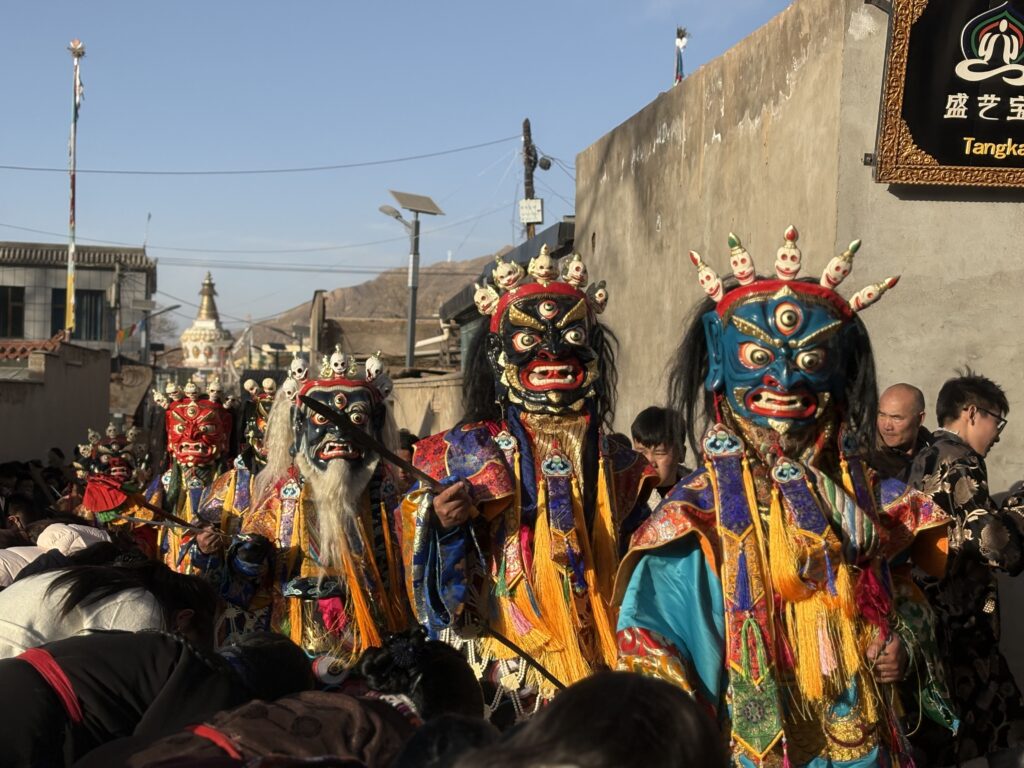
Winter in Amdo is cold but extremely dry and sunny. This is the most important religious season, hosting the famous Monlam Great Prayer Festival, butter sculpture exhibitions, and sacred cham masked dances in Labrang and Kumbum Monastery.
Best for: religious culture travelers, monastery photography, authentic Tibetan festivals.
Spring (April – May) – Quiet Off-Season Travel
Spring features blooming highland vegetation, migrating bird flocks at Gahai Lake and Ruoergai wetlands, and far fewer tourists.
Best for: budget travelers and peaceful hiking tours.
Amdo Regional Tour Overview
Gannan Gansu – Gateway to Amdo Tibet
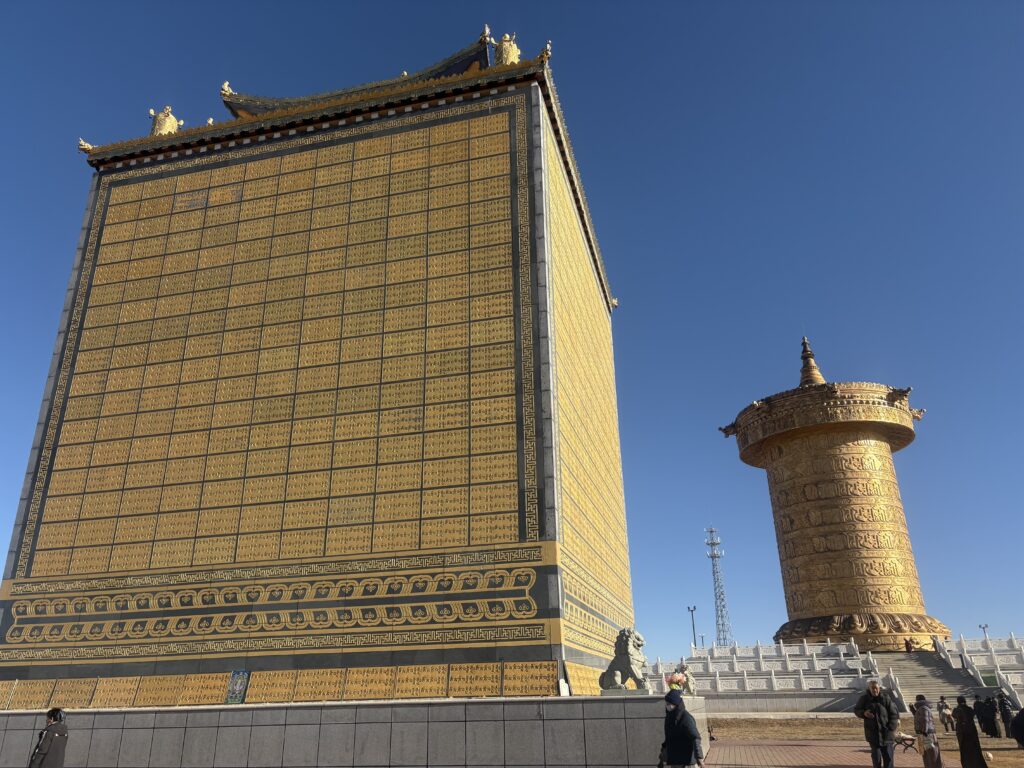
Gannan is the official entry point for most Amdo itineraries, famous as Nine-Color Gannan for its layered mountain colors and pure Tibetan culture.
Top Gannan Attractions
Labrang Monastery (Xiahe)
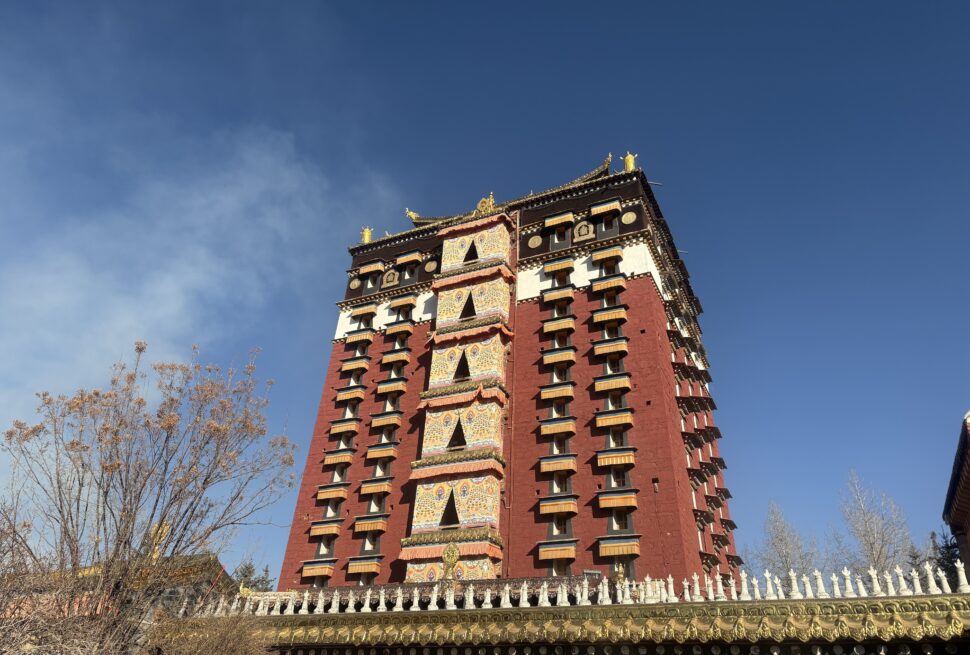
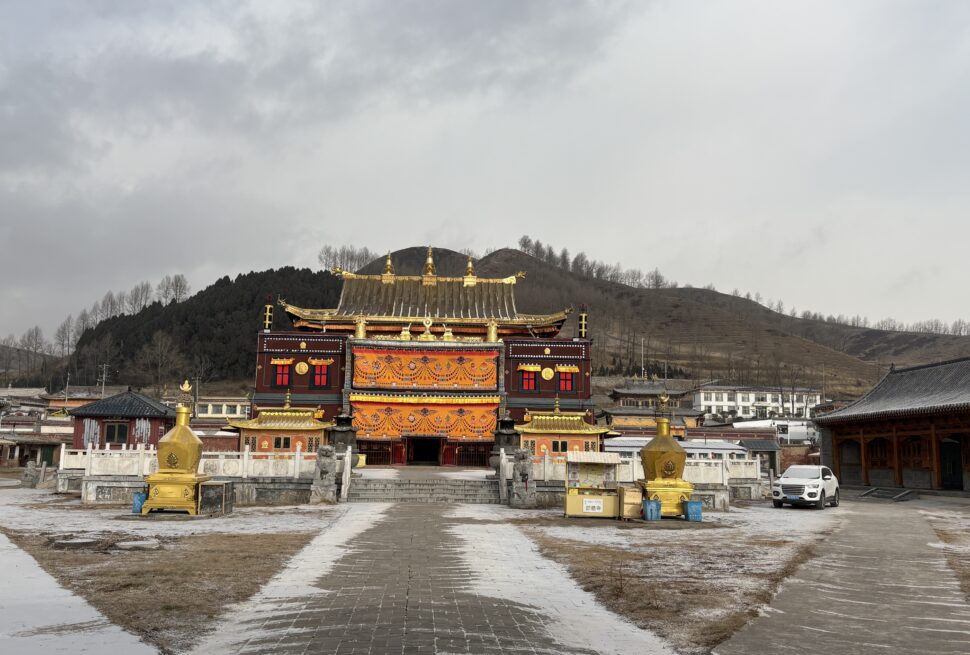
The largest Gelug monastery in Amdo, famous for the world’s longest prayer corridor and daily monk debate ceremonies.

Taktsang Lhamo (Langmusi)
Bordering Gansu and Sichuan, Langmusi combines twin monasteries, forested valleys, and alpine hiking routes.

Zhagana Stone City
A Joseph Rock-famed alpine valley with vertical stone peaks, Tibetan villages, and meadow hiking trails.

Sangkog Grassland
Classic Amdo nomadic grassland area for horse riding, sunset shooting, and yak culture experiences.

Ngawa Sichuan – Amdo’s Natural Paradise
Ngawa (Aba) in northern Sichuan contains Amdo’s most dramatic natural landscapes, including wetlands, sacred snow mountains, and the world’s largest Buddhist academy.

Top Ngawa Attractions

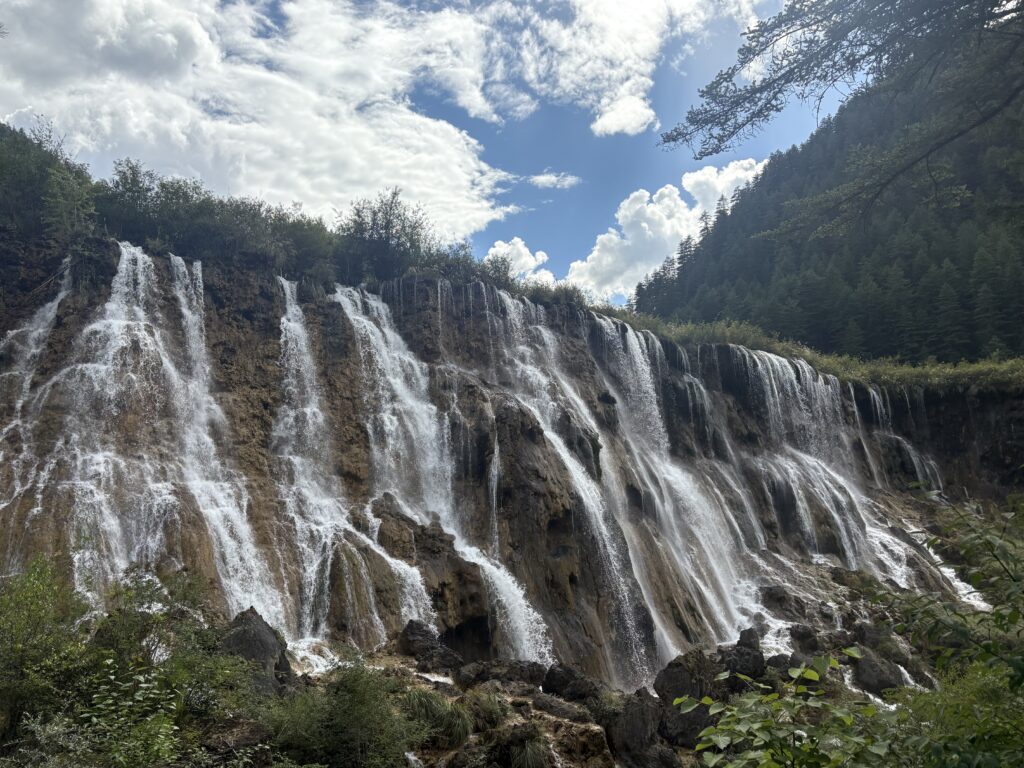
Jiuzhaigou (Dziza Degu)
World’s largest Tibetan Buddhist study community with iconic red log cabin clusters covering the mountainside.

Dzogai Grassland & Flower Lake
China’s largest high-altitude wetland ecosystem, home to black-necked cranes and summer water lily blooms.
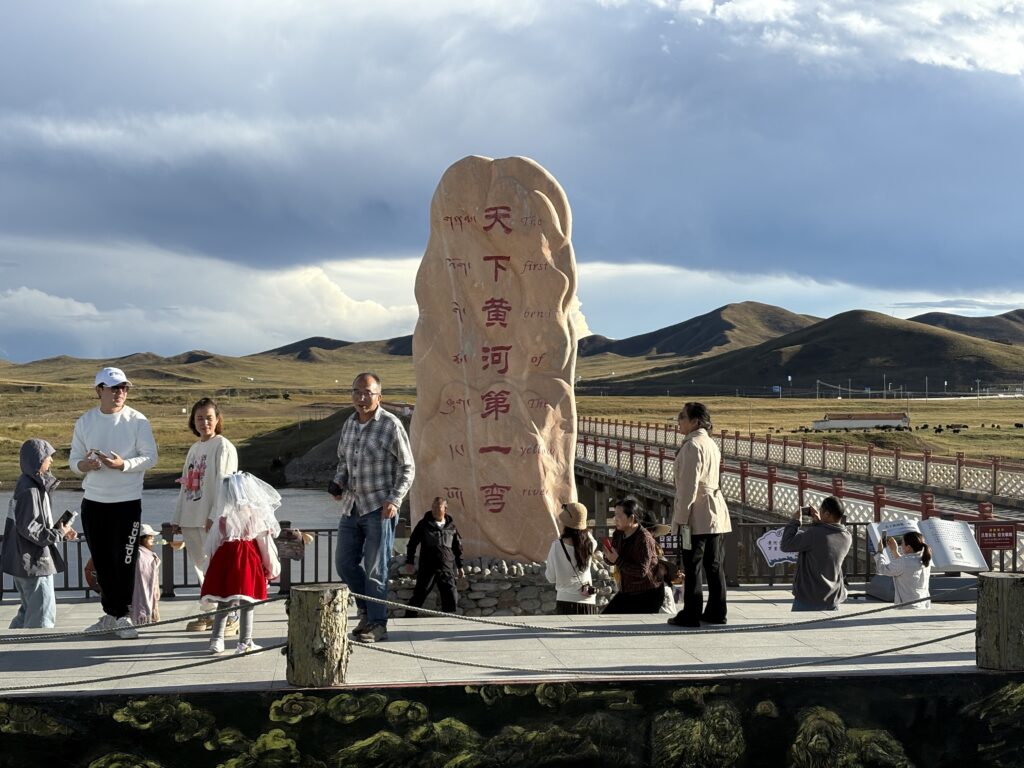
First Bend of Yellow River (Tangke)
Famous panoramic sunset spot where the Yellow River forms a giant meander across Amdo grasslands.
Nyenbo Yurtse Sacred Mountain
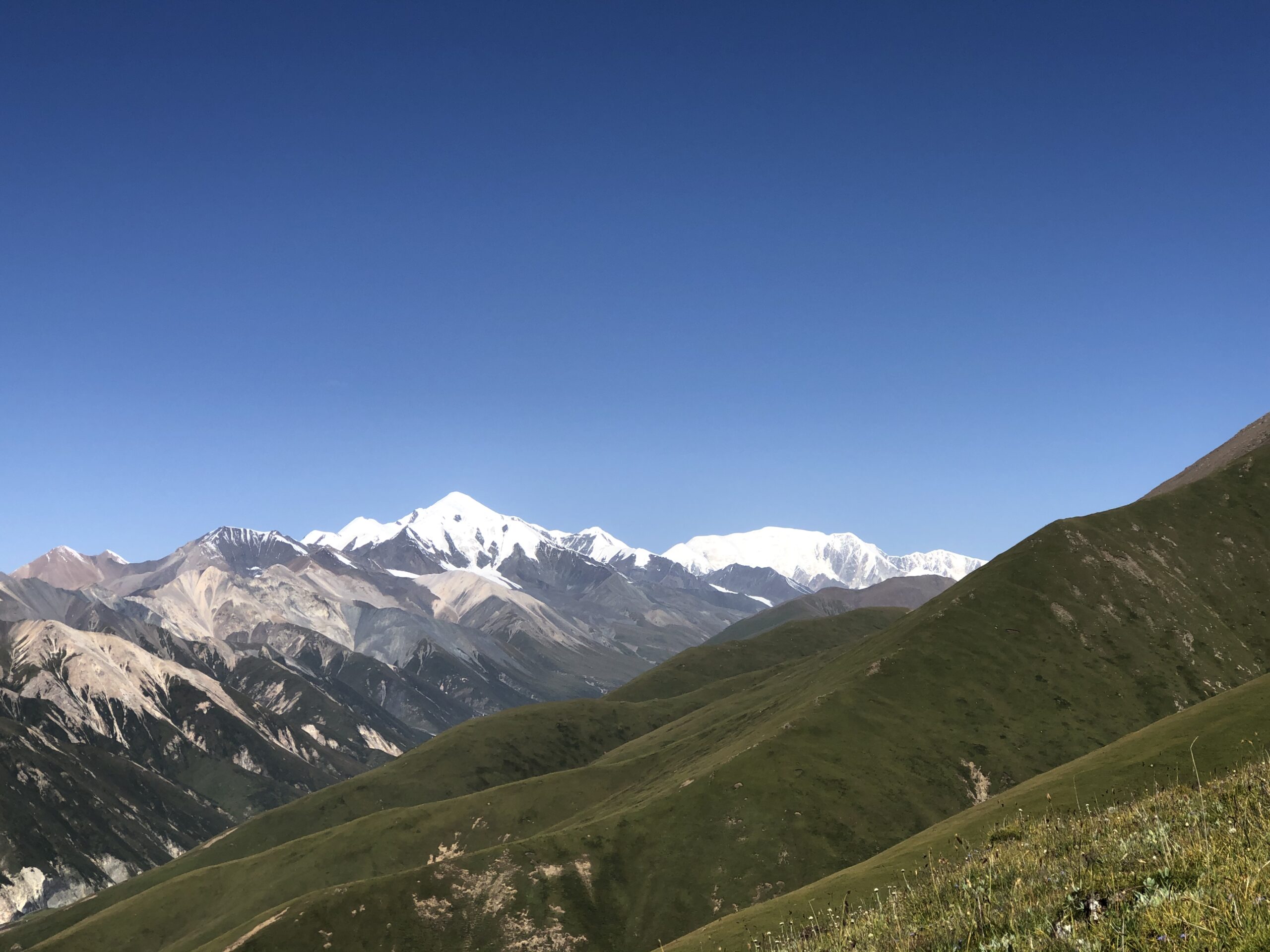
Bordering Sichuan, Gansu, and Qinghai, featuring dozens of glacial alpine lakes and primitive highland scenery.

Qinghai – Spiritual Core of Amdo Tibet
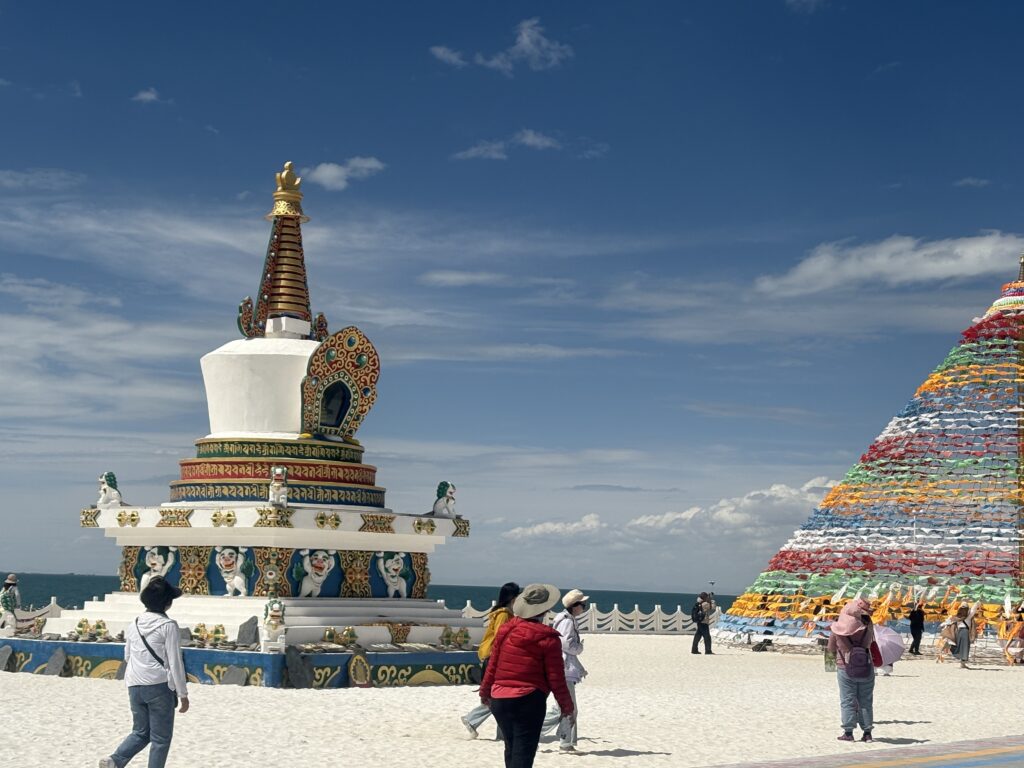
Qinghai represents Amdo’s religious and geographical heartland, hosting birthplace shrines, UNESCO Regong art, and China’s largest plateau lake.
Top Qinghai Attractions
Kumbum Monastery (Taer Temple, Xining)
Birthplace of Tsongkhapa, founder of the Gelug school, famous for the Three Great Arts: murals, butter sculpture, and thangka embroidery.

Qinghai Lake
China’s largest inland saltwater lake, famous for cycling routes, bird islands, and mirror-like lake reflections.

Tongren Regong Art Zone
UNESCO intangible cultural heritage site for traditional Amdo thangka painting and monastery craftsmanship.

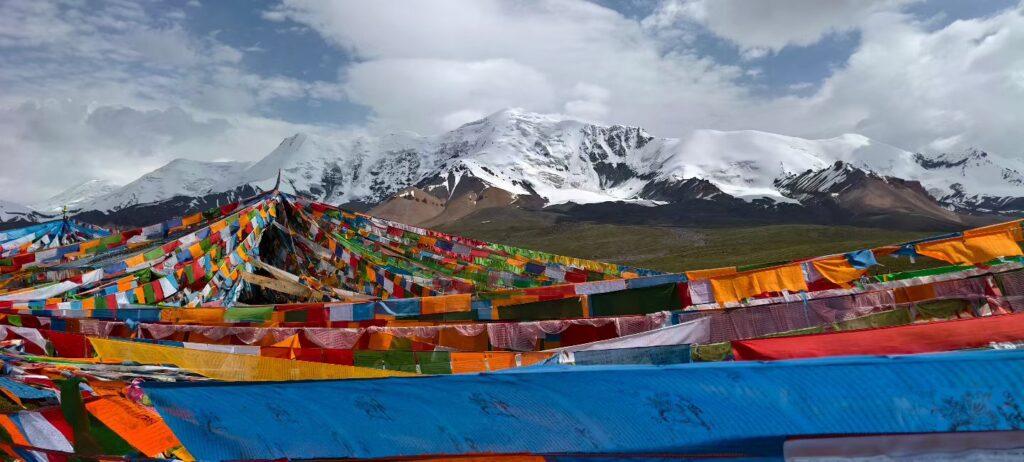
Amnye Machen Snow Mountain
Sacred pilgrimage snow mountain of Amdo Tibetans with glaciers and wilderness hiking trails.

Classic Amdo Tibet Itinerary Overview
7-Day Gannan & Ngawa Classic Loop
Ideal for first-time Amdo travelers combining culture + nature
Day 1: Lanzhou – Xiahe – Labrang Monastery – Sangke Grassland
Day 2: Xiahe – Langmusi Temple exploration
Day 3: Langmusi – Zhagana Stone City hiking
Day 4: Zhagana – Ruoergai Wetland & Flower Lake
Day 5: Ruoergai – Tangke Yellow River First Bend sunset
Day 6: Tangke – Lianbaoyeze alpine lakes
Day 7: Return to Lanzhou
10-Day Full Amdo Deep Tour (Gannan + Ngawa + Qinghai)
Perfect for photographers and cultural travelers
Days 1–7: Complete Gannan & Ngawa loop
Day 8: Lianbaoyeze – Xining Kumbum Monastery
Day 9: Xining – Qinghai Lake & Chaka Salt Lake
Day 10: Xining departure
4-Day Short Gannan Amdo Tour
Best for weekend travel and light sightseeing
Day 1: Lanzhou – Xiahe Labrang Monastery
Day 2: Xiahe – Langmusi
Day 3: Langmusi – Zhagana hiking
Day 4: Return to Lanzhou
Amdo Tibetan Culture & Traditions
Gelug Buddhism in Amdo
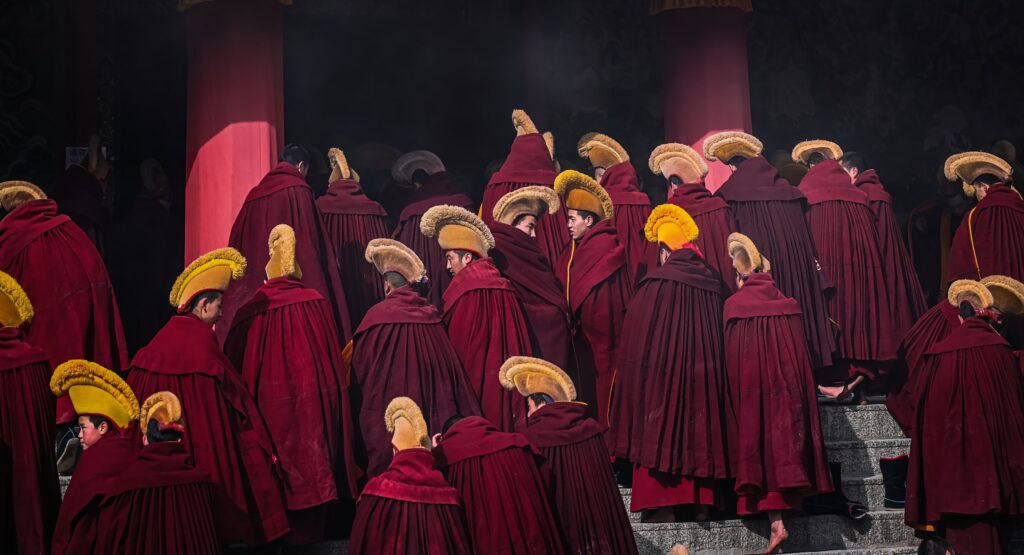
Amdo is the strongest Gelug (Yellow Hat) Buddhist region outside Lhasa. Monasteries remain active educational, spiritual, and social centers.
Key annual festivals:

Monlam Great Prayer Festival (Lunar January)


Butter Sculpture Festival

Cham Masked Dance Festival (Lunar June)

Traditional Amdo Nomadic Culture
Most rural Amdo communities maintain ancient nomadic or semi-nomadic lifestyles, herding yaks and sheep on seasonal grasslands. Travelers can experience yak-hair tent stays, traditional tsampa meals, yak butter tea, and horse riding.
Amdo Traditional Arts
Regong thangka painting

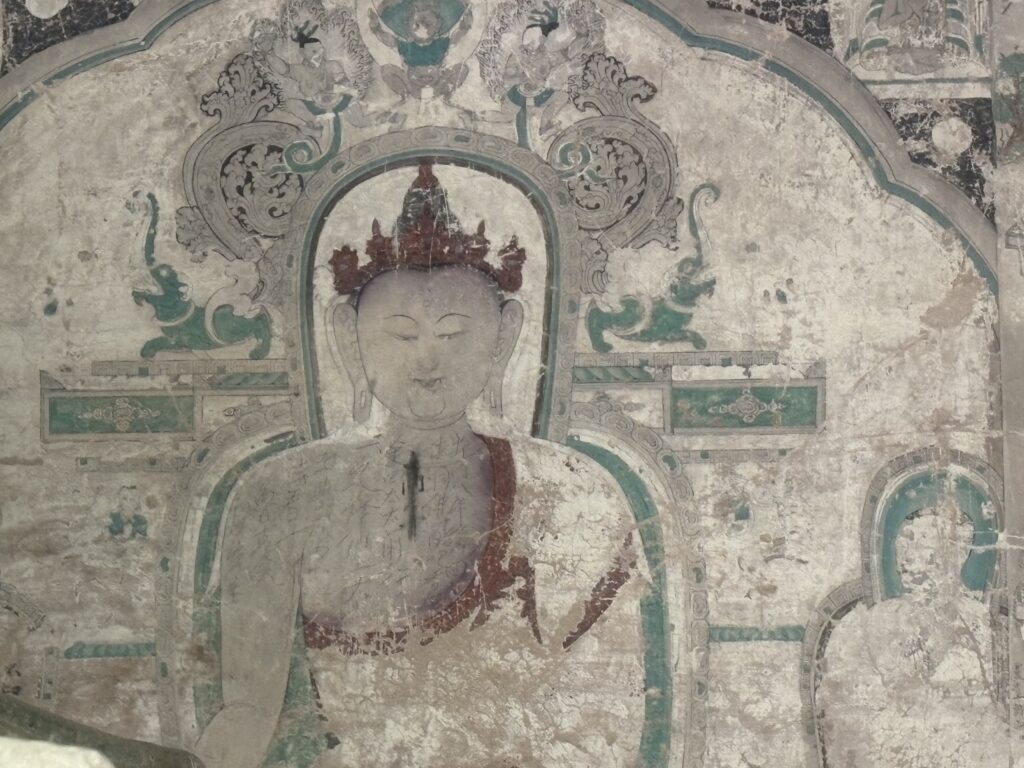
Monastery murals
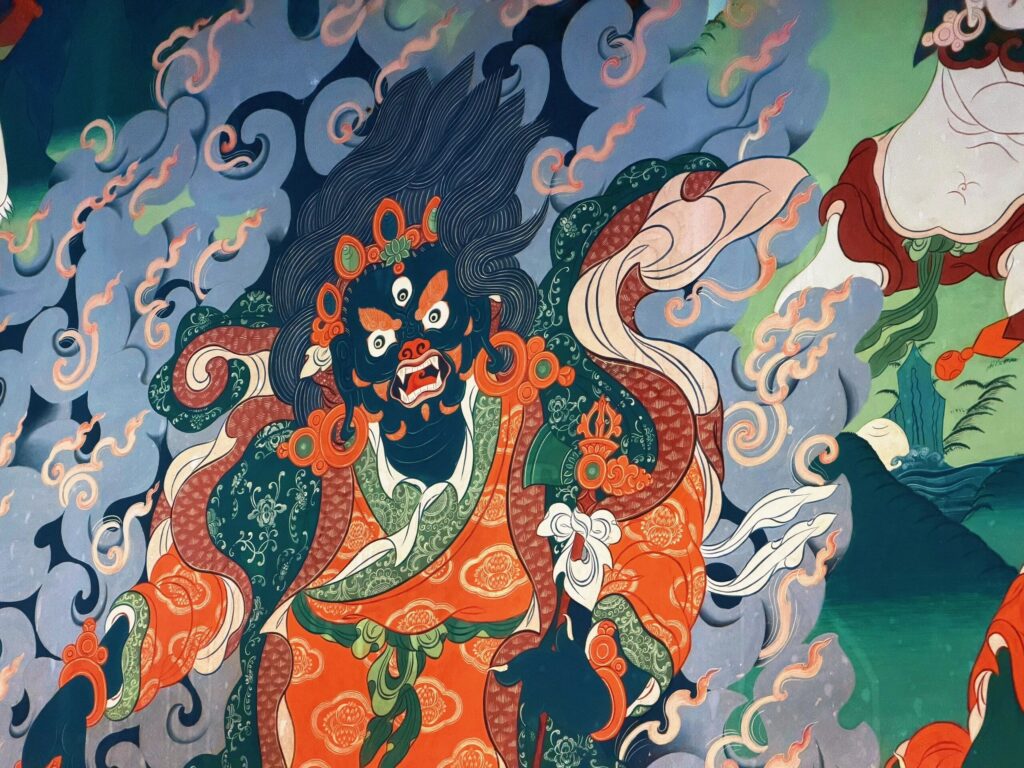
Winter butter sculpture art

Tibetan embroidery and wood carving
Essential Amdo Travel Tips
Altitude Sickness Guide
Amdo altitude ranges 2800m–3500m, milder than central Tibet. Travel slowly on arrival, drink sufficient water, and avoid heavy exercise the first day.
Monastery Etiquette
Walk clockwise around all stupas and prayer wheels
Dress modestly (cover shoulders and knees)
No photography inside scripture halls
Keep quiet during monk prayers and debates
Transportation
Main entry hubs: Lanzhou (Gansu) and Xining (Qinghai)
Best travel method: private chartered car or self-driving
Local Food Highlights
Tsampa, yak butter tea, Tibetan noodles, stewed lamb, plateau yogurt
Why Travel to Amdo Tibet?
Amdo remains one of China’s most underrated, authentic, and visually stunning Tibetan Plateau destinations. It offers unspoiled grasslands, active living monasteries, preserved nomadic traditions, and accessible high-altitude travel conditions.
For travelers seeking real Tibetan culture away from commercial crowds, Amdo (Ngawa, Gannan, Qinghai) is the ultimate travel destination.