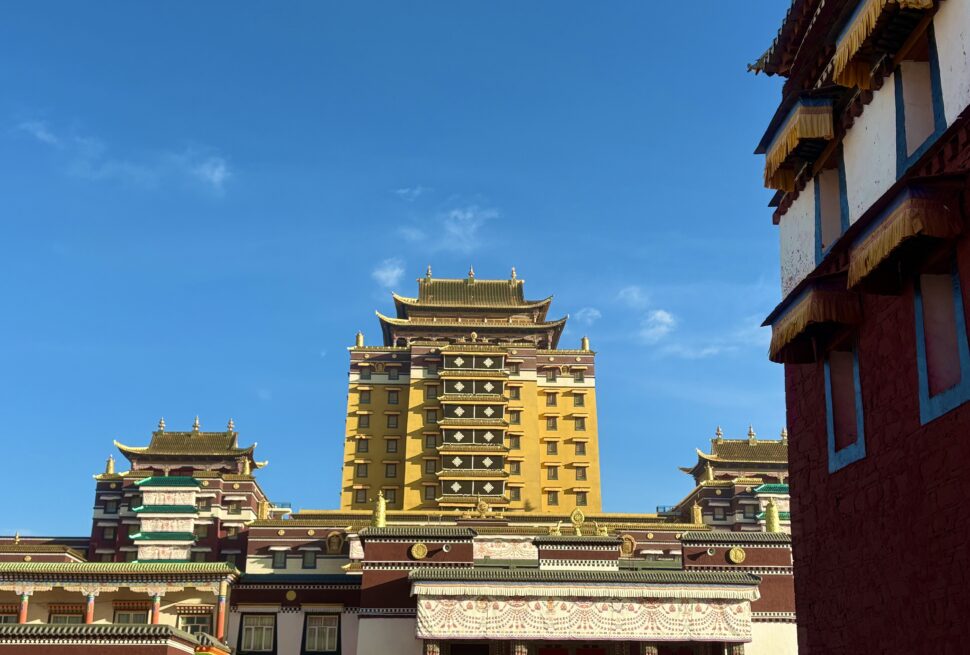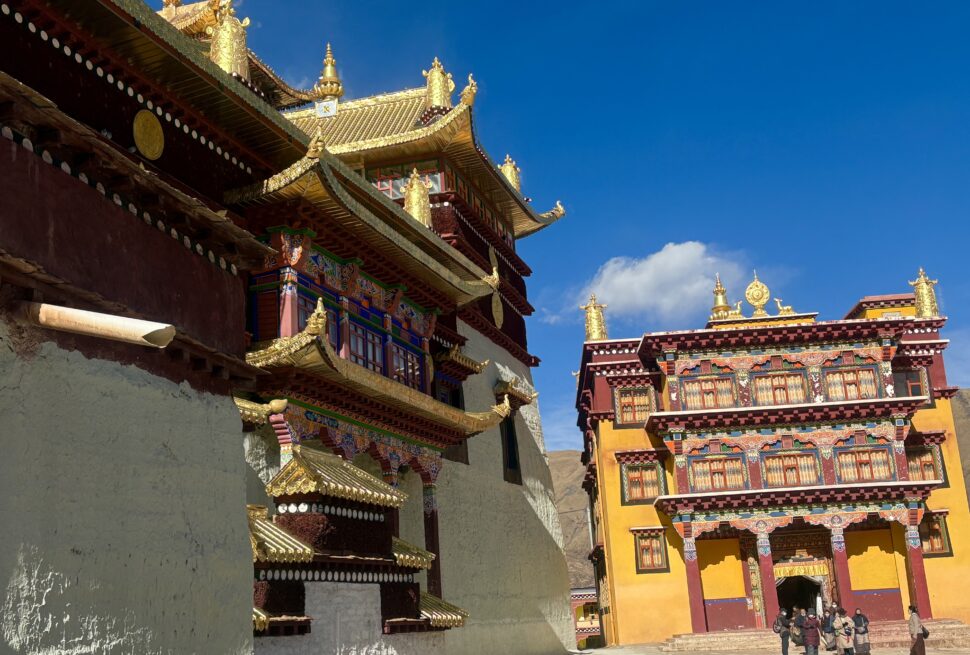
Horpo Valley (also known as Horpo Township) lies in Pelyül (Baiyu) County, Garzê Tibetan Autonomous Prefecture, Sichuan Province, in the heart of eastern Kham. It sits about 60 km from Dege County seat and 40 km northwest of Dzongsar Monastery, forming a cultural triangle with Dzongsar and Dopu Valley. A remote, unspoiled alpine valley, it blends profound Tibetan Buddhist heritage, ancient craftsmanship, and raw mountain scenery.
Geography & Access
Location: Horpo occupies a stretch of the Jinsha River (Yangtze) tributary valley, bordering Dege to the east and Tibet across the river to the west.
Elevation: Ranges from 3,200 m in the valley floor to 4,800 m at Katok Monastery, with surrounding peaks exceeding 5,500 m.
How to Get There:
Chengdu → Garzê → Dege → Horpo: Paved roads connect Dege town to Horpo (≈1.5 hours).
From Dzongsar: A scenic 40 km mountain drive (≈1 hour) through forested ridges.
Landscape:
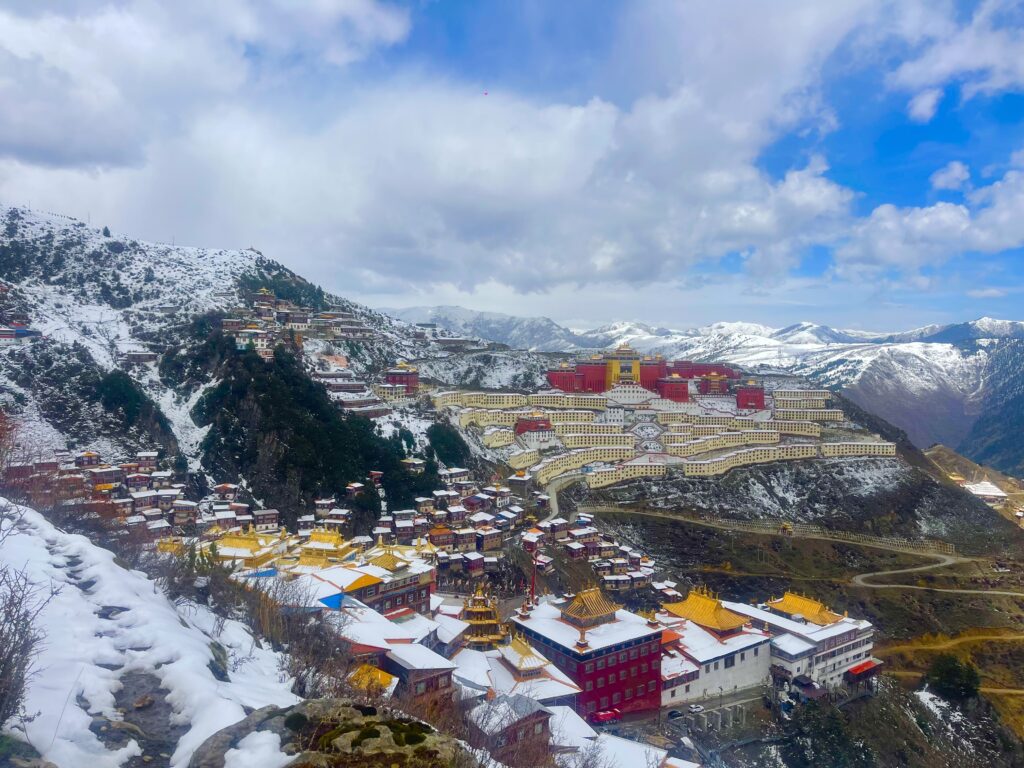
A classic Kham alpine valley—steep forested slopes, wildflower meadows, glacial streams, and snow-capped peaks (including the sacred Dzongna range) tower above. Wildlife like blue sheep, snow leopards, and black bears roam the upper reaches.
Katok Monastery (Katok Dorjeden) – The Crown of Horpo
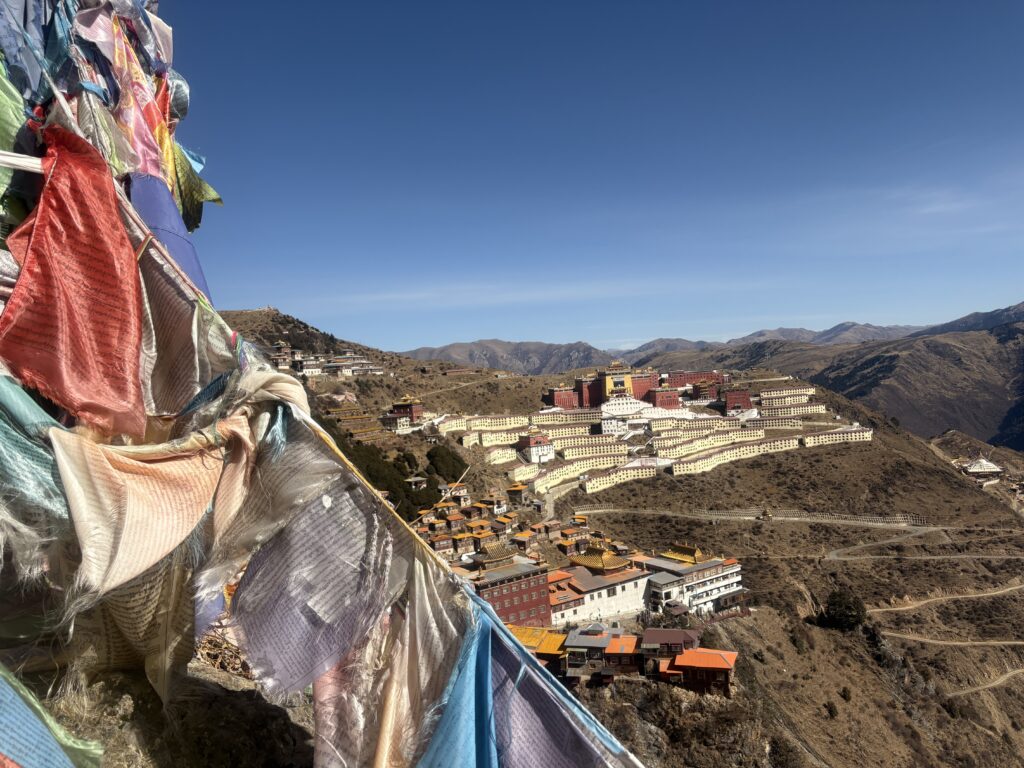
The valley’s spiritual core is Katok Monastery, one of the six great mother monasteries of the Nyingma School (Tibetan Buddhism’s oldest sect).
History & Origin
Founded in 1159 by the master Dampa Deshek (1122–1192), a disciple of Gampopa and the 1st Karmapa.
Name meaning: “On the syllable ‘Ka’”—a sacred white boulder inscribed with the Tibetan syllable KA stands at the original site.
Blessed by Guru Padmasambhava (8th century), who predicted Katok would become a “second Vajrasana” (equal to Bodh Gaya in India).
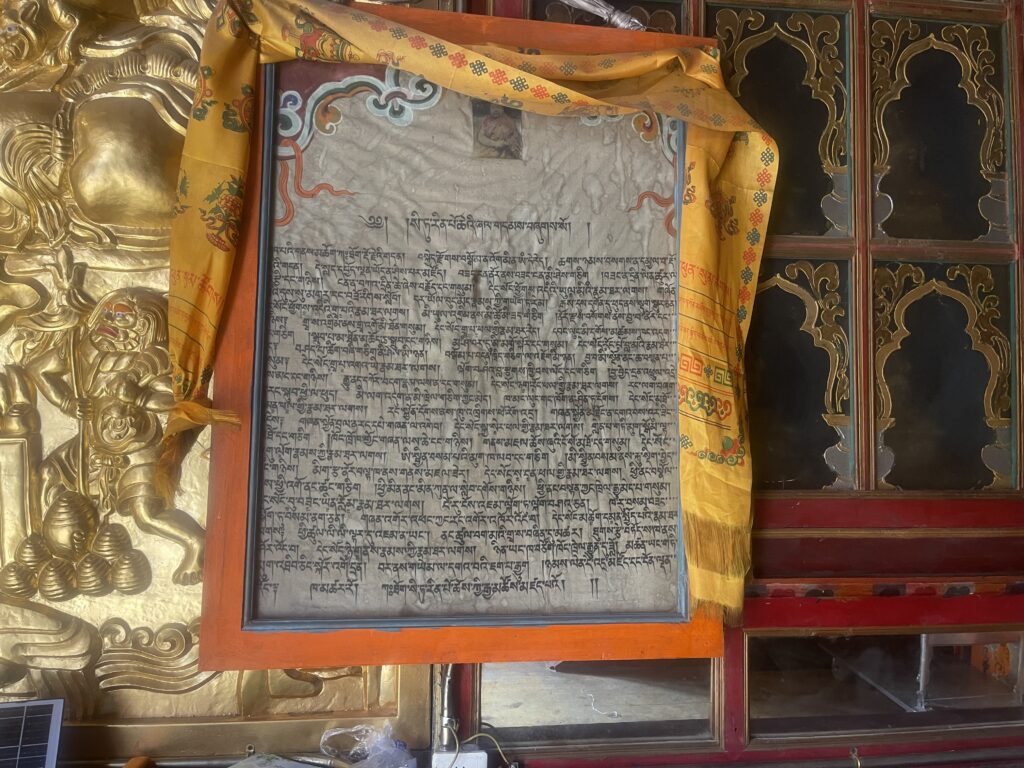
Spiritual Significance
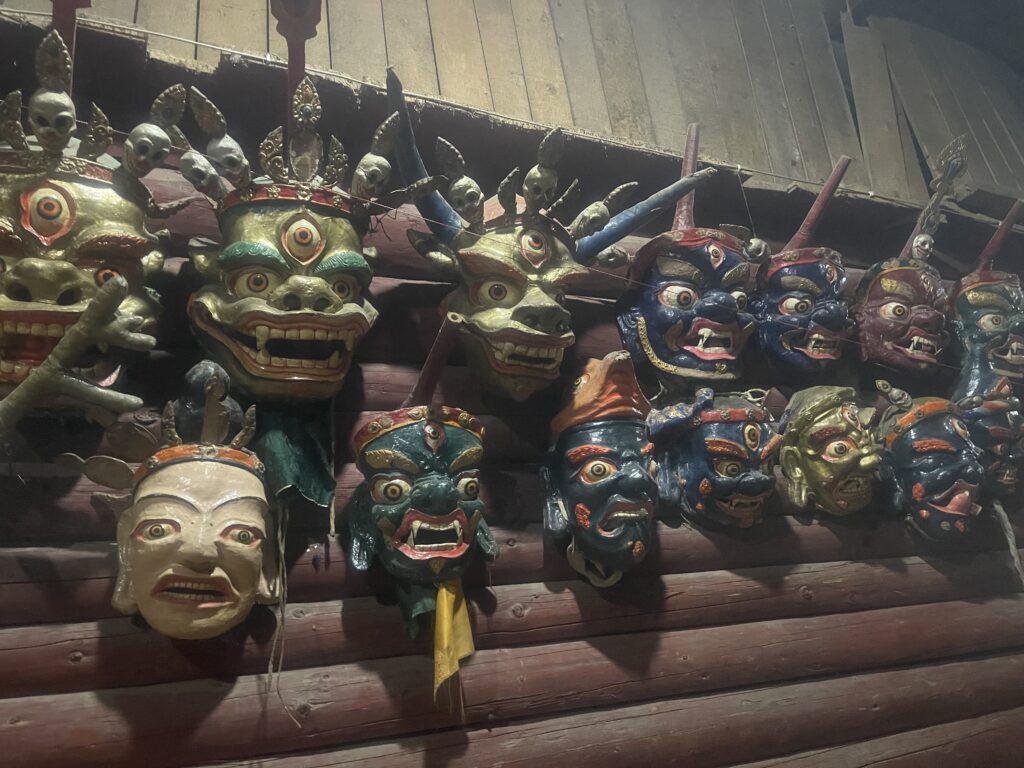
Nyingma heartland: A global center for Dzogchen (Great Perfection) and Terma (revealed treasure) lineages.
100,000 rainbow bodies: Over 800 years, tradition holds that 100,000 practitioners attained rainbow body (enlightenment) here.
Global influence: Katok’s lineage now spans Asia, Europe, and North America.
Monastery Complex
Perched at 4,800 m on a forested hillside, the complex includes:
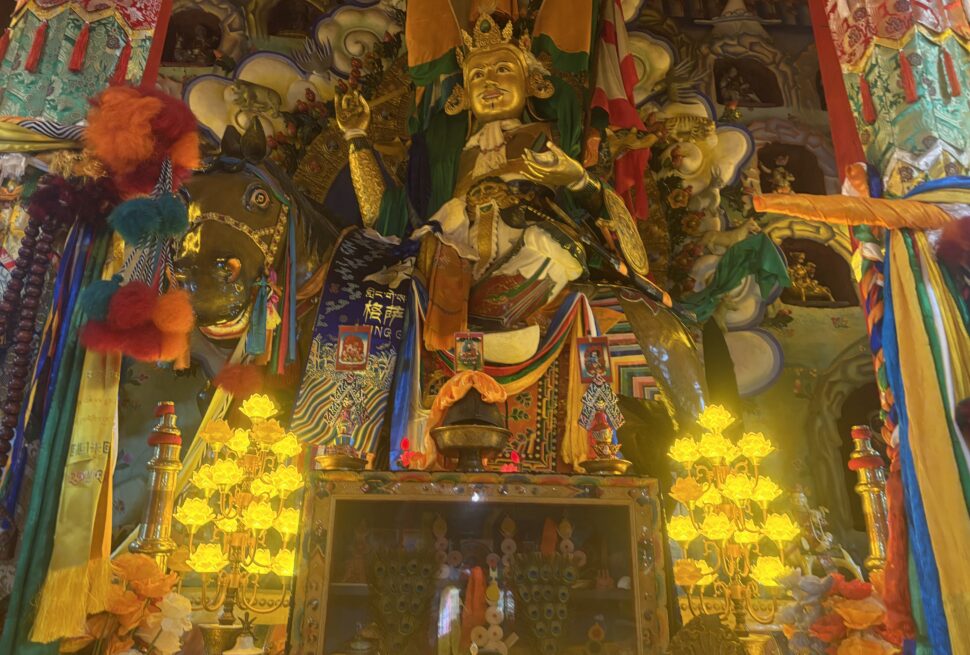
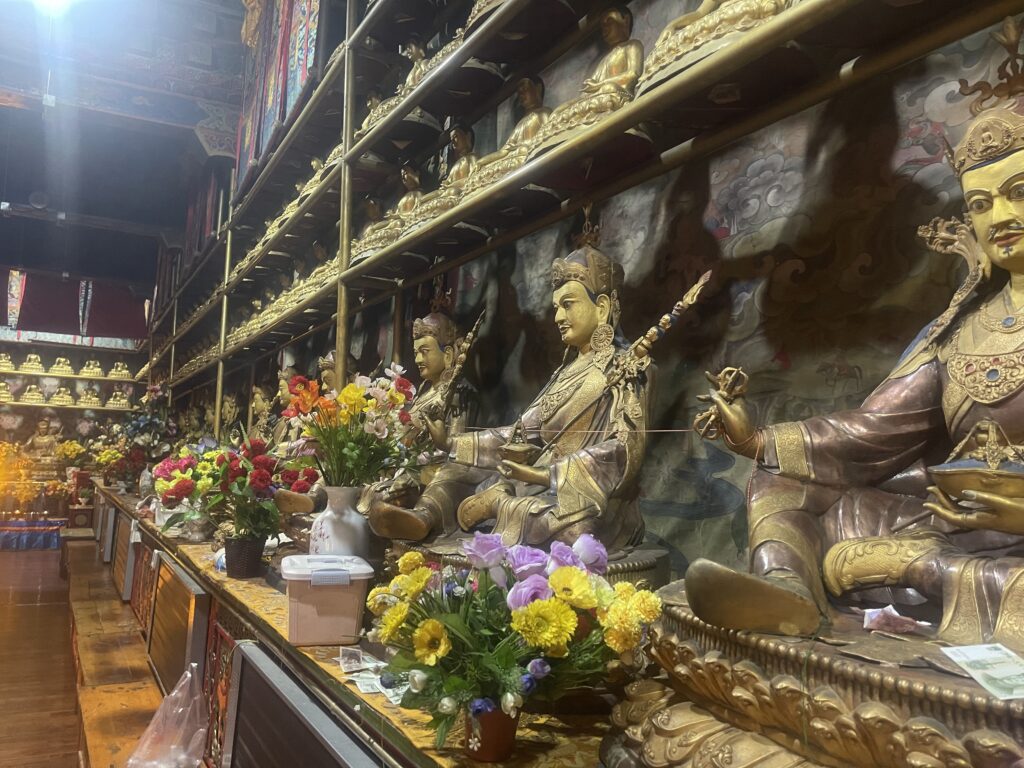
Main Assembly Hall: Housing a 10 m bronze Buddha and exquisite 17th-century murals.
Shedra (Buddhist College): Hundreds of monks study philosophy, ritual, and medicine.
Treasury: Rare artifacts—Yuan Dynasty thorn relics of Padmasambhava, a seal from Phags-pa (13th century), Ming statues, and Gesar-era bronze vessels.
Culture & Craftsmanship
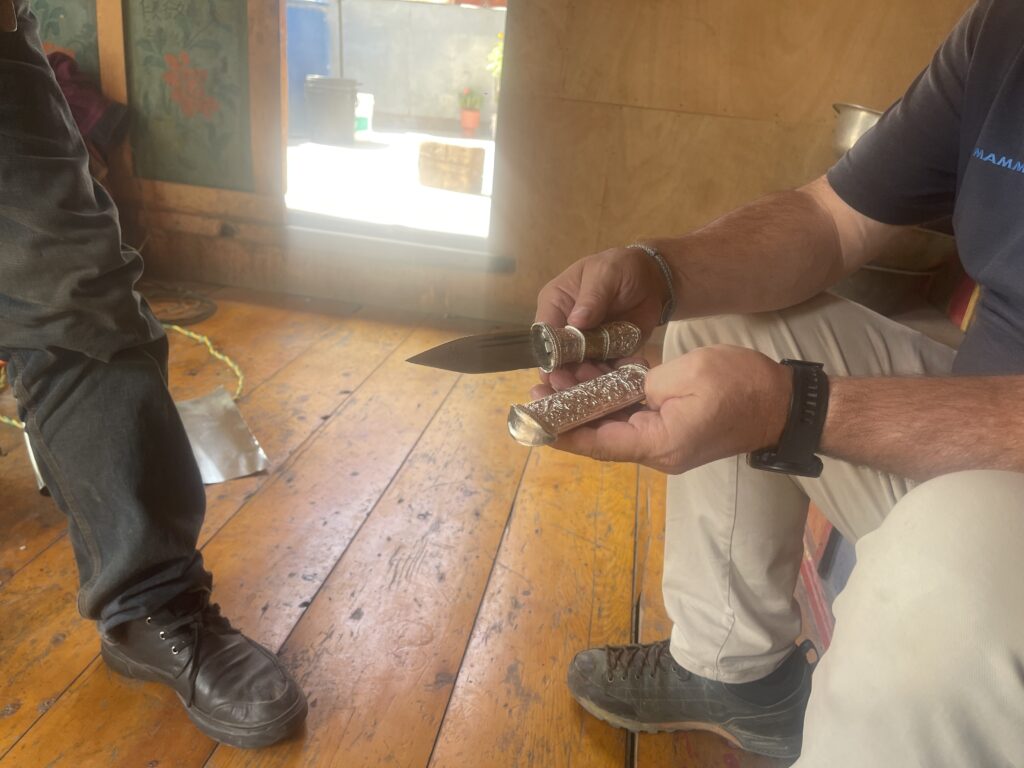
Horpo is famed across Kham as a hub of Tibetan artisanal excellence, especially:
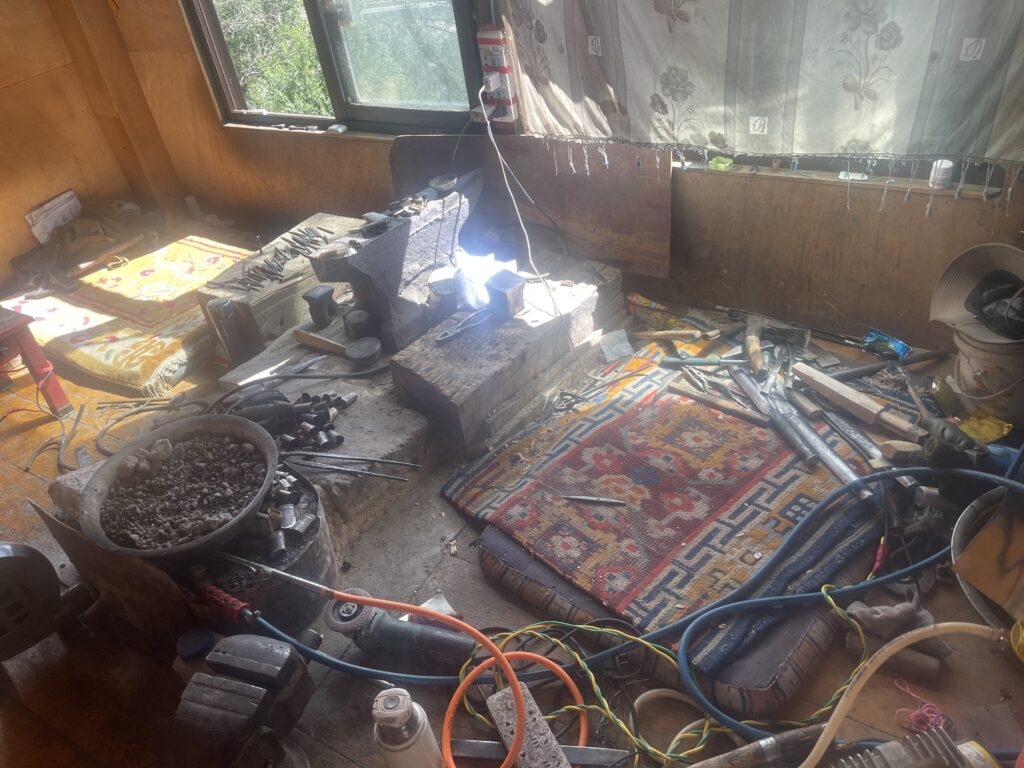
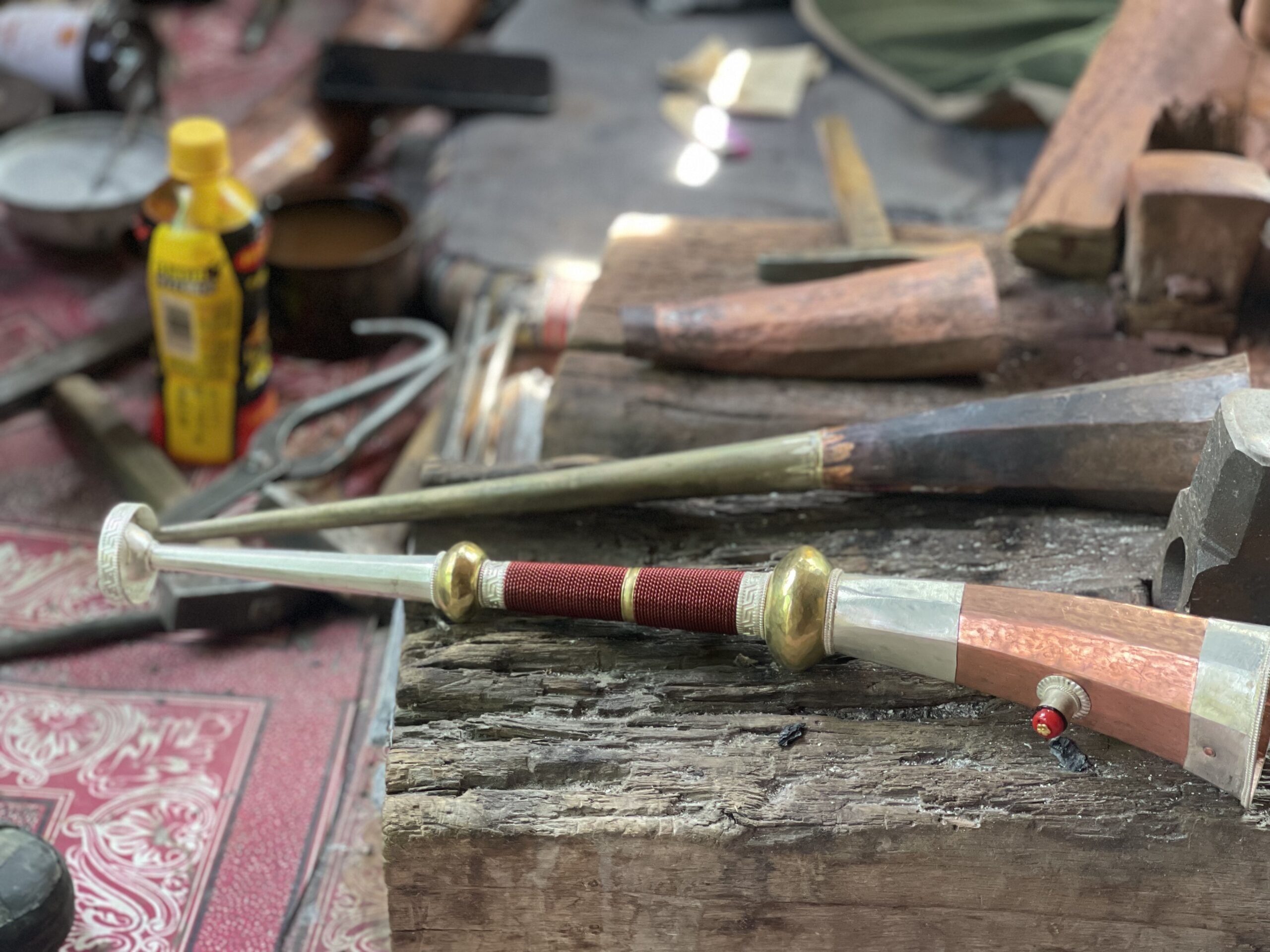
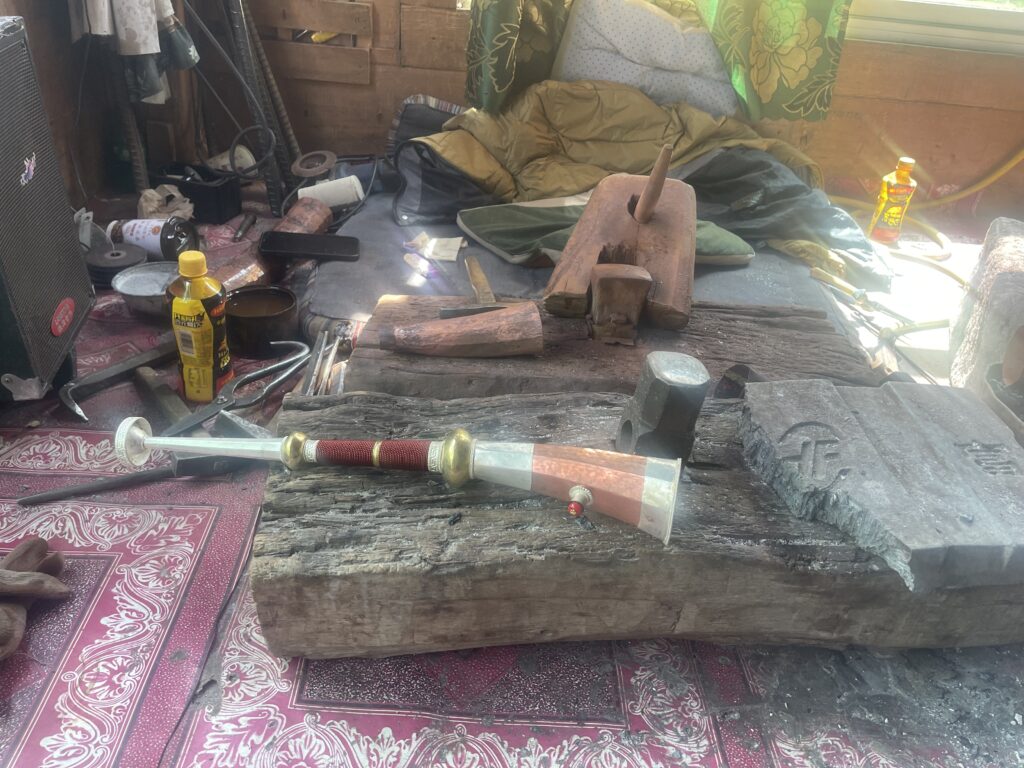
Horpo Tibetan knives: Hand-forged blades with intricate silver/copper inlay, horn handles, and traditional patterns—a 1,000-year-old craft.
Metal carving & jewelry: Masters create sacred amulets, ritual tools, and ornaments using ancient techniques passed down through families.
Black pottery: Unique, unglazed earthenware for daily and ritual use.
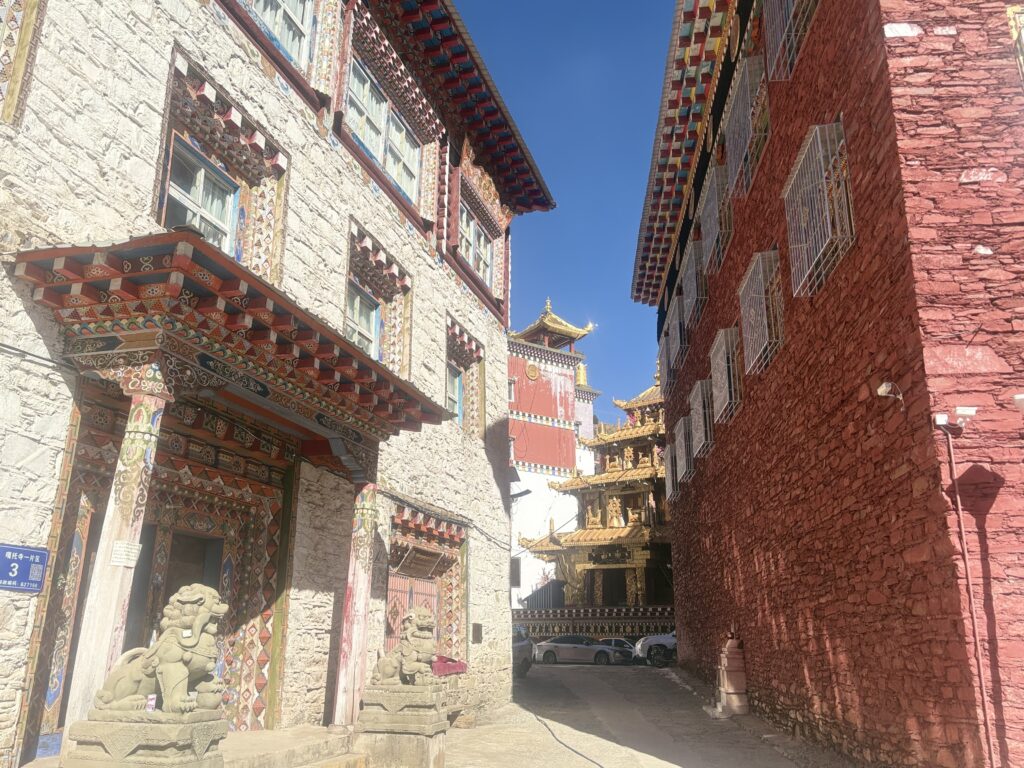
Local life: Villages of whitewashed stone houses, barley fields, and nomadic yak herds dot the valley. Festivals like Katok Great Prayer Festival (summer) feature masked cham dances, thangka displays, and horse racing.
Trekking & Nature
Horpo is a gateway to remote Kham trekking:
Dzongsar–Dopu–Horpo Circuit: 3–5 days of moderate trekking (3,500–4,500 m) through forests, meadows, and high passes, linking the three valleys.
Katok Sacred Mountain Trek: A day hike to viewpoints overlooking the monastery and Jinsha River gorge.
Wildlife watching: Upper valleys are prime for spotting blue sheep, argali, and snow leopards (winter).
Practical Travel Tips
Best time to visit: May–June (wildflowers) or September–October (golden forests, clear skies).
Altitude: Acclimatize slowly; stay hydrated.
Accommodation: Basic Tibetan homestays in Horpo village; simple guesthouses near Katok.
Etiquette: Dress modestly; no photos inside temples without permission; walk clockwise around stupas.
Horpo Valley, in Pelyül County, Sichuan, is a hidden gem of eastern Kham. Home to Katok Monastery (1159), one of Nyingma Buddhism’s most sacred sites, it’s a global center for Dzogchen practice. The valley is famed for hand-forged Tibetan knives and metal crafts, set amid dramatic alpine scenery—forests, glacial streams, and snow peaks. Remote and unspoiled, it pairs perfectly with Dzongsar and Dopu Valley for an authentic Tibetan cultural and trekking journey.