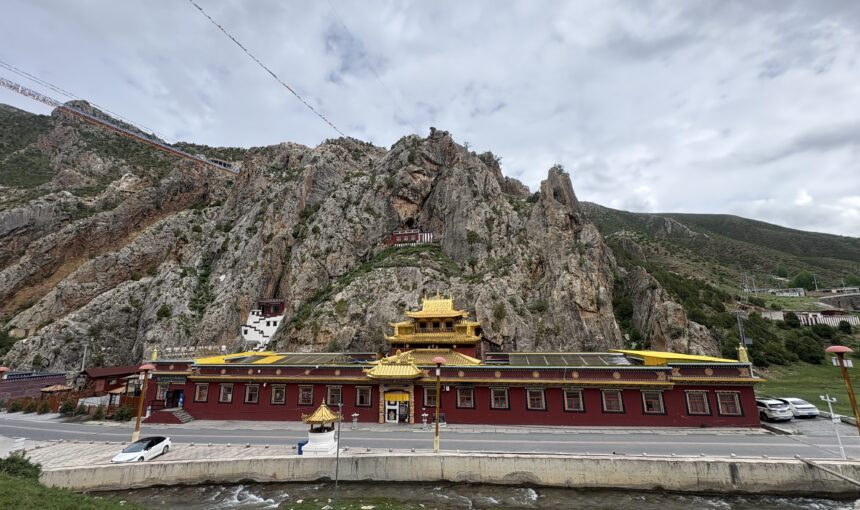
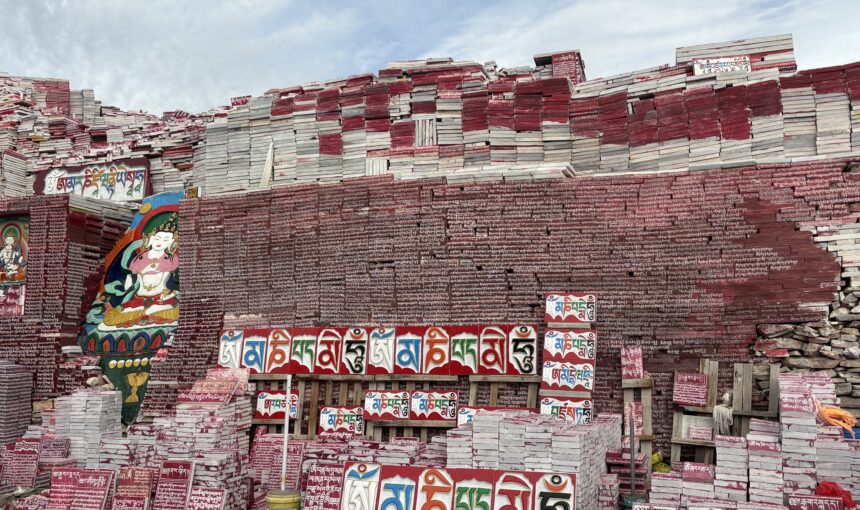
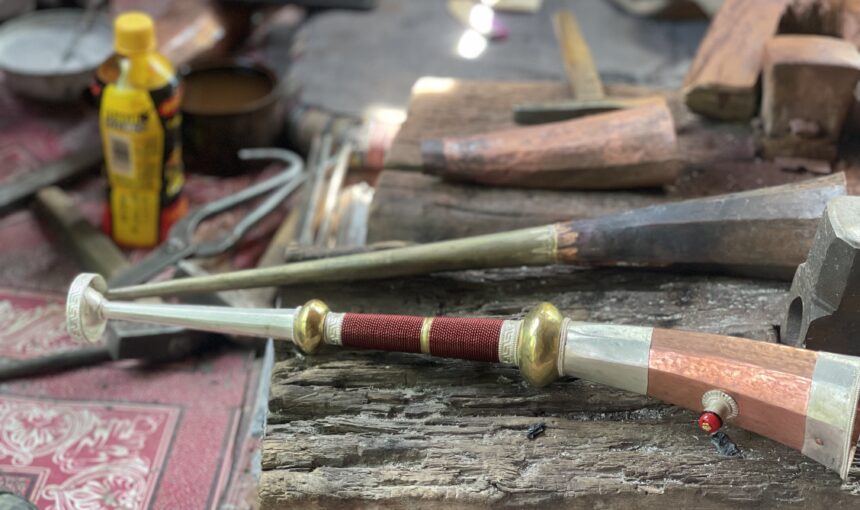
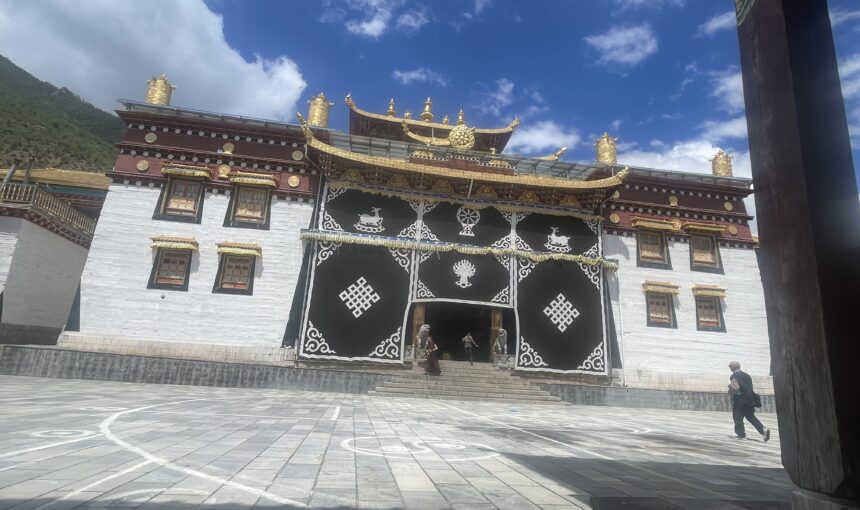
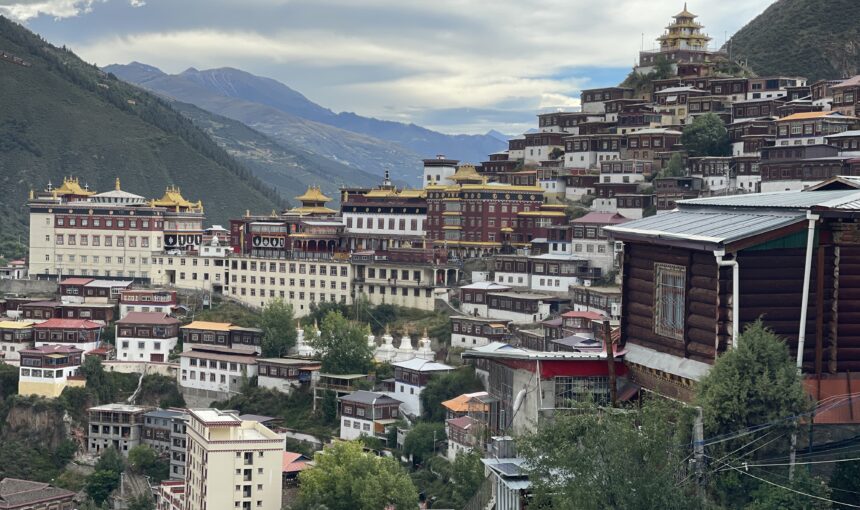
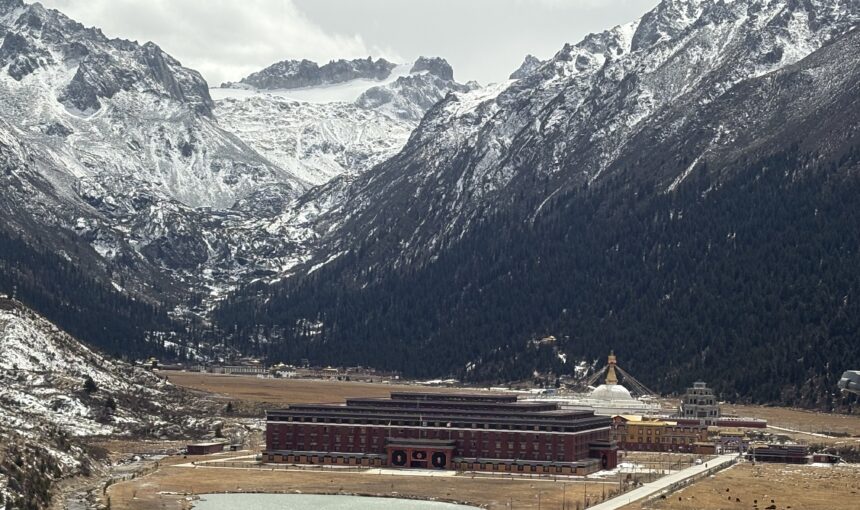
Horpo Valley, in Pelyül County, Sichuan, is a hidden gem of eastern Kham. Home to Katok Monastery (1159), one of Nyingma Buddhism’s most sacred sites, it’s a global center for Dzogchen practice. The valley is famed for hand-forged Tibetan knives and metal crafts, set amid dramatic alpine scenery—forests, glacial streams, and snow peaks. Remote and unspoiled, it pairs perfectly with Dzongsar and Dopu Valley for an authentic Tibetan cultural and trekking journey.
Gaden Dhondupling Monastery དགའ་ལྡན་དོན་འགྲུབ་གླིང་དགོན་པ།
Basic Profile Official Tibetan full name:Gaden Dhondupling(Dondupling = phonetic spelling);Chinese:噶丹东竹林寺 Location: Shusong Village, Benzilan Town, Deqin County, Diqing Prefecture, Northwest Yunnan, beside China National Highway G214; altitude 2,850–3,000 m, nested between Baima Snow Mountain & Jinsha River valley Sect: Gelug […]
Chorten Gang (曲登阁 / Qudengge Pagoda)
Basic Info Location: 5 km south of Deqin Town, Diqing, Yunnan, gateway shrine for Meili (Kawa Karpo) inner kora pilgrimage toward Yubeng Village Tibetan full name: Qudeng Xige Rangjiang, literally Natural Crystal Stupa Altitude: ~3300 m; free admission, open all […]
Yubeng Village (雨崩村) གླེགས་བམ།
Basic Info: Yubeng is a secluded traditional Tibetan hamlet tucked under the sacred Meili Snow Mountain (Kawa Karpo, 6740m peak), Yunling Township, Deqin, Diqing, northwest Yunnan, inside the UNESCO Three Parallel Rivers World Natural Heritage Zone. Elevation: 3000–3230m, split into […]
Khawa Karpo རོང་བཙན་ཁ་བ་དཀར་བོ།
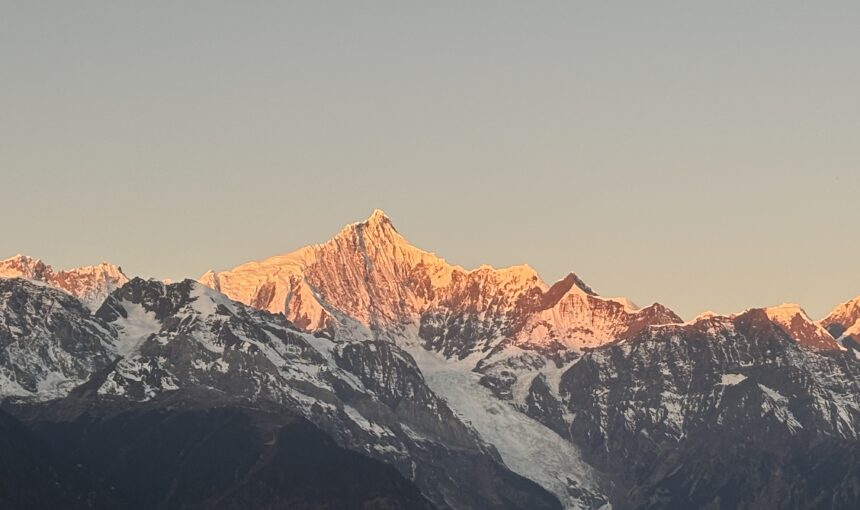
Khawa Karpo, the 6,740m main peak of Meili Snow Mountains and Yunnan’s highest summit, is revered as one of Tibet’s most sacred holy mountains under Three Parallel Rivers World Heritage. Sacred in Tibetan Buddhism, the peak bans all climbing with no recorded successful ascent. Visitors enjoy inner short kora around Yubeng and Mingyong Glacier, while tough outer circumambulation spans Yunnan-Tibet border for 7–15 days. Feilai Temple is the top viewpoint for the famed sunrise golden peak scenery, and Yubeng remains a beloved hiking base under the snow range.
Dargye Monastery དར་རྒྱས་དགོན་པ།
Nestled on grassland hillsides of northern Kham, Dargye Monastery stands as a landmark Gelug foundation erected in 1662 by a disciple of the Fifth Dalai Lama. One of the famous thirteen Hor grassland monasteries, its tiered red-and-white buildings merge Tibetan and Han architectural arts. Restored from the 1980s onward, it preserves classic Gelug rituals and annual cham dance ceremonies amid open pastoral terrain.
Palyul Monastery དཔལ་ཡུལ་རྣམ་རྒྱལ་བྱང་ཆུབ་ཆོས་གླིང་
Palyul, core Nyingma mother monastery built in 1665 in Baiyu County, anchors the Namchö spiritual lineage across Kham and beyond. Its cascading hillside architecture, traditional woodblock printing and annual Guru Rinpoche ceremonies draw pilgrims from across the Tibetan plateau.
Dzogchen Monastery རྫོགས་ཆེན་དགོན་པ།
Basic Overview Dzogchen Monastery, locally known as Dzogchen Gompa, lies in the remote Rudam Valley of northern Dege County, Garzê Tibetan Prefecture, western Sichuan, sitting at an altitude of roughly 3800 meters. It ranks among the Six Great Mother Monasteries […]
Danba (Rongzhag) རོང་བྲག
Nestled in the river valleys of western Sichuan’s Hengduan Mountains, Danba, the ancient homeland of the Jiarong Tibetan people, is a timeless land famed as the Kingdom of a Thousand Watchtowers. Rooted in the heritage of the ancient Eastern Female Kingdom, this secluded alpine county preserves rare matriarchal customs and centuries-old stone architecture unseen elsewhere in China.
Scattered across sun-drenched hillsides are countless mortar-free stone diaolou watchtowers. Weathered by wind, rain and earthquakes for over six hundred years, these towering stone structures once served as military defenses and tribal sentinels, standing silently above the winding Dadu River. Among its pastoral villages, Jiaju Tibetan Village stands out, with layered wooden-stone residences painted in white, red and sacred yellow, harmonizing perfectly with terraced fields and fruit orchards.
Less commercialized Zhonglu Village offers serene rural scenery and breathtaking sunrise views over sacred snow-capped mountains. Local Jiarong Tibetans uphold traditional folk traditions, from elegant ethnic costumes to lively bonfire Guozhuang dances. Blending primitive mountain wilderness, ancient architectural relics and profound Tibetan matriarchal culture, Danba remains an unspoiled hidden paradise in western Sichuan, freezing the most authentic charm of plateau mountain settlements through centuries.
Mesho (Dzongsar) Valley: The Heart of Kham’s Traditional Tibetan Handcraft
Nestled beneath Dzongsar Monastery’s hilltop spires, Mesho Valley stands as Kham’s revered cradle of living Tibetan handcraft. Home to two thousand hereditary artisans within six thousand residents, it safeguards sixteen ancient crafts from sacred Limar bronze casting and mineral-pigment thangka to black pottery and pastoral yak-weave. Shaped by centuries of Rimé monastic culture, these valley workshops turn mountain earth, minerals and timber into timeless Himalayan folk art.