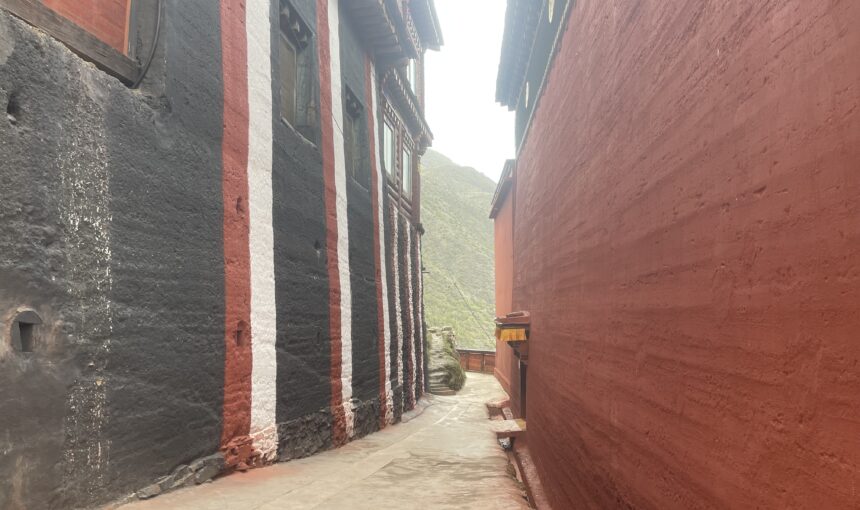
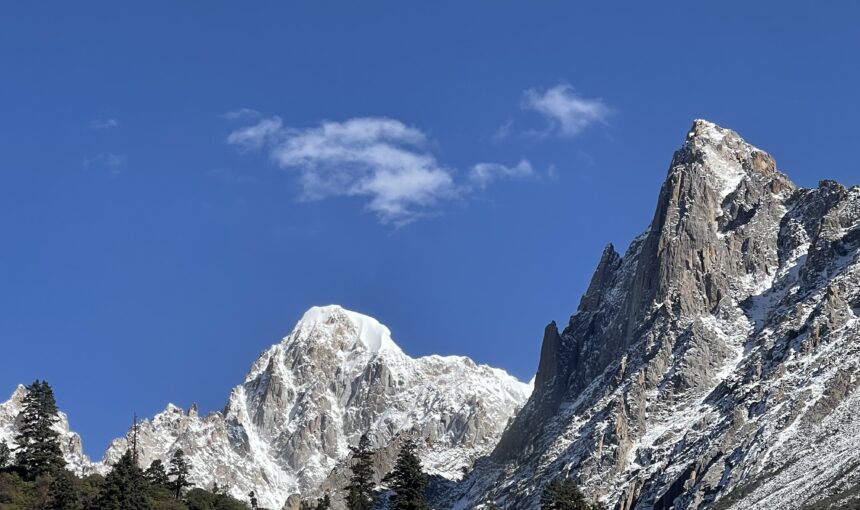
Dzongsar Monastery and Dopu Valley sit in the remote Kham region of Sichuan. The ancient monastery thrives as a major Buddhist learning centre, while the nearby Dopu Valley features stunning unspoiled landscapes, clear streams and towering snow mountains. Easy hiking trails wind through the valley. With elevations between 3500m and 4500m, the area draws visitors for its serene scenery, rich religious heritage and peaceful off-the-beaten-path atmosphere.
Mesho (Dzongsar) Valley: The Heart of Kham’s Traditional Tibetan Handcraft
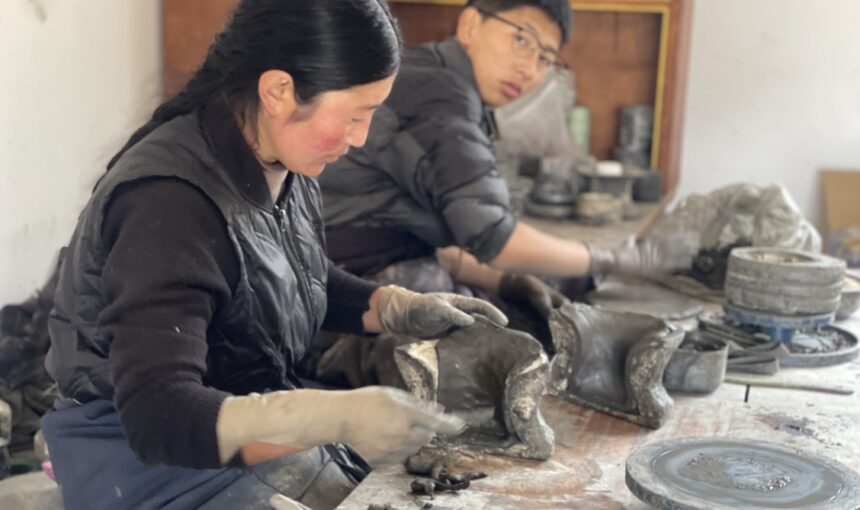
Nestled beneath Dzongsar Monastery’s hilltop spires, Mesho Valley stands as Kham’s revered cradle of living Tibetan handcraft. Home to two thousand hereditary artisans within six thousand residents, it safeguards sixteen ancient crafts from sacred Limar bronze casting and mineral-pigment thangka to black pottery and pastoral yak-weave. Shaped by centuries of Rimé monastic culture, these valley workshops turn mountain earth, minerals and timber into timeless Himalayan folk art.
Dzongsar Monastery (Dzongsar Gompa, Trashi Lhatse) རྫོང་སར་དགོན་པ།
Perched atop a rugged green ridge in remote Menshö Valley of Dege, Dzongsar Monastery is Sakya Kham’s most spiritually influential gompa and the cradle of Tibet’s groundbreaking Rimé non-sectarian movement. Evolving from a 746 AD Bön single-pillar shrine into Pakpa’s 13th-century Sakya foundation, it rose to fame as home of the revered Khyentse Rinpoches, who unified fragmented Tibetan Buddhist lineages. Its tiered red-walled hilltop temples overlook a thriving valley shedra, making it a quiet beacon of cross-sect Tibetan faith.