Overview
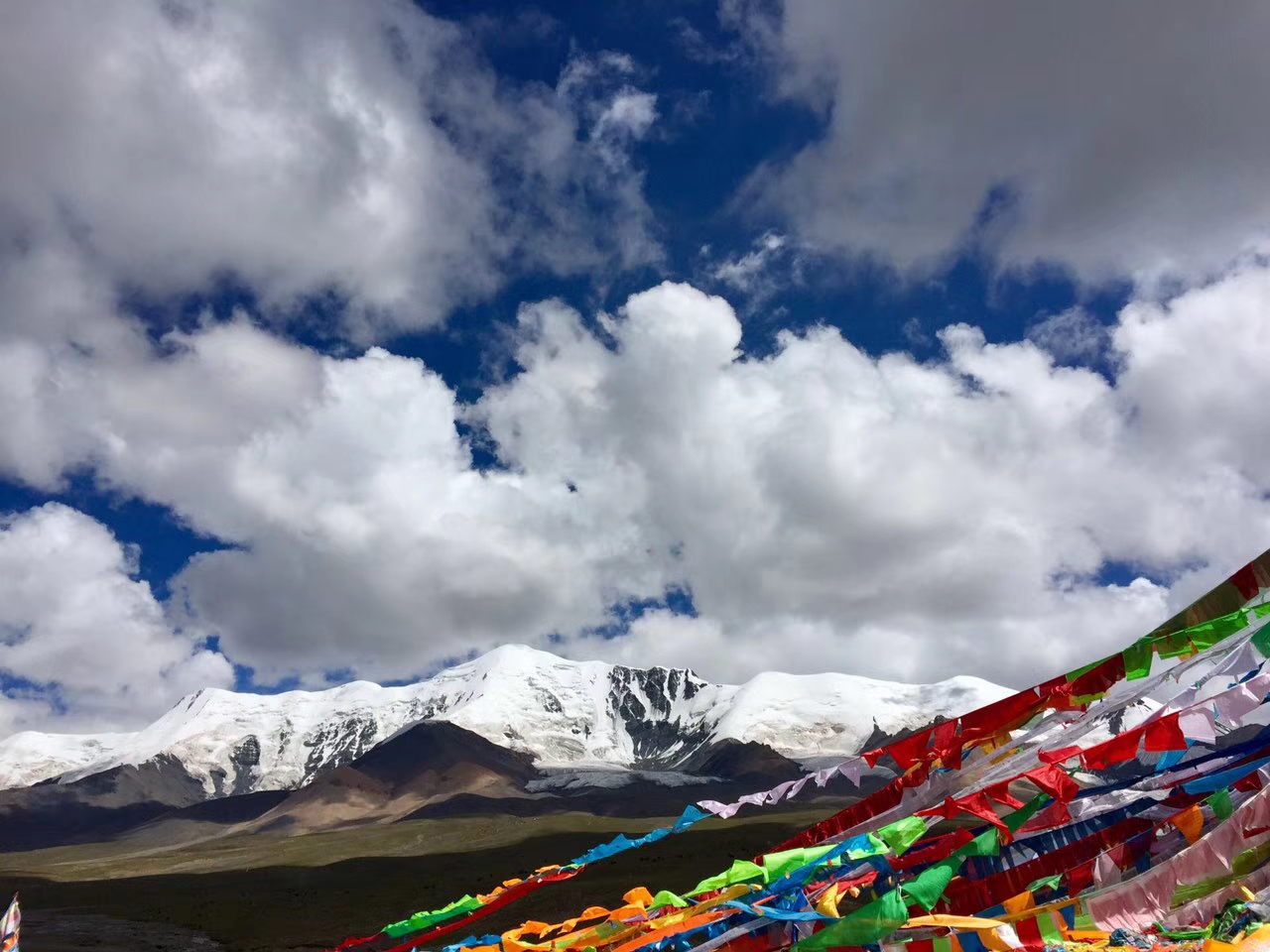
Amnye Machen (also spelled Anyi Machen, Amne Machin) is a legendary sacred mountain range in Golog Tibetan Autonomous Prefecture, Qinghai Province, lying on the eastern edge of the Qinghai-Tibet Plateau. Revered as one of the Four Great Sacred Mountains of Tibetan Buddhism and a paramount protector deity in Amdo Tibetan culture, it combines towering snow peaks, vast alpine grasslands, profound religious traditions and pristine wilderness.
Geography & Location
Location: Mainly in Maqên County, Golog, Qinghai, around 140 km northwest of Dawu Town.
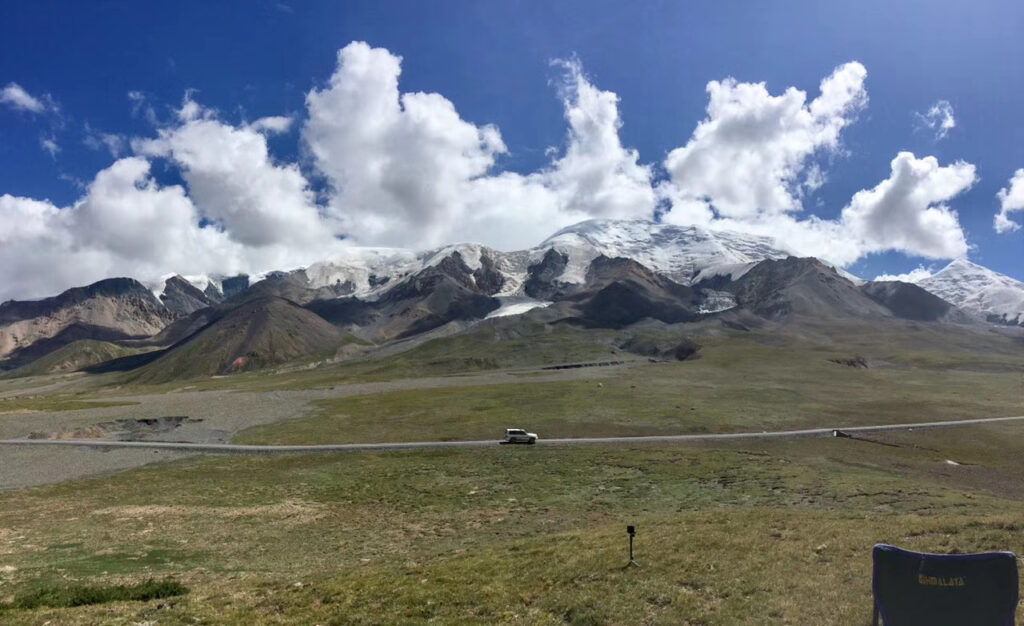
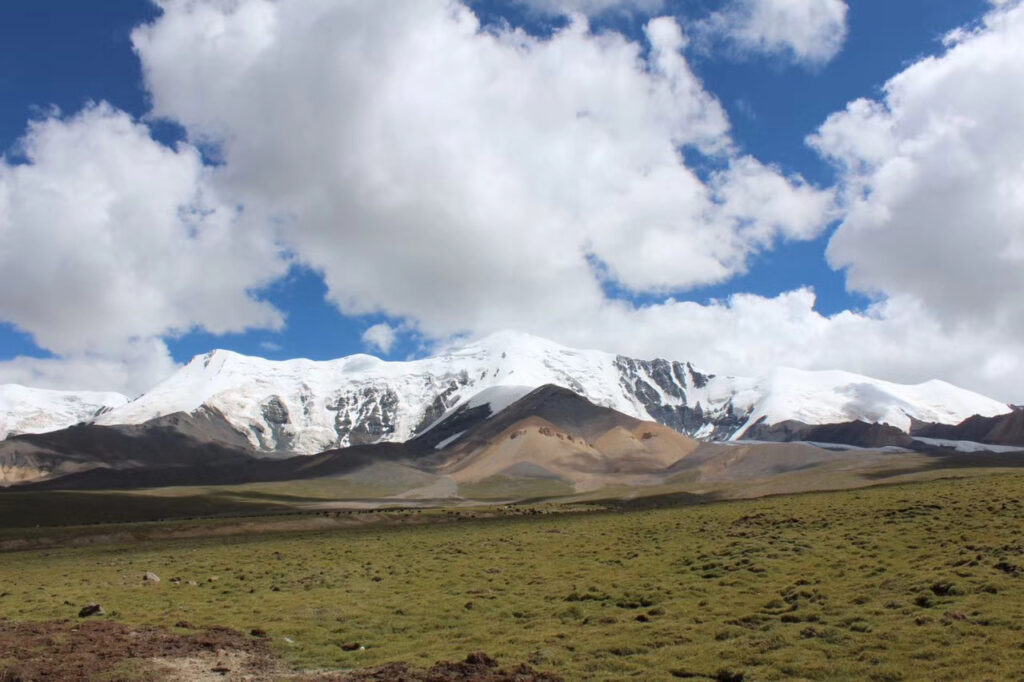
Peak & Elevation: The main summit stands at 6,282 metres. The entire range stretches over 200 kilometres, with dozens of snow-capped peaks, glaciers and alpine lakes.
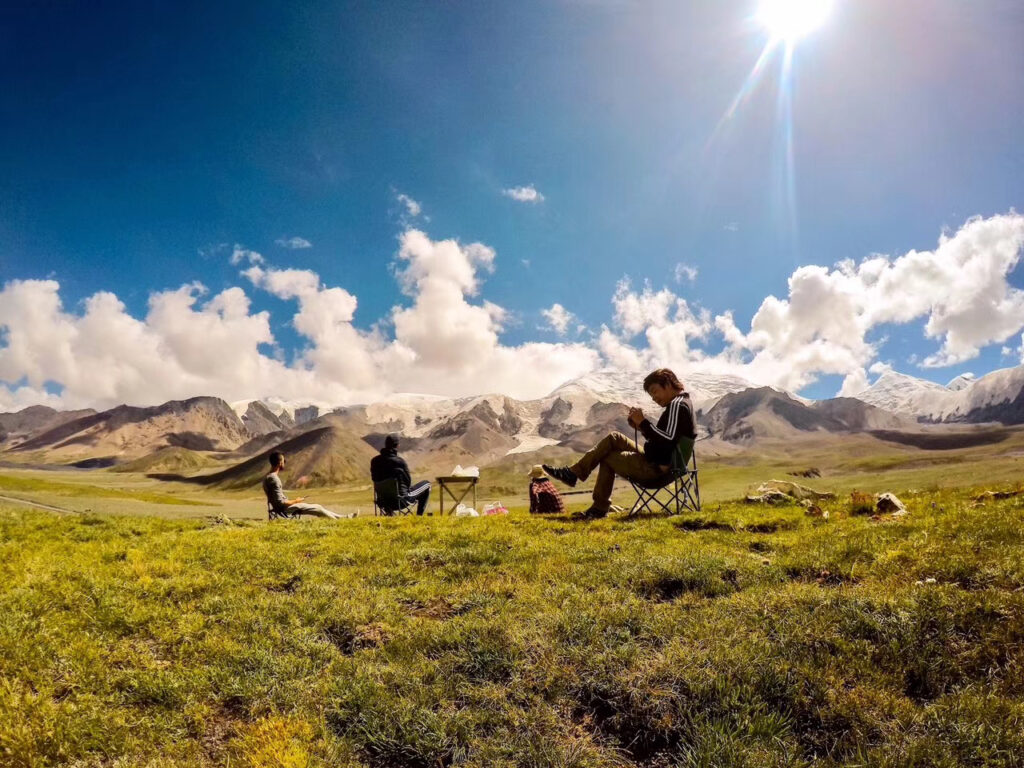
Terrain: Dominated by permanent glaciers, high-altitude meadows, rocky gorges and clear glacial rivers. Elevation across the area ranges from 3,800 m to over 6,200 m.
Access Route: Xining → Guoluo (Dawu) → Maqên County → Amnye Machen Scenic Area. Paved mountain roads reach major viewing spots and pilgrimage routes.
Religious & Cultural Significance
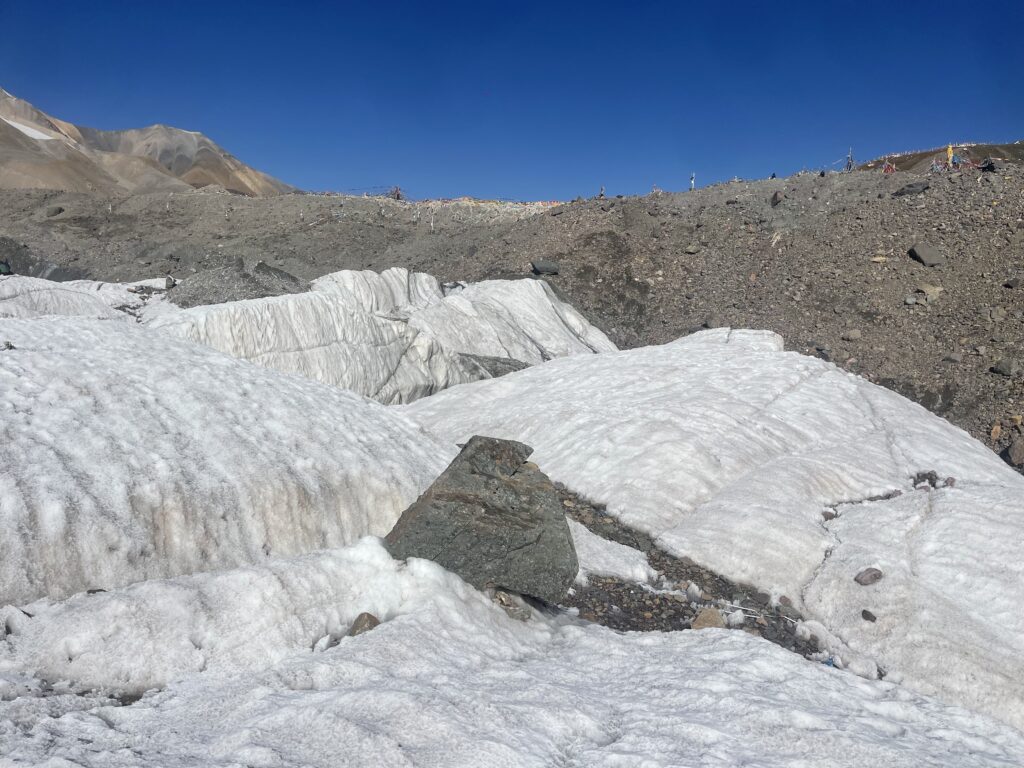
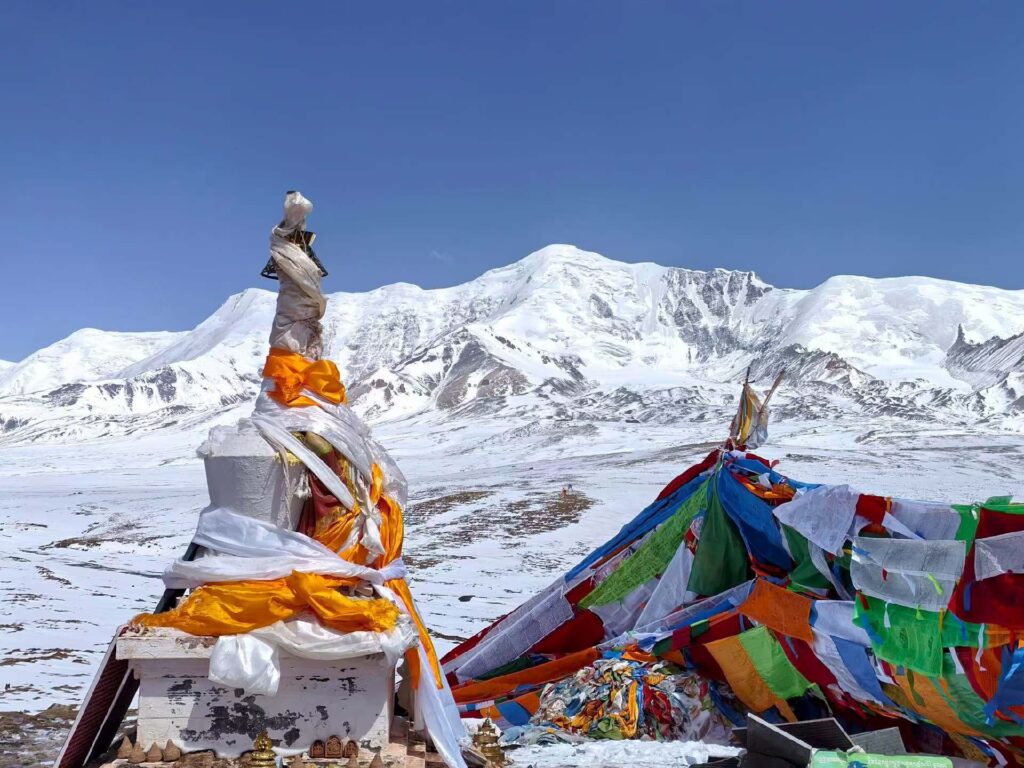
Sacred Status: For Amdo Tibetans, Amnye Machen is the incarnation of a powerful mountain god and the patron deity of local people. It ranks alongside Mount Everest, Mount Kailash and Mount Minya Konka in Tibetan spiritual beliefs.
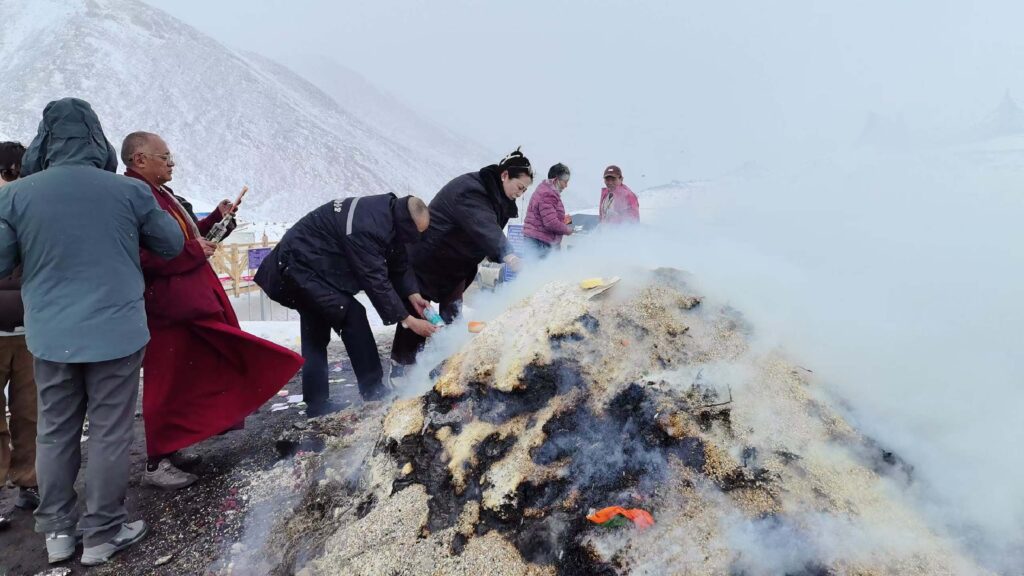
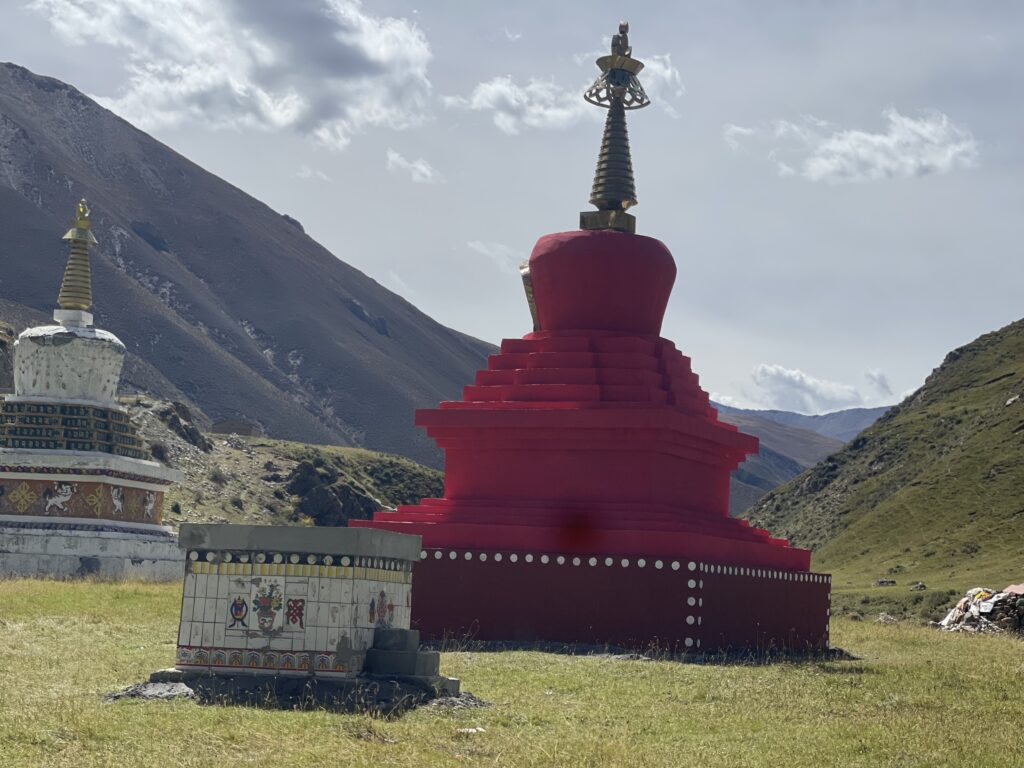
Pilgrimage: Circumambulating the mountain is a vital spiritual practice. The full kora (pilgrimage circuit) is roughly 120 km long, undertaken by devout pilgrims on foot or by vehicle.
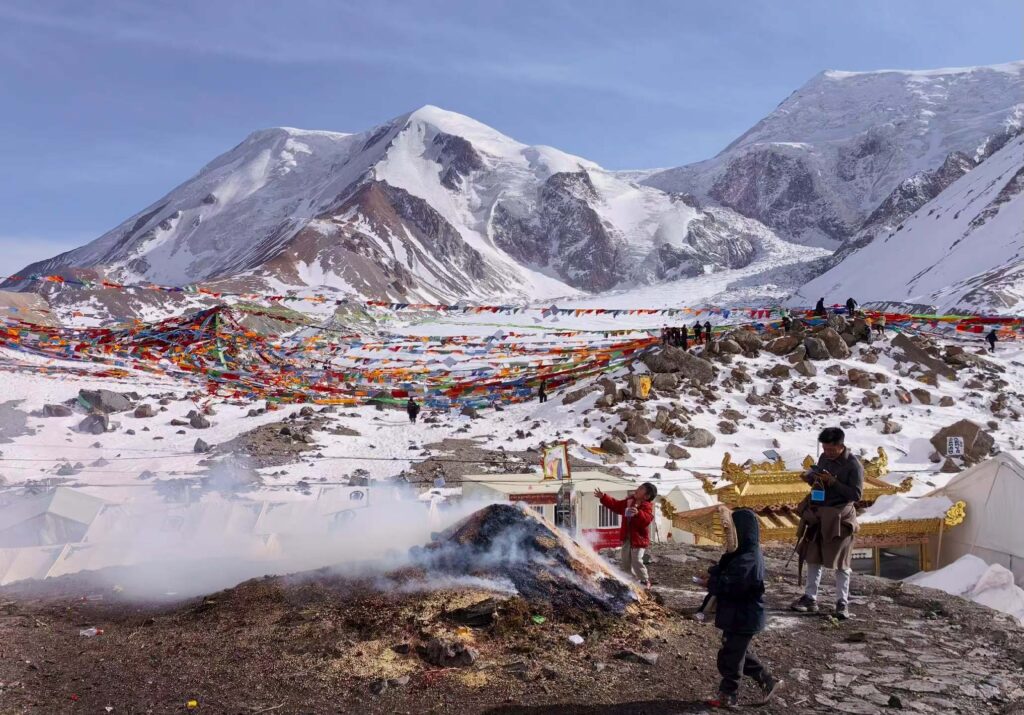
Local Legends: Rich oral tales tell of the mountain deity’s heroic deeds and blessings. Nomadic communities hold annual rituals, incense offerings and ceremonial gatherings to honour Amnye Machen.
Ethnic Features: The surrounding areas are home to traditional Amdo Tibetan nomads, who retain ancient lifestyles of yak and sheep herding, distinctive costumes and folk customs.
Natural Landscape & Wildlife
Glaciers & Lakes: Large modern glaciers cover the upper slopes, feeding crystal-clear alpine lakes and mountain streams. The blue glacial lakes mirror snow peaks, creating breathtaking scenery.
Vegetation: Wide grasslands carpet the foothills, bursting with wild flowers in summer. Sparse alpine shrubs grow at higher altitudes.
Wildlife: The well-preserved ecosystem shelters rare plateau species, including Tibetan wild ass, Tibetan antelope, blue sheep, snow leopard, black-necked crane and various birds of prey.
Activities
Sightseeing & Photography: Multiple viewpoints offer panoramic views of the main snow peak, ideal for landscape and sunrise/sunset shooting.
Pilgrimage Circuit: Two options — short vehicle kora for casual visitors, and multi-day foot kora for pilgrims and experienced hikers.
Nomad Culture Experience: Visit nearby Tibetan nomad camps to taste traditional food, experience yak herding and local folk life.
Trekking: Moderate to high-altitude trekking routes along the mountain’s foothills, suitable for outdoor enthusiasts.
Practical Travel Tips
Best Visiting Time: June to early August (lush grasslands and wild blooms); September to October (crisp air and vivid mountain colours).
Altitude Sickness: Most areas sit above 4,000 m. Arrange proper acclimatization, keep warm and drink enough water.
Accommodation: Comfortable hotels in Maqên County; basic nomad tents and homestays available near the mountain.
Etiquette: Show respect to local religious traditions. Do not disturb sacred sites, wildlife or nomad settlements. Walk clockwise around all sacred landmarks.
Amnye Machen is a holy snow mountain range in Qinghai’s Golog Prefecture, revered as a top sacred site in Tibetan culture. Its main peak rises to 6,282 m, crowned by permanent glaciers and surrounded by vast alpine grasslands. A major pilgrimage destination, it draws believers for the traditional mountain kora. The remote wilderness hosts rare plateau wildlife and authentic Amdo nomadic life. Blending stunning natural beauty and deep spiritual heritage, it is a classic destination for culture seekers and nature lovers.