Introduction
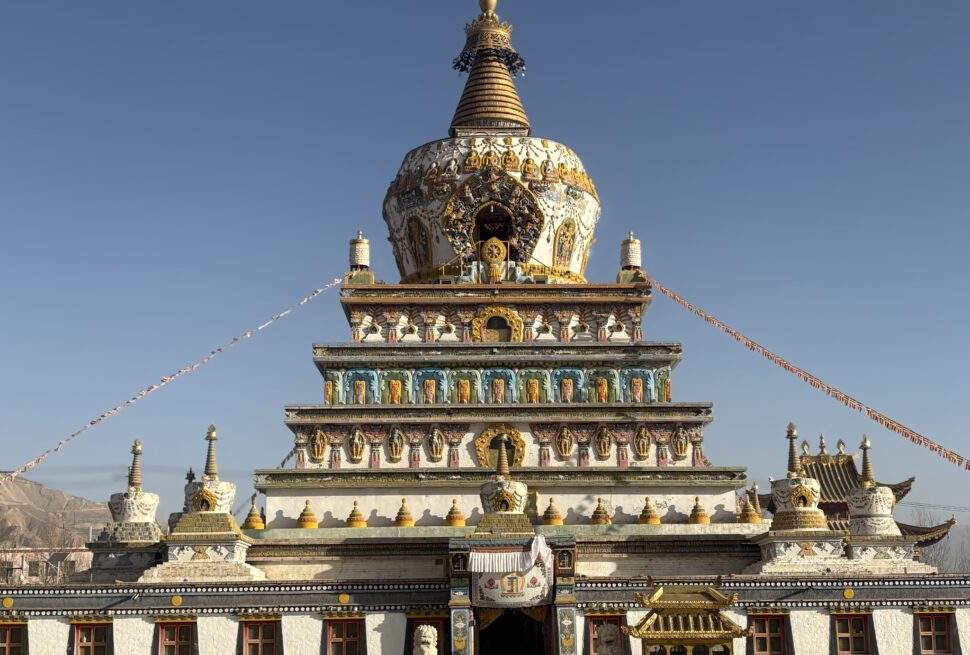
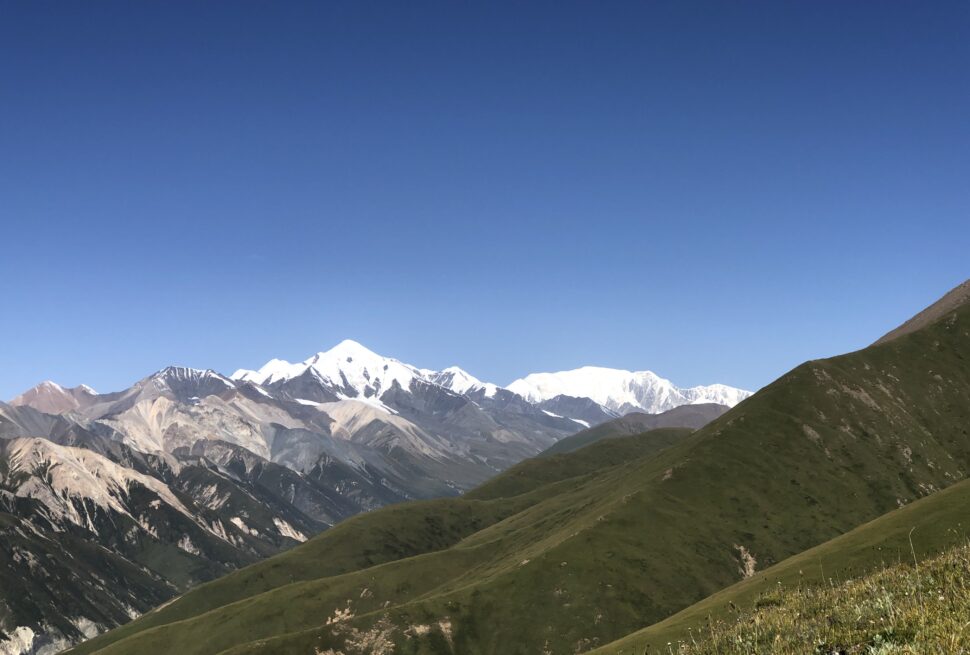
Stretching across three provinces in southwest and northwest China, the Kham region (Eastern Tibet) is a legendary travel destination blending breathtaking alpine landscapes, profound Tibetan Buddhism and the distinctive culture of the Khampa people. Covering Ganzi Tibetan Autonomous Prefecture in Sichuan, Deqin County in northern Yunnan and Yushu Tibetan Autonomous Prefecture in Qinghai, this vast highland area sits on the eastern edge of the Qinghai-Tibet Plateau.
Unlike overly commercialised tourist hotspots, Kham retains raw, authentic charm. It is home to snow-capped holy peaks, ancient glaciers, endless pastoral grasslands, world-famous woodblock printing temples and the largest Buddhist academies on the plateau. As the birthplace of the epic King Gesar and a vital section of the ancient Tea Horse Road, Kham weaves natural beauty and millennia-old history into every mile.
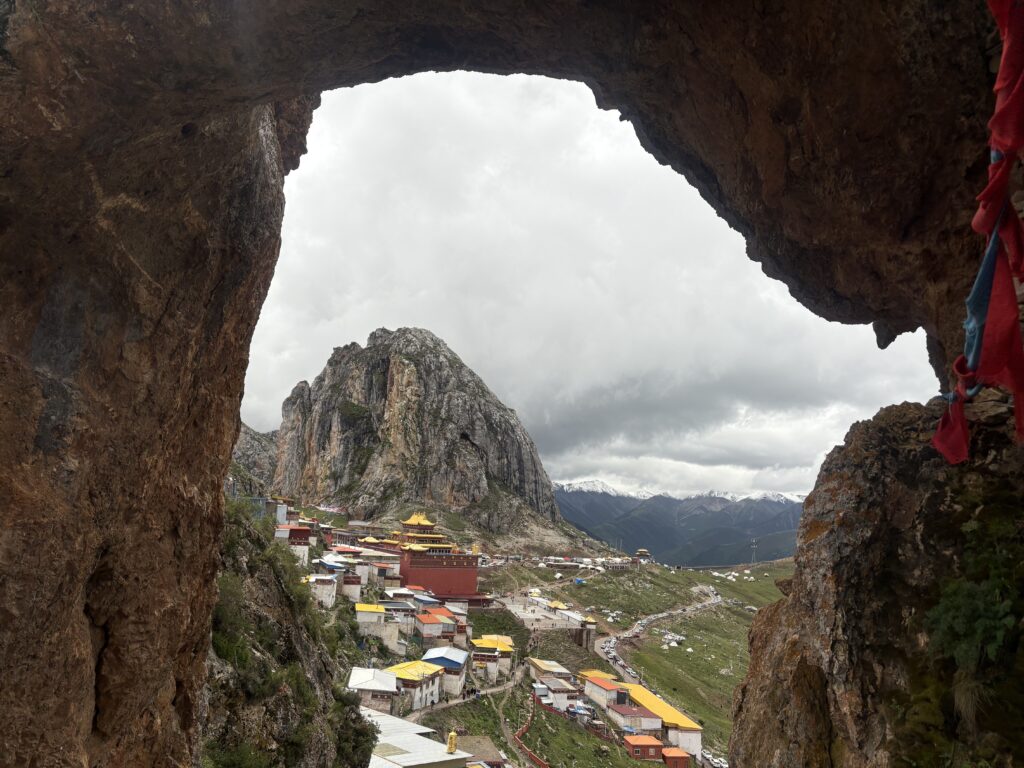
Most areas in Kham do not require special Tibet travel permits, making it far more accessible for international visitors. Whether you are a landscape photographer, cultural explorer, overland road trip lover or spiritual traveller, a journey through Ganzi, Deqin and Yushu will deliver an unforgettable highland adventure.
Best Time to Visit Kham (Ganzi, Deqin & Yushu)
The high altitude brings distinct four seasons, and choosing the right travel window directly shapes your travel experience.
Spring (May – June)
Temperature ranges from 5°C to 18°C across the region. Days are mild, nights stay cool, and rainfall is minimal. Alpine meadows are covered with blooming wild flowers, while snow-capped summits stand crisp and clear against the blue sky. Tourist crowds are thin, and accommodation and tour costs are budget-friendly. This season is ideal for photography, monastery visits and gentle trekking. Remote mountain passes remain open in most areas, ensuring smooth road travel.
Summer (July – August) | Peak Travel Season
Summer brings warmer weather between 10°C and 25°C. The grasslands turn lush green, and valleys are filled with vibrant vegetation. Afternoon light rain is common, but it rarely disrupts outdoor activities. This is the season for grand traditional festivals, most notably the Litang Horse Festival in Ganzi, a grand Khampa cultural carnival featuring horse racing, traditional dancing, costume parades and folk performances. Meili Snow Mountain in Deqin and Daocheng Yading in Ganzi also present their most lively natural scenery. Summer suits family trips, cultural festival tours and grassland sightseeing.
Autumn (September – October) | Golden Photography Season
Widely regarded as the best season for Kham travel, autumn features clear air, bright sunshine and temperatures between 5°C and 20°C. Forests along mountain roads turn golden, orange and crimson, creating layered, dreamlike scenery. The sky is exceptionally transparent, offering unobstructed views of distant snow mountains. Crowds gradually decrease after the summer peak, and road conditions are stable. This is the top choice for landscape photography, long-distance overland road trips and exploring remote ancient monasteries.
Winter (November – March) | Quiet Off-Season
Winter is cold, with temperatures dropping from -15°C to 5°C. The climate is dry and sunny, and the entire region is wrapped in snow. Snow-covered peaks, frozen lakes and quiet monasteries create a serene, pure winter wonderland. However, high mountain passes in Yushu and northern Ganzi may close temporarily due to heavy snow, limiting access to remote areas. We recommend staying in lower-altitude towns such as Kangding, Shangri-La and Yushu City during winter. This season is perfect for travellers who prefer tranquillity, winter landscape photography and in-depth cultural immersion.
Top Attractions Across Three Core Kham Areas
Ganzi Tibetan Autonomous Prefecture (Sichuan Kham)
As the core of Sichuan’s Kham territory, Ganzi boasts diverse landforms and iconic scenic spots, serving as the most popular starting point for Kham tours.
Xinduqiao & Kangding
Known as the Photographer’s Paradise, Xinduqiao features rolling hills, Tibetan villages, poplar forests and distant snow peaks. The golden hour at sunrise and sunset paints the land in soft warm light, attracting photographers from all over the world. Kangding, the gateway city to Ganzi, blends modern life and Tibetan style, and is the perfect stop for altitude acclimatisation before heading to higher areas.
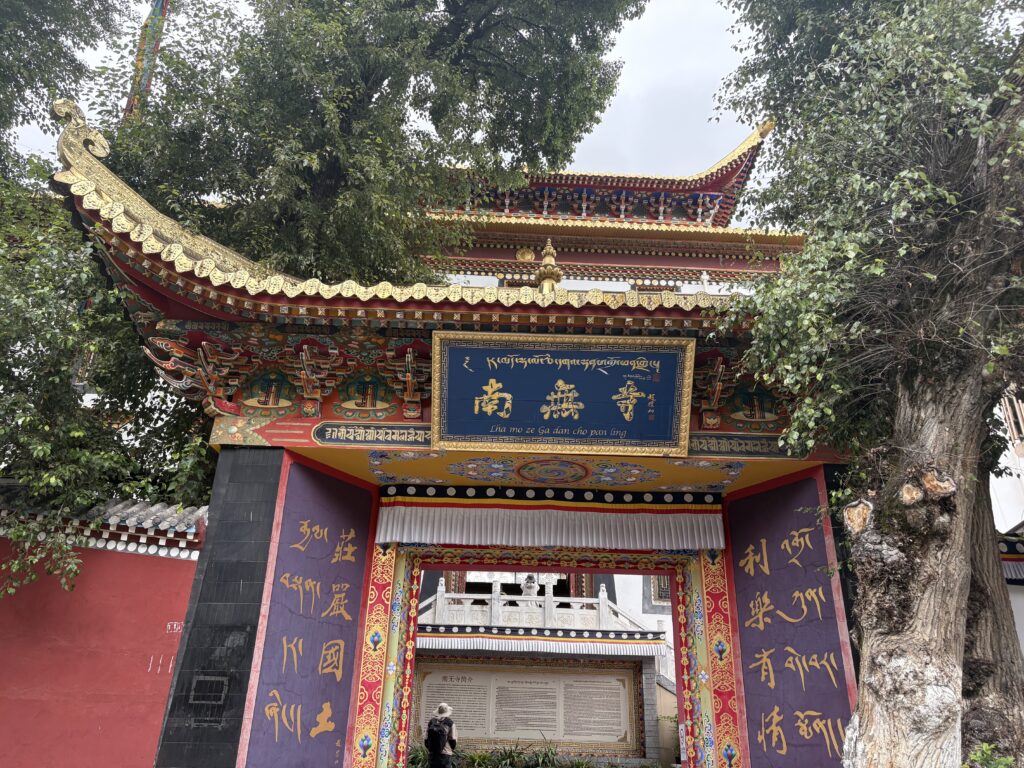
Tagong Grassland & Tagong Monastery
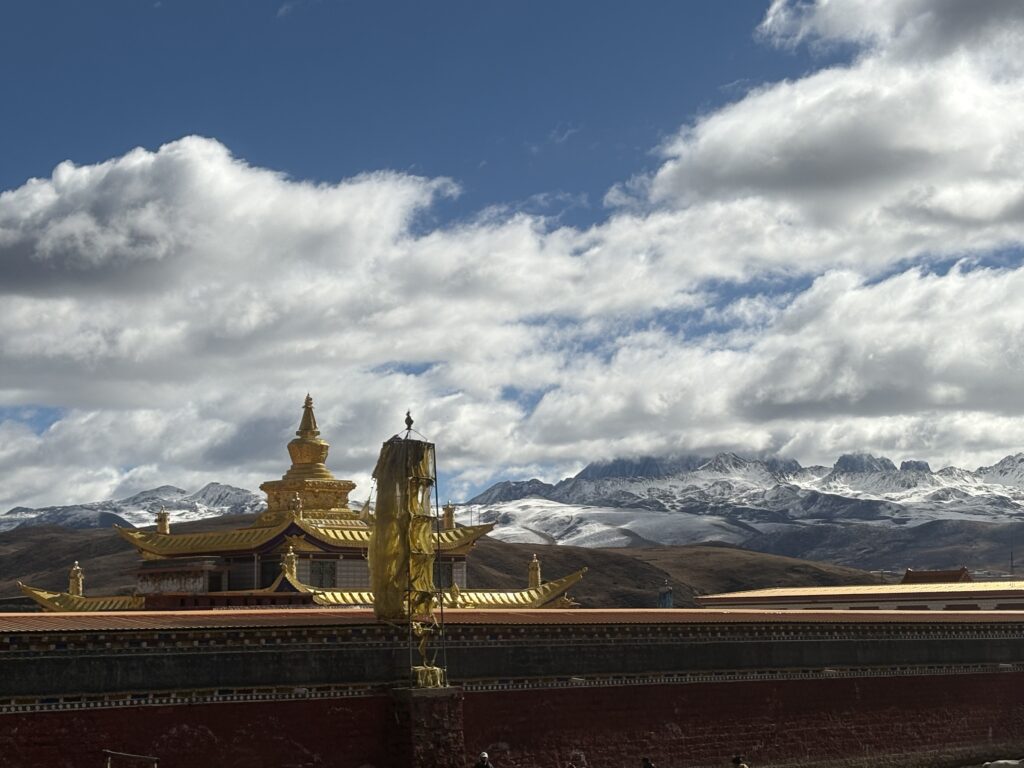
Nicknamed “Little Lhasa” of Sichuan, Tagong is a classic Khampa settlement. The vast grassland is dotted with yaks and nomadic tents. The centuries-old Tagong Monastery stands in the centre, with magnificent golden roofs shining under the sun. Visitors can walk on the grassland, interact with local herdsmen and experience traditional nomadic life.
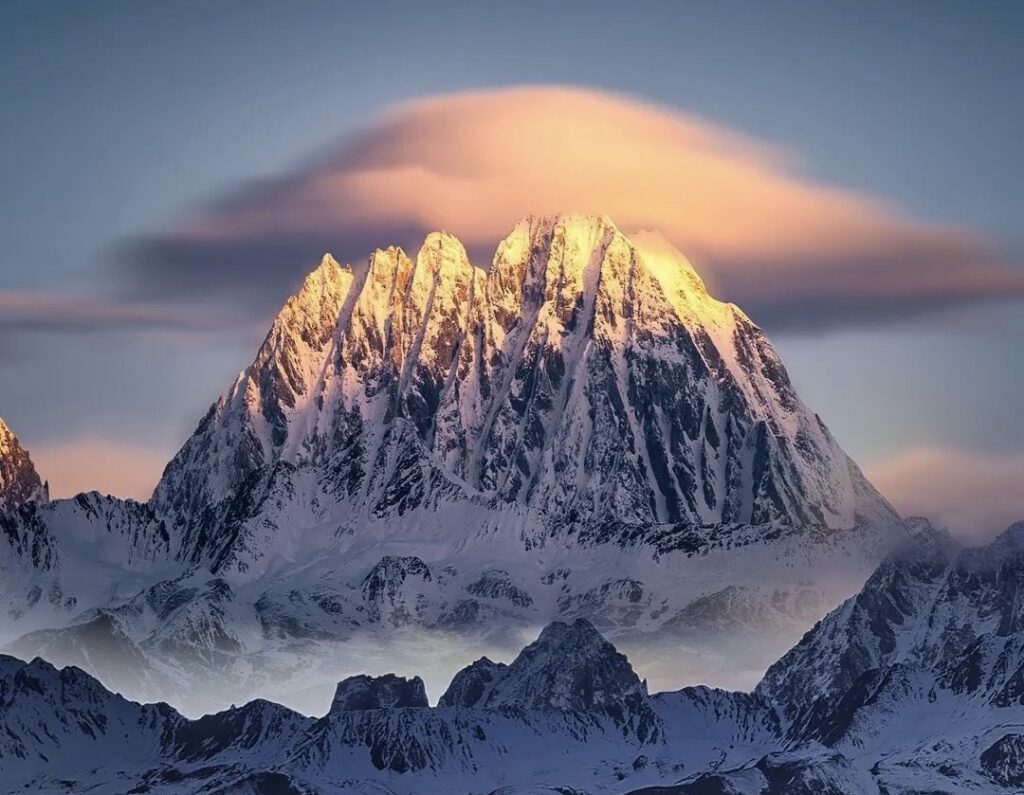
Daocheng Yading Nature Reserve
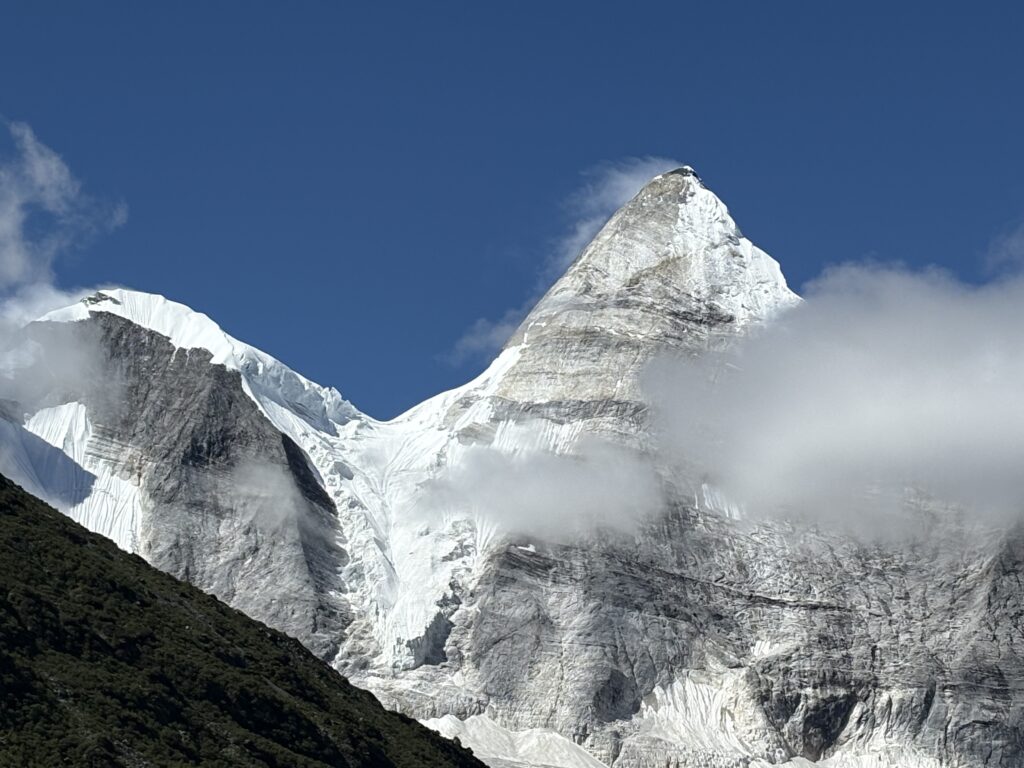
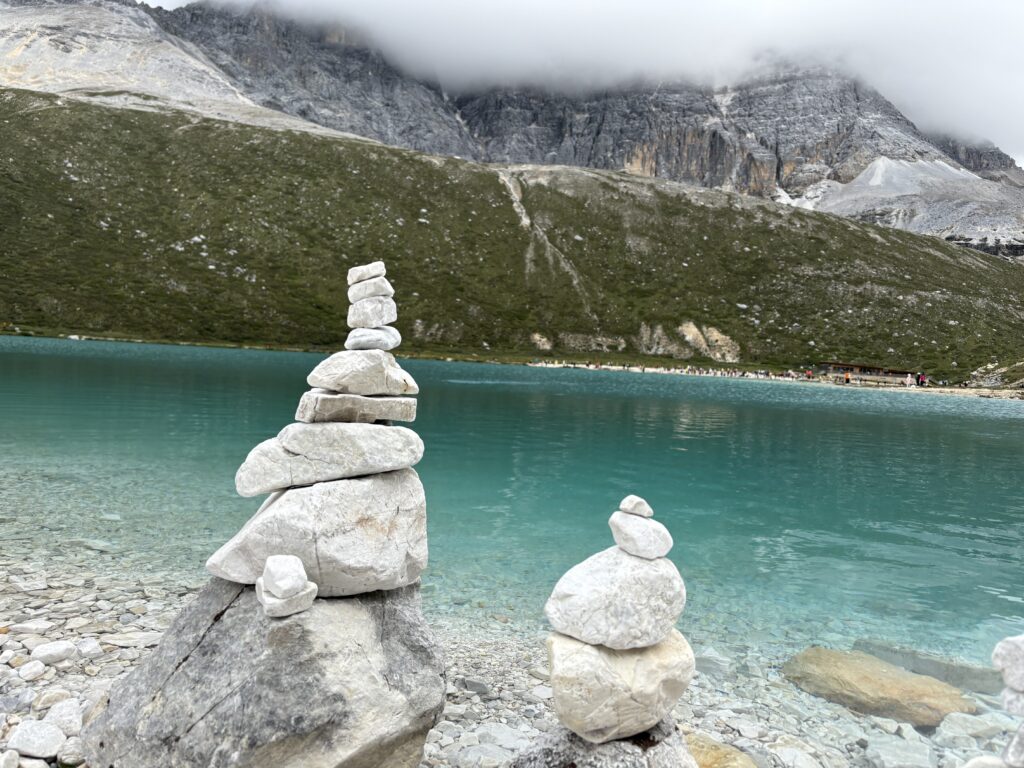
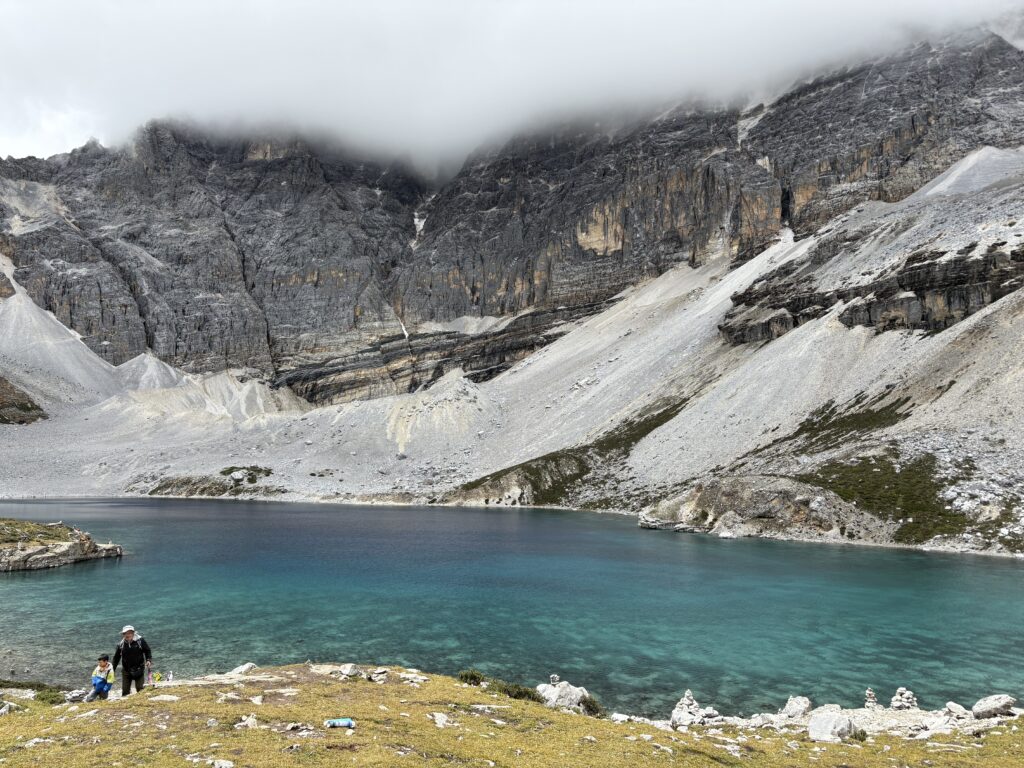
Famous as The Last Pure Land on Earth, Yading is the crown jewel of Ganzi. Three sacred snow peaks — Xiannairi, Yangmaiyong and Shanzhoduoji — tower above alpine meadows and crystal lakes. Milk Lake and Five-Color Lake are must-see highlights, with turquoise water reflecting snow mountains and clouds. Short and medium trekking routes are available for outdoor enthusiasts.
Dege Printing House
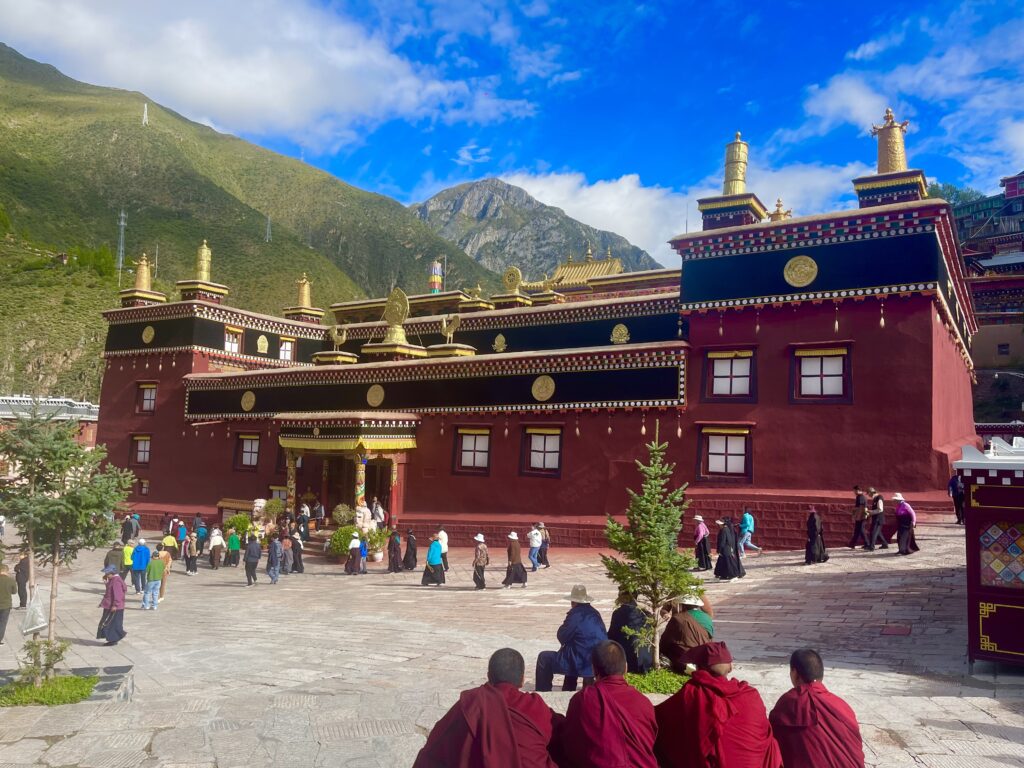
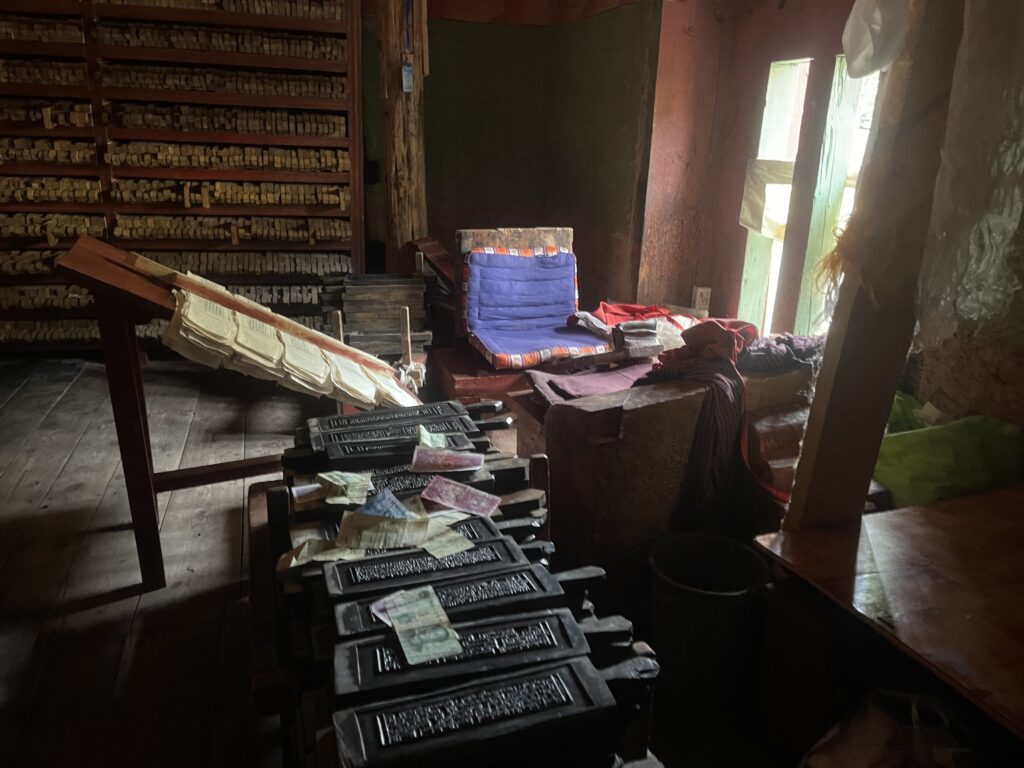
A precious cultural heritage site and one of the world’s most important traditional Tibetan woodblock printing centres. With over 300,000 ancient woodblocks preserved here, it carries the essence of Tibetan classics. Visitors can watch artisans conduct traditional printing work and learn about this intangible cultural heritage.
Larung Gar Buddhist Academy (Sertar) Note: Closed for foreigners.
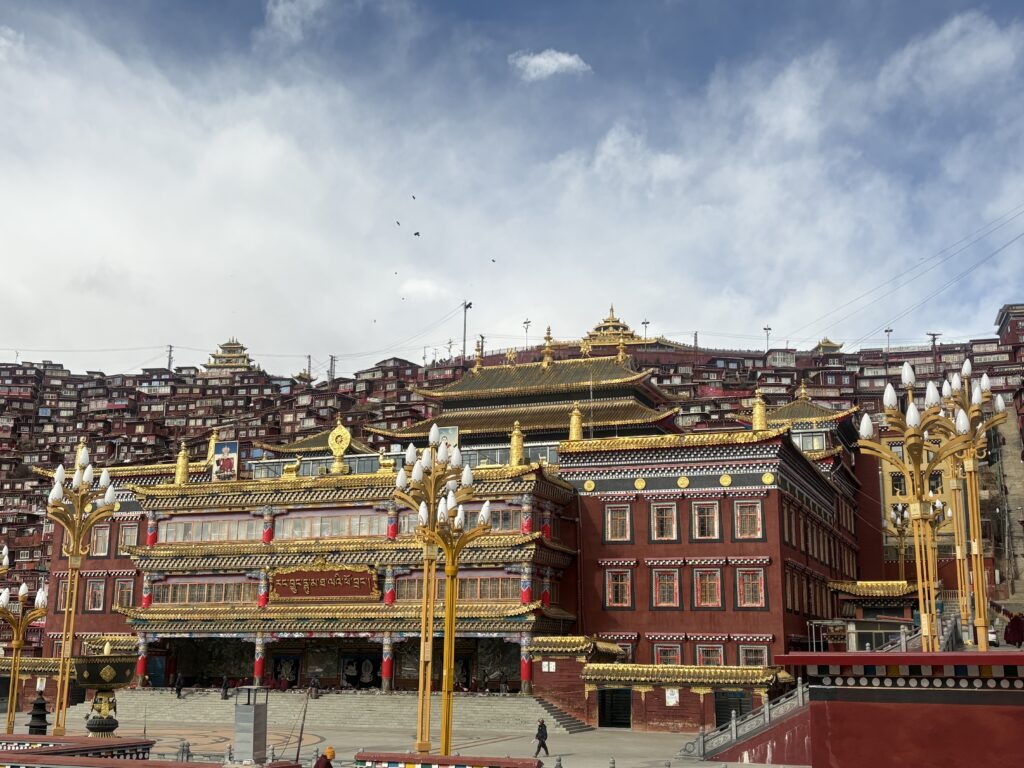
The largest Tibetan Buddhist institute in the world. Countless red wooden houses spread across the mountain slopes, forming a spectacular landscape. It is a sacred place for Buddhist practice, and visitors need to follow strict local etiquette during the visit.
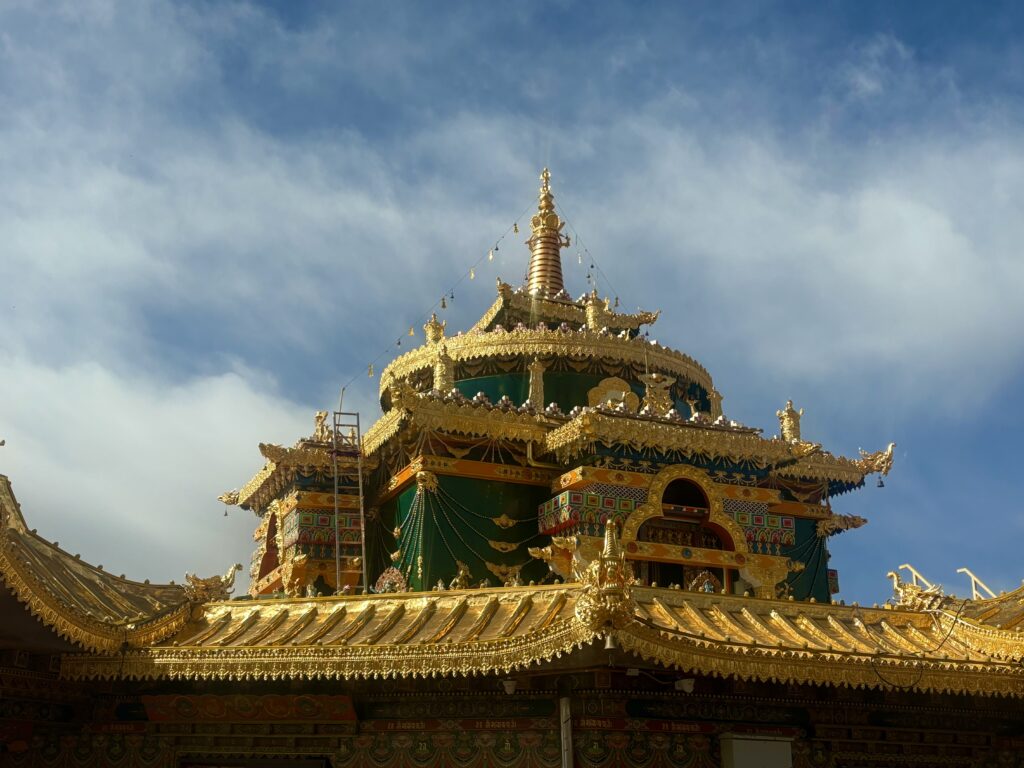
Deqin (Yunnan Kham)
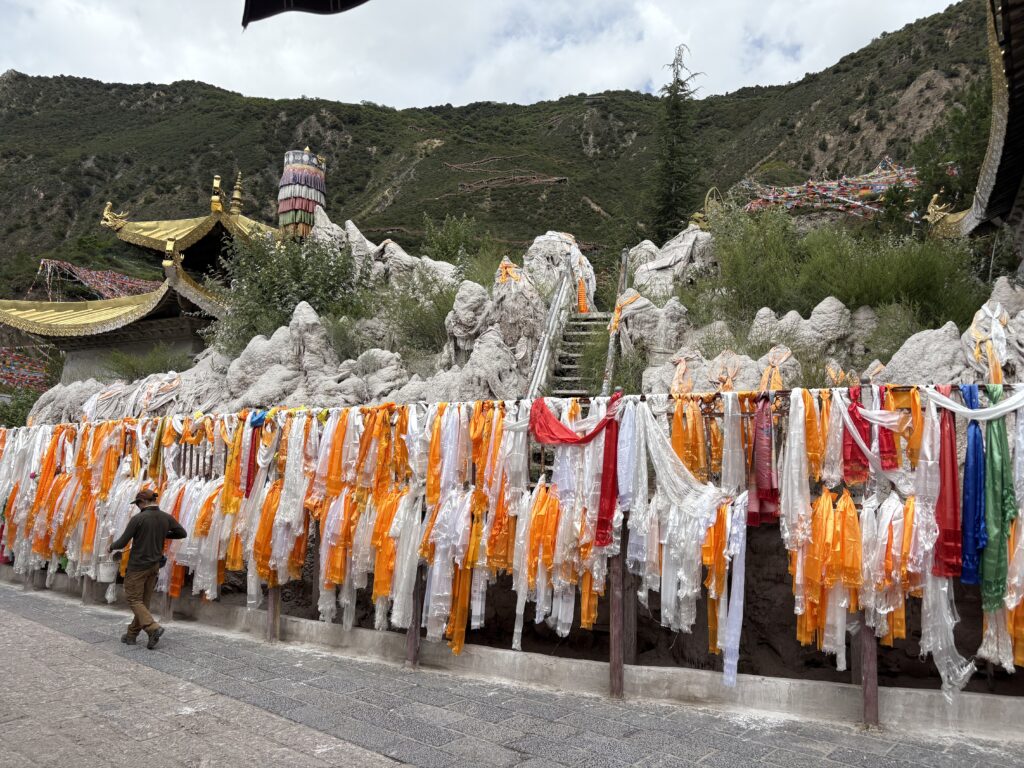
Located in northern Yunnan, Deqin is the southern gateway to Kham, closely linked to the ancient Tea Horse Road and famous for the stunning Meili Snow Mountain range.
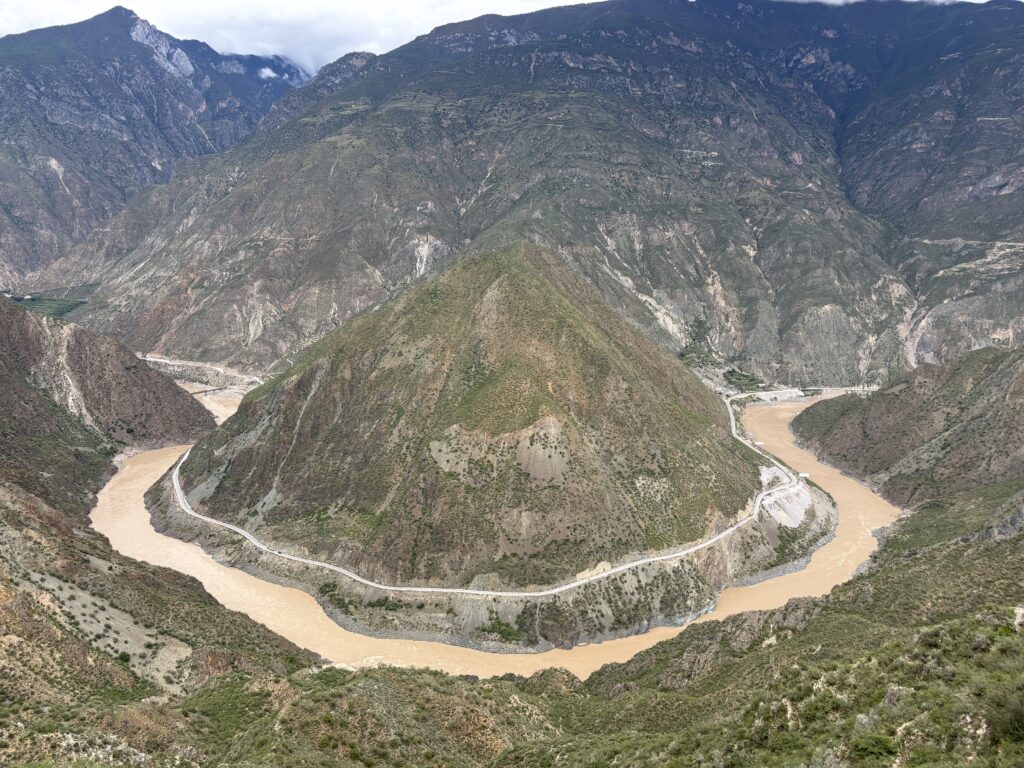
Meili Snow Mountain (Kawa Karpo)
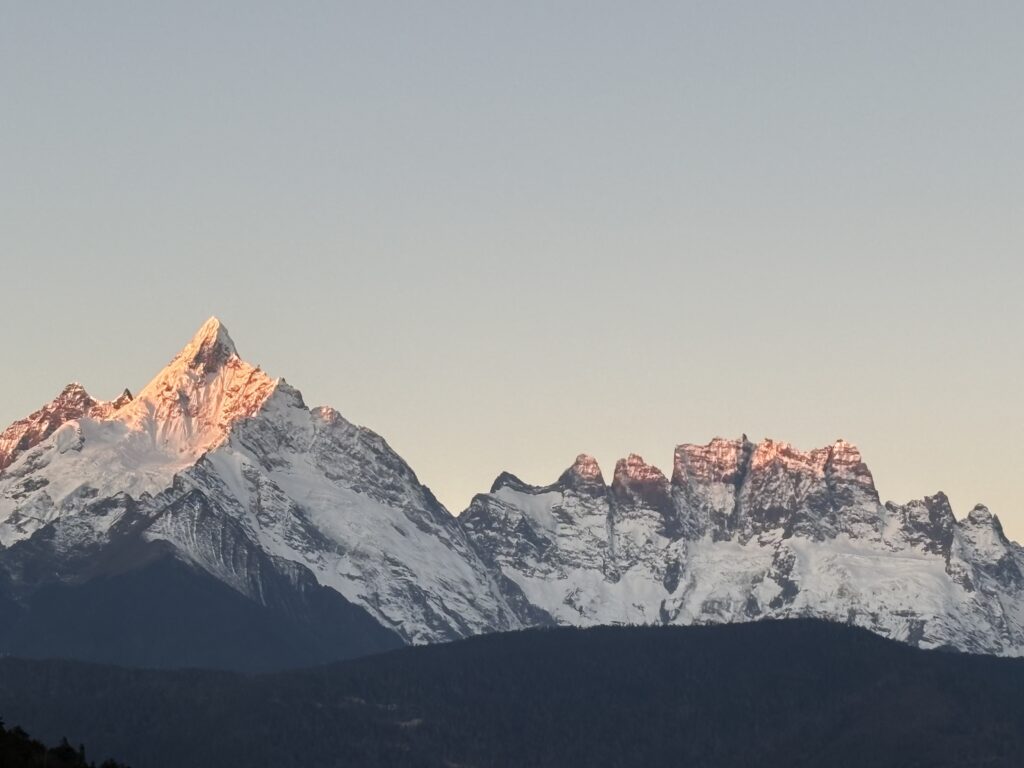
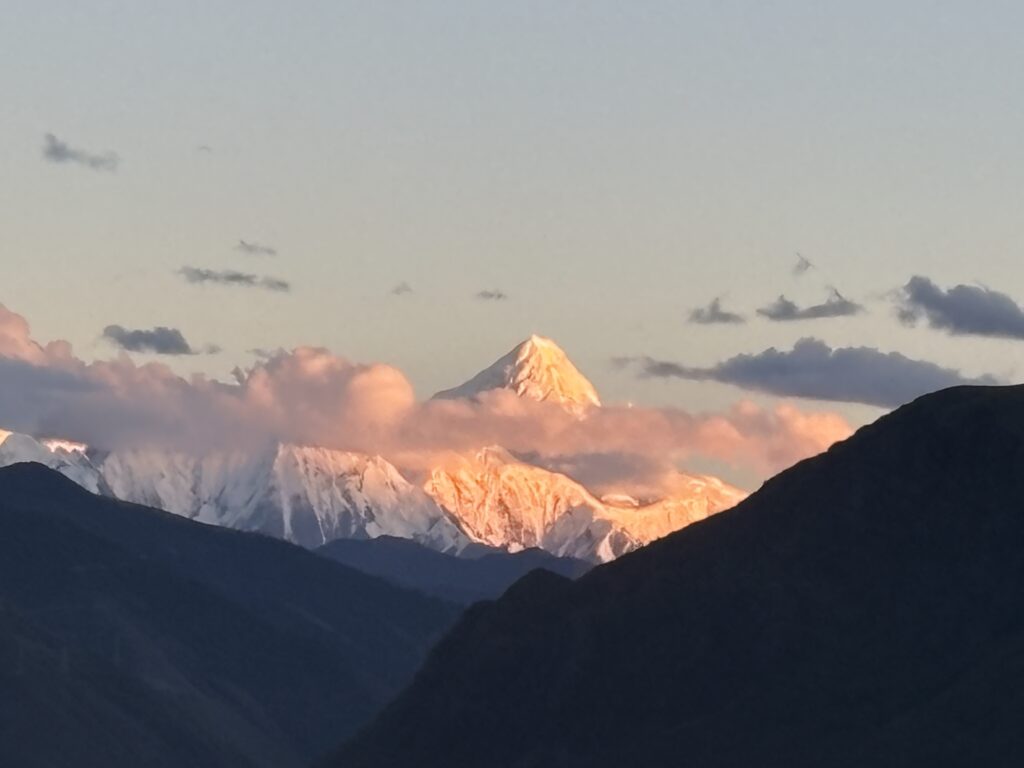
Yunnan’s highest mountain range, and a sacred holy mountain deeply worshipped by local Tibetans. The legendary Golden Sunrise is the most anticipated view: the first sunlight of dawn gilds the snow summits, creating a breathtaking and sacred scene.
Feilai Temple
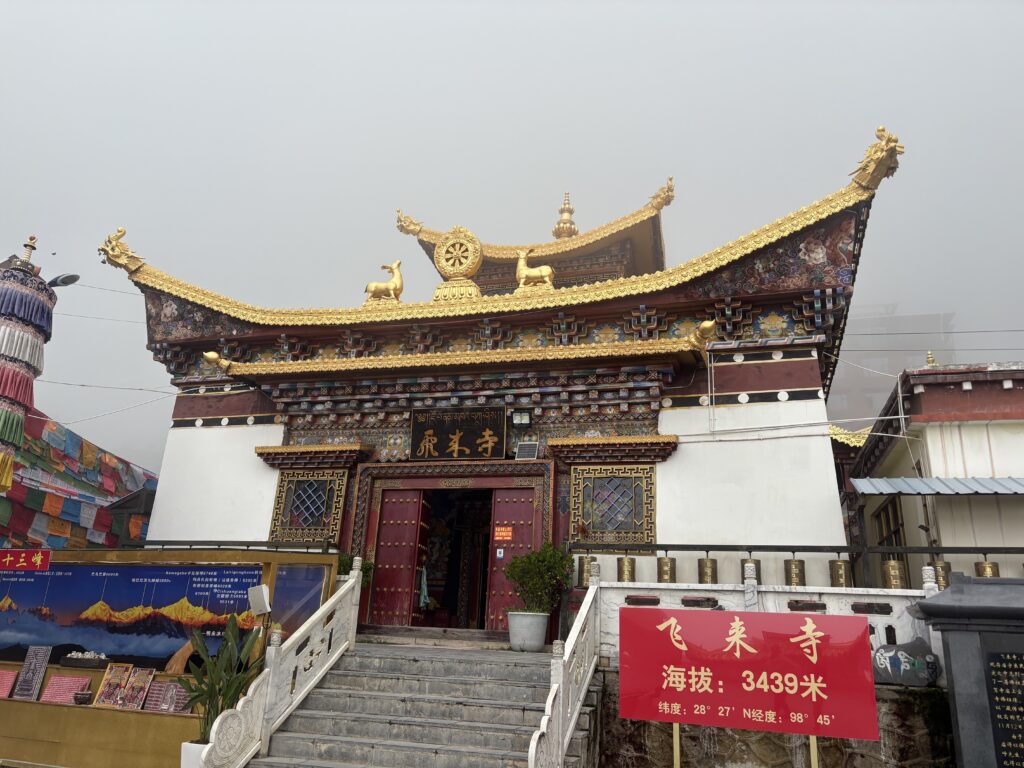
Built on a cliff, Feilai Temple is universally recognised as the best viewing platform for Meili Snow Mountain. Many travellers stay overnight here just to wait for the sunrise over the peaks. The ancient temple architecture blends perfectly with the grand mountain scenery.
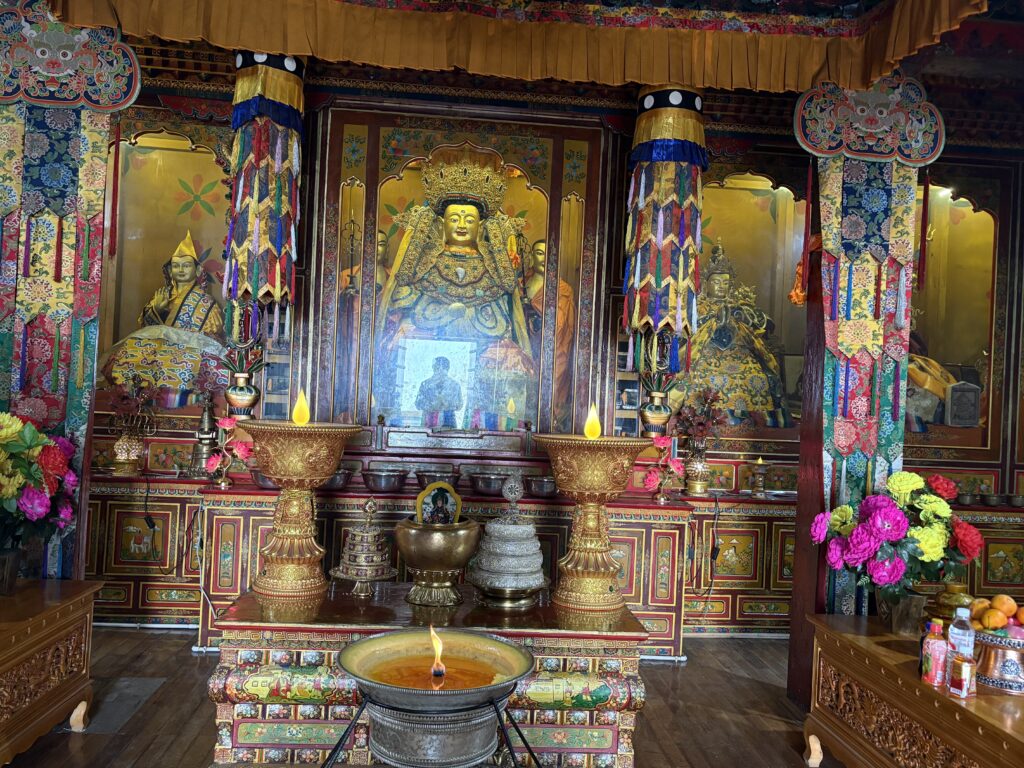
Mingyong Glacier
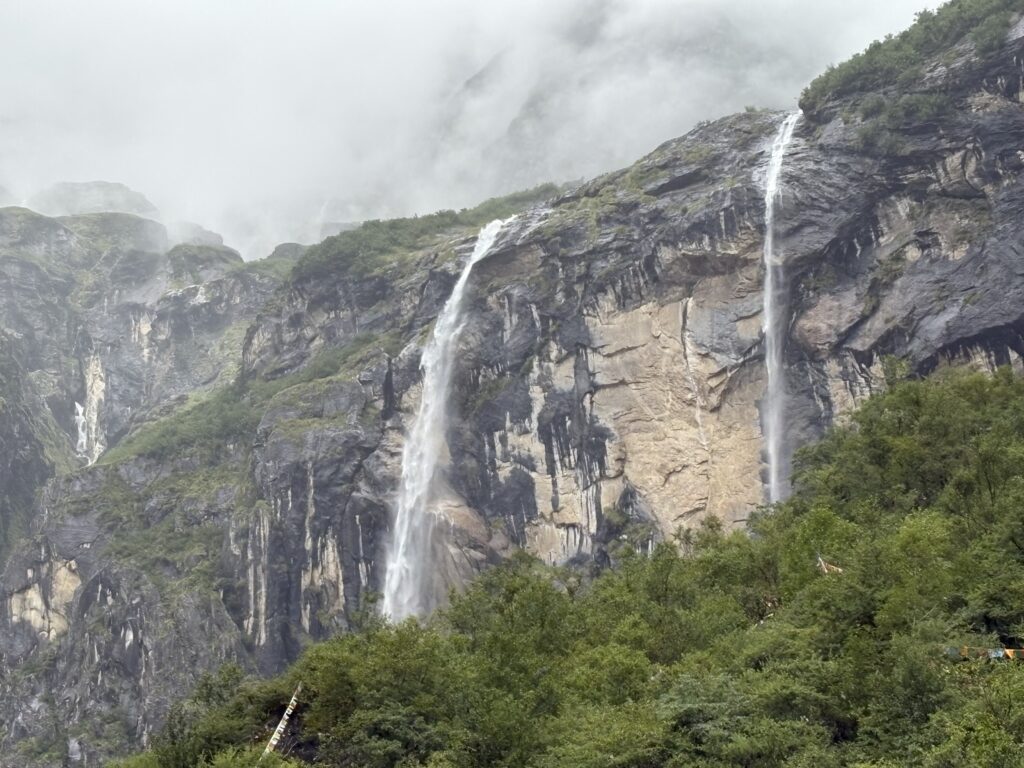
One of the lowest-latitude modern glaciers in the Northern Hemisphere. The glacier flows down from the foot of Meili Snow Mountain, with huge ice bodies winding through valleys. It offers a rare chance to get close to a living glacier.
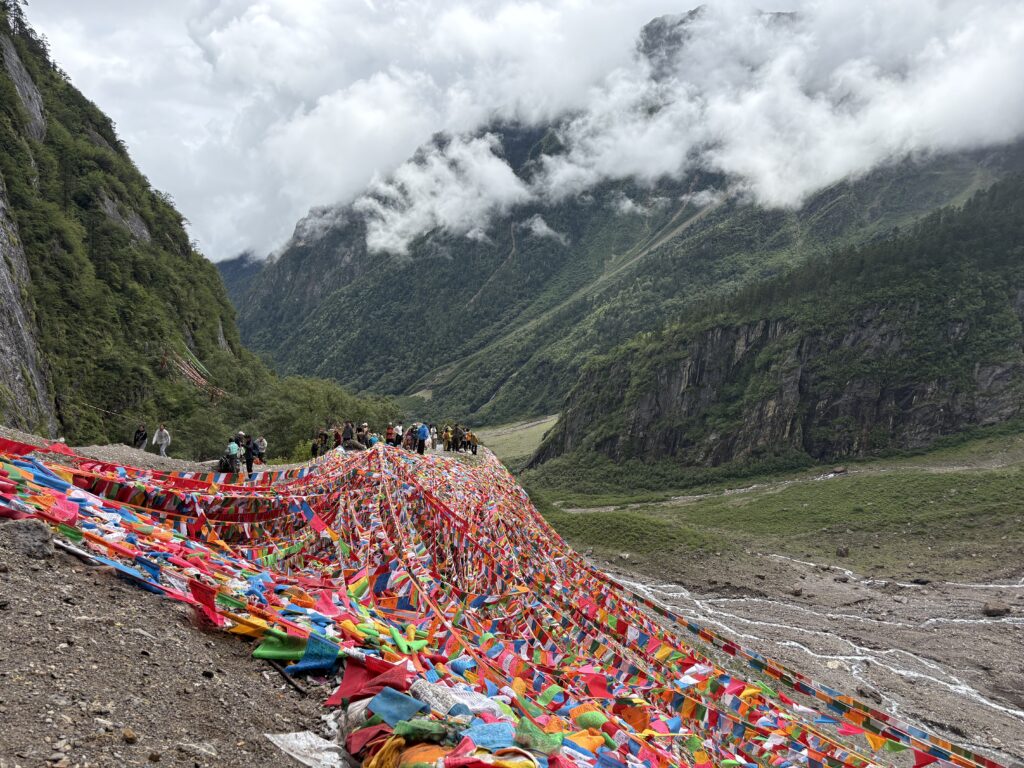
Shangri-La
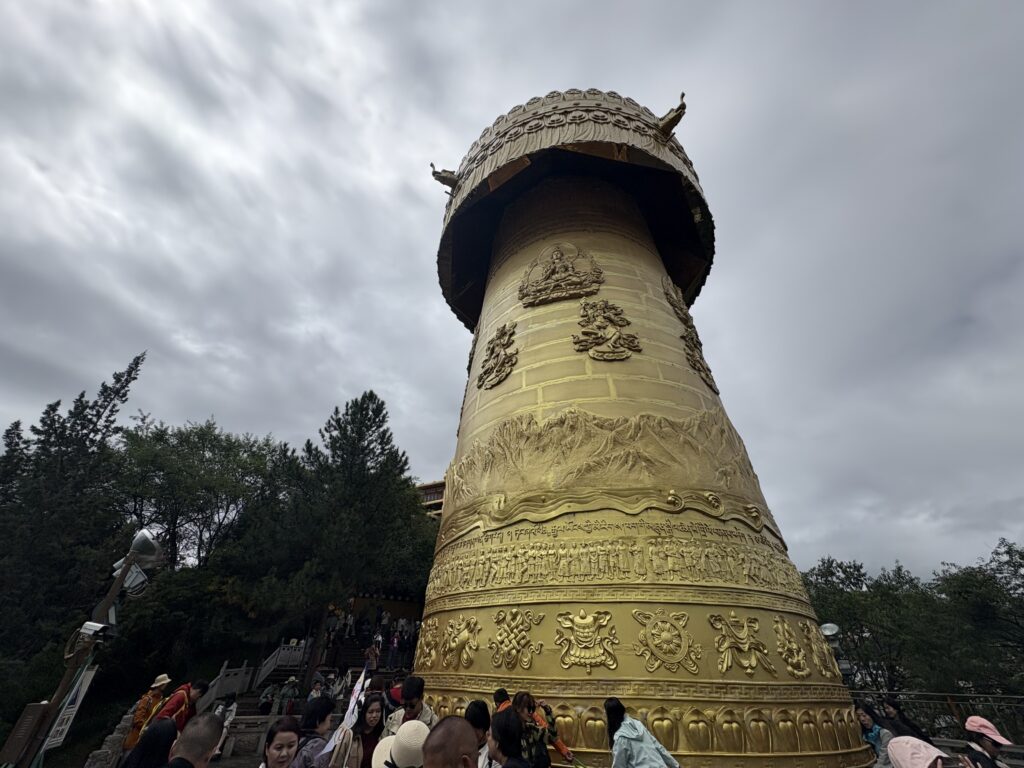
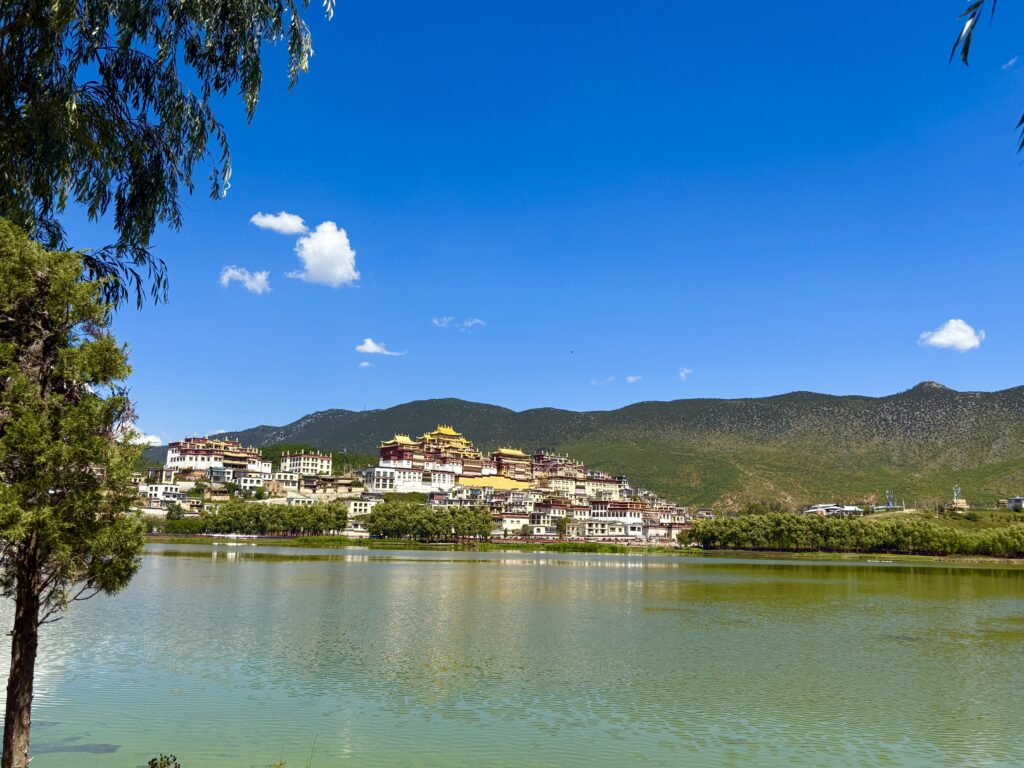
A transit hub for Deqin tours. Songzanlin Monastery, Yunnan’s largest Tibetan monastery, stands on the hillside, known as “Potala Palace of Yunnan”. The ancient Shangri-La Old Town retains the style of the Tea Horse Road towns, with wooden houses, cobblestone streets and quiet alleyways.
Yushu Tibetan Autonomous Prefecture (Qinghai Kham)
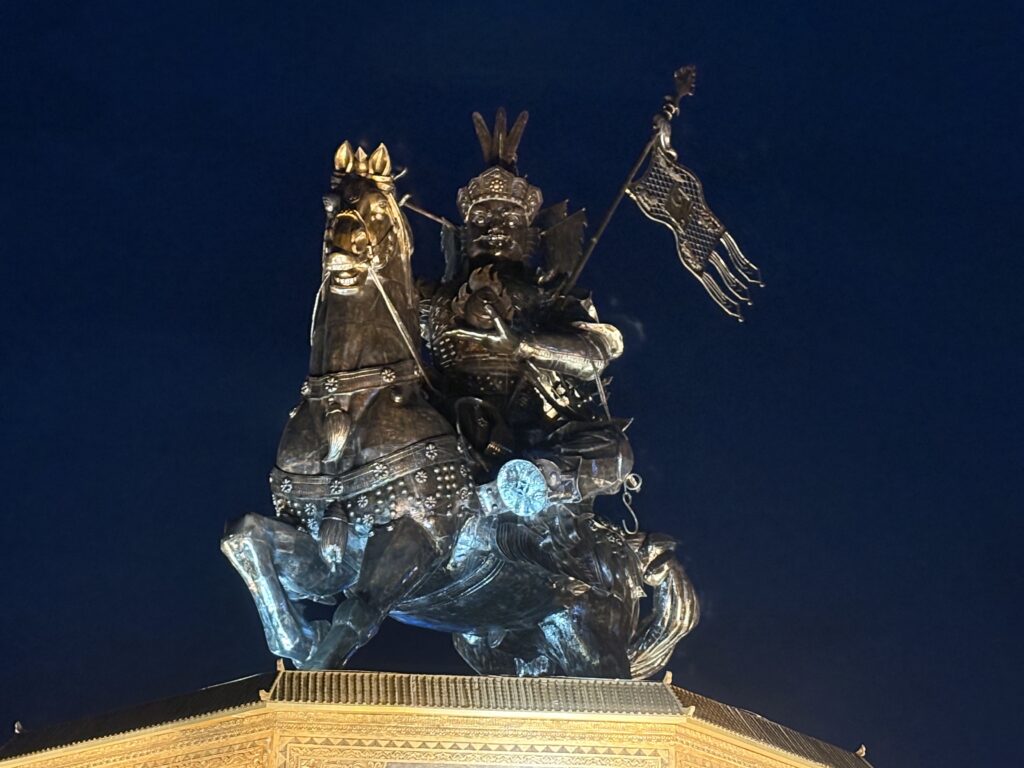
Yushu in southern Qinghai is the northeastern core of Kham, celebrated as the Land of King Gesar, home to grand mani stone sites and the source of major Asian rivers.
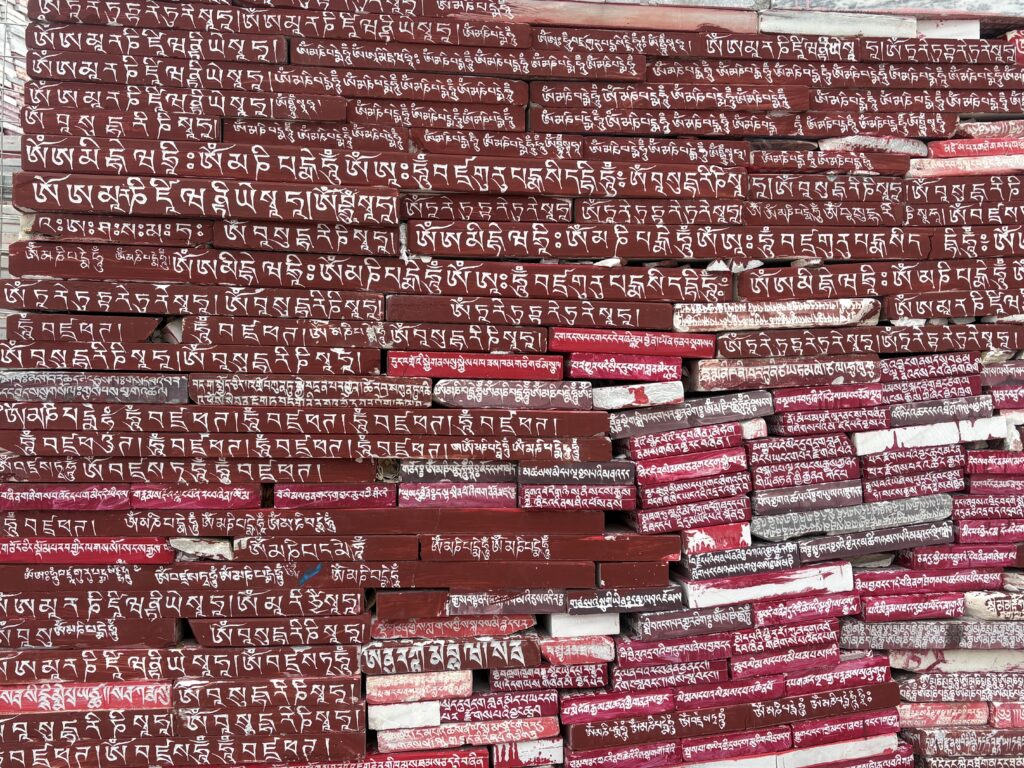
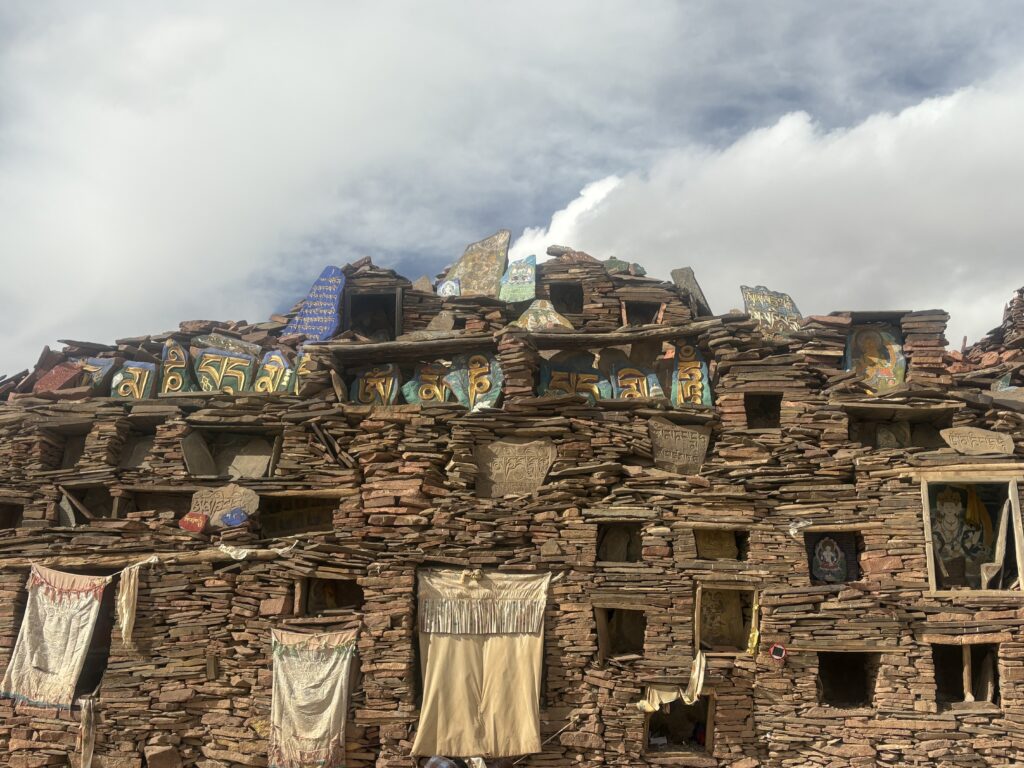
Gyana Mani Stone City
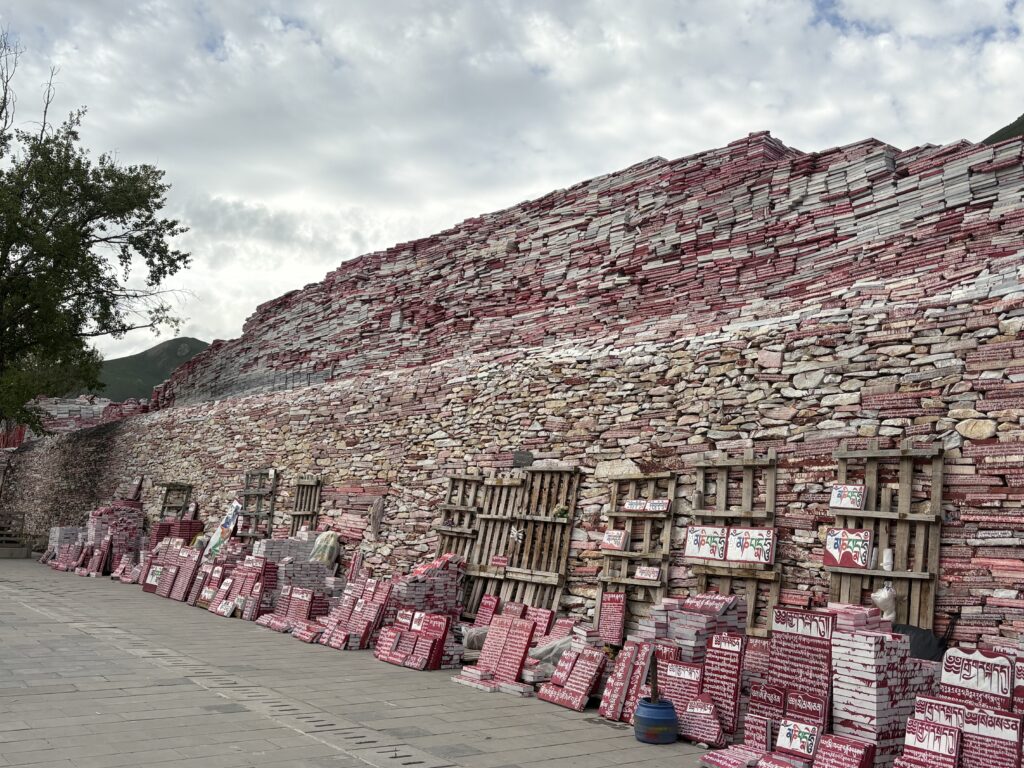
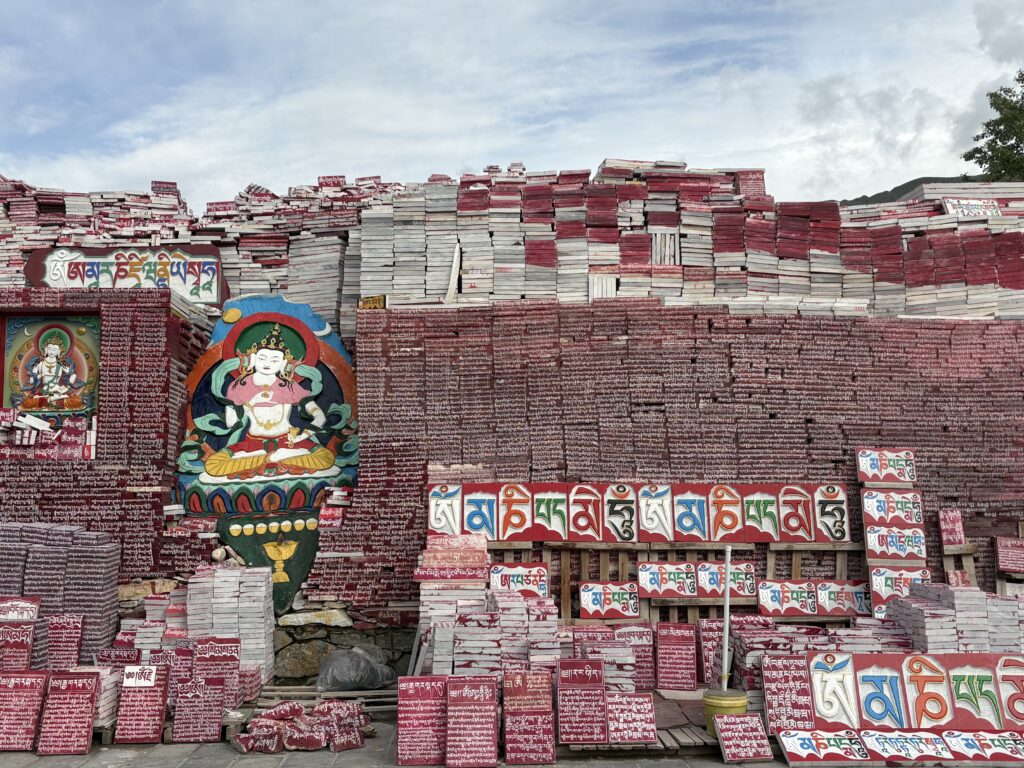
The largest mani stone complex on Earth. More than three billion stone slabs carved with Tibetan mantras and scriptures pile up here, stretching for nearly 2 kilometres. Walking around the stone city following local traditions brings a strong spiritual experience.
Princess Wencheng Temple
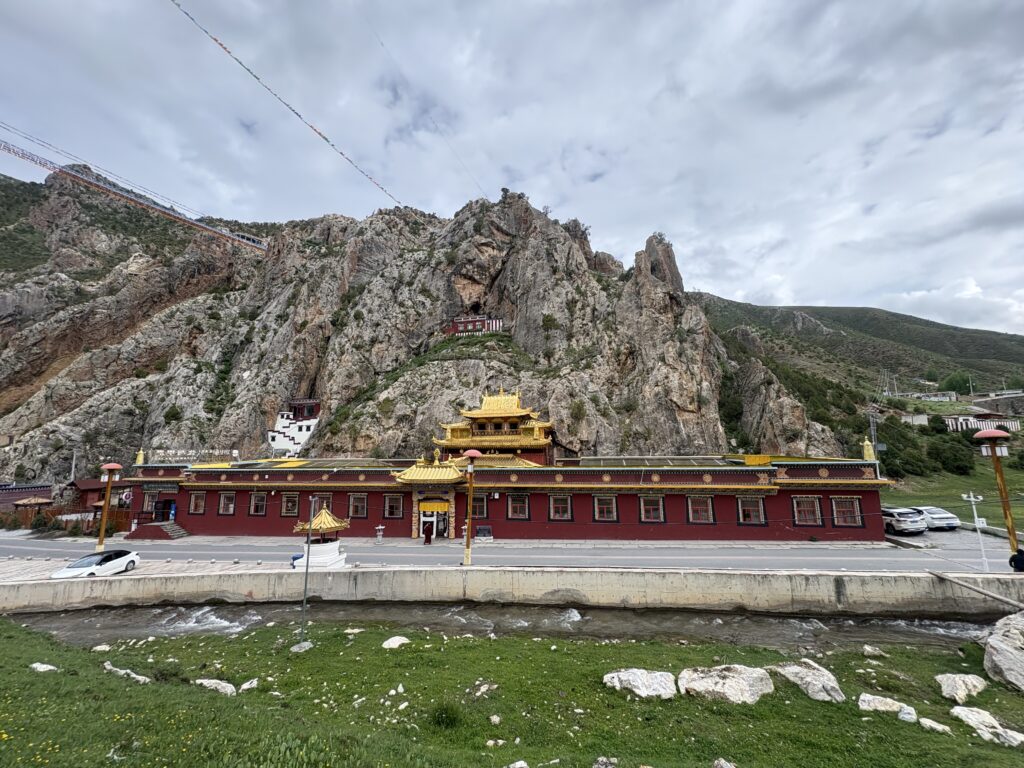
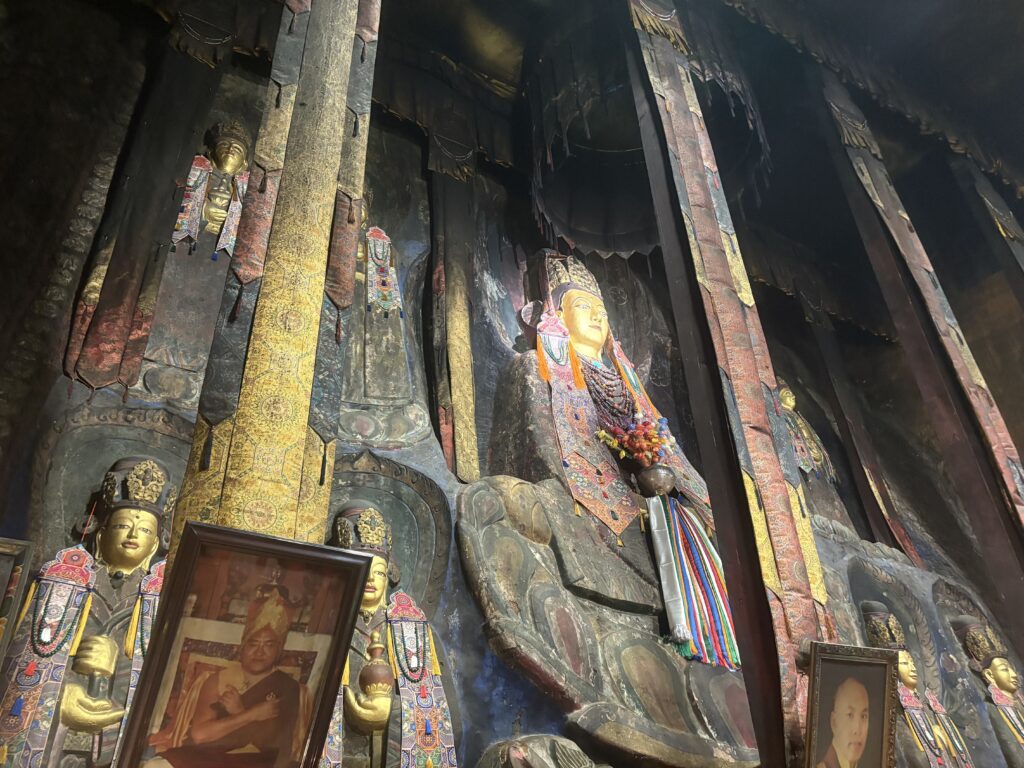
With a history of over 1,300 years, this ancient temple stands along the ancient Tang-Tibet road. It commemorates the historical friendship between Han and Tibetan people, featuring classic Tibetan architectural style and precious ancient murals.
Three-River Source National Park
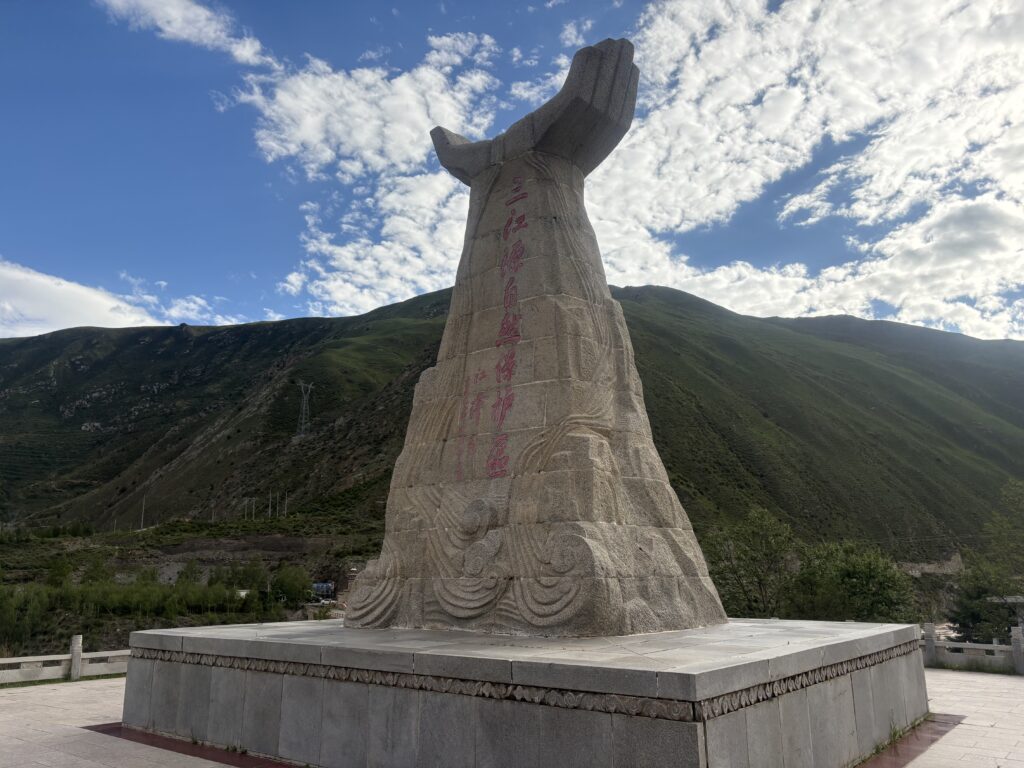
The birthplace of the Yangtze River, Yellow River and Mekong River. The land here is pristine and untouched, with vast wetlands, alpine lakes, snow mountains and rare wild animals including Tibetan antelopes and wild yaks. It is a paradise for nature lovers and wildlife observers.
Yushu Main Monastery
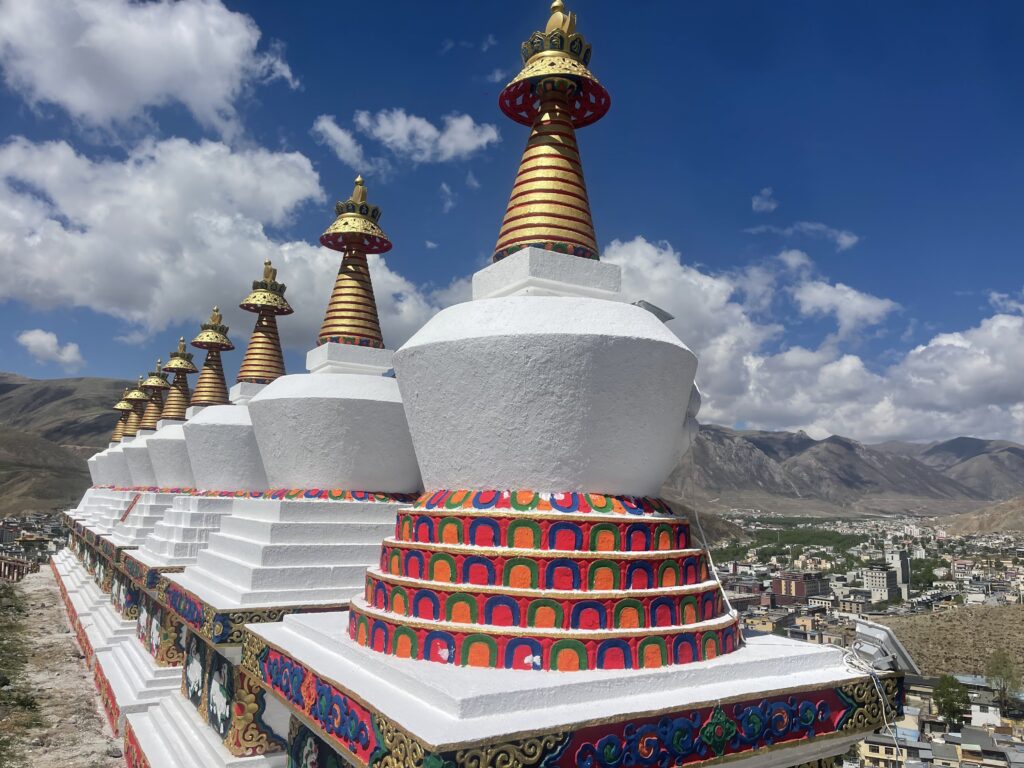
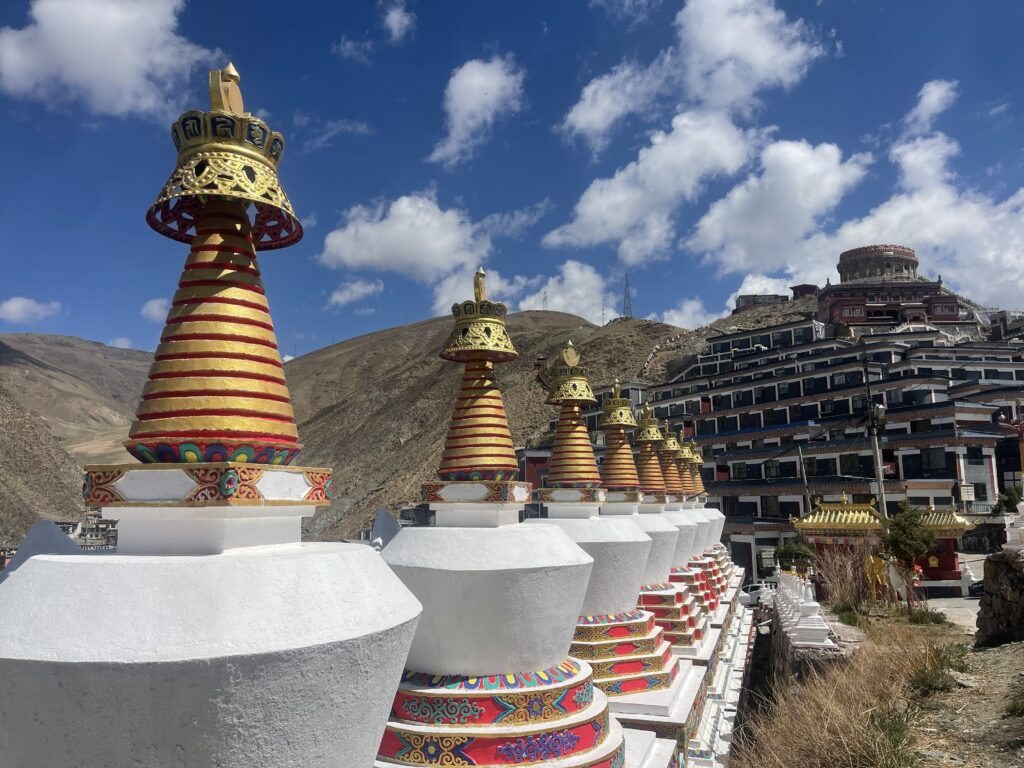
The most important religious site in Yushu urban area. The golden-roofed hall overlooks the Tongtian River and the entire city, and hosts regular Buddhist rituals all year round.
Detailed Multi-Day Kham Tour Itineraries
All itineraries below are optimised for overland road trips, the most popular travel style in Kham. We suggest hiring a local 4×4 vehicle and experienced driver-guide for safe and comfortable travel.
Itinerary 1: 7-Day Essential Ganzi Tour (Beginner-Friendly)
Route: Chengdu → Kangding → Xinduqiao → Tagong → Litang → Daocheng → Yading → Chengdu
Day 1: Chengdu – Kangding
Depart from Chengdu early in the morning, drive along mountain highways to Kangding. Settle into accommodation, take a slow walk to acclimatise to altitude. No strenuous exercise. Taste local Tibetan-style meals in the evening.
Day 2: Kangding – Xinduqiao
Travel to Xinduqiao, visit local Tibetan villages and poplar forests. Stay for sunset shooting, experience the charm of the photographer’s paradise. Overnight in Xinduqiao.
Day 3: Xinduqiao – Tagong Grassland & Tagong Monastery
Drive to Tagong. Wander on the vast grassland, visit Tagong Monastery, communicate with local herdsmen. Enjoy fresh plateau air and pastoral scenery. Overnight in Tagong.
Day 4: Tagong – Litang
Cross gentle mountain passes en route to Litang, the highest county town in the world. Visit local monasteries and urban streets to experience Khampa daily life. Overnight in Litang.
Day 5: Litang – Daocheng
Continue towards Daocheng, enjoy changing mountain and valley scenery along the way. Arrive in Daocheng in the afternoon, rest fully to prepare for Yading tour the next day.
Day 6: Daocheng – Yading Nature Reserve
Full-day tour inside Yading. Visit the three sacred peaks, hike to Five-Color Lake and Milk Lake. Immerse yourself in the pure alpine landscape. Overnight in Yading scenic area.
Day 7: Yading – Chengdu
Return journey back to Chengdu via the original route. End the 7-day Ganzi classic tour.
Itinerary 2: 12-Day Cross-Regional Tour (Ganzi + Deqin)
Route: Chengdu → Kangding → Xinduqiao → Litang → Daocheng Yading → Shangri-La → Deqin → Meili Snow Mountain → Lijiang
This route connects Sichuan Kham and Yunnan Kham, combining grasslands, sacred mountains and glacier scenery.
Days 1–6: Follow the first 6 days of the 7-day Ganzi itinerary.
Day 7: Yading – Shangri-La
Leave Daocheng Yading, drive across provincial borders to Shangri-La, Yunnan. Visit Songzanlin Monastery and Shangri-La Old Town in the evening.
Day 8: Shangri-La – Deqin
Head north to Deqin County. Stop at mountain viewing points along the road to admire layered mountain landscapes. Settle in Deqin town.
Day 9: Deqin – Feilai Temple & Meili Snow Mountain
Early morning wait for the golden sunrise over Meili Snow Mountain at Feilai Temple. Explore the temple and surrounding areas in the daytime.
Day 10: Meili Snow Mountain – Mingyong Glacier
Travel to Mingyong Glacier, walk along the glacier trail and get close to the ice landscape. Experience the grandeur of the northern hemisphere low-latitude glacier.
Days 11–12: Drive back to Lijiang, visit Lijiang Old Town and surrounding spots. Complete the cross-province Kham tour.
Itinerary 3: 18-Day Ultimate Kham Expedition (Ganzi + Deqin + Yushu)
Route: Chengdu → Kangding → Dege → Yushu → Deqin → Shangri-La → Lijiang
This is a classic deep exploration route covering all three core Kham areas, suitable for experienced long-distance travellers.
Days 1–4: Chengdu to Dege, visit Dege Printing House and ancient mountain roads.
Days 5–7: Travel to Sertar, visit Larung Gar Buddhist Academy and surrounding grasslands.
Days 8–11: Drive to Yushu (Qinghai), explore Jiana Mani Stone City, Princess Wencheng Temple and Three-River Source area.
Days 12–15: Cross back to Yunnan Deqin, tour Meili Snow Mountain and Mingyong Glacier.
Days 16–18: Stay in Shangri-La and Lijiang for relaxation and sightseeing. End the full Kham cross-region expedition.
Practical Travel Guide & Essential Tips
Permits & Documents
Most areas in Ganzi, Deqin and Yushu do not require special Tibet travel permits for foreign visitors. You only need a valid passport and Chinese visa. Always carry your ID documents during travel, as roadside checkpoints are common. Remote border areas in Yushu may require local guide accompaniment; book formal travel services in advance.
Transportation
Private 4×4 off-road vehicles are the most recommended choice for Kham travel. Mountain roads are winding, with many high passes, and public transport has limited routes and schedules. Major connecting highways include G317, G318 and G214.
Air options: Fly from Chengdu to Kangding, Daocheng or Yushu; fly from Lijiang to Shangri-La for convenient transfers.
Altitude Sickness Prevention (Most Critical)
The average altitude of Kham ranges from 2,600m to over 4,800m:
Kangding: ~2,560m | Deqin: ~3,300m | Daocheng: ~3,750m | Yushu City: ~3,700m
Acclimatise slowly: Spend 1–2 days in low-altitude towns like Kangding or Shangri-La first.
Avoid alcohol, strong coffee and heavy exercise within the first 48 hours after arrival.
Drink plenty of water every day. You can take rhodiola supplements one week before departure.
Portable oxygen bottles are widely available in local towns for emergency use.
Cultural Etiquette
When entering monasteries, dress modestly (cover shoulders and knees). Do not step on temple thresholds.
Do not take photos of monks, religious ceremonies or local residents without permission.
Walk clockwise around stupas, mani walls and monasteries, following local Tibetan traditions.
Do not touch local people’s heads, as it is considered sacred in Tibetan culture. Greet locals with “Tashi Delek”.
Accommodation & Catering
Ganzi and Deqin: A full range of options, from budget Tibetan guesthouses to boutique hotels and high-end resorts.
Yushu: Comfortable hotels are concentrated in the city centre; remote areas mainly offer monastery guesthouses and local homestays with simple facilities.
Local food features Tibetan cuisine, Sichuan-style dishes and Yunnan specialties. Try butter tea, tsampa, yak meat and local noodles for authentic flavours.
Travel Budget
Budget travel: $40 – $70 per day (public transport, basic guesthouses, local simple meals).
Mid-range travel: $80 – $150 per day (private 4×4 car + guide, standard hotels, regular meals and scenic tickets).
Luxury travel: $200+ per day (high-end resorts, exclusive chartered vehicles, customised cultural experiences).
Why Travel to the Kham Region?
Authentic Culture:
Far less commercialised than mainstream tourist destinations, Kham preserves the original lifestyle of the Khampa people and traditional Tibetan culture.
Diverse Landscapes:
Snow mountains, glaciers, grasslands, forests and alpine lakes gather in one region, perfect for all kinds of landscape shooting.
Rich Spiritual Heritage:
Countless ancient monasteries, mani stone sites and Buddhist cultural relics create a peaceful spiritual atmosphere.
Unique Festivals:
Horse festivals, Gesar cultural activities and temple rituals present lively folk customs you cannot find elsewhere.
Adventure Potential:
Overland road trips, alpine trekking and grassland horse riding satisfy outdoor travel demands.
A journey across Ganzi, Deqin and Yushu is more than just a trip — it is a deep encounter with nature, history and faith on the Qinghai-Tibet Plateau.