Dargye Monastery (大金寺 | Dar rgyas dgon)
Tibetan Full Name:Dargye Tashi Puntsok Ling,Gelugpa (Yellow Hat) core monastery in Garzê County, Garzê Tibetan Autonomous Prefecture, Sichuan, Kham region。
History
Founded in 1662 by Ngawang Puntsok, a direct disciple of the 5th Dalai Lama. It ranks among the renowned Thirteen Hor Gelug Monasteries built under Mongol noble patronage across the Hor grassland basin of northern Kham.
At its golden age, roughly 3,000 resident monks resided here; full-scale reconstruction started after 1981, now hosting around 700 monastics.
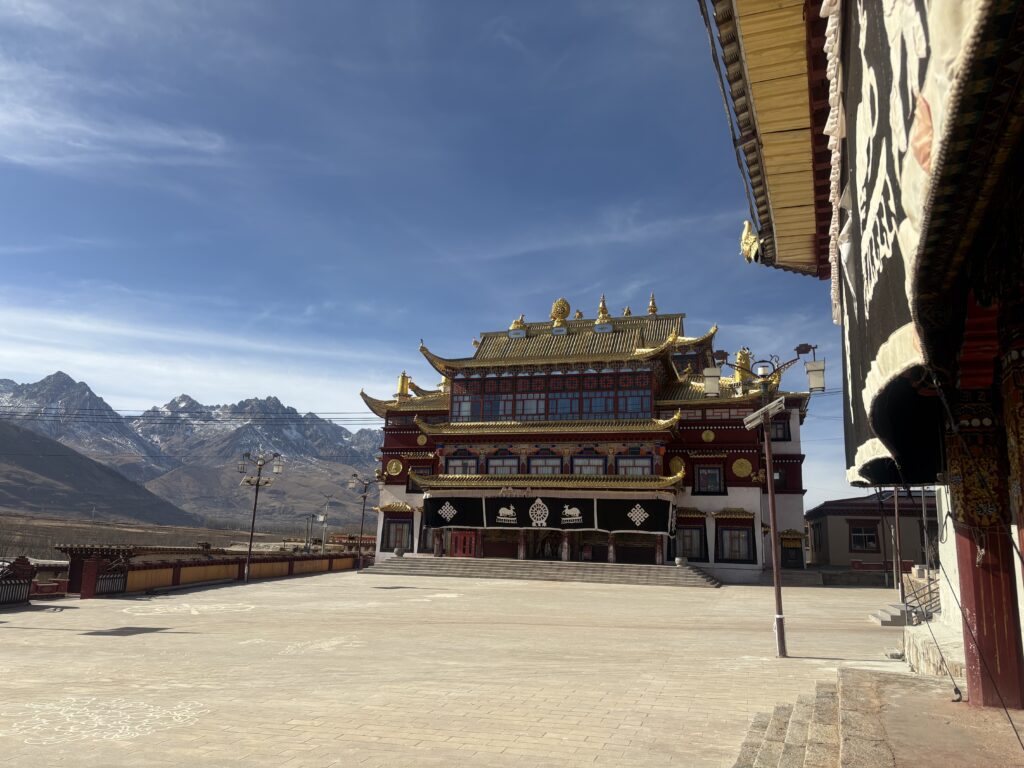
Architecture & Features
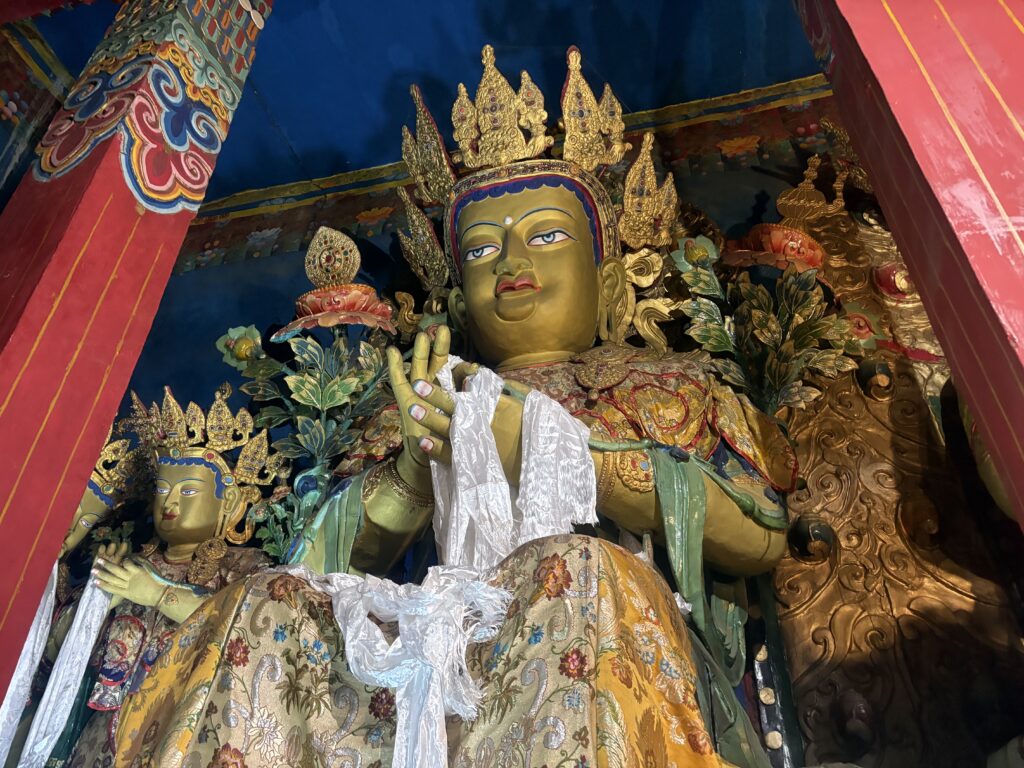
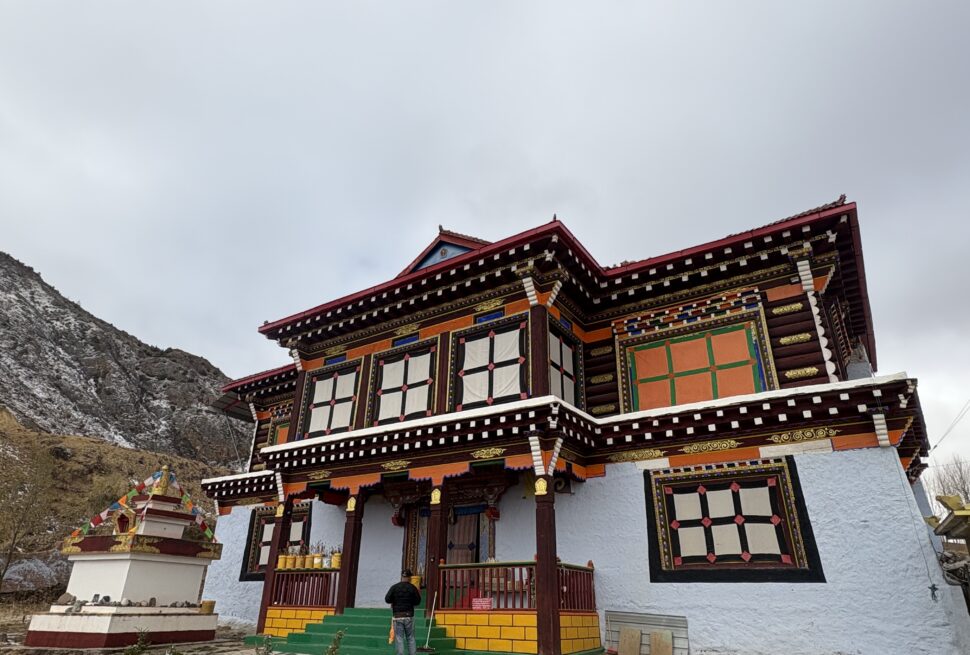
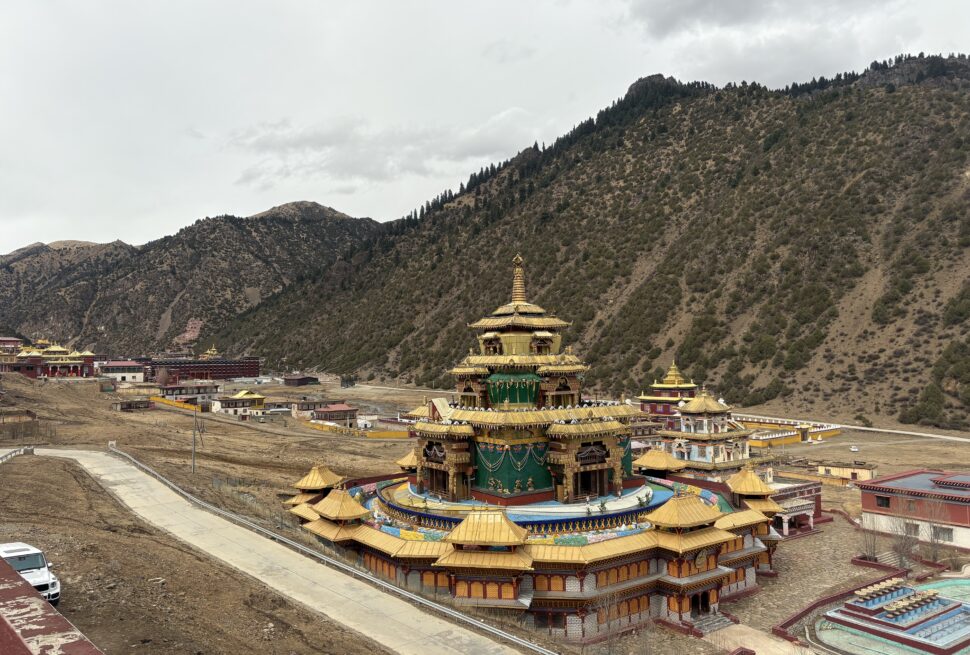
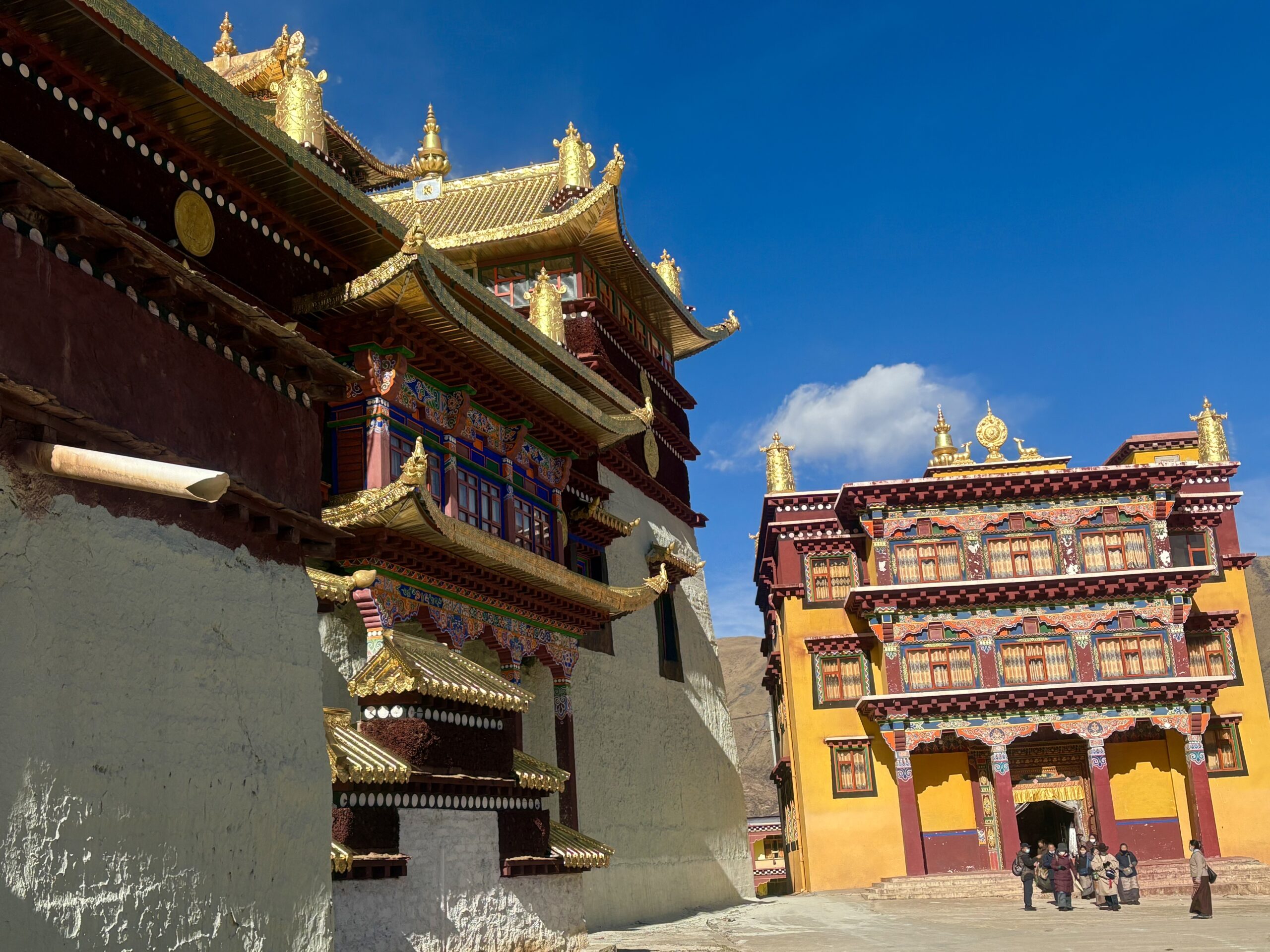
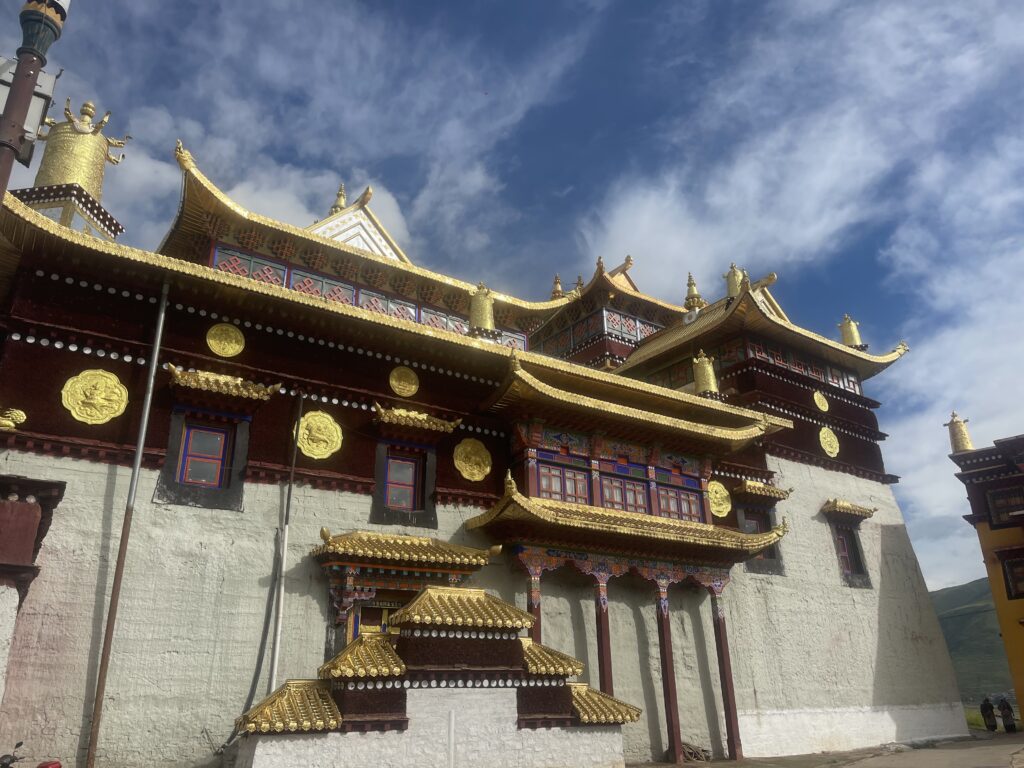
Built cascading along south-facing mountain slopes, blending Han timber craft and traditional Tibetan fortress styling with iconic red-white monastery walls and gilded copper roofs.
The main assembly hall replicates Lhasa’s Jokhang layout, enshrining grand clay statues of Shakyamuni, Tsongkhapa and Avalokiteshvara. The whole compound spans over 148,000 sqm with scattered monk quarters, scripture college and mani prayer courtyard.
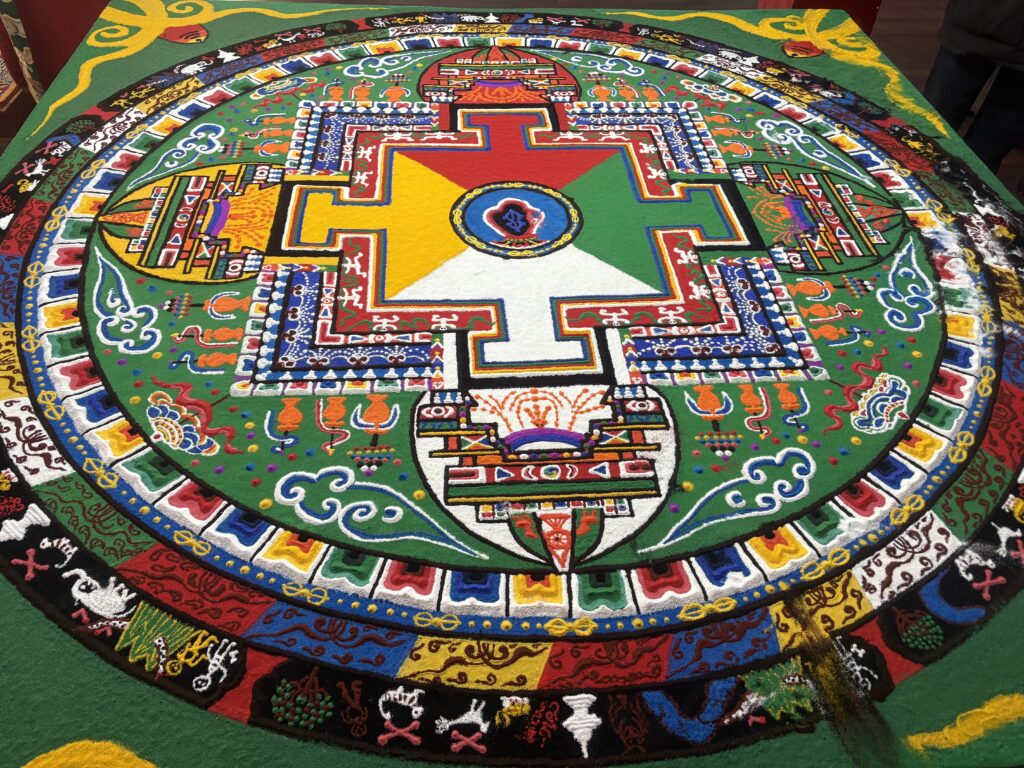
Religious Customs
Centered on Gelug Lamrim, Kalachakra and annual Great Prayer Festival (Tibetan New Year). Cham masked dances and large-scale Buddha unveiling rituals draw herdsmen pilgrims from surrounding grasslands every early lunar year.
Travel Info
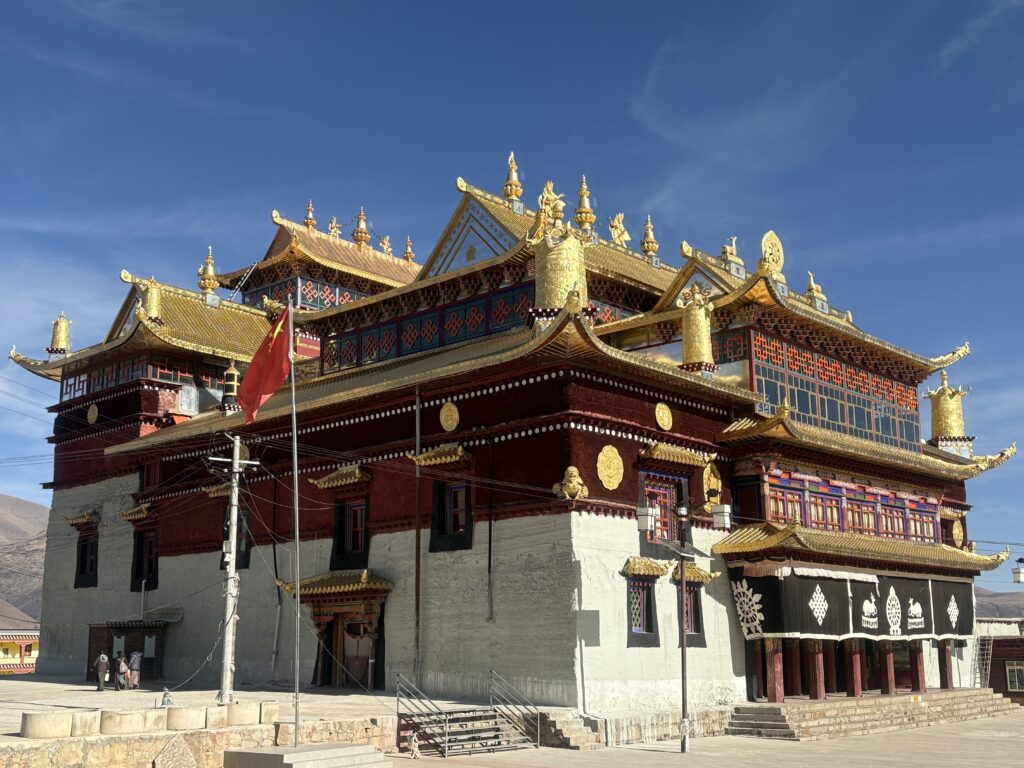
Location: Downtown Garzê County, ~3km from Garzê town centre
Altitude: around 3300m, free admission year-round
Best visiting period: May–October
Nestled on grassland hillsides of northern Kham, Dargye Monastery stands as a landmark Gelug foundation erected in 1662 by a disciple of the Fifth Dalai Lama. One of the famous thirteen Hor grassland monasteries, its tiered red-and-white buildings merge Tibetan and Han architectural arts. Restored from the 1980s onward, it preserves classic Gelug rituals and annual cham dance ceremonies amid open pastoral terrain.