Full Tibetan Name: Palyul Namgyal Jangchub Choling (དཔལ་ཡུལ་རྣམ་རྒྱལ་བྱང་ཆུབ་ཆོས་གླིང་)
Location: Baiyu County, Garzê Tibetan Autonomous Prefecture, Sichuan, China (historic Kham region), altitude ~3150m
History
Founded in 1665/1675 (Kangxi reign of Qing Dynasty) by Kunzang Sherab (Rigzin Kunzang Sherab), the 1st throne holder of Palyul lineage, under the patronage of Dege Chieftain.
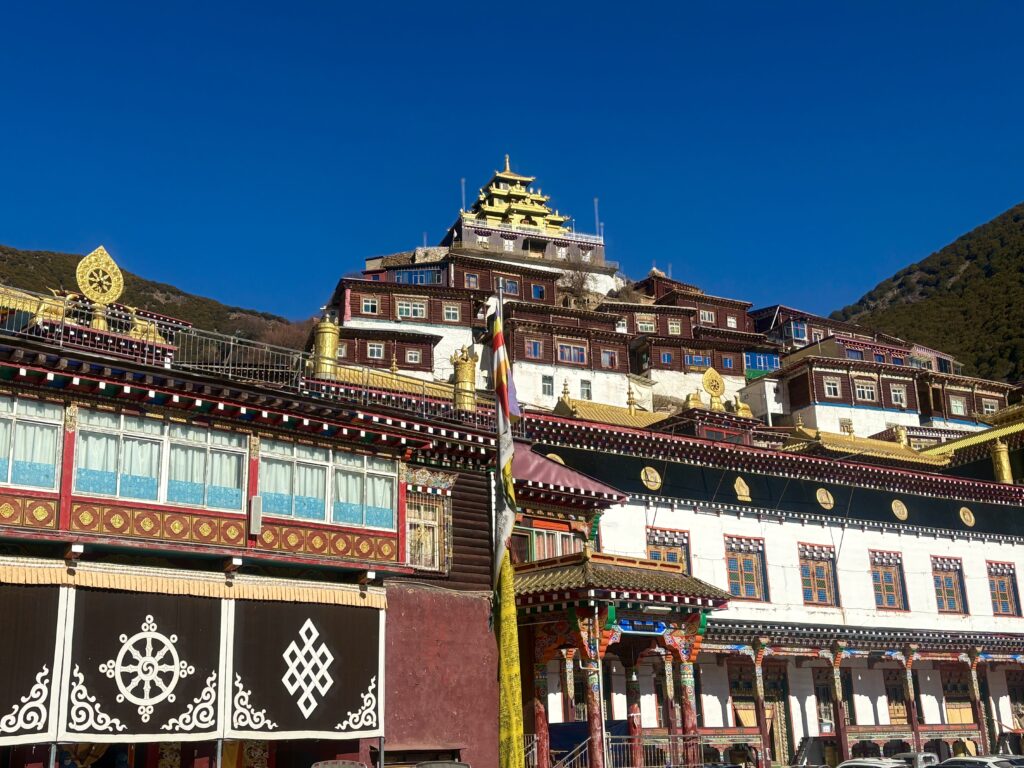
Ranked as one of the Six Mother Monasteries of Nyingma (Red Sect) of Tibetan Buddhism, the core seat for Namchö Terma treasure teachings revealed by Terton Migyur Dorje.
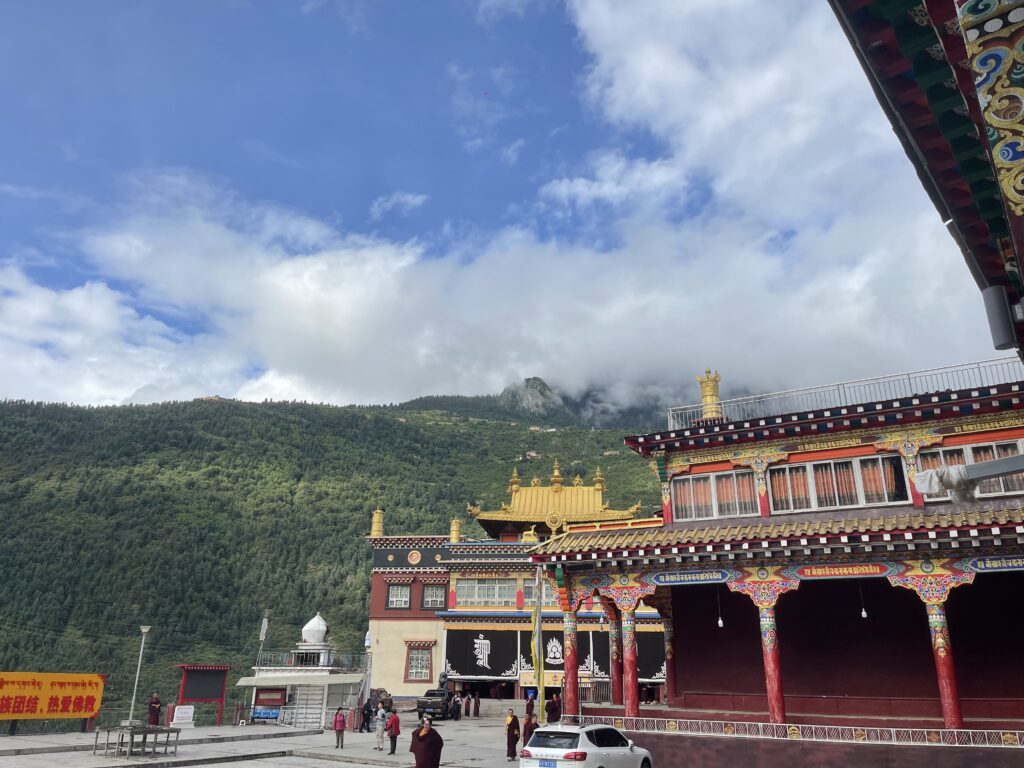
In its prime, over 3,000 resident monks; the lineage branched into thousands of affiliate monasteries across Kham, Amdo and global Dharma centres.
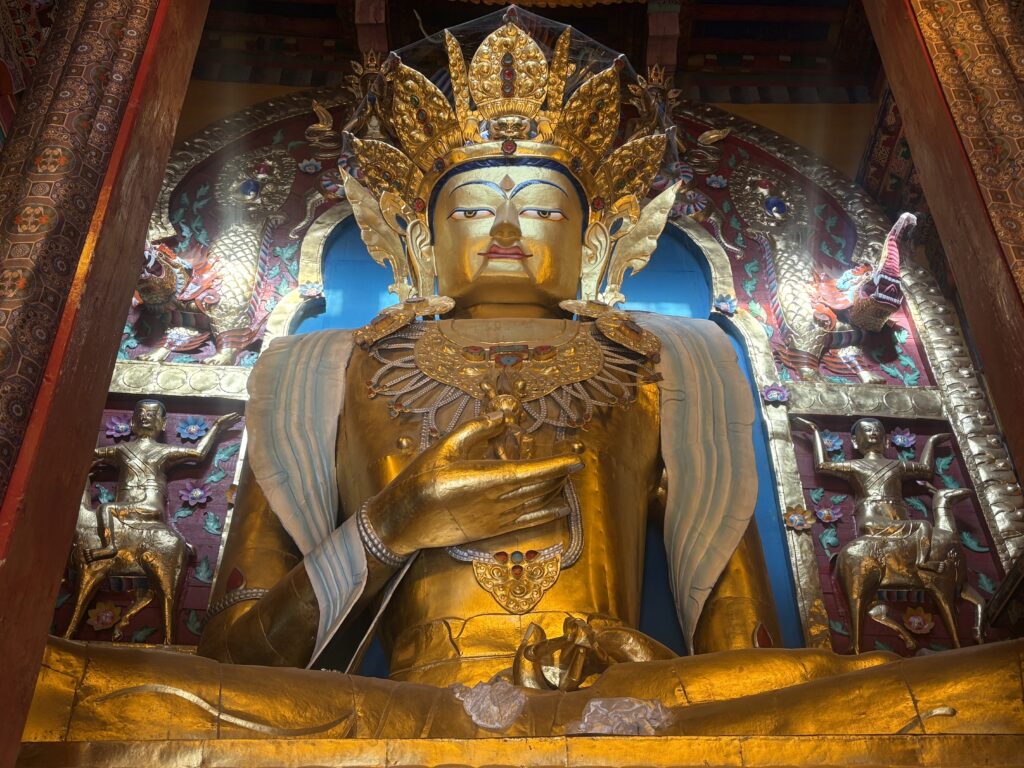
Destroyed mid-20th century, large-scale reconstruction launched in 1982 with state and monastic funding; formal Nyingma senior academy opened in 1992.
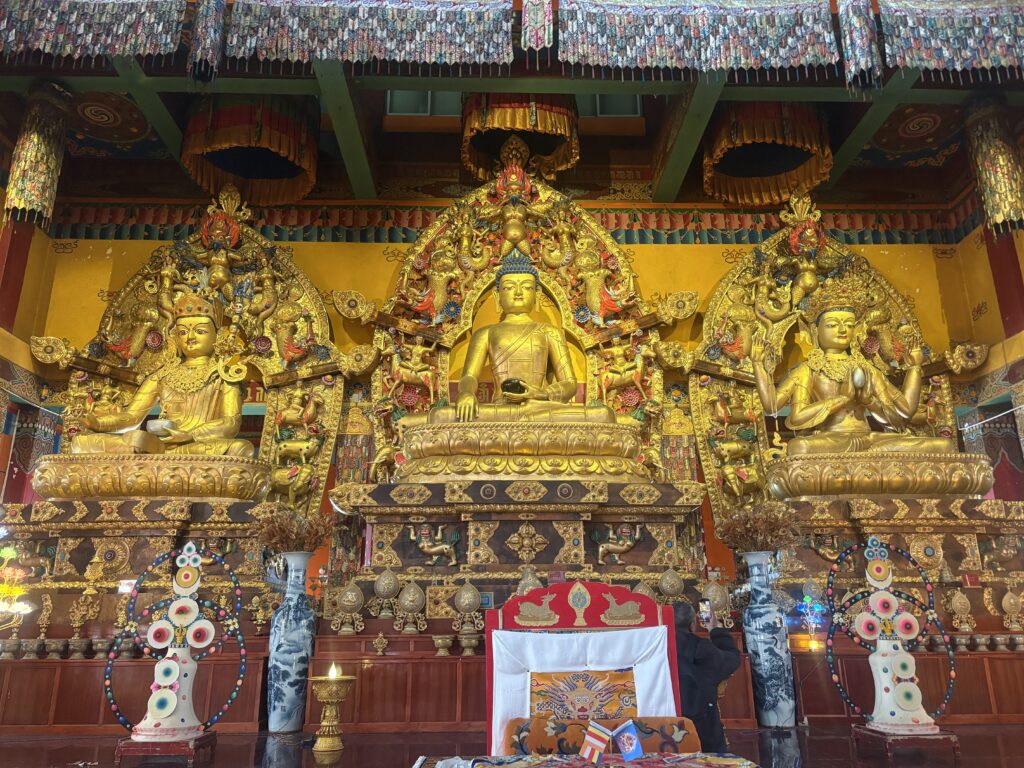
His Holiness Karma Kuchen Rinpoche is the current 12th lineage throne holder; Penor Rinpoche founded its major overseas branch Namdroling Monastery (India, the largest Nyingma institute outside Tibet) in 1963.
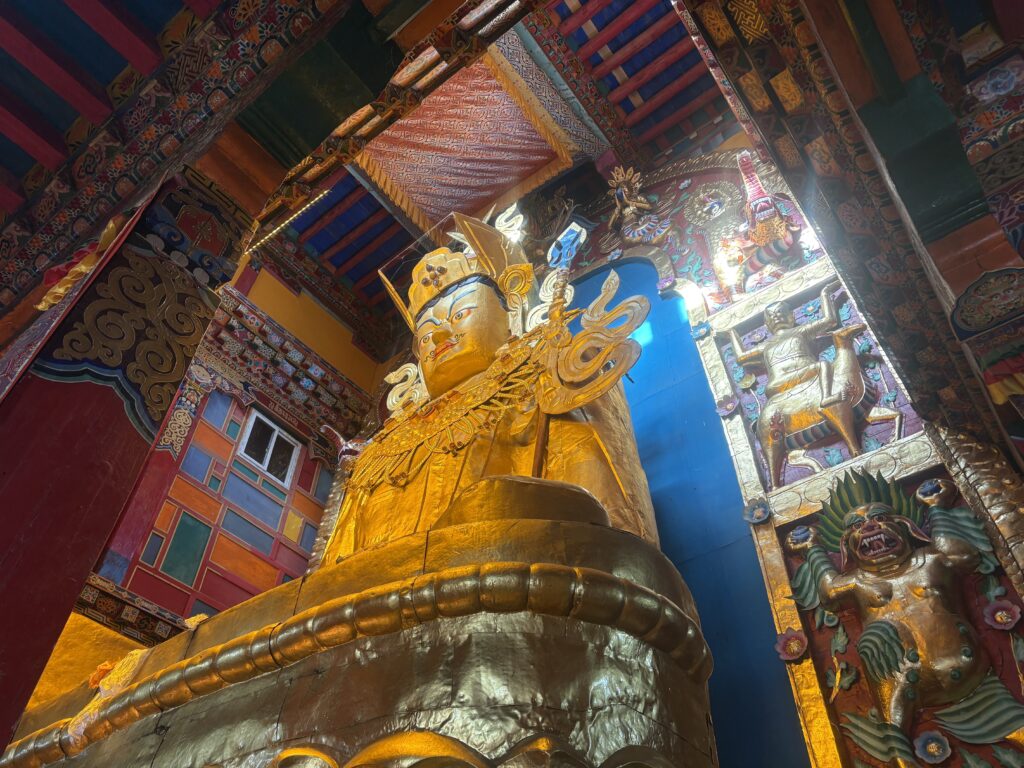
Architecture & Layout
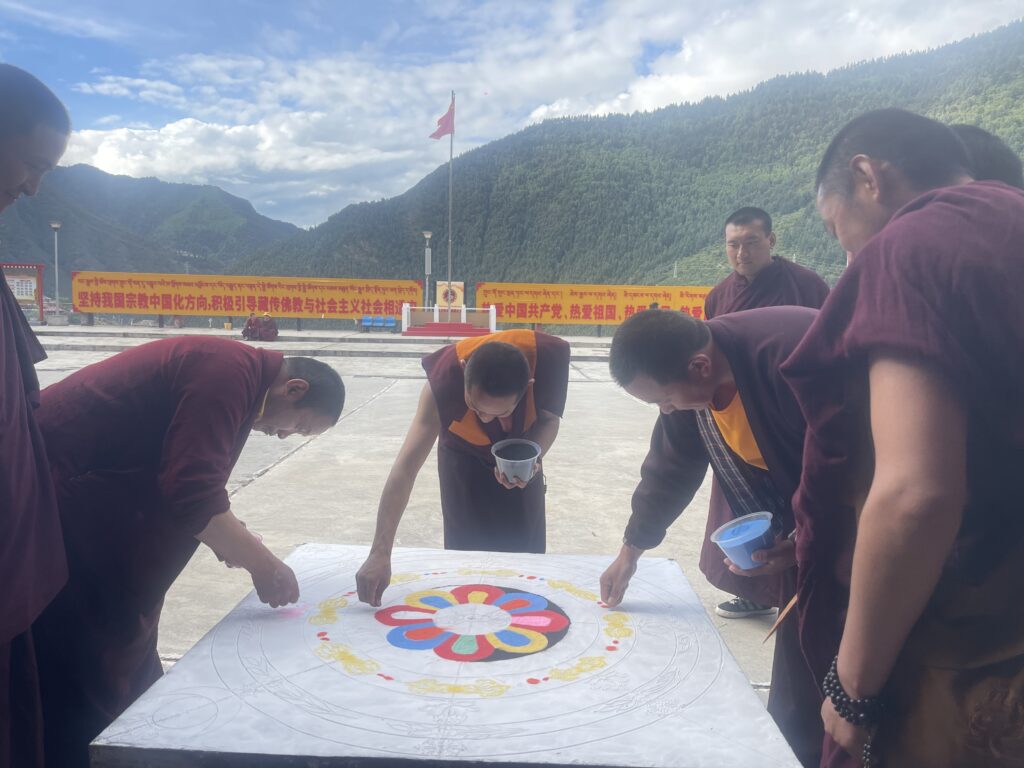
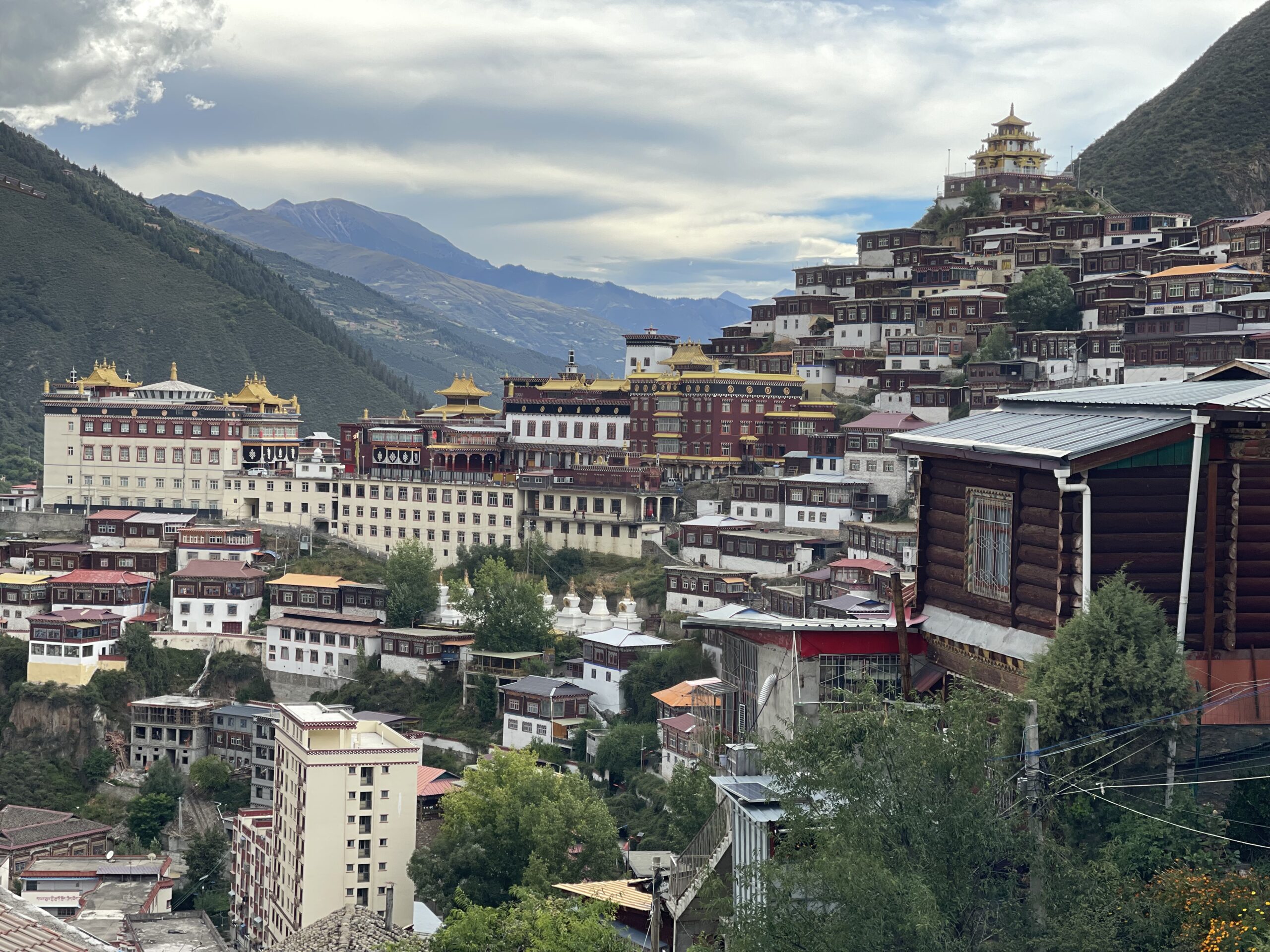
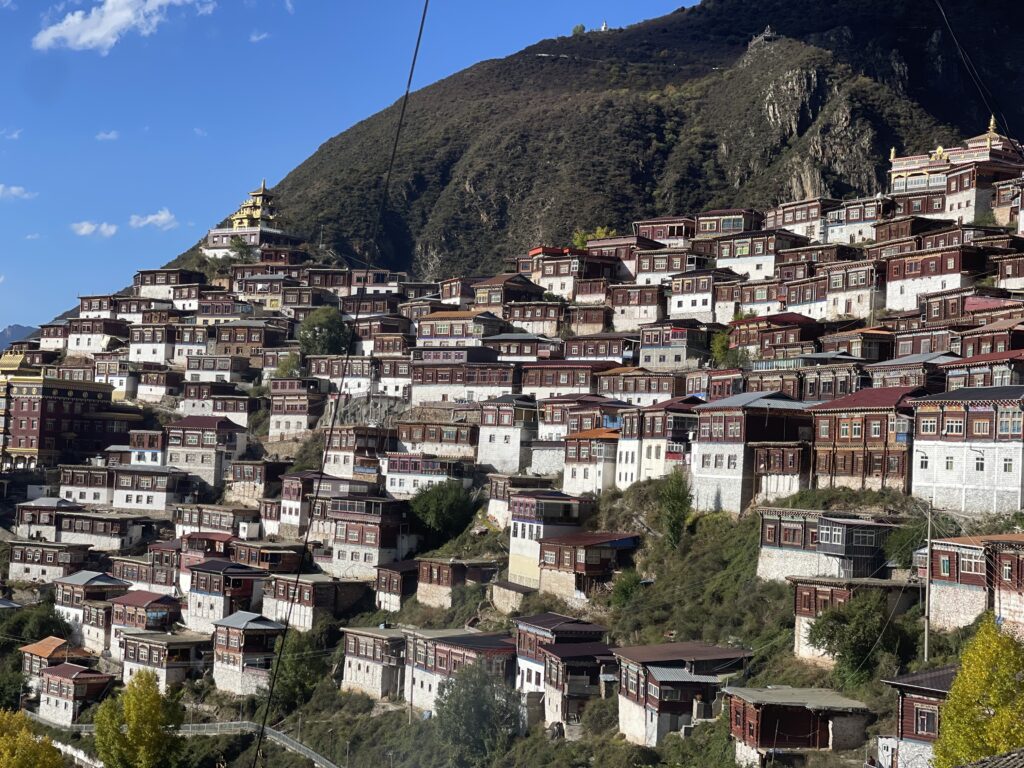
Built tiered along the hillside of Baiyu Mountain: dense rows of red-white monk dwellings cluster around golden-roofed main shrines, forming a sprawling hillside monastic village.
Core buildings: Grand Assembly Hall, Buddha Palace, scripture printing house, debate courtyard, scripture academy, library and huge outdoor bronze prayer wheel.
Preserves traditional Tibetan woodblock printing craft; artisans carve reverse wooden printing blocks for sacred texts on-site.
Religious Customs & Annual Festivals
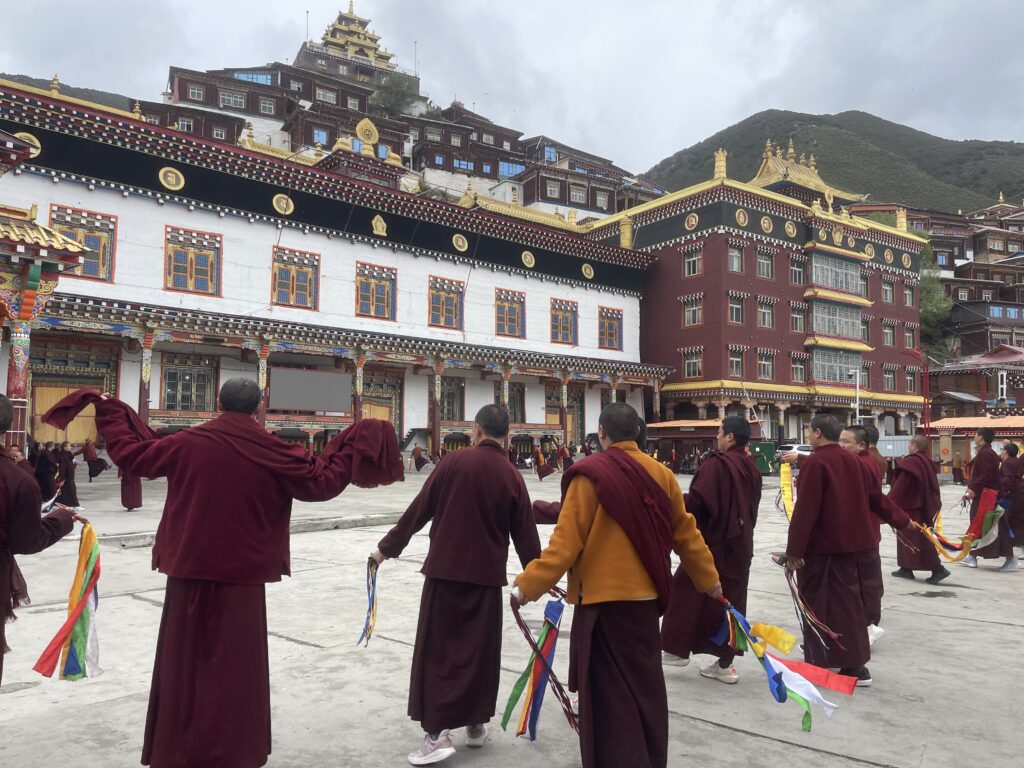
Key annual rituals held on 1st &14th of Tibetan 5th month: Guru Rinpoche (Padmasambhava) grand ceremony, sacred cham masked dance, public Dharma preaching for locals and pilgrims.
Core practice: Nyingma Dzogchen (Great Perfection) and the exclusive Namchö Terma meditation lineage unique to Palyul.
Travel Information
Address: Downtown Baiyu County, Garzê, Sichuan; 2km uphill from Baiyu bus station.
Admission: Free entry, open all year round; best visiting season: May–October.
Highlights: Woodblock-print workshop, hillside panoramic overlook, giant outdoor prayer wheel, inner shrine golden Buddha statues.