Menu
Khawa Karpo རོང་བཙན་ཁ་བ་དཀར་བོ།

Khawa Karpo རོང་བཙན་ཁ་བ་དཀར་བོ།

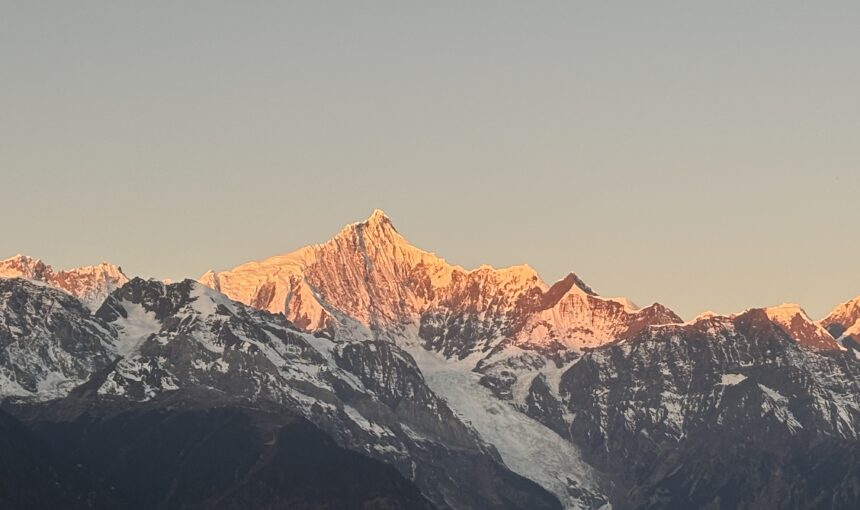
Khawa Karpo, the 6,740m main peak of Meili Snow Mountains and Yunnan’s highest summit, is revered as one of Tibet’s most sacred holy mountains under Three Parallel Rivers World Heritage. Sacred in Tibetan Buddhism, the peak bans all climbing with no recorded successful ascent. Visitors enjoy inner short kora around Yubeng and Mingyong Glacier, while tough outer circumambulation spans Yunnan-Tibet border for 7–15 days. Feilai Temple is the top viewpoint for the famed sunrise golden peak scenery, and Yubeng remains a beloved hiking base under the snow range.

Shadzong Ritro ཤྭ་རྫོང་རི་ཁྲོད།

Shadzong Ritro ཤྭ་རྫོང་རི་ཁྲོད།

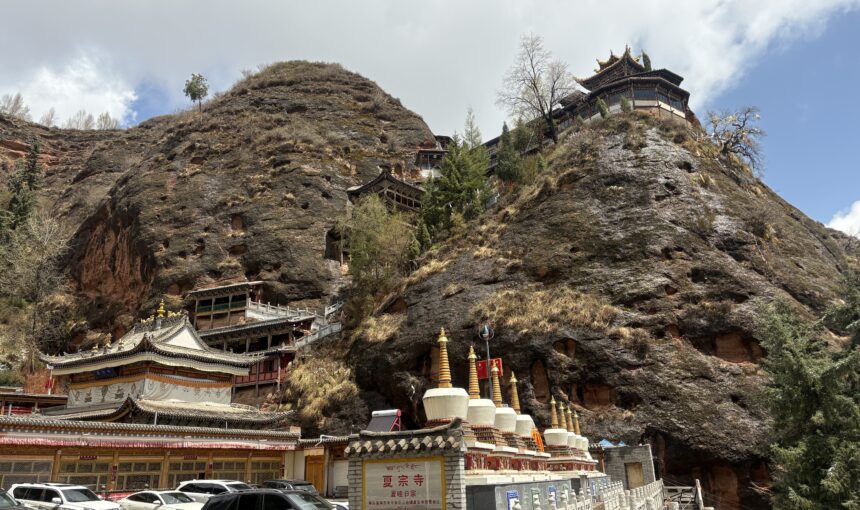
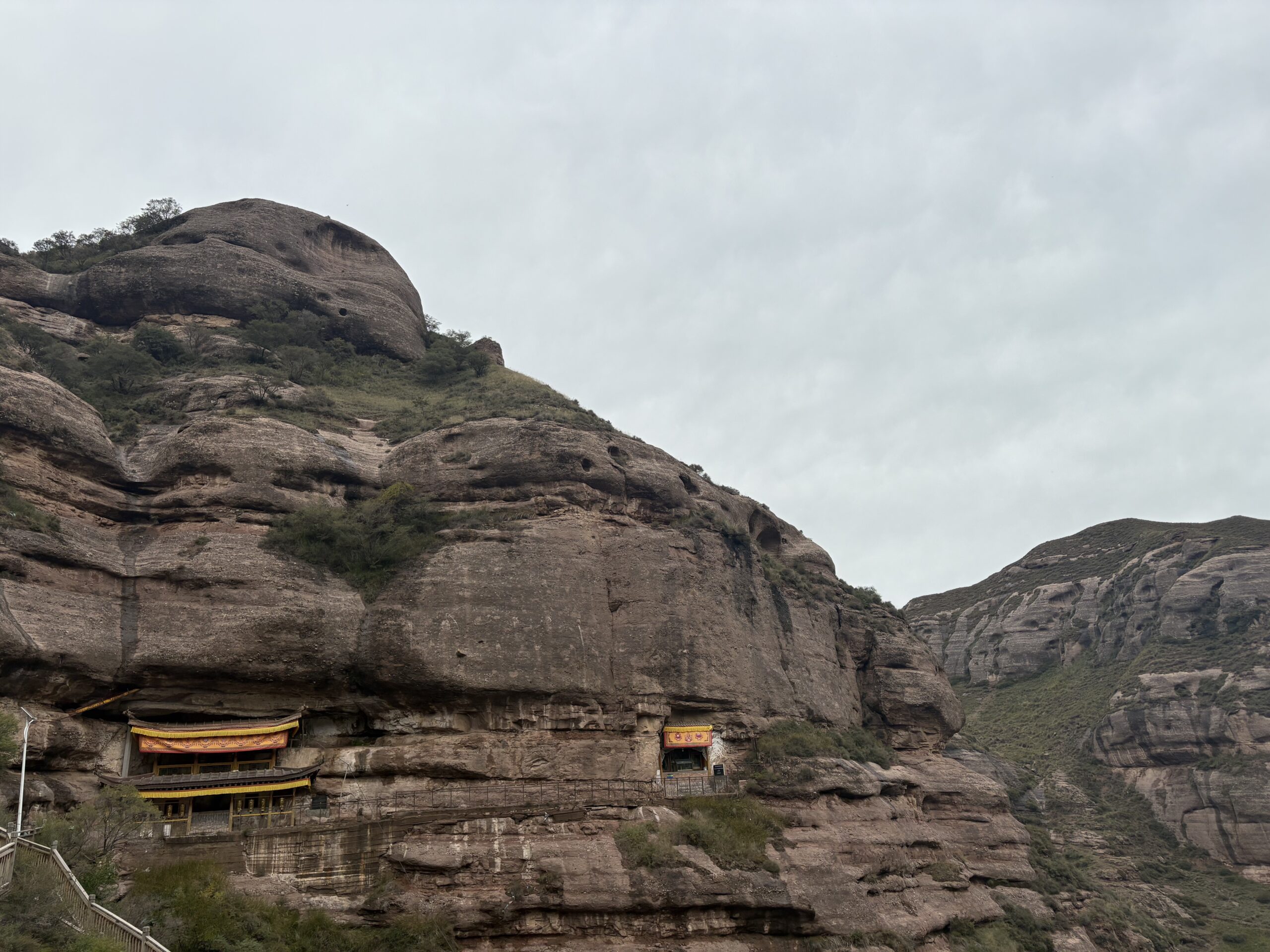
Shadzong Ritro, or Xiazong Monastery, is a revered Gelug mountain hermitage clinging to red sandstone cliffs near Xining, Qinghai. Founded in the early 14th century by the 4th Karmapa, the retreat’s lasting sanctity comes from its link to Tsongkhapa, the Gelug founding master, who received his novice tonsure here aged seven. Legend holds a strand of his buried hair sprouted into a surviving sacred cypress, the site’s most cherished relic

Gönlung Jampa Ling དགོན་ལུང་བྱམས་པ་གླིང་།

Gönlung Jampa Ling དགོན་ལུང་བྱམས་པ་གླིང་།

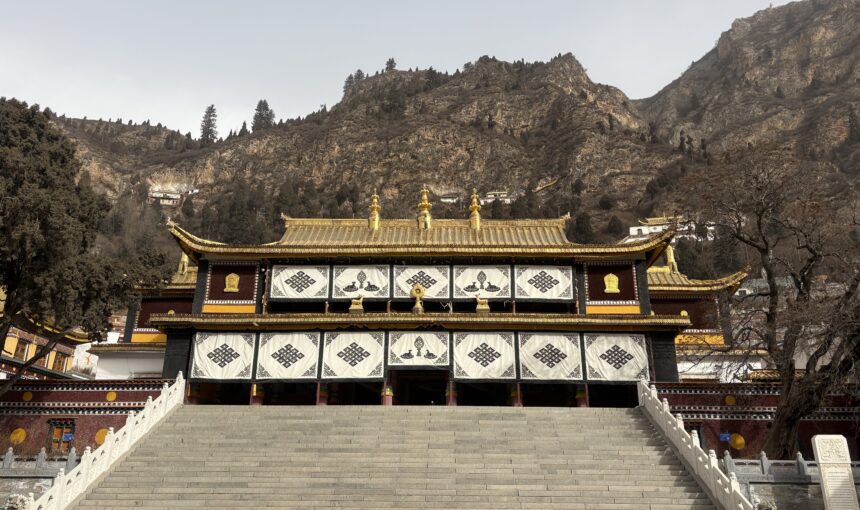
Tiered golden-roofed halls built along a lotus-shaped mountain basin, blending Tibetan monastic framework and Han imperial decorative craftsmanship. Highlights include the grand Main Assembly Hall, outdoor bronze Tara statue, ancient white stupa cluster and cliffside meditation grottoes scattered on surrounding slopes.

Quzang (Chuzang) Monastery ཆུ་བཟང་དགོན་པ།

Quzang (Chuzang) Monastery ཆུ་བཟང་དགོན་པ།

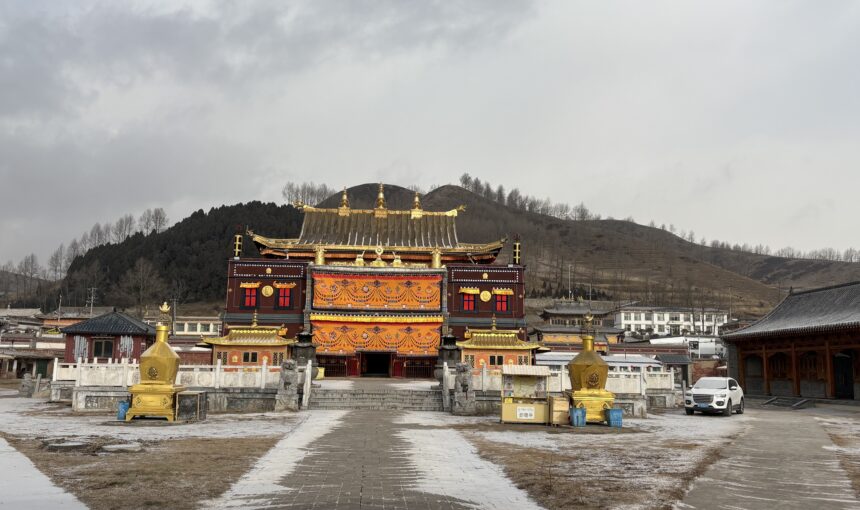
Standing on open grasslands outside Huzhu near Xining, Quzang Monastery is a prestigious Amdo Gelug shrine built in 1649 with Qing imperial recognition. Once famed for its gilded Thousand-Buddha Hall and imperial Nine-Dragon Wall, the temple endured severe destruction before systematic restoration from the 1980s. Framed by pine-cloaked hills and wetlands, it remains a vital local pilgrimage centre blending Han imperial craftsmanship and traditional Tibetan monastic architecture.

Serkog Monastery གསེར་ཁོག་དགོན་པ།

Serkog Monastery གསེར་ཁོག་དགོན་པ།

Tucked in forested mountain valleys near Xining, Serkog Monastery ranks among Amdo’s four historic great Gelug shrines. Established in the early Qing Dynasty with imperial authorization, it once thrived as a pivotal Buddhist learning hub governing numerous affiliate temples. Its signature clustered multi-tiered white stupas stand out against green hills, embodying harmonious fusion of Han and Tibetan building craft and remaining a revered pilgrimage landmark of eastern Qinghai.

Dentik Shelgi Drak ཏན་དིག་ཤེལ་གྱི་བྲག

Dentik Shelgi Drak ཏན་དིག་ཤེལ་གྱི་བྲག

Perched on precipitous cliffs beside the Yellow River in Qinghai, Dandou Temple marks the sacred birthplace of Tibetan Buddhism’s Later Diffusion. After the 9th-century religious persecution in Tibet, three refugee monks settled in local caves and educated master Lachen Gongpa Rabsel here. His disciples later carried intact Buddhist precepts back to central Tibet and revived declining Dharma. Blending grotto chambers and traditional monastic construction, the cliff-hugging complex remains a revered spiritual landmark of Amdo after over a thousand years.

Qutan Temple གྲོ་ཚང་རྡོ་རྗེ་འཆང་།

Qutan Temple གྲོ་ཚང་རྡོ་རྗེ་འཆང་།

Known as the Little Forbidden City of Qinghai, Qutan Temple is a rare Ming-dynasty imperial Tibetan Buddhist shrine near Xining. Commissioned by early Ming emperors, its palace-style architecture blends Han structural craft and Tibetan religious aesthetics. Lavish ancient murals winding along cloister walls stand as its most precious legacy, retaining bright mineral colours after six centuries of plateau weather.

Dargye Monastery དར་རྒྱས་དགོན་པ།

Dargye Monastery དར་རྒྱས་དགོན་པ།

Nestled on grassland hillsides of northern Kham, Dargye Monastery stands as a landmark Gelug foundation erected in 1662 by a disciple of the Fifth Dalai Lama. One of the famous thirteen Hor grassland monasteries, its tiered red-and-white buildings merge Tibetan and Han architectural arts. Restored from the 1980s onward, it preserves classic Gelug rituals and annual cham dance ceremonies amid open pastoral terrain.

Palyul Monastery དཔལ་ཡུལ་རྣམ་རྒྱལ་བྱང་ཆུབ་ཆོས་གླིང་

Palyul Monastery དཔལ་ཡུལ་རྣམ་རྒྱལ་བྱང་ཆུབ་ཆོས་གླིང་

Palyul, core Nyingma mother monastery built in 1665 in Baiyu County, anchors the Namchö spiritual lineage across Kham and beyond. Its cascading hillside architecture, traditional woodblock printing and annual Guru Rinpoche ceremonies draw pilgrims from across the Tibetan plateau.

Dzogchen Monastery རྫོགས་ཆེན་དགོན་པ།

Dzogchen Monastery རྫོགས་ཆེན་དགོན་པ།

Basic Overview Dzogchen Monastery, locally known as Dzogchen Gompa, lies in the remote Rudam Valley of northern Dege County, Garzê Tibetan Prefecture, western Sichuan, sitting at an altitude of roughly 3800 meters. It ranks among the Six Great Mother Monasteries […]