Serkog Monastery (Saiko / Guanghui Temple, 广惠寺, Amdo Qinghai)
Basic Info
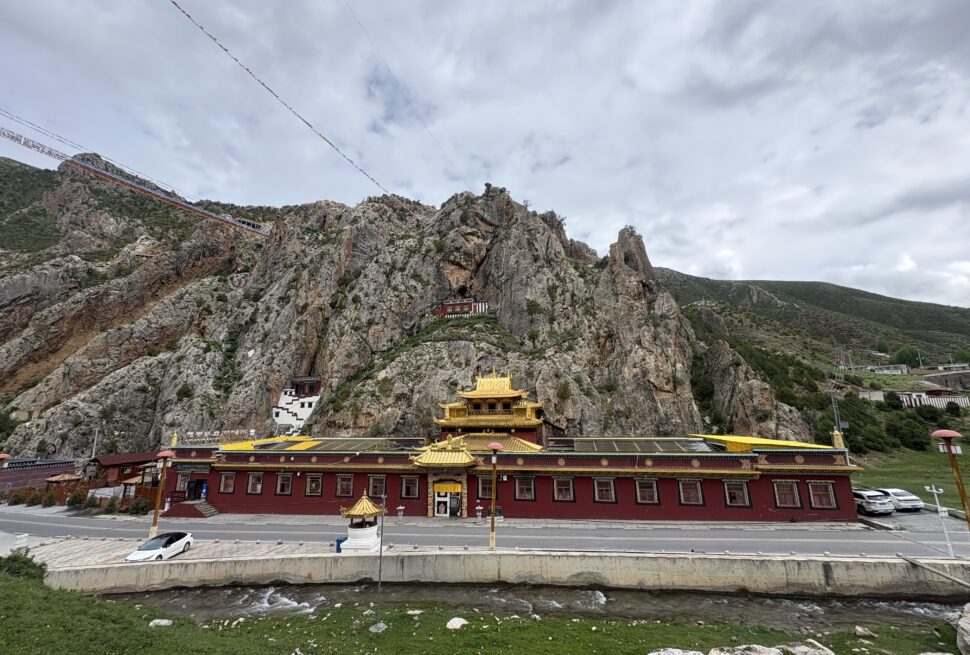
Serkog (local Tibetan: Serkog Gompa, formal: Tshompang Dewachen Ling) is a key Gelug monastery in Dongxia Valley, Datong County, 40km north of Xining, one of Amdo’s four renowned northern great monasteries. Nestled amid pine-cloaked mountain slopes at around 2600m altitude.
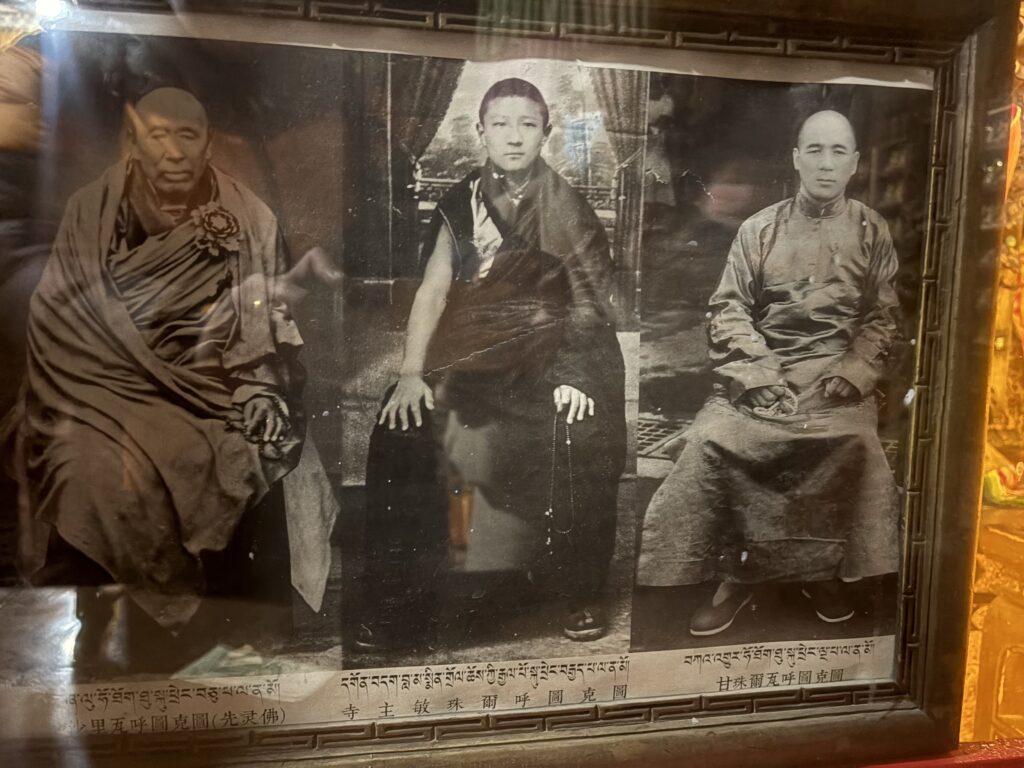
Brief History
Founded in 1650 (Shunzhi reign of Qing Dynasty) by respected Tibetan lama Jamyang Gyaincain, backed by Qing imperial patronage and granted official Chinese name Guanghui Temple by the Qing court. It grew into a major scripture-teaching centre once governing dozens of branch shrines across Datong and surrounding pastoral lands. Severely damaged in mid-20th century, core halls were fully reconstructed starting from the 1980s.
Architecture & Highlights
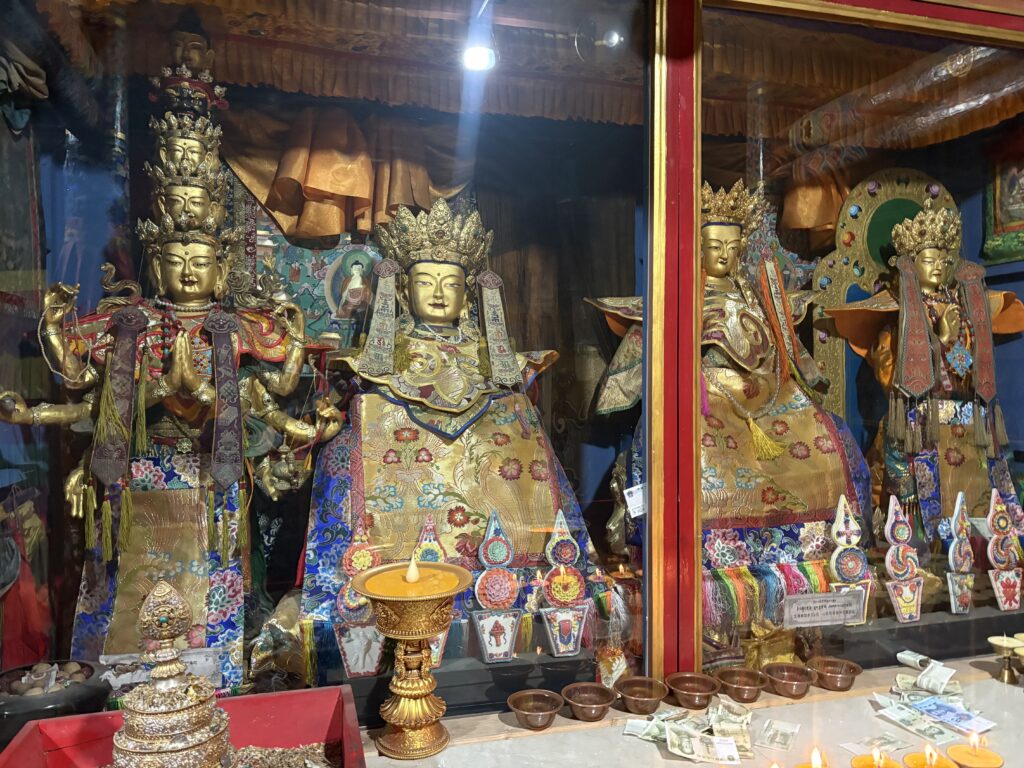
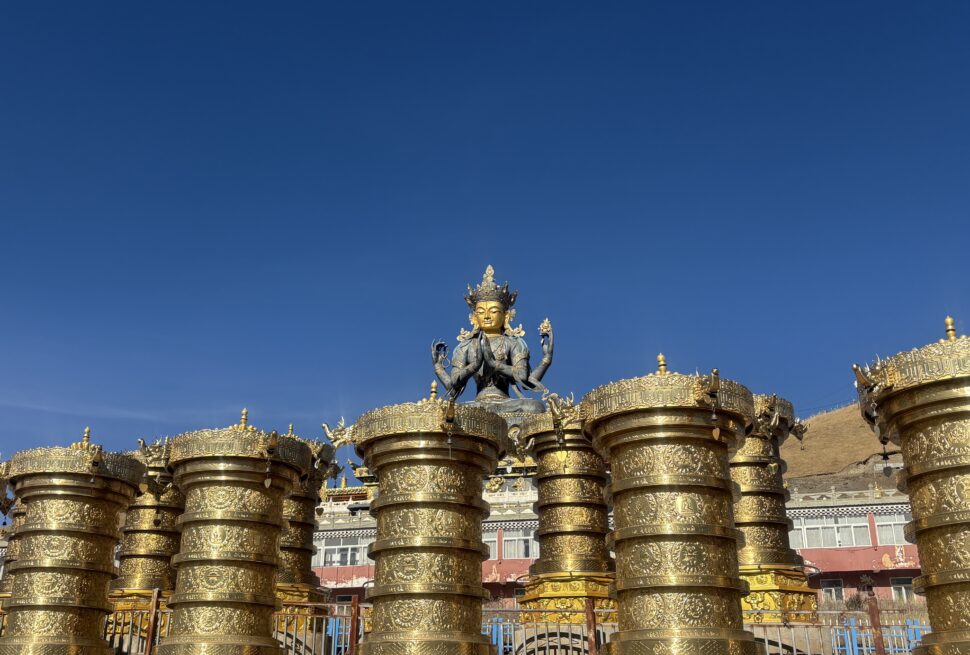
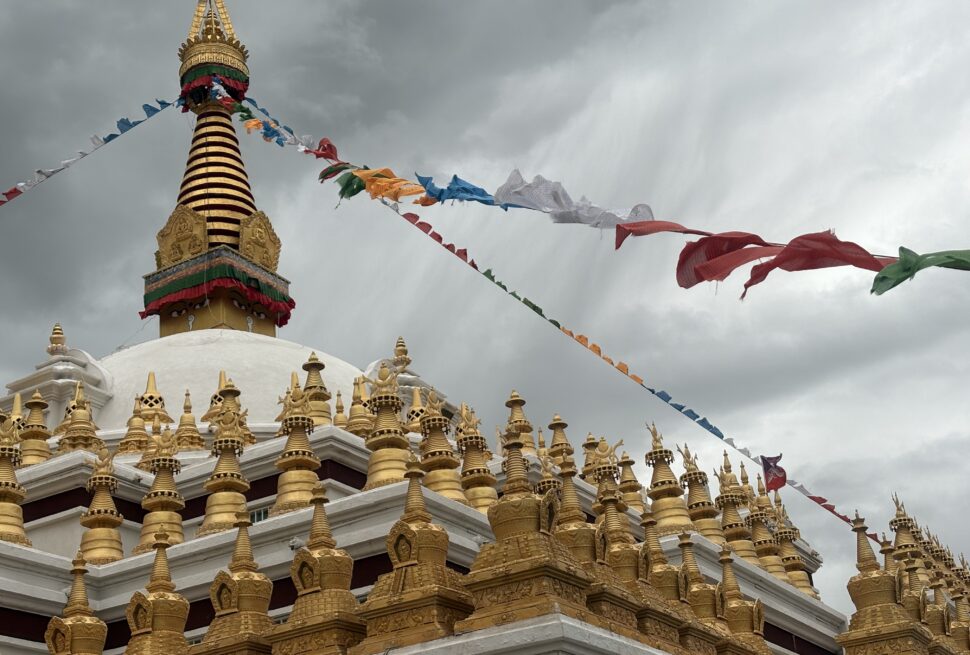
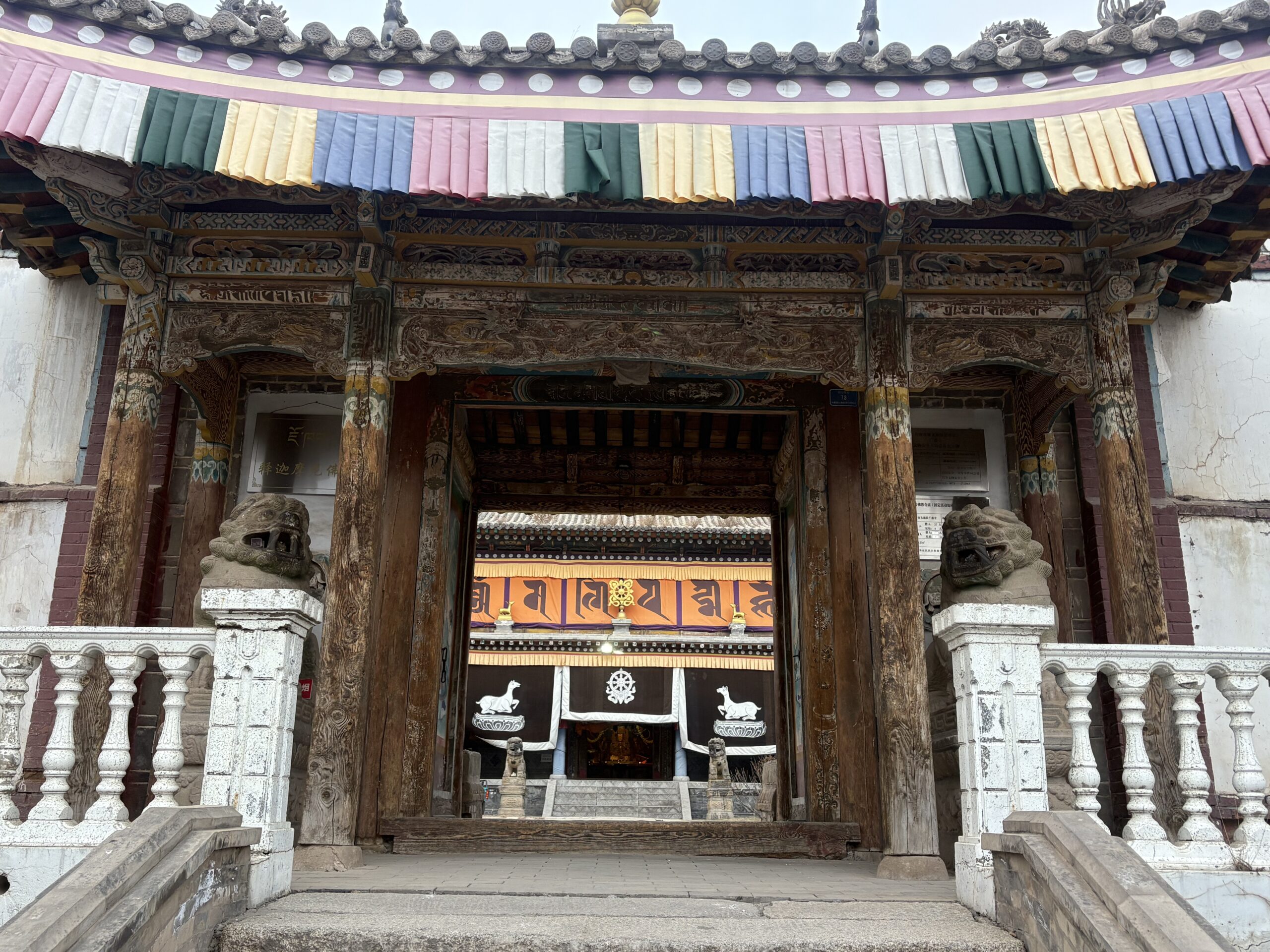
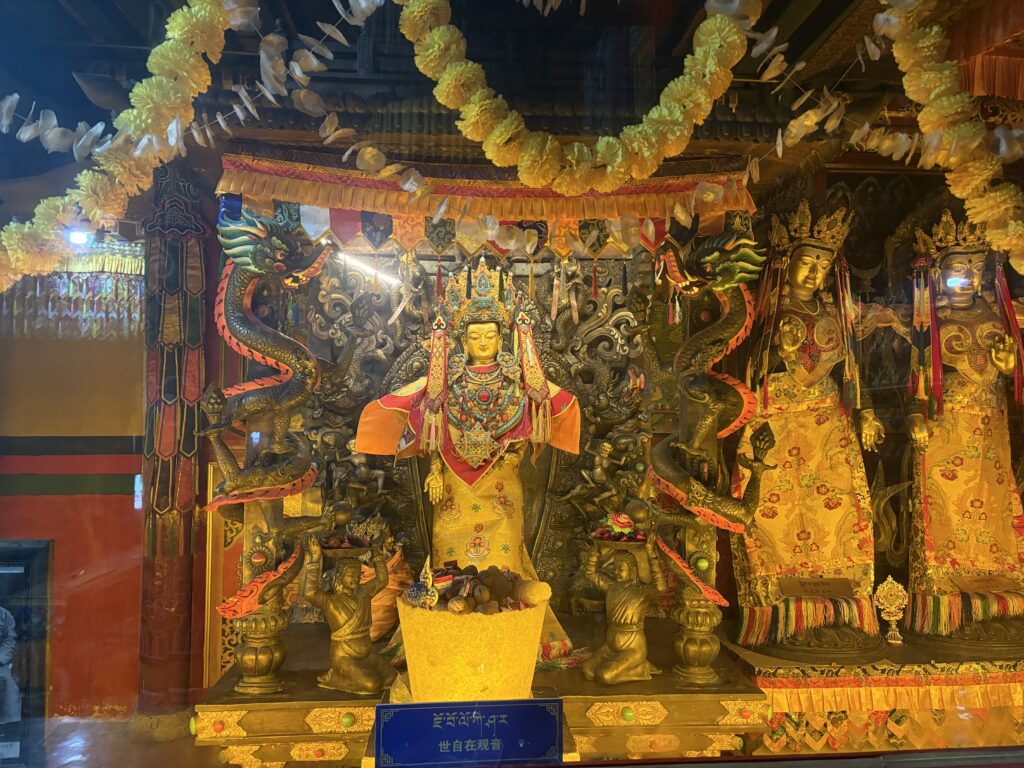
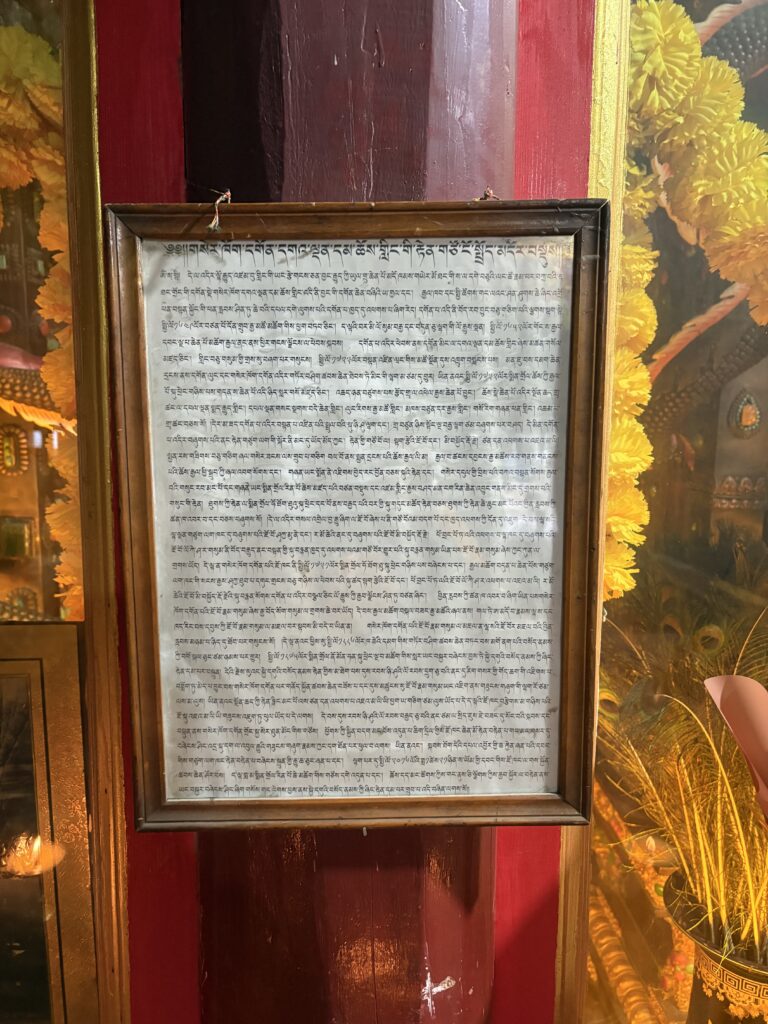
Blended Han courtyard and Tibetan monastic layout, with tiered white pagodas as its landmark feature; a cluster of multi-layered stupas stands beside the main assembly hall, the most recognizable icon of Serkog. It preserves antique thangka scrolls, inscribed stone steles and Qing-dynasty bronze Buddha statues.
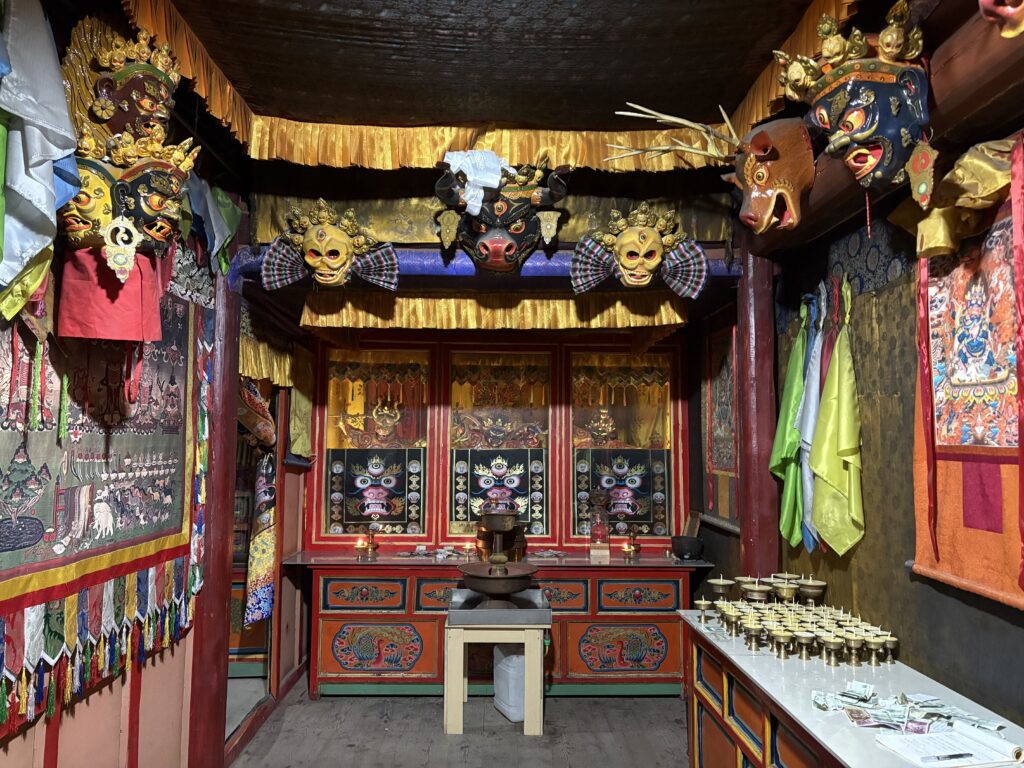
Tucked in forested mountain valleys near Xining, Serkog Monastery ranks among Amdo’s four historic great Gelug shrines. Established in the early Qing Dynasty with imperial authorization, it once thrived as a pivotal Buddhist learning hub governing numerous affiliate temples. Its signature clustered multi-tiered white stupas stand out against green hills, embodying harmonious fusion of Han and Tibetan building craft and remaining a revered pilgrimage landmark of eastern Qinghai.