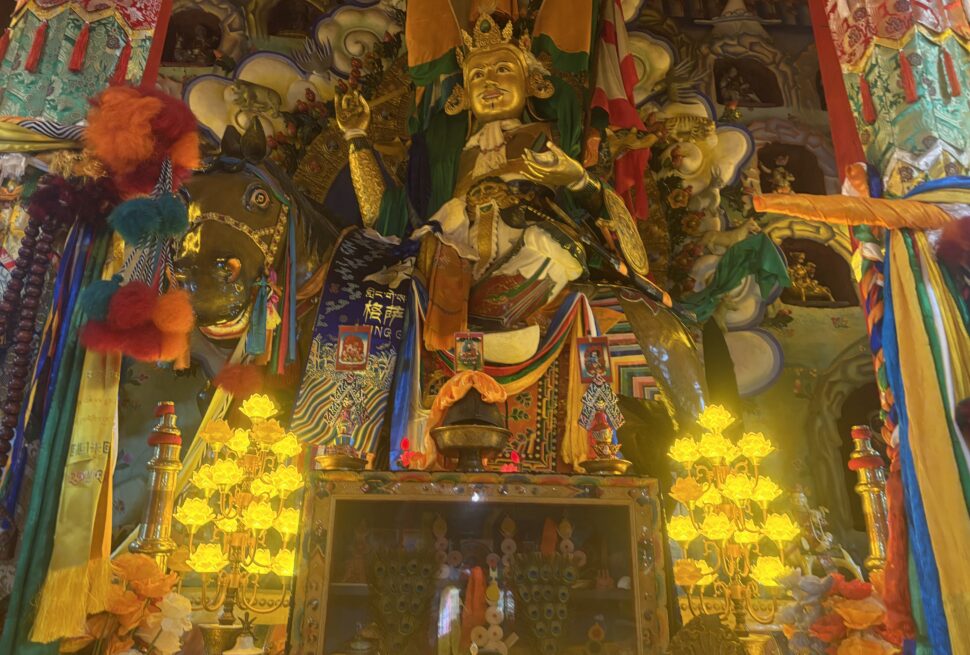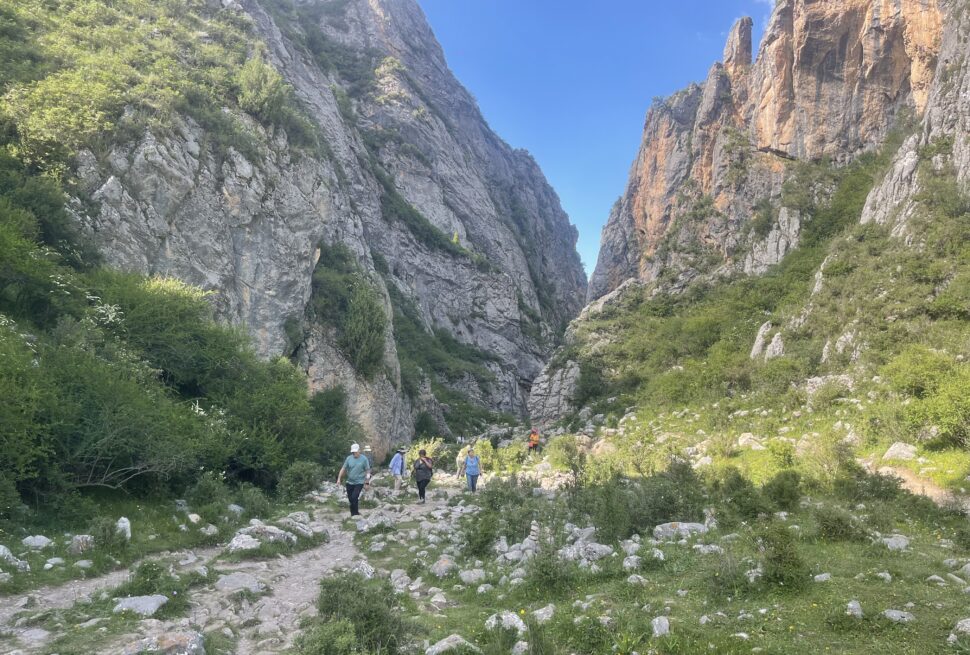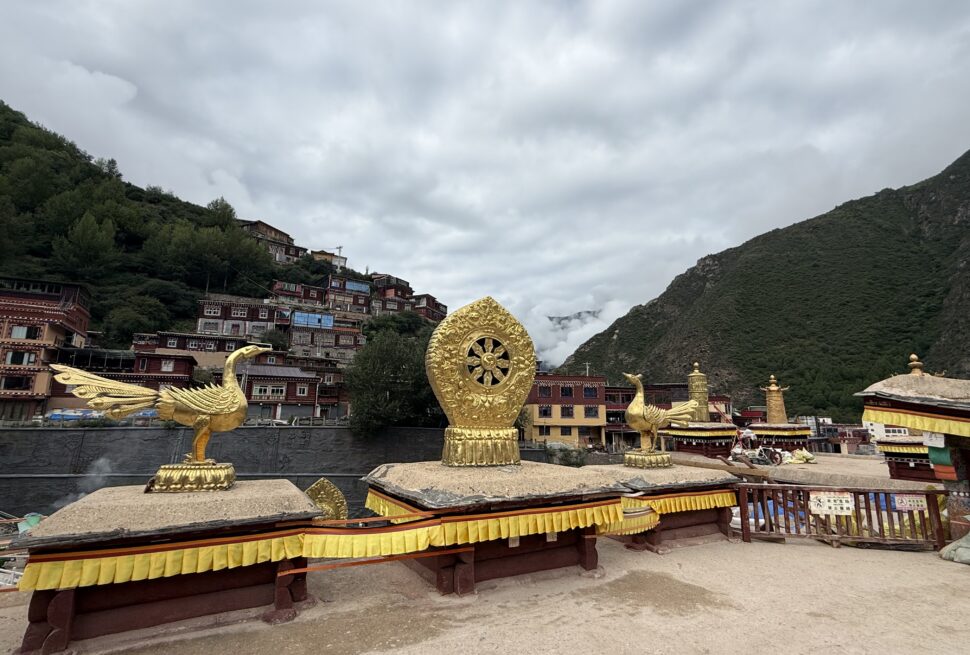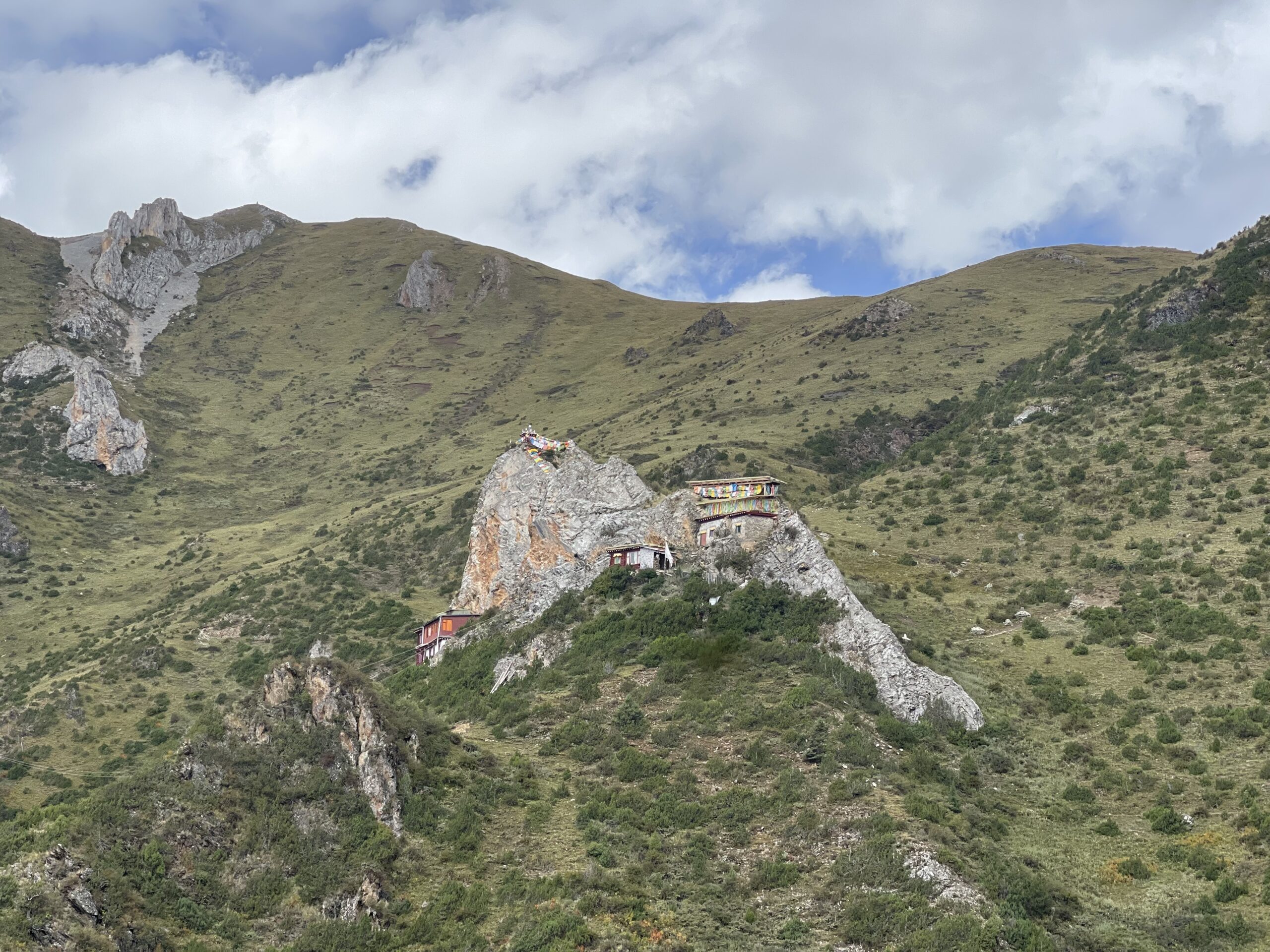
Pema Shelpuk, literally translated as Lotus Crystal Cave, is a sacred retreat and hidden treasure site situated west of Dzongsar Monastery in Dege County, Garze Tibetan Autonomous Prefecture, Sichuan Province.
Name Origin
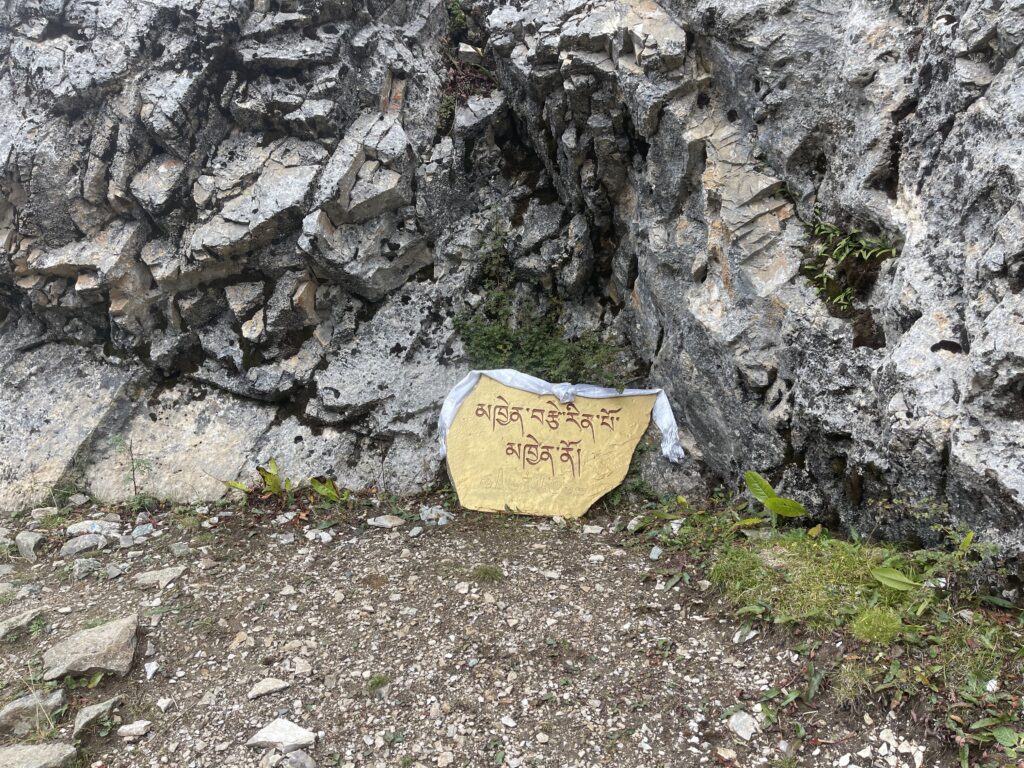
Pema derives from Sanskrit padma, standing for lotus.
Shelpuk means crystal cave or rocky grotto in Tibetan.
Its formal Tibetan name is Padma Shel Phug.
Geographic Location
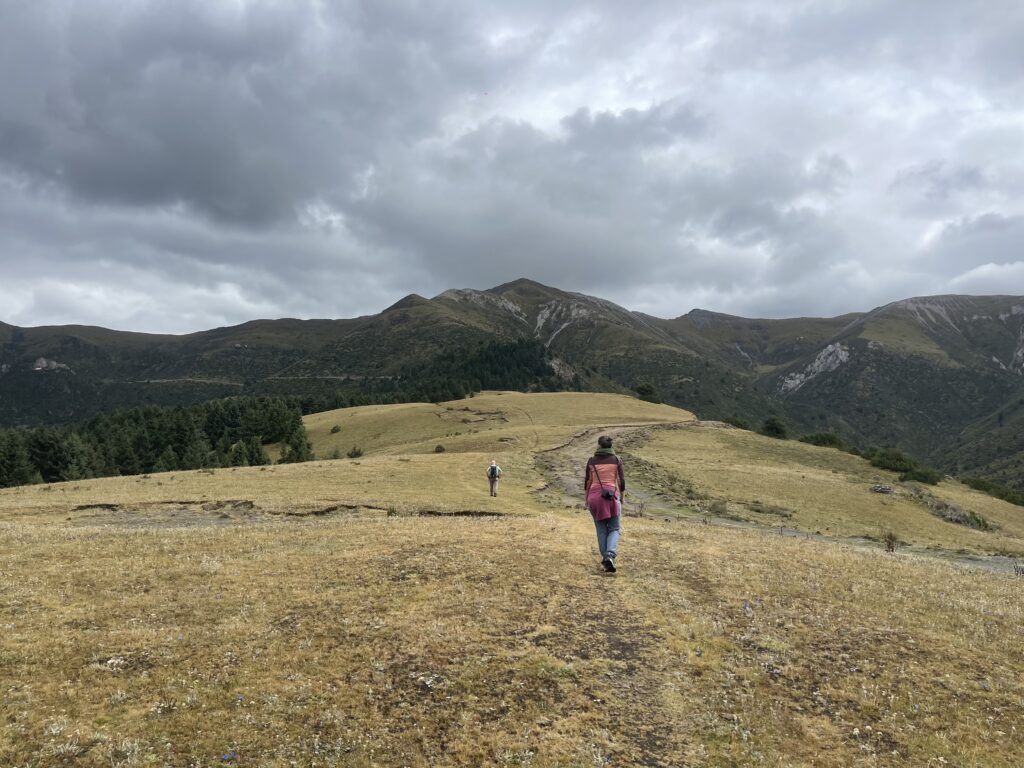
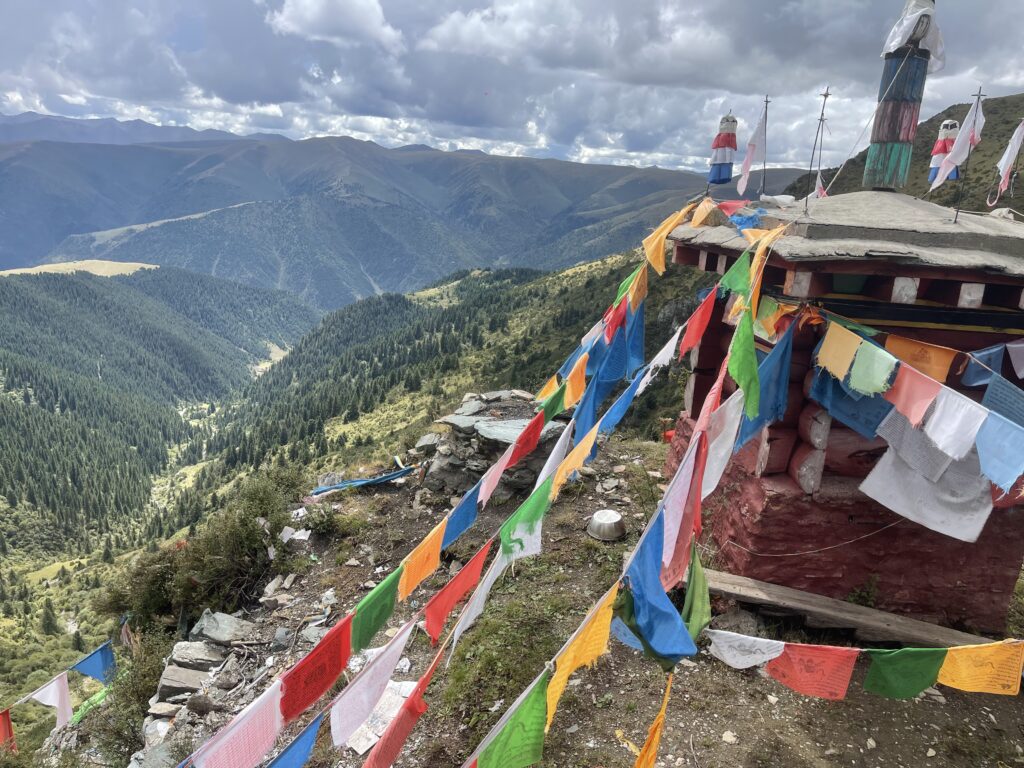
It lies on a mountain saddle in the valley west of Dzongsar Monastery, featuring pale cliff formations resembling crystal tents.
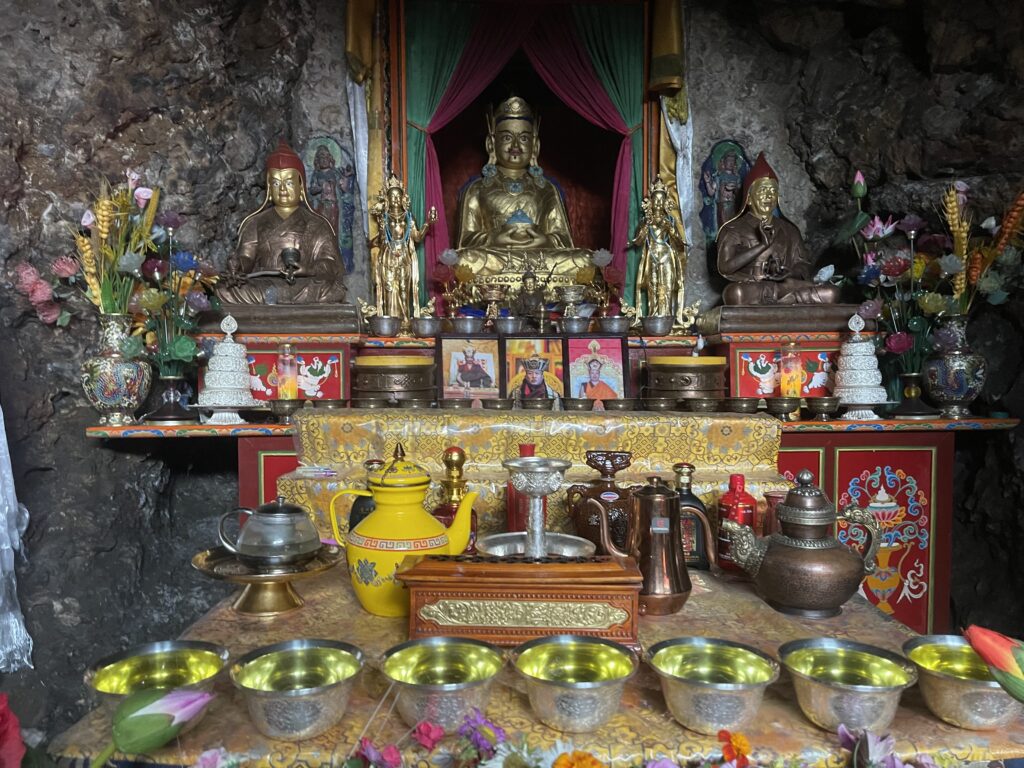
History & Spiritual Significance
The holy site was officially consecrated in January 1857 by Jamyang Khyentse Wangpo and Chokyur Lingpa, serving as the principal meditation abode of Jamyang Khyentse Wangpo.
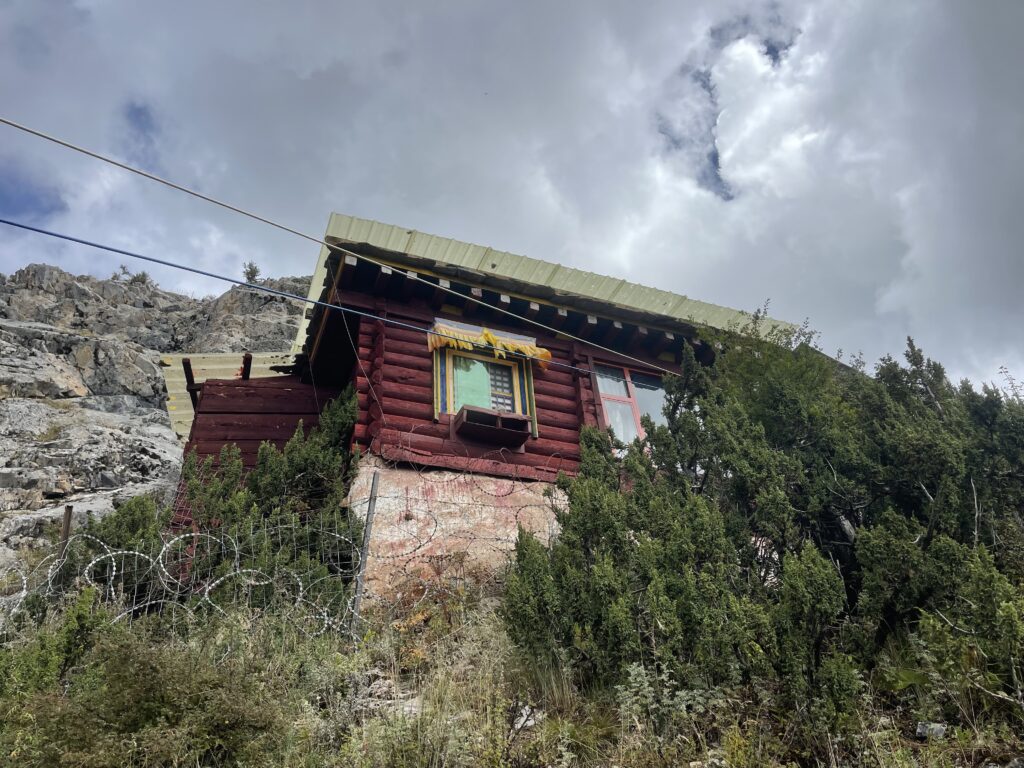
Regarded as a vital sanctuary linked to Padmasambhava and translator Vairocana, it preserves profound Dzogchen lineage treasures concealed by Yeshe Tsogyal. Natural formations inside manifest nine perfect mandalas. Vimalamitra, an eminent ancient master, once practiced meditation here, and holy medicinal spring water can be found on the premises.
The ancient cave complex suffered severe destruction in 1959 and has been restored in later years.
Religious Status
It ranks among the most revered practice grounds of the Nyingma school, dedicated to the cultivation of Vima Nyingtik, Khandro Nyingtik and Vairo Nyingtik teachings. Alongside Samye Chimpu, it is celebrated as one of Tibet’s two premier destinations for hidden treasure discovery and spiritual retreat.