Katok Monastery (Kathok/Kathog; Tibetan: ཀཿ་ཐོག་རྡོ་རྗེ་གདན་; Chinese: 噶陀寺)
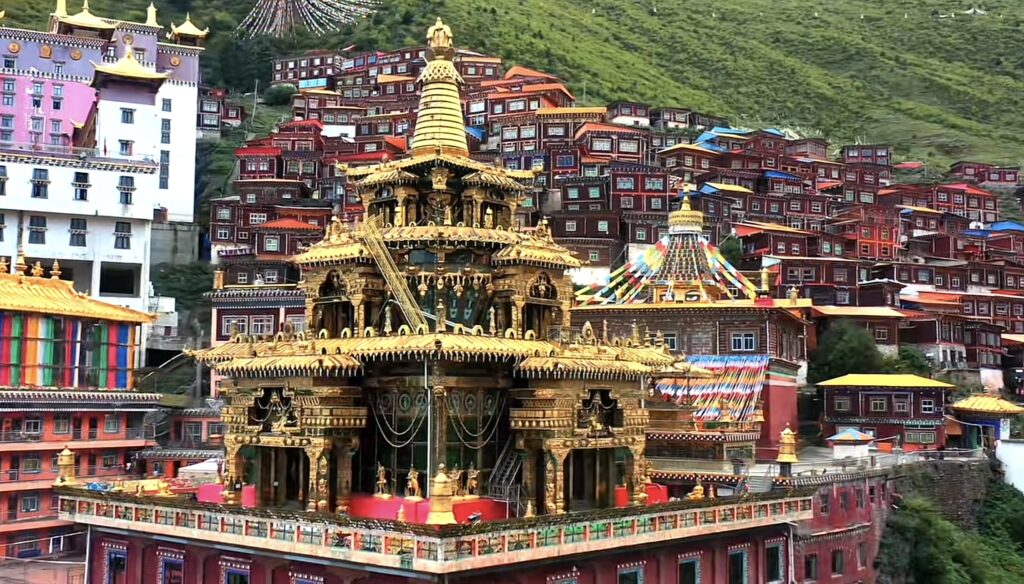
Core Identity: One of the Six Mother Monasteries of the Nyingma school (oldest Tibetan Buddhist sect), located in Baiyu County, Garzê, Sichuan (Kham, eastern Tibet).
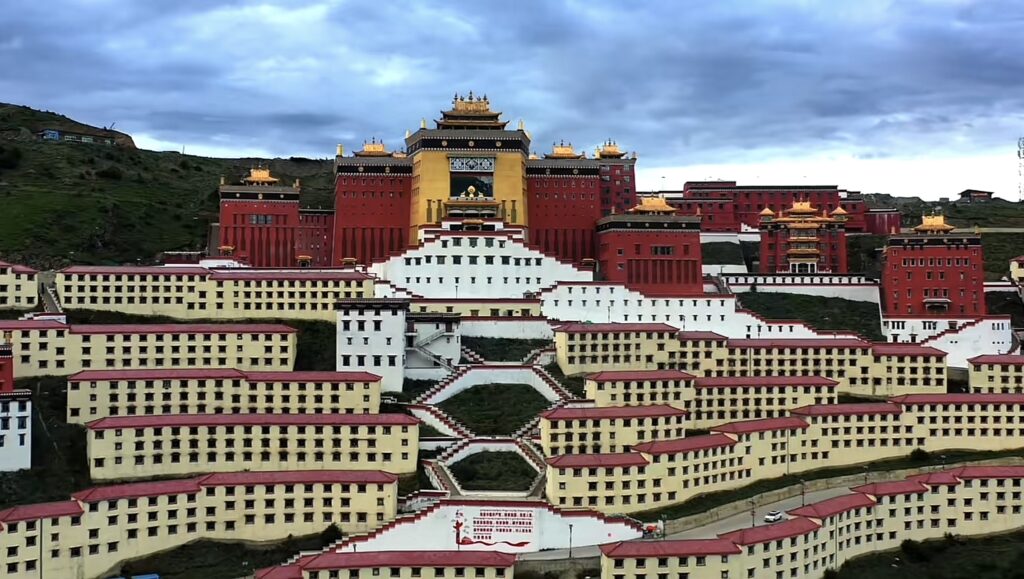
Basic Facts
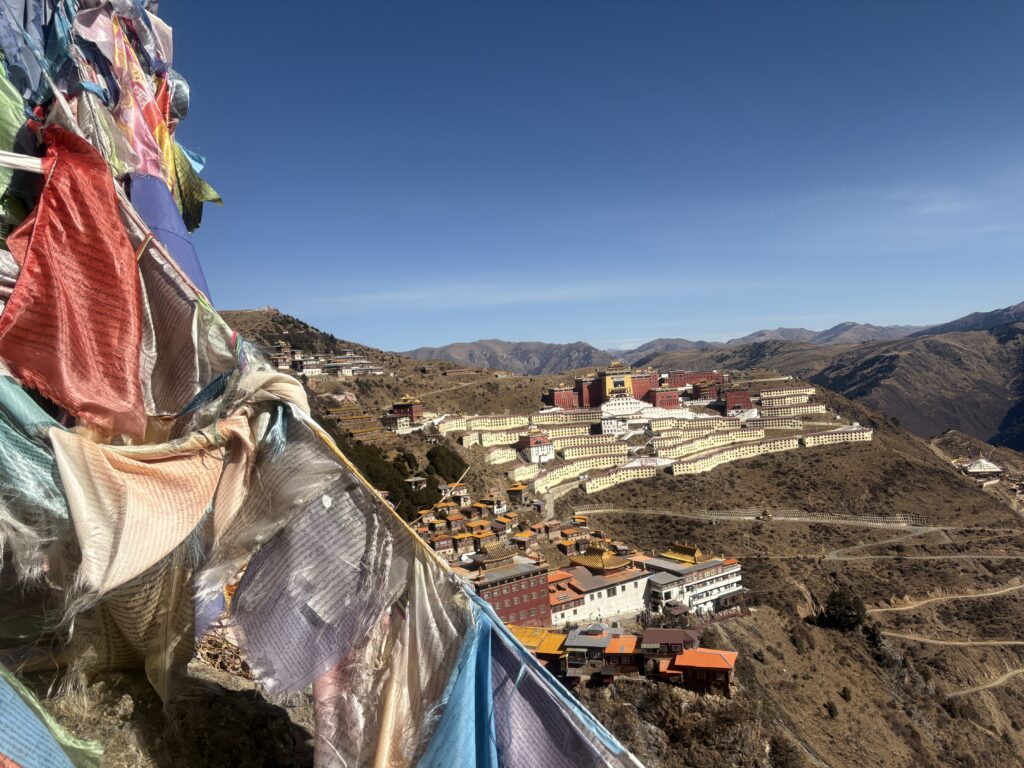
Founded: 1159 by Katok Kadampa Deshek (1122–1192).
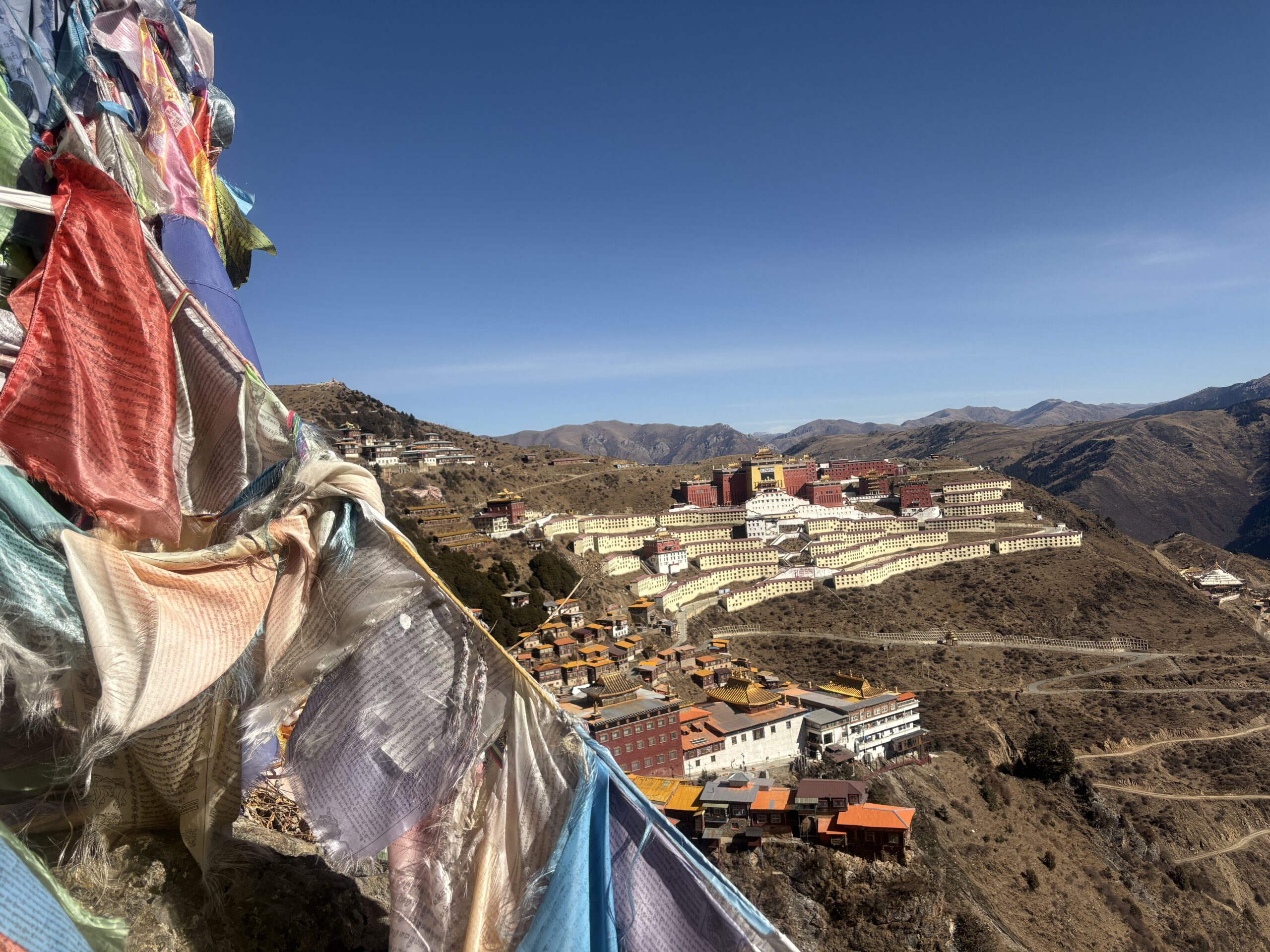
Elevation: ~4,000 m (13,100 ft) atop a mountain slope.
Name Meaning: “On top of the syllable Ka,” from a sacred rock with a natural “Ka” syllable where Guru Rinpoche meditated.
Nickname: “Second Vajra Seat” (after Bodh Gaya, India).
History & Significance
Origins: Built on a rock where Padmasambhava (Guru Rinpoche) meditated; he consecrated the site 13 times.
Legacy: Once headed 300+ branch monasteries; ~150 survive today. A key center for Dzogchen and Nyingma teachings.
Destruction & Rebirth: Destroyed during the Cultural Revolution; rebuilt from the 1980s using original stones.
Architecture & Key Features
Five‑storey main temple (“Glorious Copper‑Colored Palace” of Padmasambhava).
Massive complex with multiple temples, a renowned seminary, and practice centers.
Access: Via a dirt road with 18 hairpin turns.
Visiting Information
Location: Hepo Township, Baiyu County, Garzê, Sichuan, China.
Best Time: May–October (mild weather).
Notes: Remote. Dress modestly; photography rules apply inside temples.