Hotan Jade Market (Hetian Jade Bazaar)
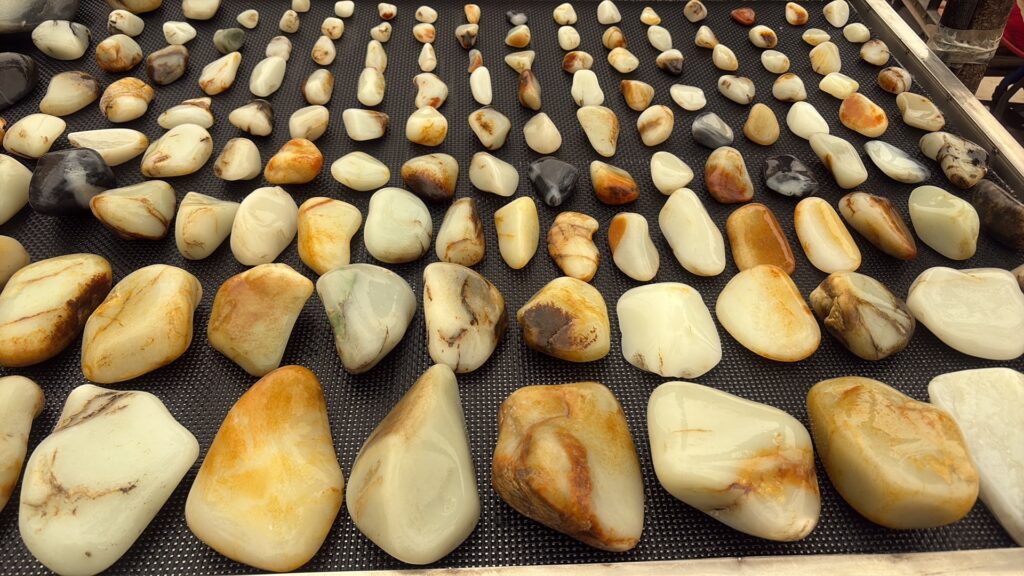
Hotan’s jade markets are the world’s largest nephrite trading hub, rooted in a 6,000-year-old “Jade Road” that predates the Silk Road.
Core Markets
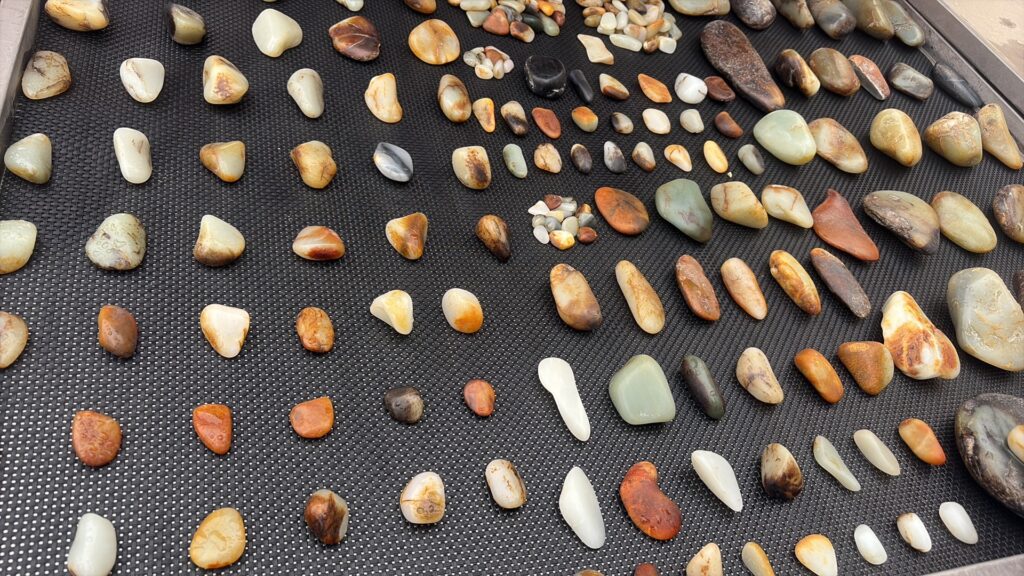
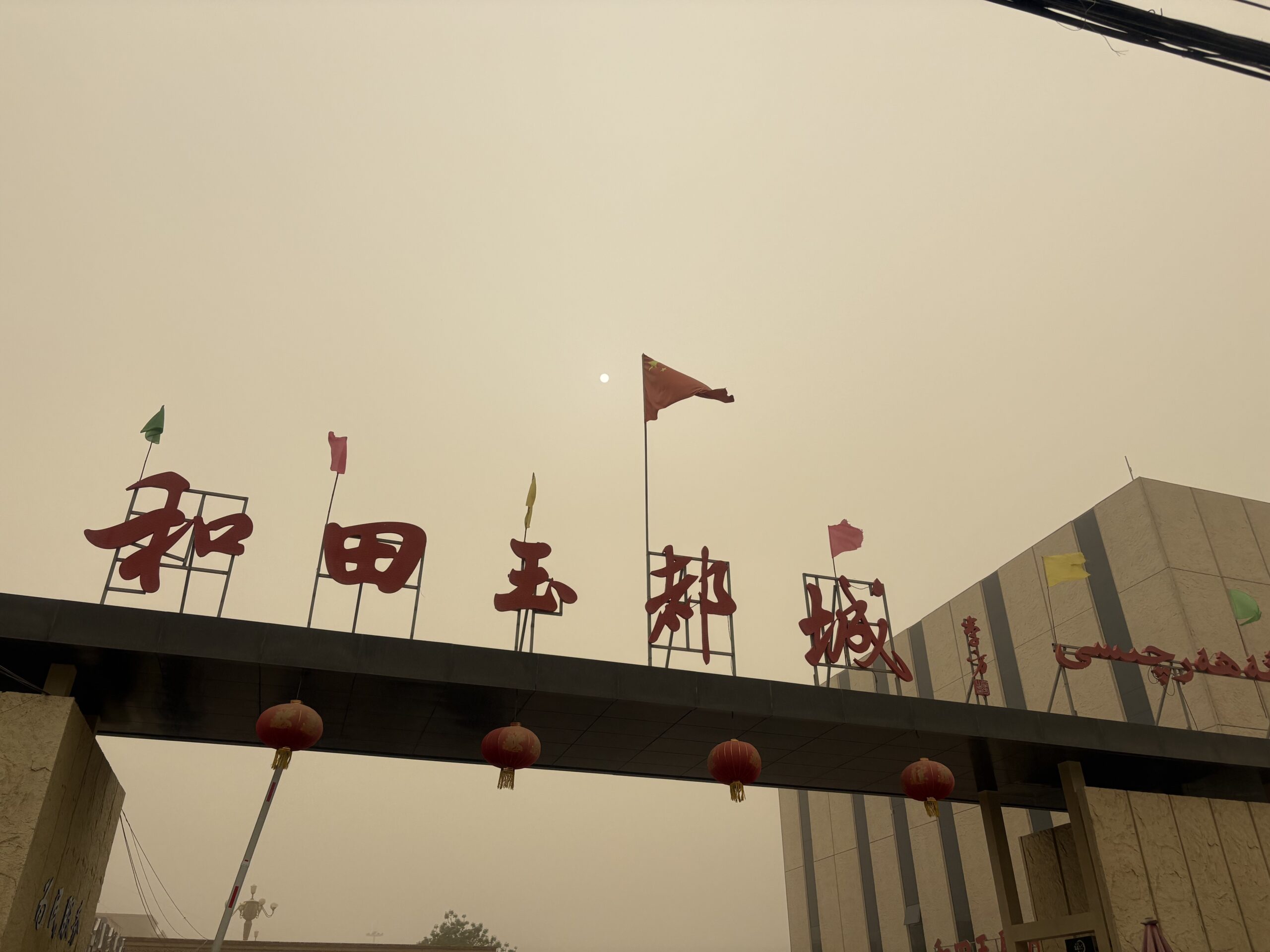
Hotan Jade Capital (Yuducheng)
The biggest and most organized market; indoor/outdoor stalls for raw seed jade (from Yurungkash/Karakash rivers), polished stones, carvings, and jewelry.
Sunday Jade Bazaar (Old City)
The historic, bustling open-air market; best on Fridays & Sundays (Uyghur market days). Focus on rough stone and small carvings; cash-only, heavy bargaining.
Yurungkash River Avenue Markets
Four regulated modern markets lining the river; mix of raw material, finished goods, and certification services.
What You’ll Find
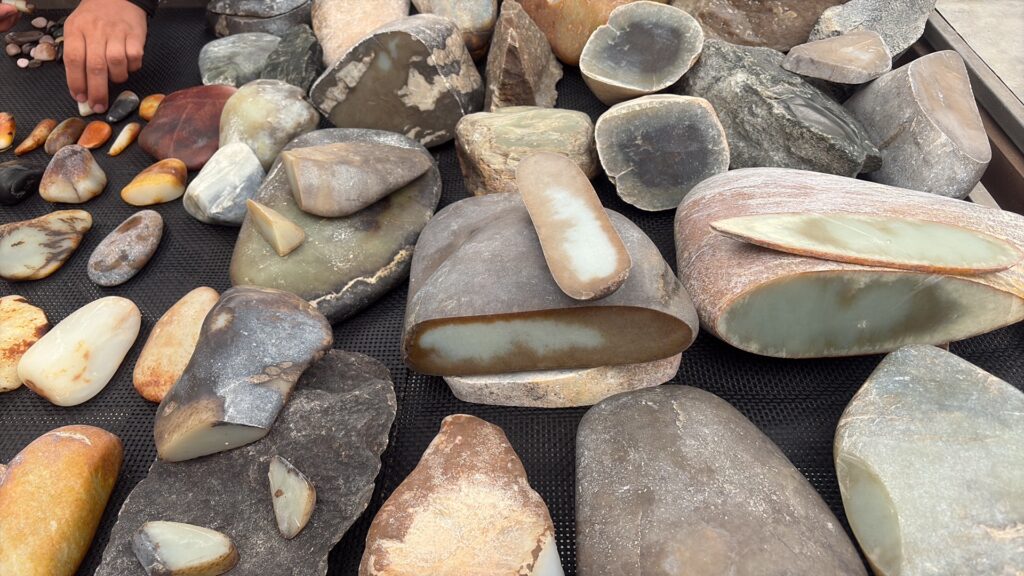
Raw Jade: Seed pebbles (highest value, white/gray/green), mountain rough, and gobi jade.
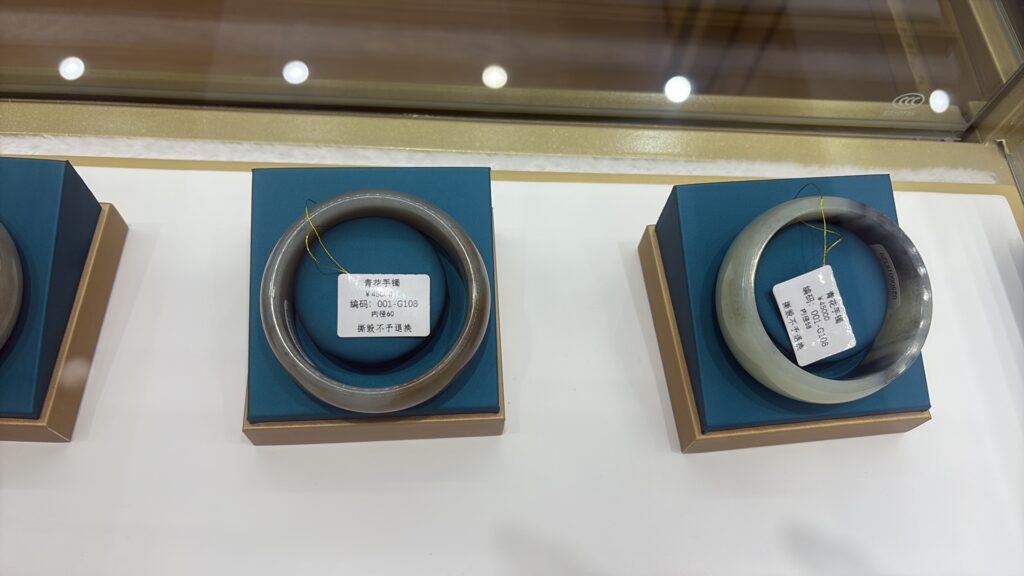
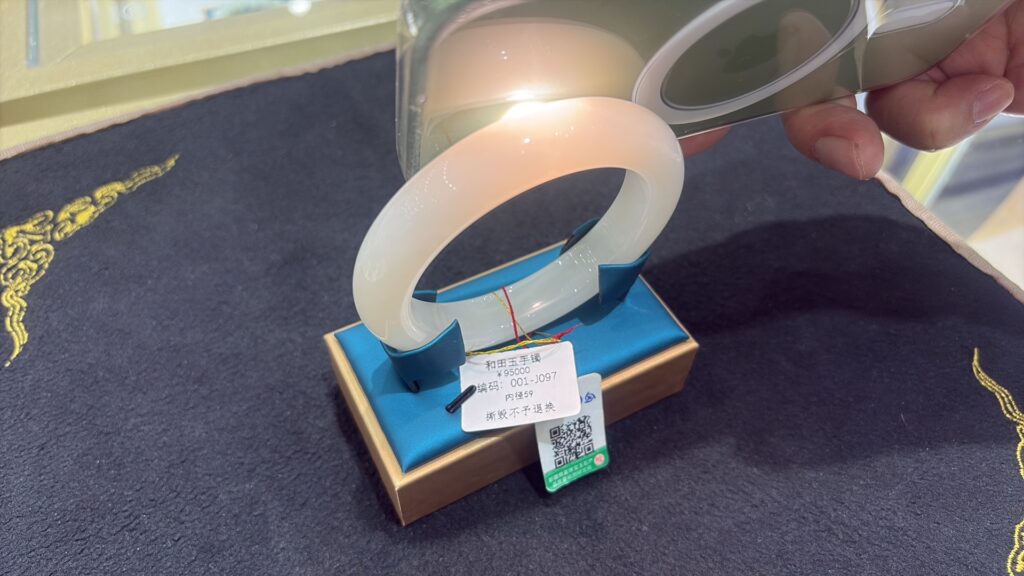
Finished Pieces: Bangles, beads, pendants, figurines, and inlaid art; specialties include mutton-fat white jade and sapphire green.
Crafts: Hand-carved wood, jade-inlaid Uyghur-style furniture, and silk carpets.
Shopping Tips
Best Time: Sunday morning (main bazaar); Friday afternoon (smaller, more local).
Prices: Raw seed jade ~ ¥200–20,000+; bangles ~ ¥500–50,000; small carvings ~ ¥100–5,000.
Bargaining: Start at 30–50% of asking price; be polite, walk away if needed.
Certification: Ask for Xinjiang Hetian Jade Association certificate for high-value pieces.
Caution: Watch for fakes (glass, resin, dyed stones); buy from established stalls.
Location & Access
Address: Yurungkash River Avenue / Old City (near Grand Bazaar), Hotan, Xinjiang.
Transport: Taxi from city center ~ ¥15–20; most hotels offer guided visits.
Highlights
Authentic Experience: Mix of Uyghur traders, Han dealers, and international collectors.
Cultural Immersion: Combine with Tuancheng and Hotan Grand Bazaar for a full day of local culture.
Unique Souvenirs: Take home a piece of ancient “Jade Road” history.