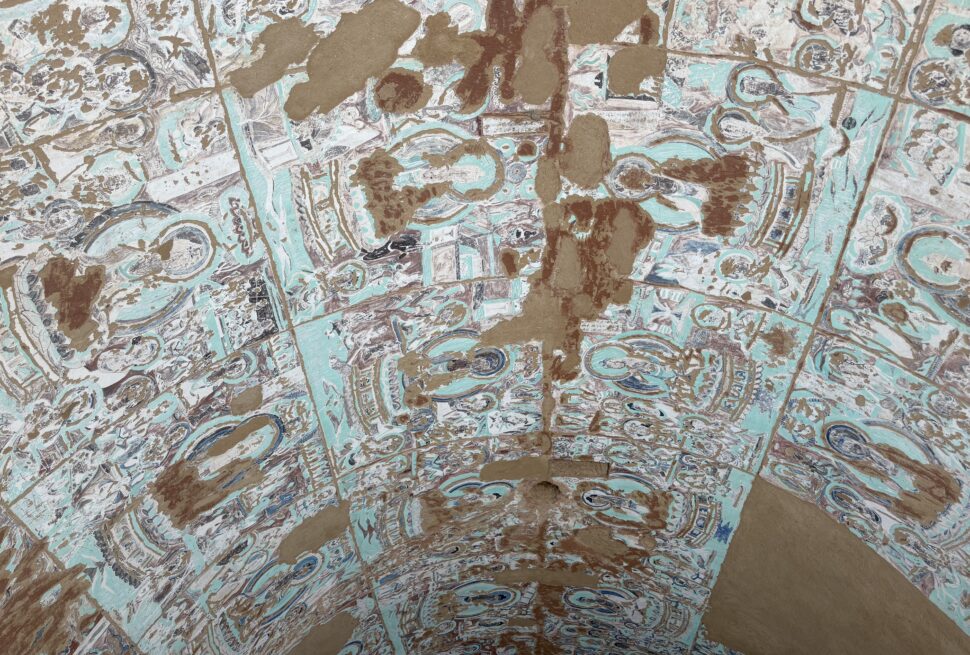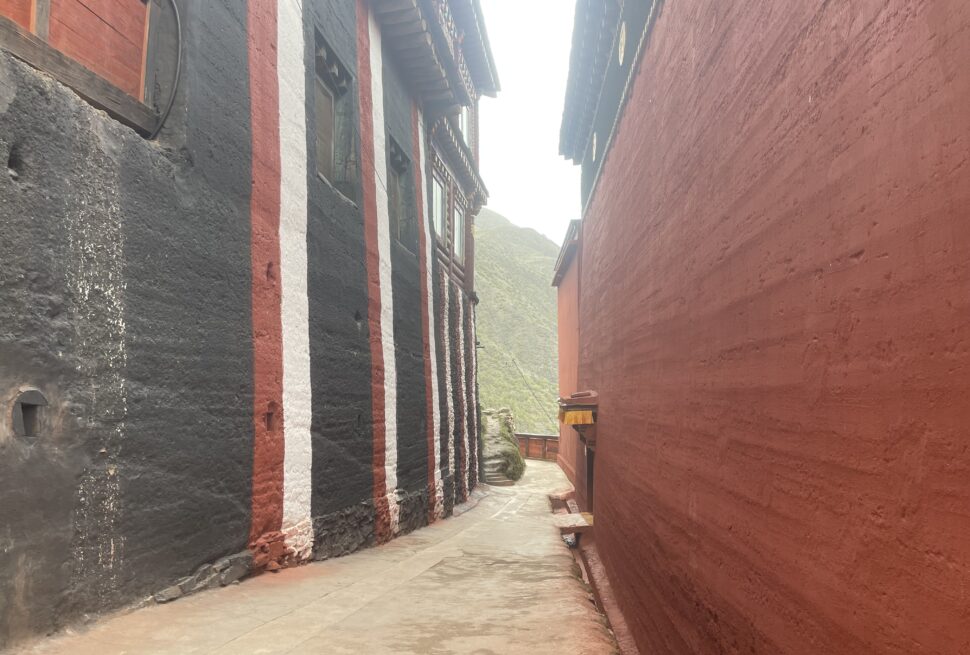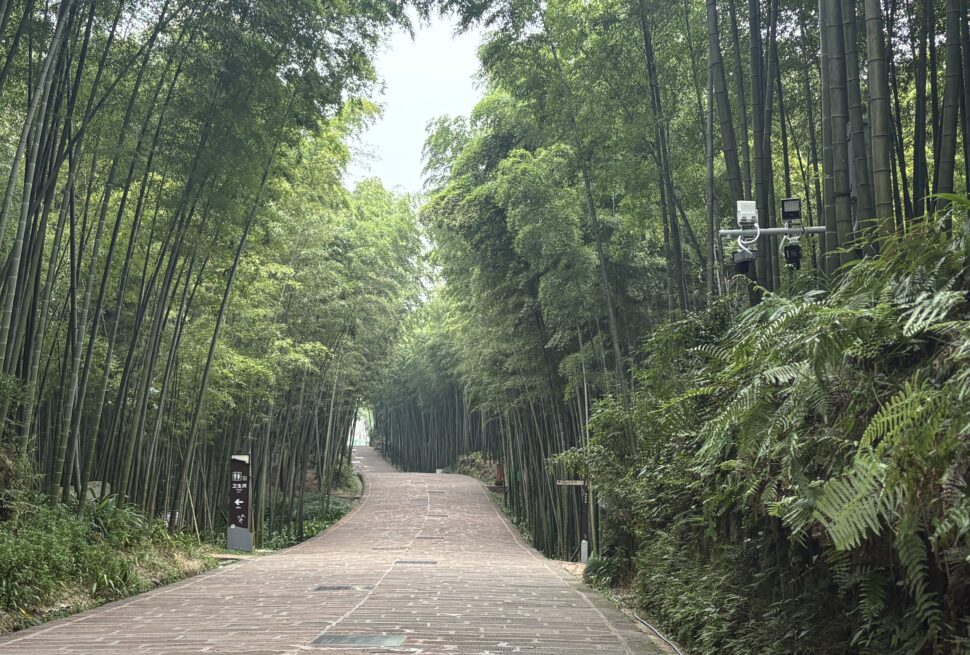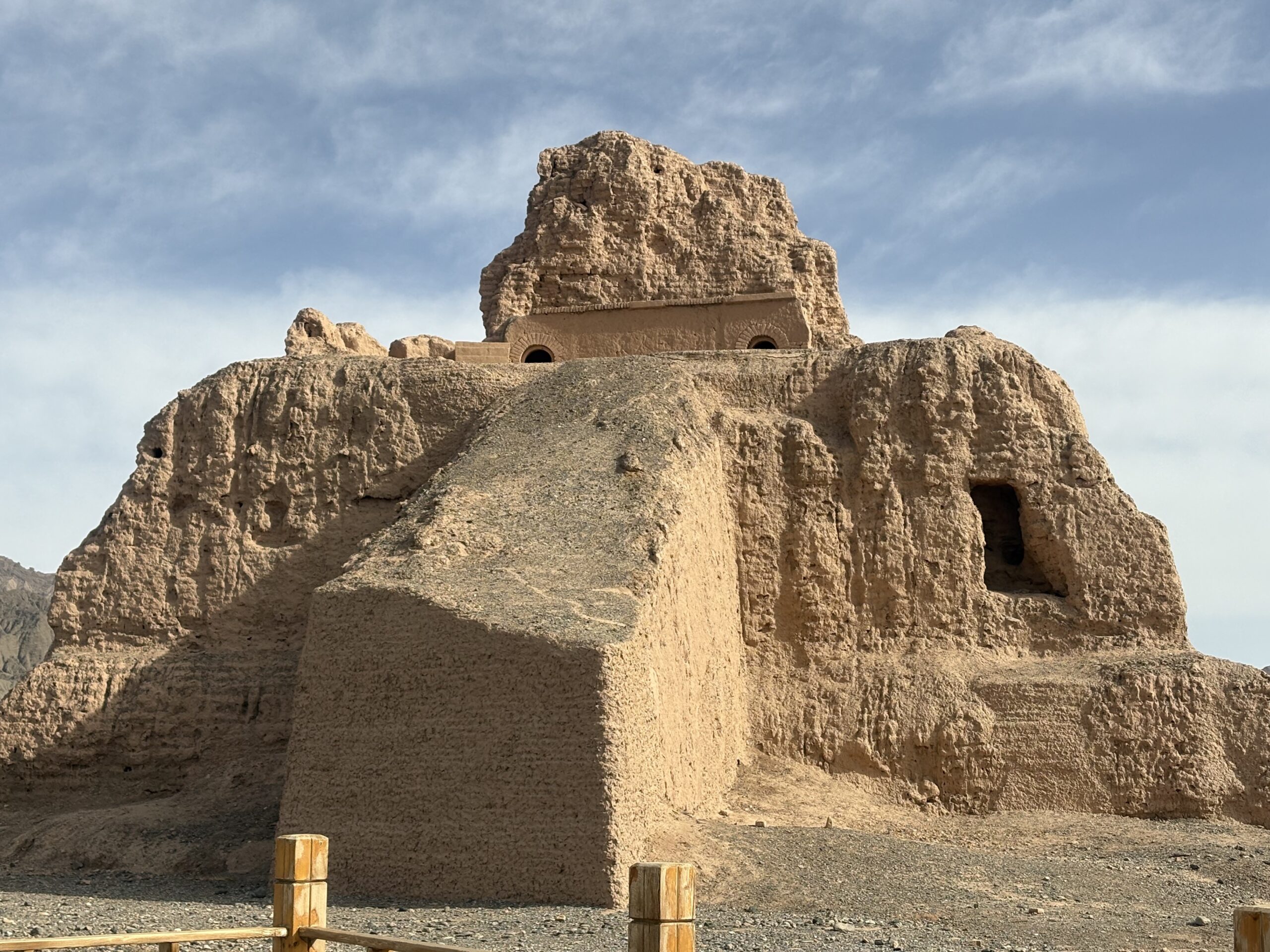
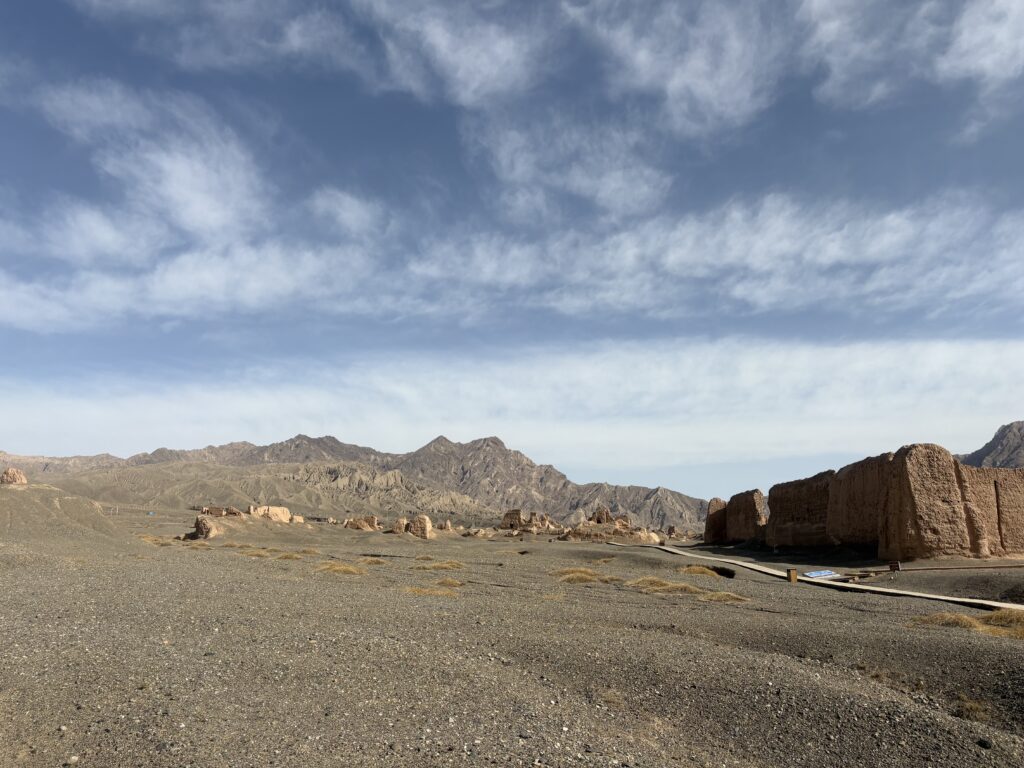
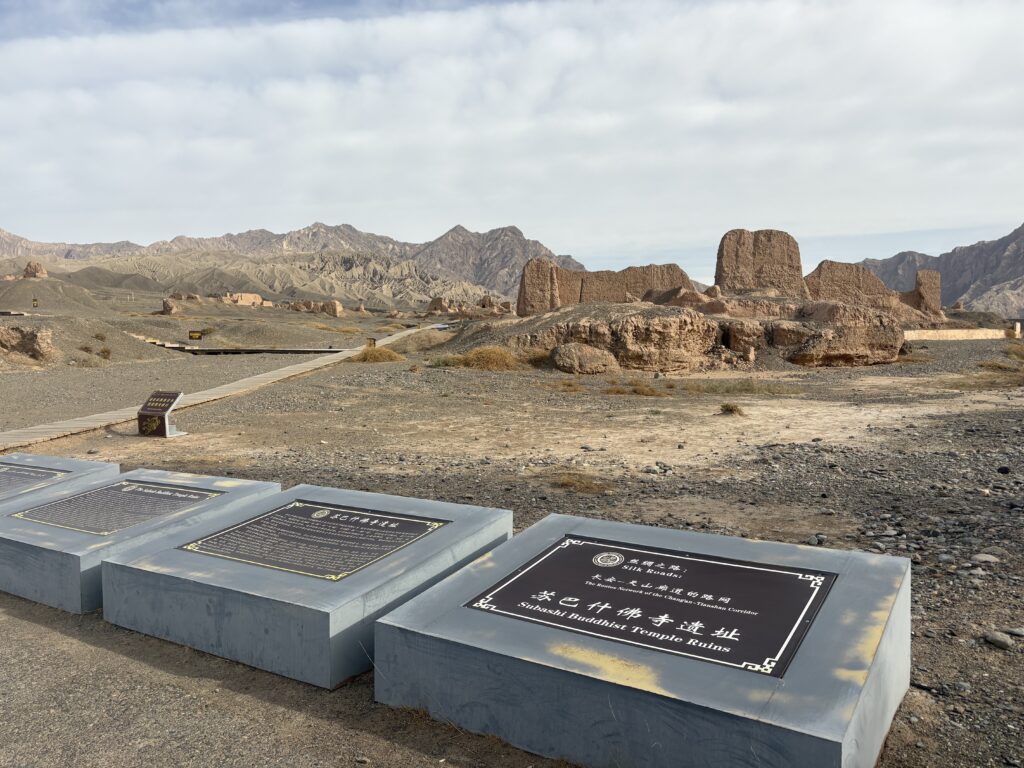
Subashi Buddhist Temple Ruins (Subashi Ruins, 苏巴什佛寺遗址 / Zhaoguli Temple 昭怙厘大寺) is Xinjiang’s largest & best-preserved ancient Buddhist complex, a UNESCO World Heritage Site near Kuqa.
Basic Information
Location: 20 km northeast of Kuqa City, Aksu; southern foot of Queletage Mountain, split by the Kuqa River into East Temple and West Temple.
Built: 3rd century AD (Eastern Han); flourished 6th–8th centuries (Sui-Tang); abandoned 10th century.
Area: ~200,000 m² (20 ha).
Heritage:
1996: National Key Cultural Relic Protection Unit.
2014: UNESCO World Heritage (Silk Roads: Chang’an-Tianshan Corridor).
Nickname: “Largest Buddhist Ruins in the Western Regions”.
History
Once the spiritual center of the ancient Qiuci (Kucha) Kingdom.
Kumarajiva (344–413 AD) preached here as a child.
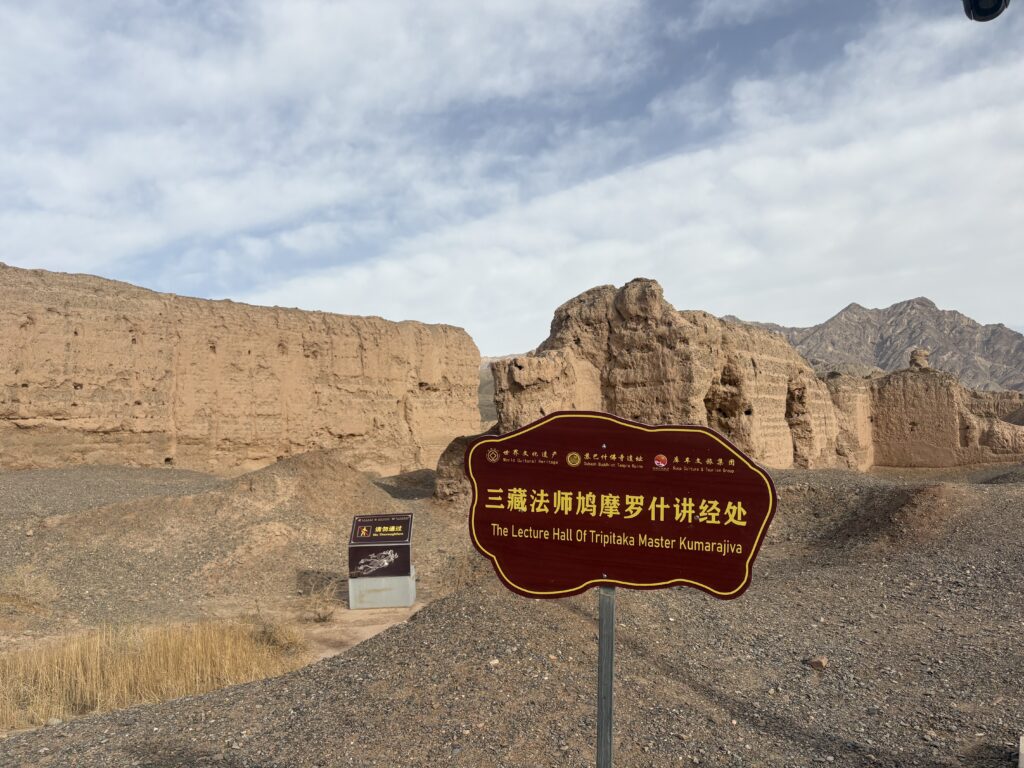
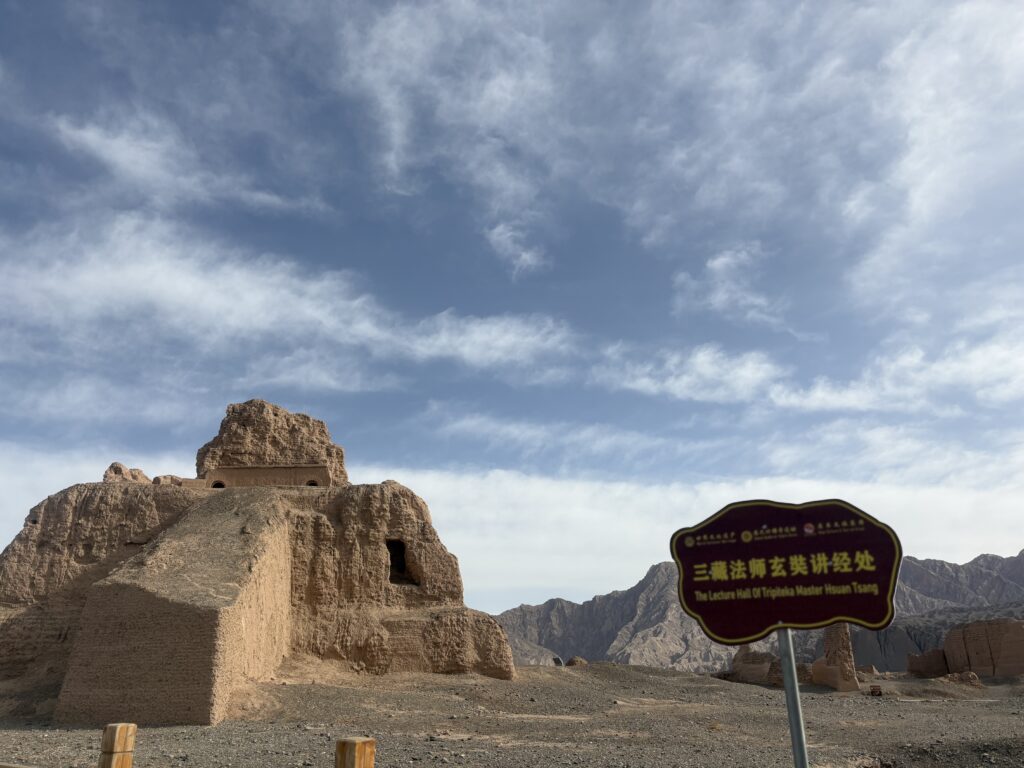
Xuanzang (628 AD) visited and recorded it in Great Tang Records on the Western Regions: “Two monasteries… images adorned with exquisite art”.
Layout & Highlights
East Temple (Larger): Grand stupa, Buddha halls, monk cells, lecture halls.
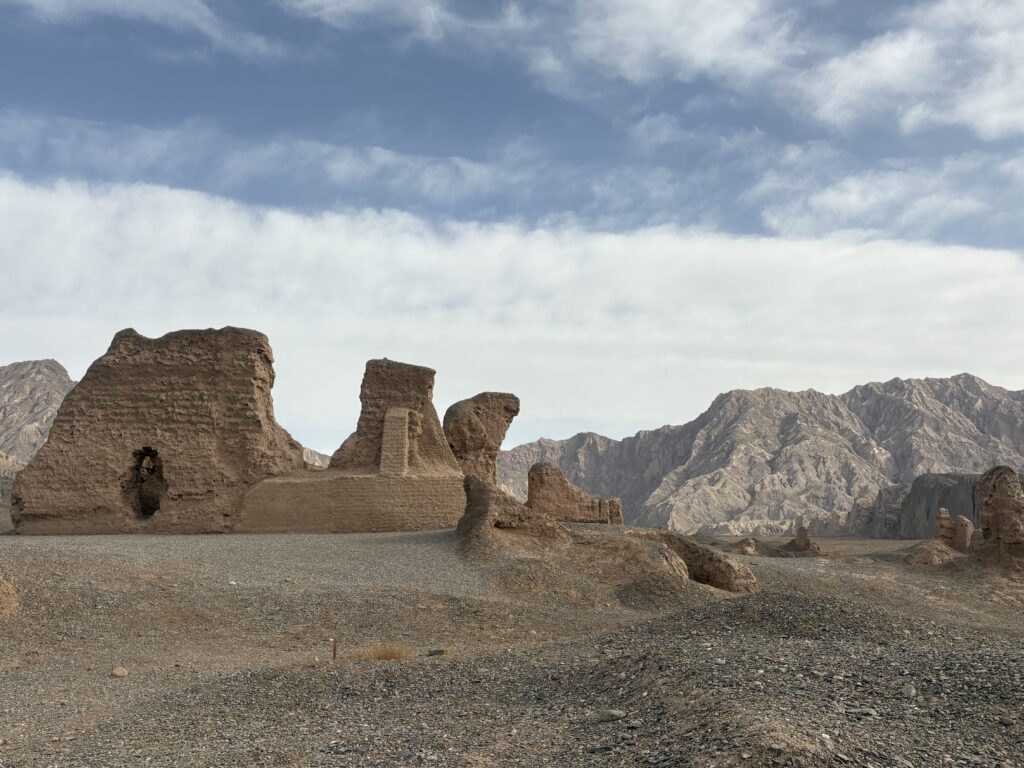
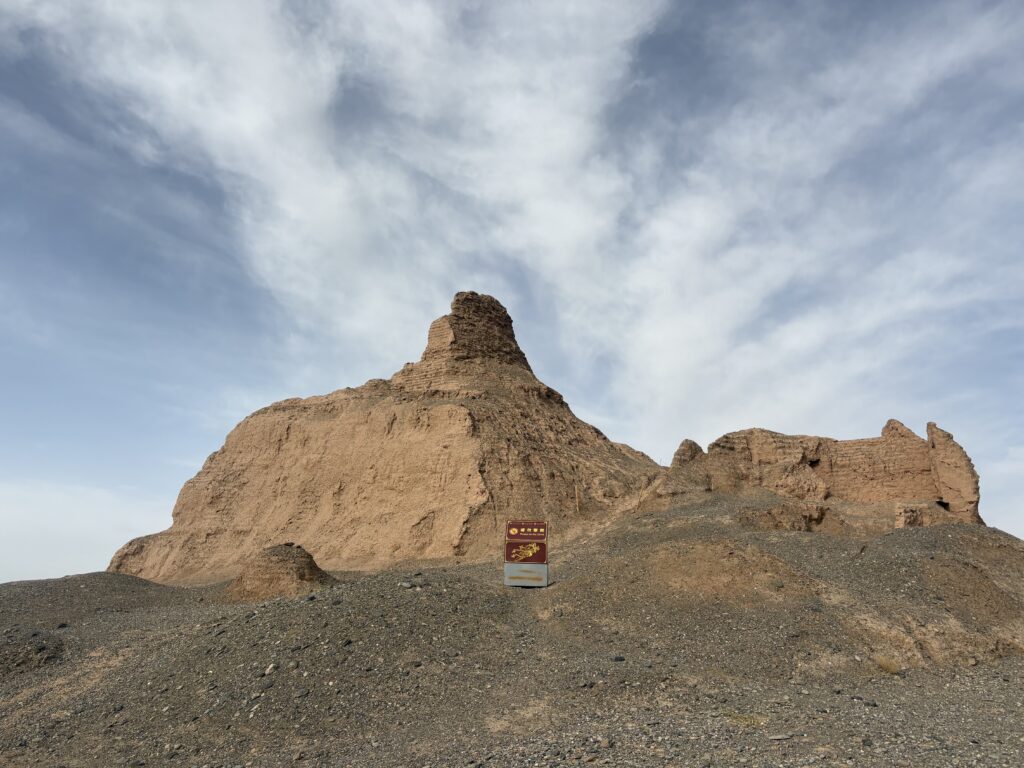
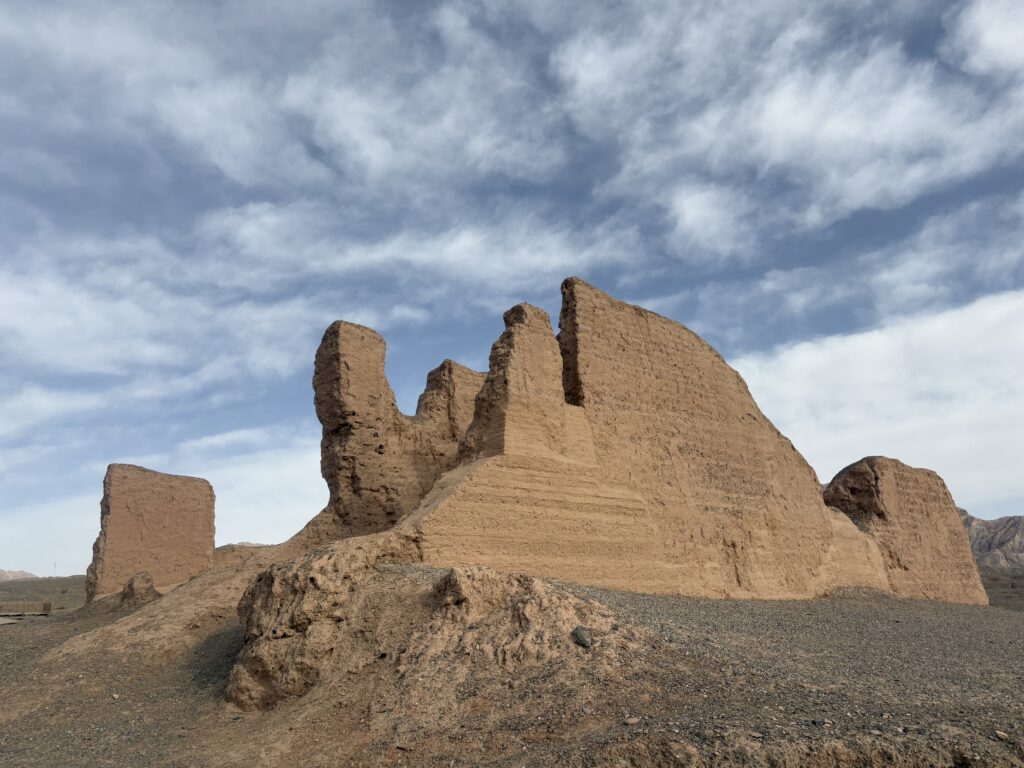
West Temple (Better preserved): Three earthen stupas, wall ruins, cave shrines.
Construction: Sun-dried mud bricks & rammed earth; typical Qiuci style.
Famous Finds: Sarira boxes, Subashi Witch mummy, murals, coins, and Central Asian art artifacts.
Visiting Tips
Best Time: May–October (clear skies, mild weather).
Hours: 9:00–19:00 (summer); 10:00–18:00 (winter).
Ticket: ~CNY 70 (covers both East & West Temple).
Combine: Pair with Kizil Caves, Kizilgaha Beacon Tower, and Kuqa Royal Palace for a full Qiuci Silk Road day.