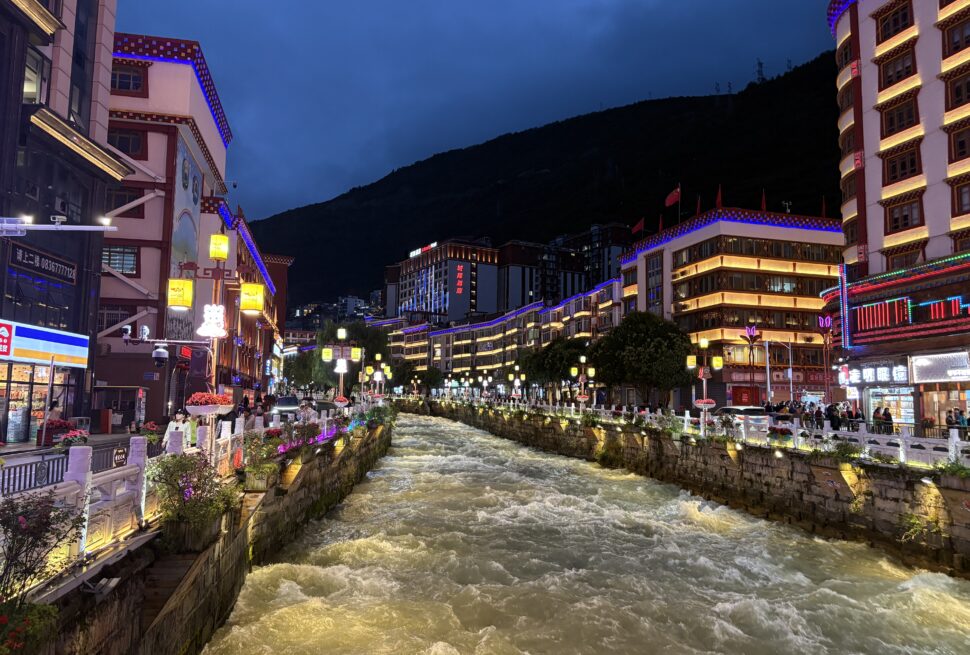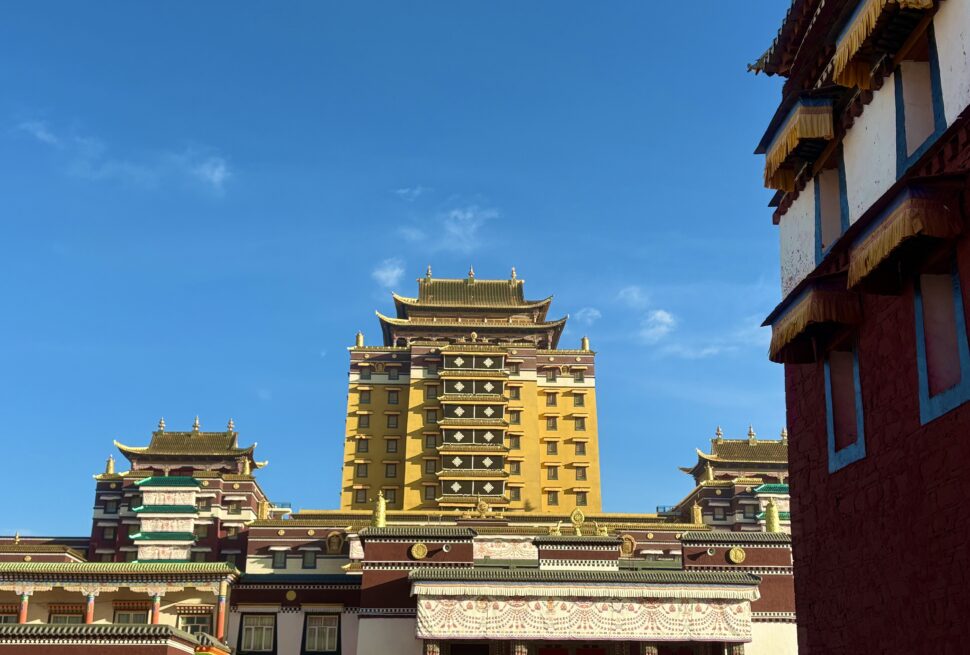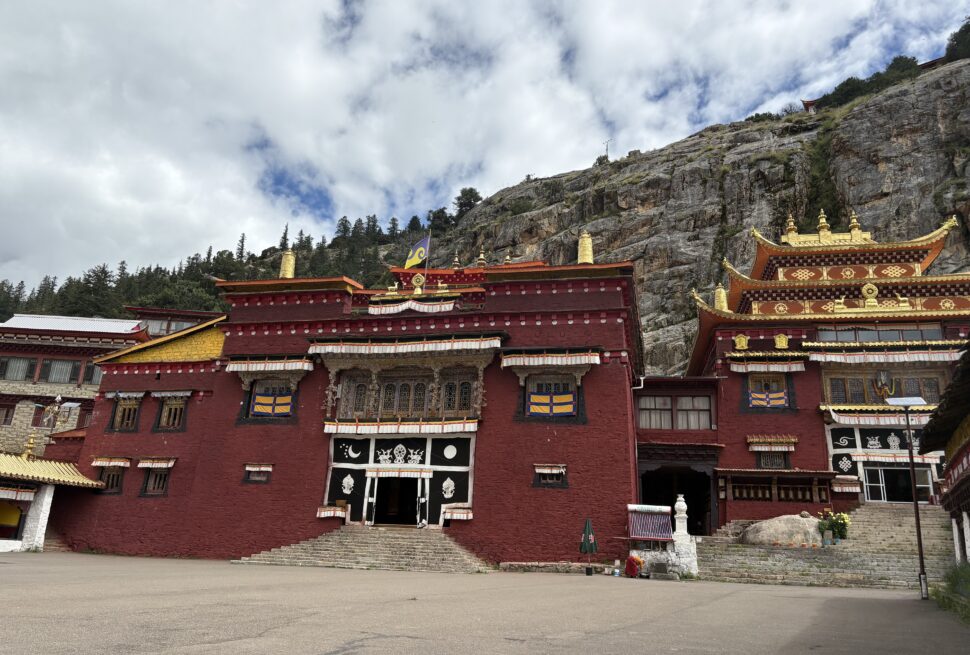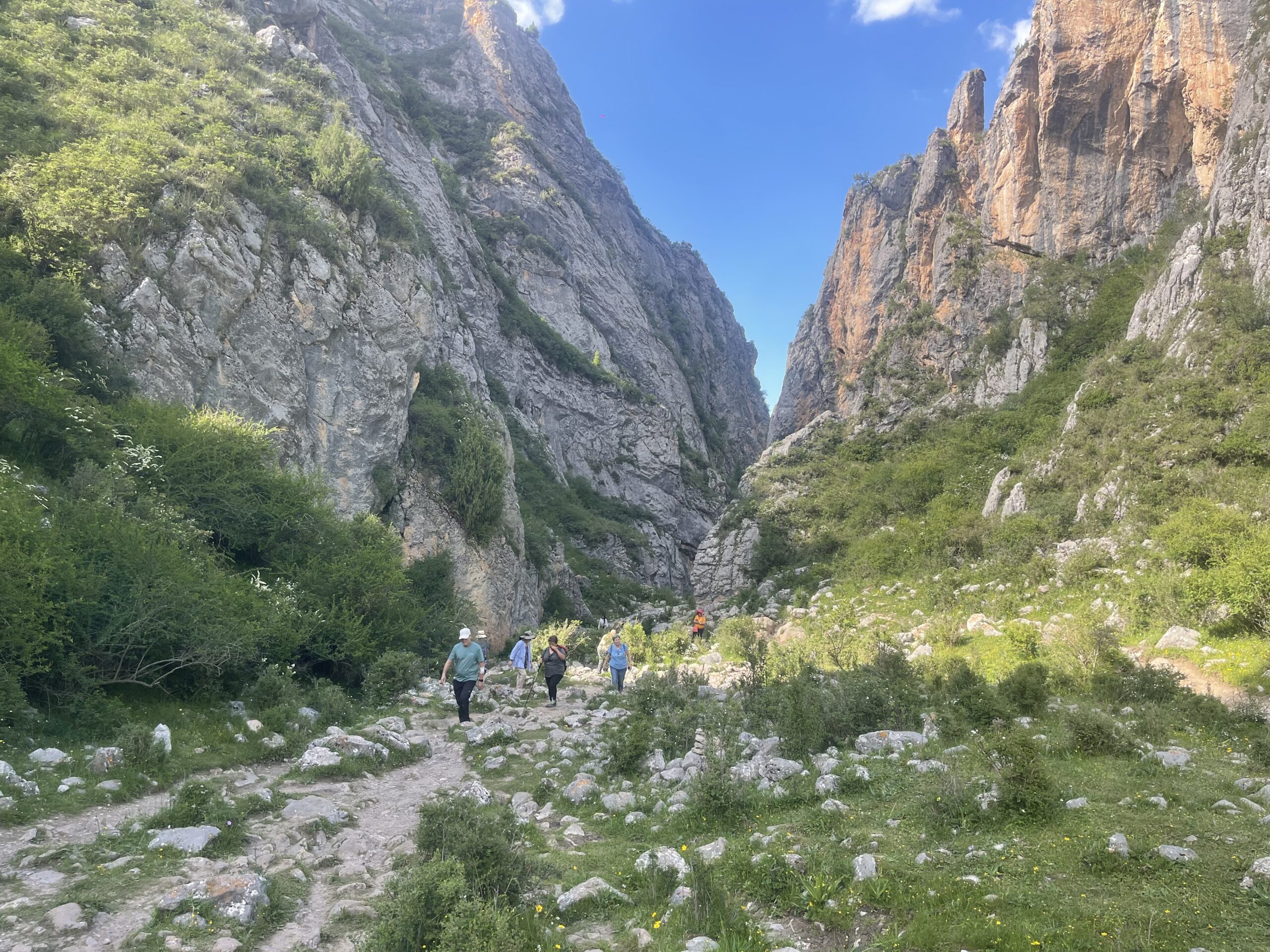
Taktsang Lhamo is the Tibetan name for Langmusi, a famed Amdo Tibetan town at the Gansu–Sichuan border (also near Qinghai). It’s a major Gelug Buddhist center and scenic alpine hub.
Core Basics
Location: Border of Gansu (Serti Monastery side) & Sichuan (Kirti Monastery side), Amdo region.
Elevation: 3,325 m (10,909 ft).
Name Meaning: Taktsang = Tiger Cave; Lhamo = Fairy.
Founding Legend: A guardian deity vanquished tigers and manifested as a stalactite; the town was named in her honor.
Two Key Monasteries
Kirti Monastery (Sichuan side)
Founded 1472 by Rongpa Chenakpa (disciple of Tsongkhapa).
One of the main seats of the Kirti Rinpoche lineage.
750 monks; adjacent to Lhamo Gorge (meditation caves).
Serti (Setri) Monastery (Gansu side)
Full name: Gaden She Dru Pe Kar Drol Wai Ling.
Founded 1748 by the 53rd Gaden Setri Gyal Tshen Seng Ge.
Known for its large assembly hall and mountain views.
What to See & Do
Bailong River: Runs through town, marking the Gansu–Sichuan border.
Lhamo Gorge: Hike to sacred caves, waterfalls, and the river source.
Monastery Tours: Observe monks’ daily life, prayer halls, and art.
Horse Trekking: Explore alpine meadows and nomad camps.
Best Time: May–October (mild; wildflowers in summer).
Significance
A vital Amdo Tibetan cultural and religious crossroads.
Blends Tibetan, Han, and local ethnic traditions.
Often called the “Little Switzerland of China” for its scenery.
Quick Travel Tips
From Lanzhou: ~4–5 hrs by bus/car.
From Xining: ~5 hrs.
From Chengdu: ~7–8 hrs.