Dandou Temple (Dan Dou Monastery, Tibetan: Dandou Xie Jiyanggong)
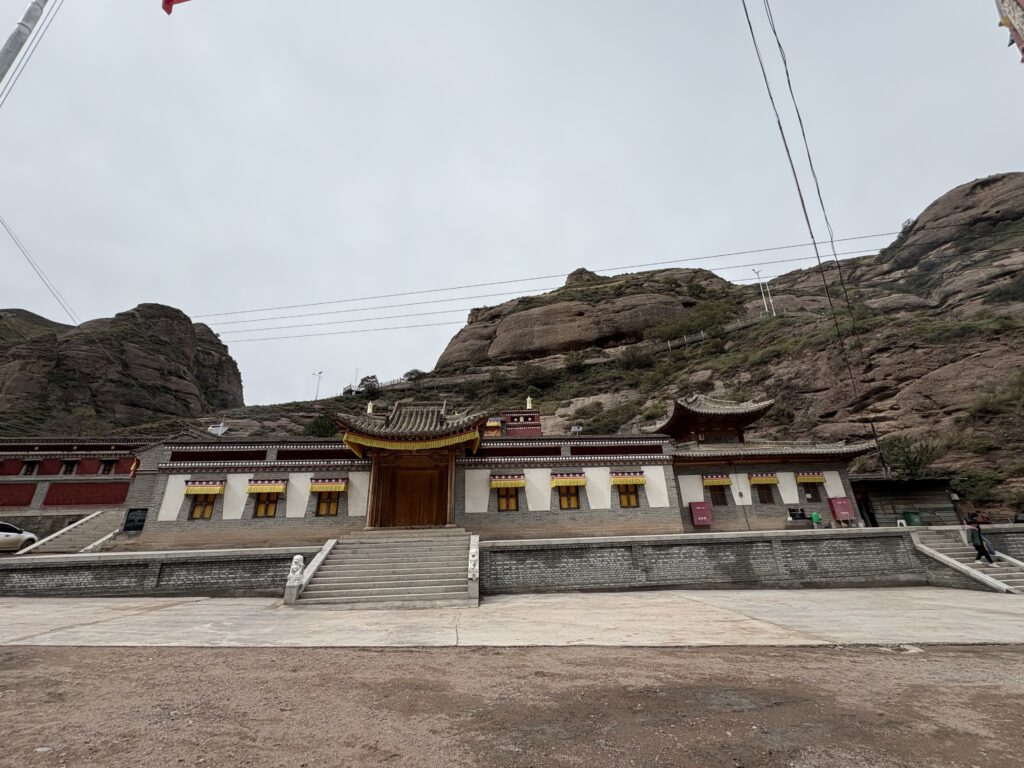
Basic Info
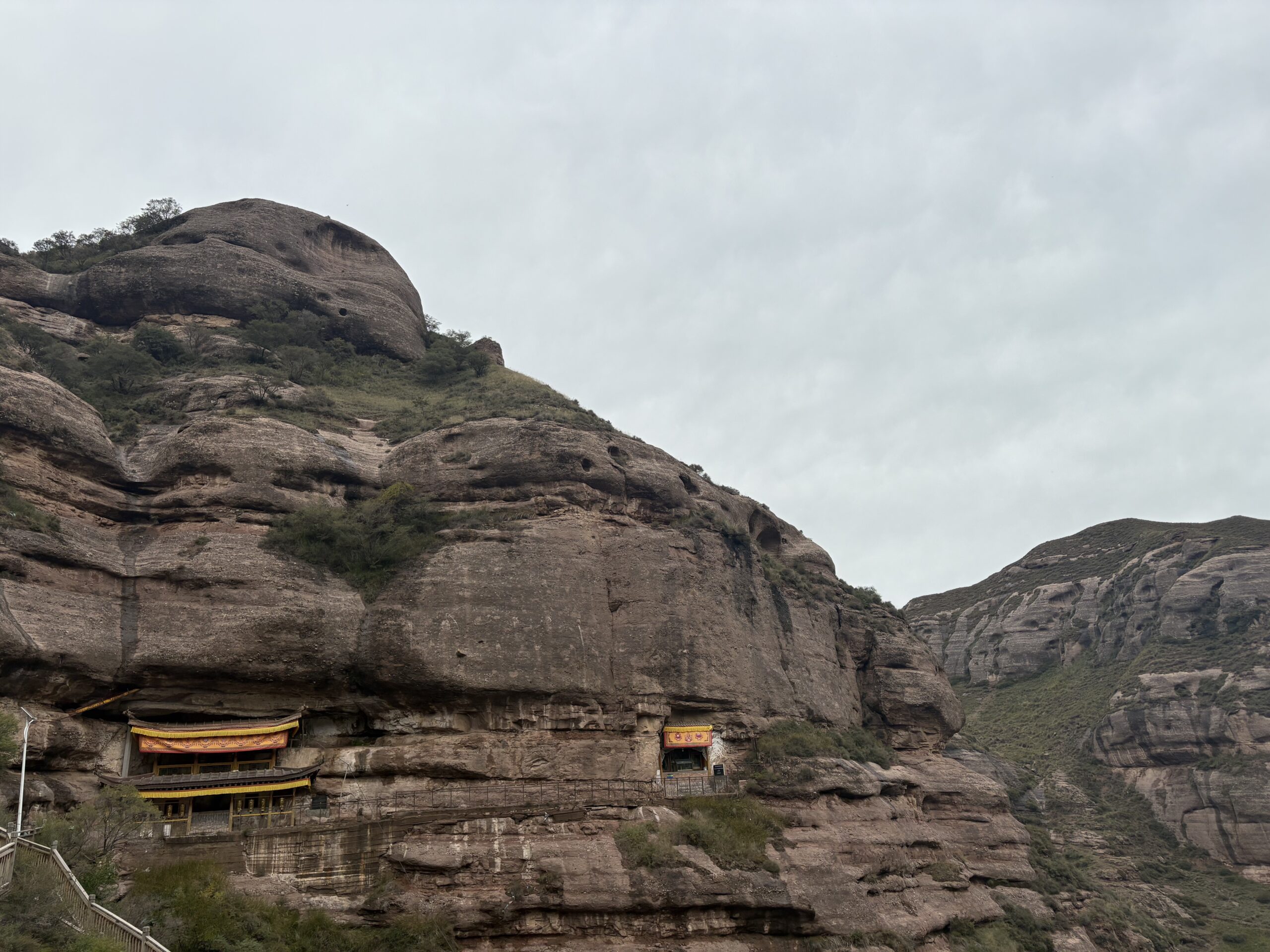
A pivotal ancient Amdo Tibetan Buddhist shrine tucked into cliffside grottoes in Xiaojishi Mountain, Hualong County, Haidong, Qinghai, north bank of Yellow River. Honoured as the birthplace of Tibet Buddhism’s Later Diffusion Period (Lower Route Dharma Propagation) and listed as China’s National Key Cultural Relic Site in 2013.
Core History
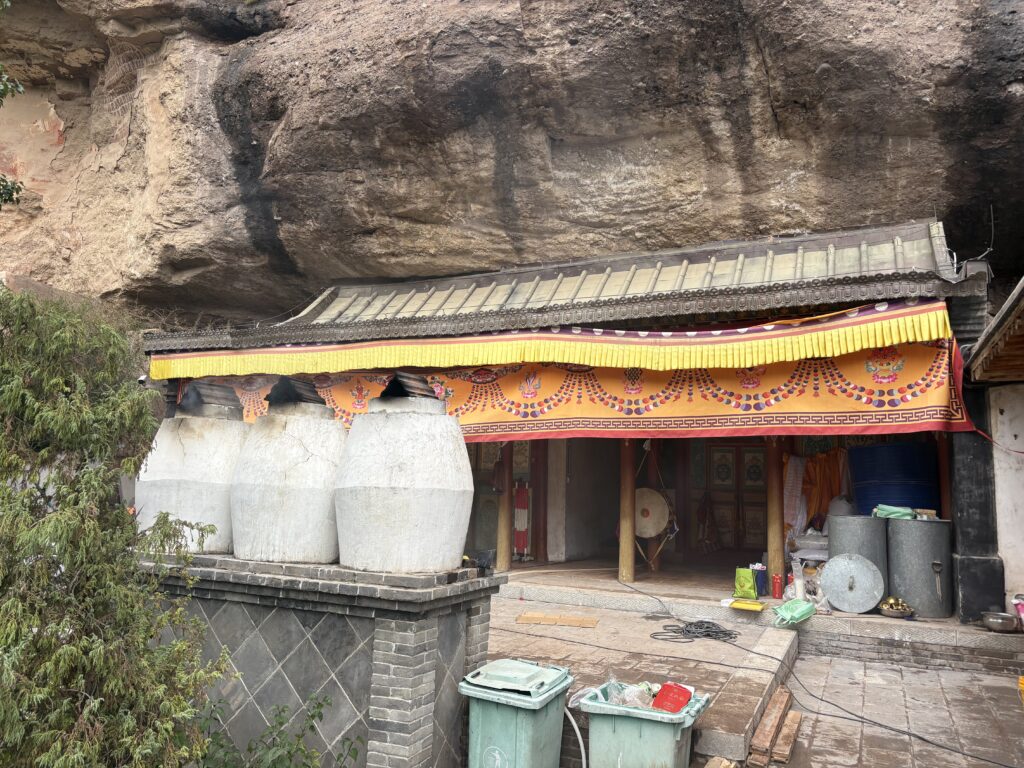
Back in the 9th century, three virtuous Tibetan monks fled Tibet after King Langdarma’s anti-Buddhist persecution and settled in these mountain caves. They ordained the revered master Lachen Gongpa Rabsel, who later founded Dandou Temple around the 10th century. Lachen taught ten key Tibetan disciples here; these monks brought intact precepts back to central Tibet and revived Tibetan Buddhism, a milestone known as Lower Route Dharma Revival in Tibetan religious history.
Architectural Feature
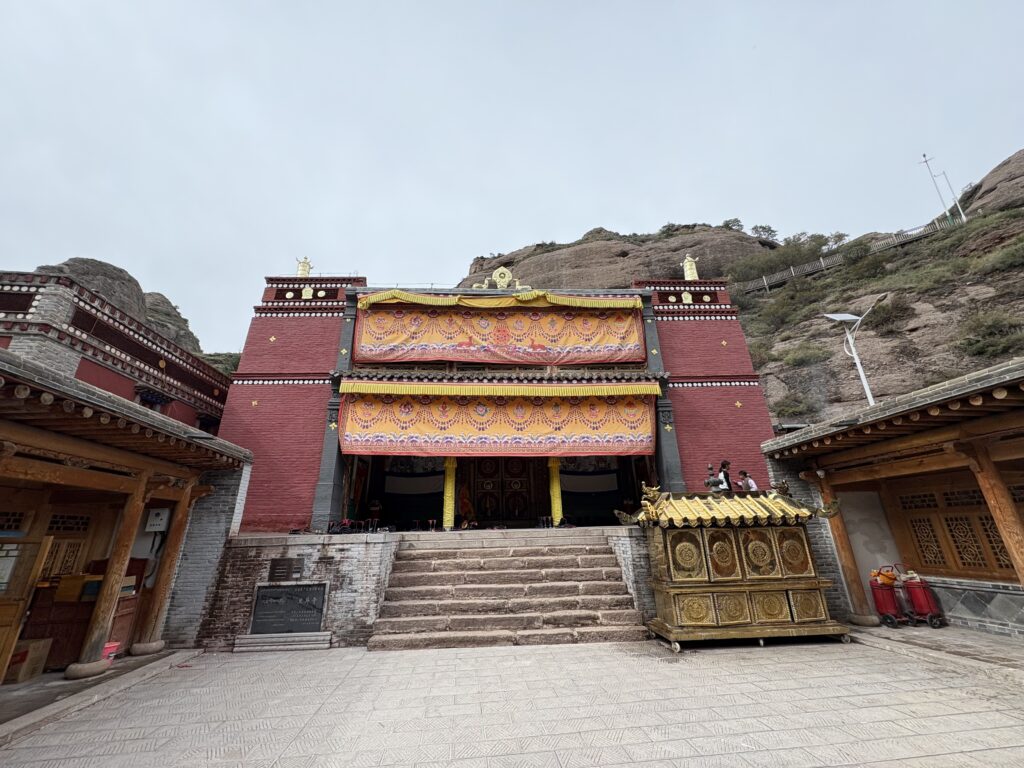
Uniquely built into sheer red sandstone precipices: halls nest inside natural grottoes, hang beneath cliff edges or cling onto rocky ledges, blending cave dwelling and traditional Tibetan monastic layout. The compound holds roughly 200 buildings including meditation chambers for the Three Sages and Lachen, Main Assembly Hall, Maitreya Hall and ancient white pagodas, well-preserved through centuries.

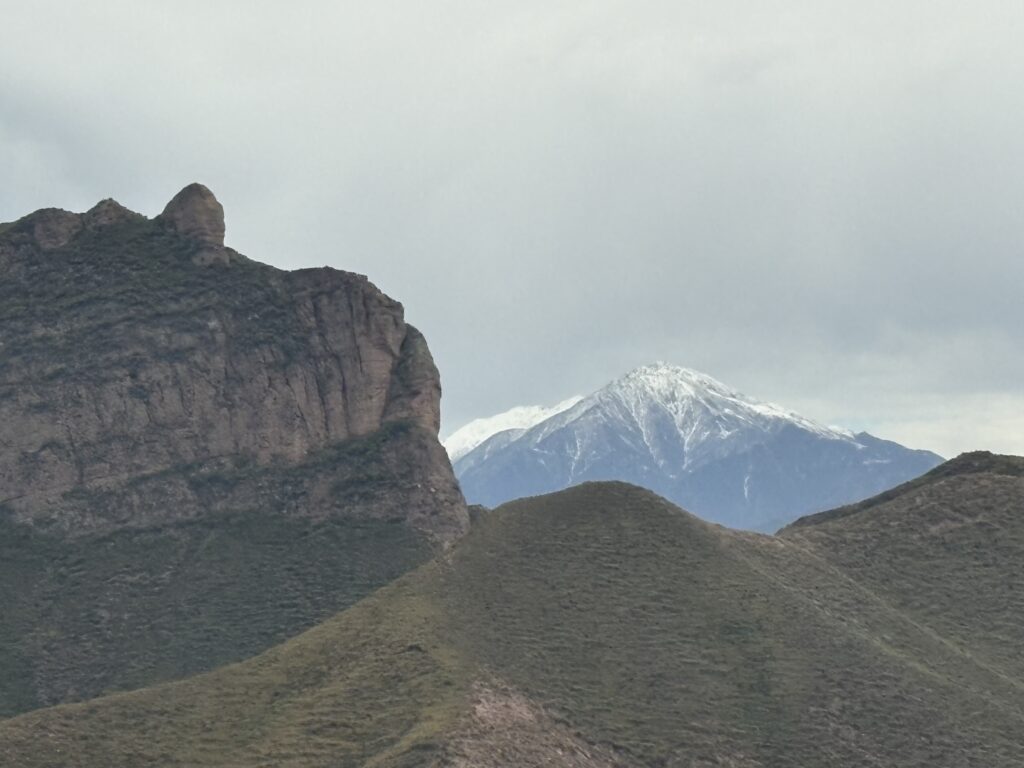
Perched amid rugged Yellow River cliffs, Dandou Temple is the sacred cradle reviving Tibetan Buddhism after Tibet’s medieval anti-Buddhist purge. Carved into natural mountain grottoes, this cliffside monastery witnessed the pivotal Lower Route Dharma transmission that brought Buddhist teachings back to central Tibet over a millennium ago.
Travel Tip
Best visited May–October; around 2.5 hours’ drive from Xining, accessible via Hualong downtown then mountain country road.