Tso Monastery (also spelled Tsoe Gompa; Tibetan: གཙོས་དགོན་པ) is the main Gelug (Yellow Hat) monastery in Hezuo (Zö),capital of Gannan Tibetan Autonomous Prefecture, Gansu. Its formal name is Geden Choeling (དགེ་ལྡན་ཆོས་གླིང་), meaning “Virtuous Dharma Land.”
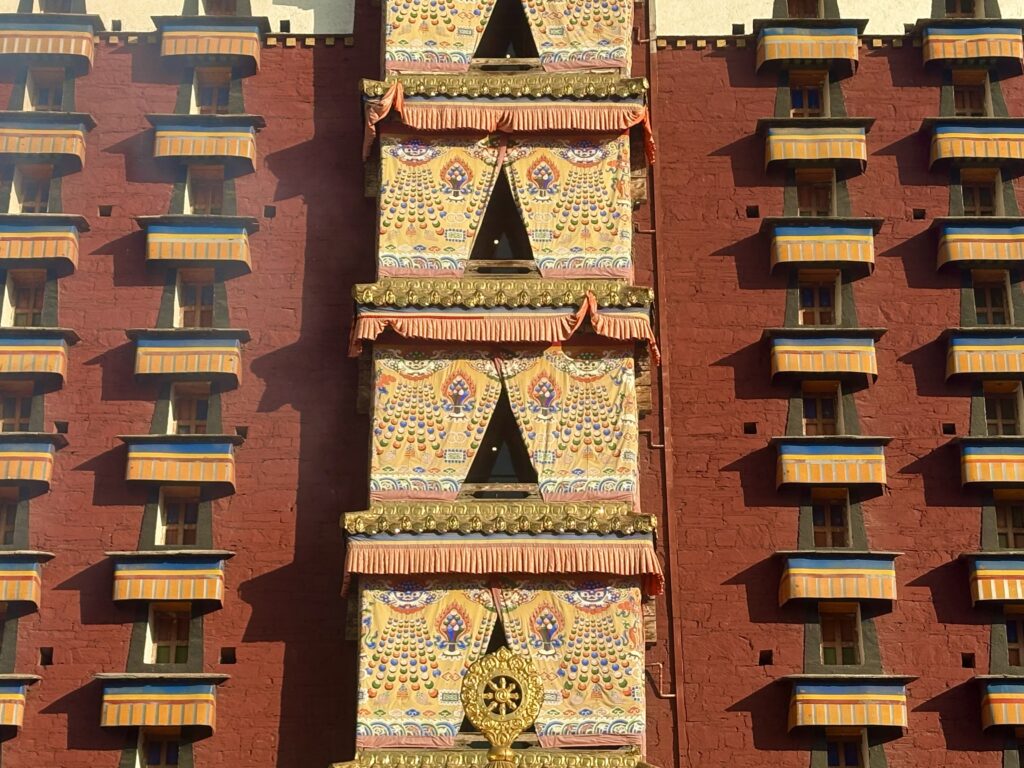
Location & Layout
Location: 1 km east of downtown Hezuo; right next to the Milarepa Pagoda.
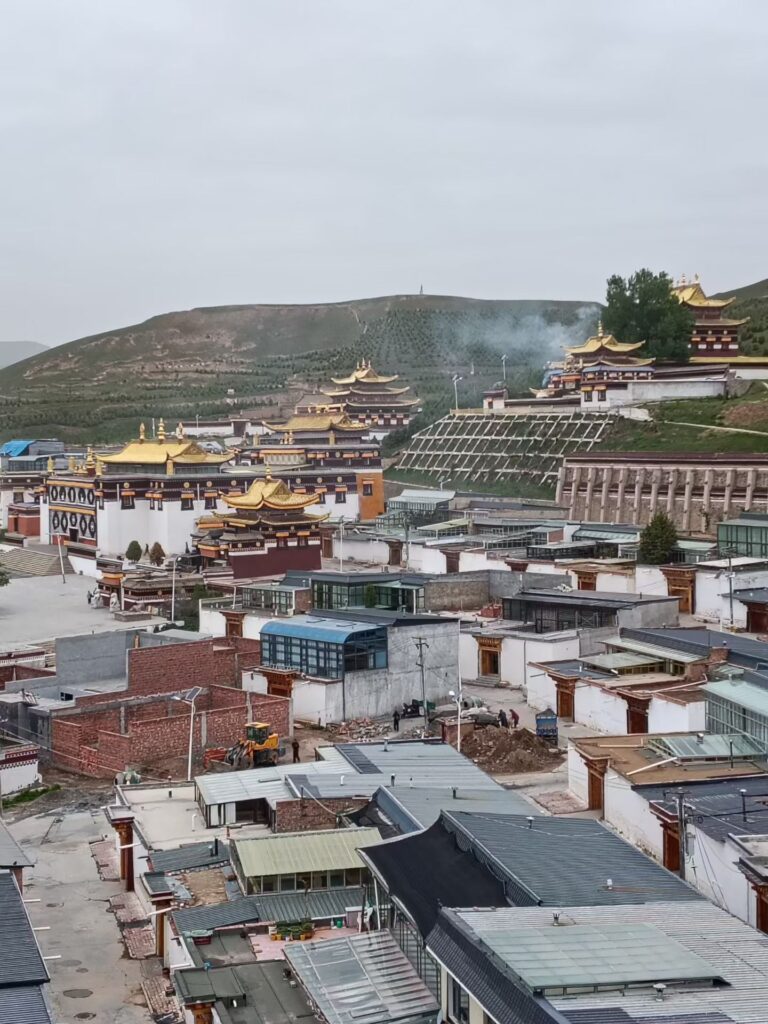
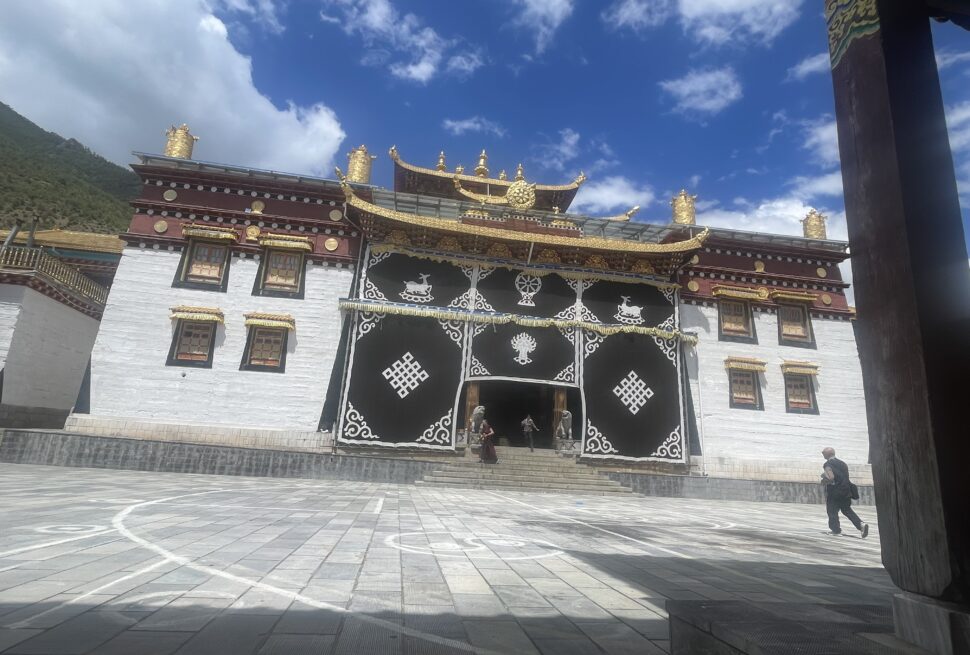
Compound: Open courtyard, main assembly hall (大经堂), smaller temples, monk quarters, and the iconic Milarepa Pagoda (a separate but integral structure).
History
Founding: 1673 (Kangxi era) by Be Sherab Chokden, a scholar-monk from Ganja (Gannan) and disciple of Ganden Gyatso. He earned the Lharampa Geshe degree in Tibet.
1749: The 1st Sakya Zamtsa lama established formal philosophical studies; the Sakya lineage became the monastery’s hereditary seat.
1846: Damaged by Qing troops; rebuilt.
1958: Survived early reforms; Cultural Revolution: Fully demolished.
1981: Reconstructed; main hall and key temples restored.
Present: Home to ~100 monks; led by Sethang Losang Huadan, a respected scholar and vice president of the Gansu Buddhist Association.
Milarepa Pagoda (Zö Milarepa Foge)
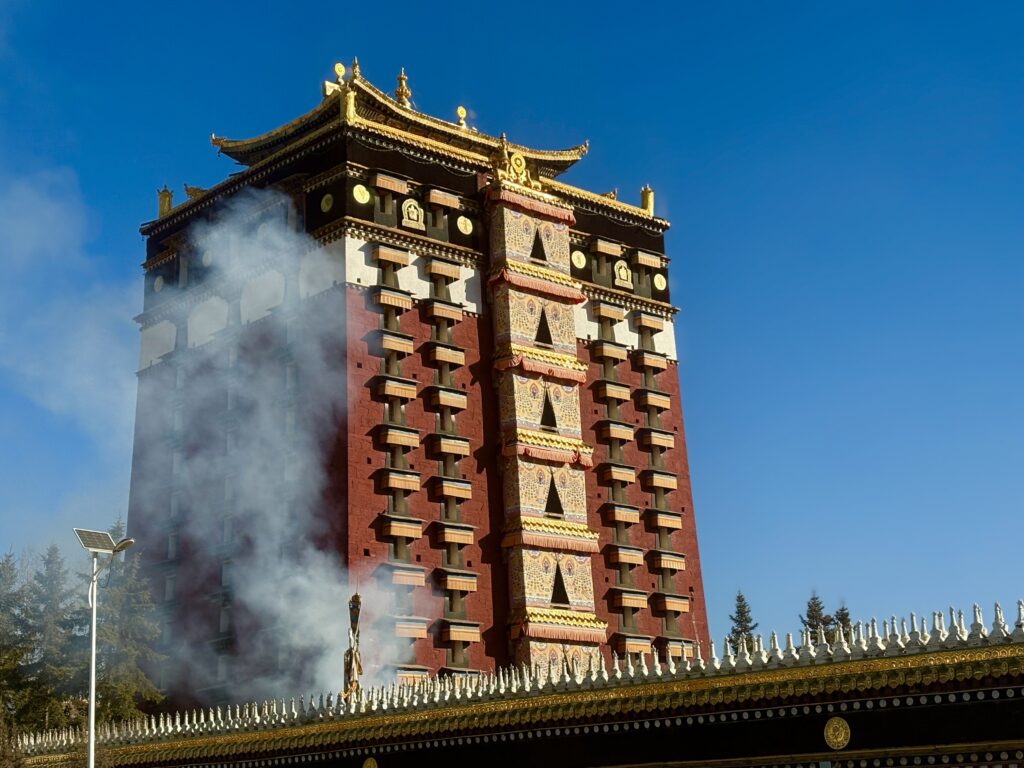
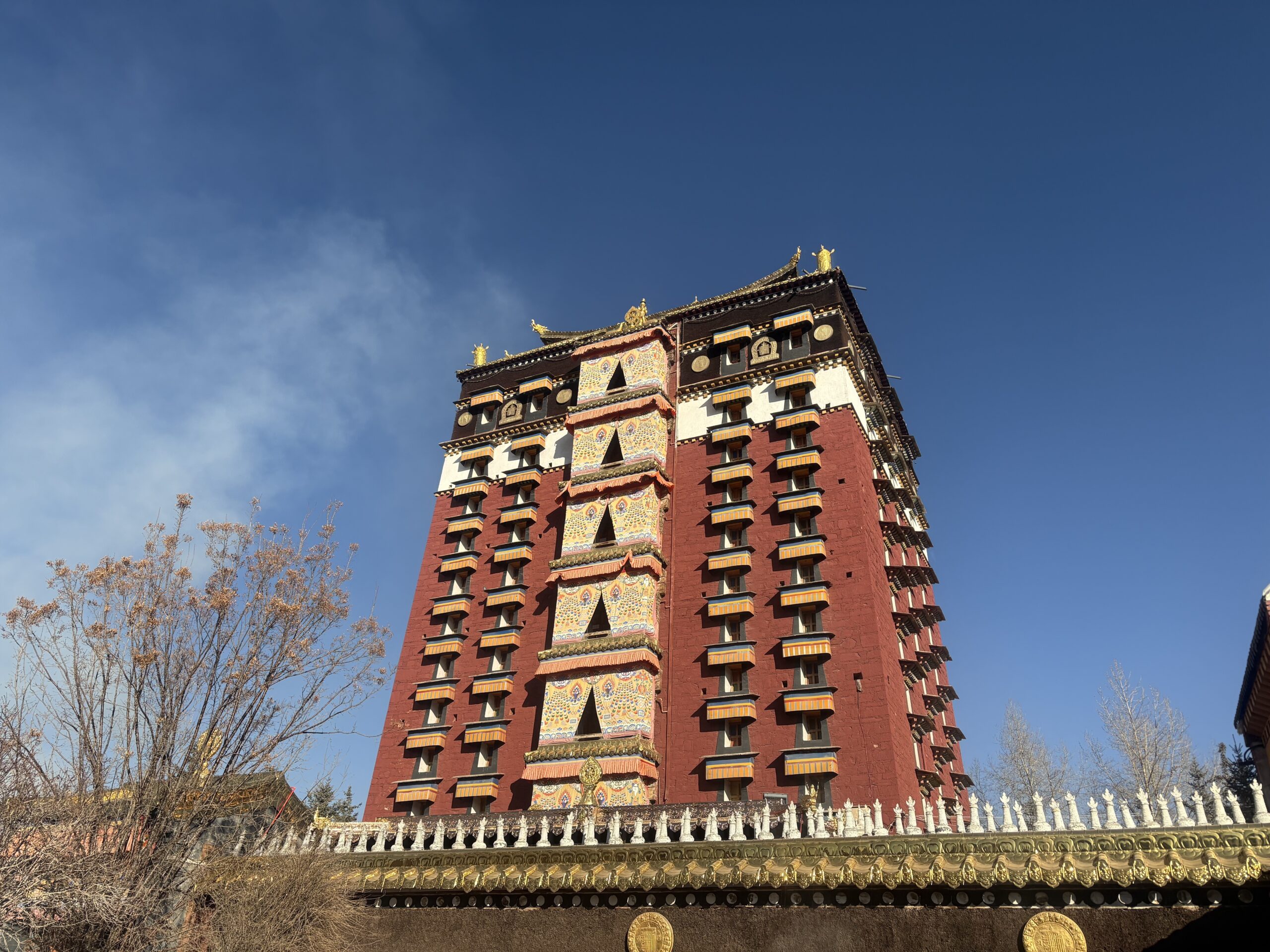
The pagoda is the monastery’s crown jewel and one of only two Milarepa-dedicated 9‑story pagodas in the entire Tibetan world.
Basics
Full name: Amdo Hezuo Milarepa Nine‑Story Pagoda.
Built: 1777 (Qianlong era); rebuilt: 1988–1992 under the 10th Panchen Lama’s blessing.
Height: 40 m; floors: 9 (8 functional floors + a mandala painting as the “9th”); area: 4,028 m².
Style: Tibetan fortress‑pagoda hybrid; stone exterior, all‑wood interior (“no wood outside, no stone inside”). Deep red walls with golden roofs.
Interior (1,720 statues total)
1st floor: Maitreya (future Buddha), Shakyamuni, Tibetan kings, and cultural figures (e.g., Thonmi Sambhota, creator of Tibetan script).
2nd–5th floors: Masters of all major Tibetan schools (Kagyu, Gelug, Nyingma, Sakya) – rare ecumenical display.
6th–8th floors: Tantric deities, protector spirits (Mahakala, Hayagriva), and Milarepa’s life‑story statues.
Murals: 2,500 m² of intricate paintings depicting Buddhist cosmology, mandalas, and Milarepa’s journey from vengeful youth to enlightened saint.
Milarepa’s Legacy
Milarepa (1040–1123): Kagyu master, poet, and ascetic. Famous for extreme austerity (eating only nettles, turning his skin green) and singing vajra songs to teach dharma.
The pagoda honors his life: revenge → repentance → severe guru service → 9‑year meditation in snow caves → enlightenment.
Visiting Information
Hours: 8:00–18:00 (pagoda best visited 9:00–12:00).
Admission: ~40 RMB (pagoda); monastery grounds free.
Rules:
No photos inside the pagoda (strictly enforced).
Walk clockwise around all religious structures.
Dress modestly: long sleeves, long trousers/skirts; no shorts or revealing clothes.
Remove hats indoors; speak quietly.
Festivals & Rituals
Annual Cham Dances: Sacred masked dances performed by monks, originating from Tashilhunpo Monastery (Shigatse). Dramatic costumes, thunderous music, and symbolic narratives of good overcoming evil.
Sutra Recitations: Major gatherings during Losar (Tibetan New Year), Saga Dawa, and Ganden Monlam.
Why Visit?
Architectural rarity: The 9‑story Milarepa Pagoda is unique in Amdo.
Cultural depth: A living Gelug monastery with strong Amdo Tibetan traditions.
Spiritual vibe: Peaceful courtyards, chanting monks, and panoramic views of Hezuo’s grassland backdrop.