Qutan Temple (瞿昙寺 / Qutansi, Tibetan: Drotsang Dorje Chang Gompa)
Basic Overview
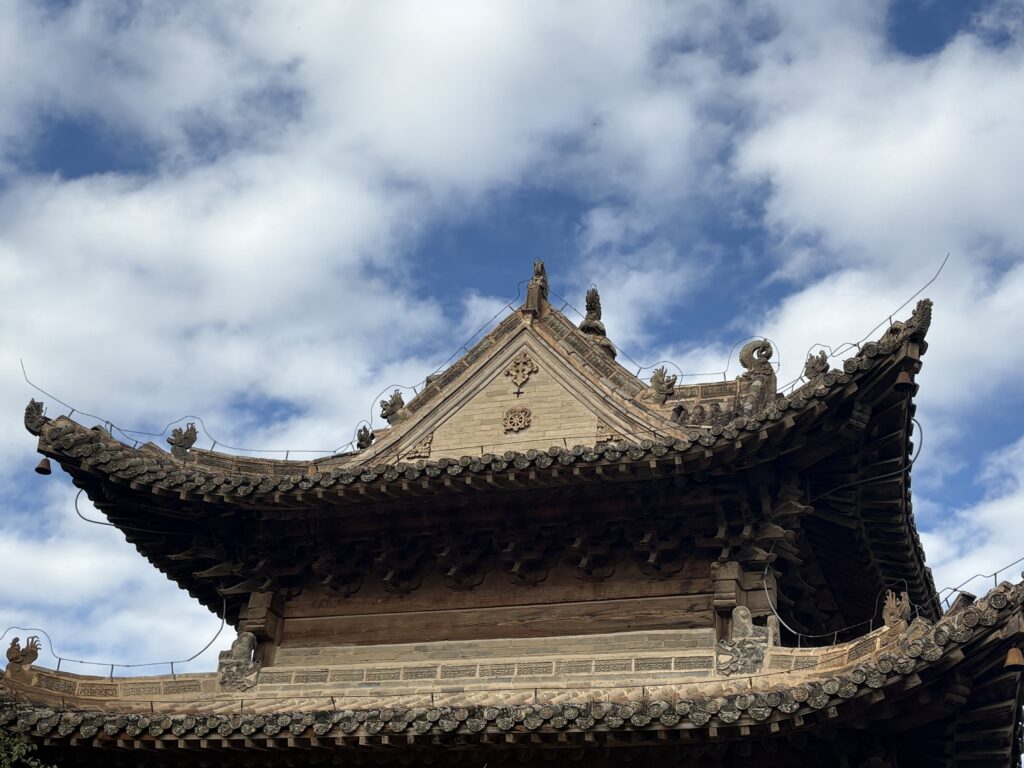
Qutan Temple is a prestigious Gelug Tibetan Buddhist monastery located in Qutan Town, Ledu District, Haidong, Qinghai Province, roughly 88 km east of Xining, Amdo region of Qinghai-Tibet Plateau. Nicknamed Little Forbidden City on the Plateau, it is China’s most intact surviving large-scale Ming-dynasty imperial architectural complex across Northwest China, listed as a National Key Cultural Relic Protection Site (1982).
Coordinates: 36°21′N,102°17′E; backed by Luohan Mountain and facing Qutan River
Name origin: Qutan derives from Sanskrit Gautama (Sakyamuni), titled and inscribed on golden plaque by the Hongwu Emperor of Ming Dynasty.
History
1392 (Hongwu 25, Ming): Founded by Tibetan master Sanluo Lama (Sanggye Tashi). The lama secured Ming imperial recognition after pacifying local nomadic tribes for the court.
1393: Emperor Zhu Yuanzhang formally conferred the official name Qutan Temple and granted imperial plaque, upgrading the shrine into a royal-sponsored temple.
Yongle & Xuande reigns (early 15th C): Ming imperial craftsmen & eunuchs were dispatched to expand the compound, constructing Baoguang Hall, Vajra Hall, bell-drum towers and surrounding covered corridors over nearly 35 years.
Mid-Ming shift: Transformed from early Kagyu to Gelugpa (Yellow Sect) Tibetan Buddhism, governing 13 affiliated local monasteries historically.
Architecture Feature
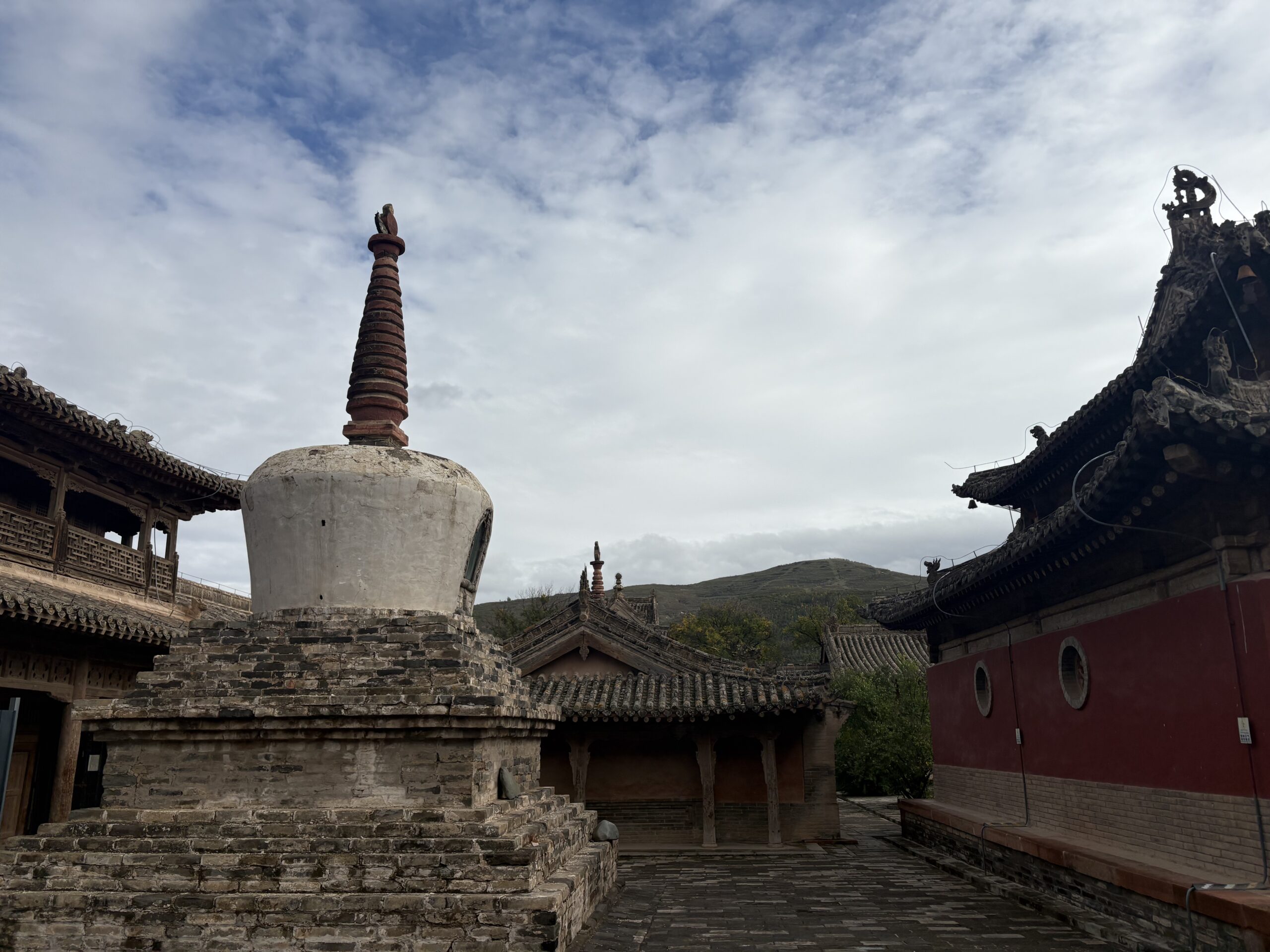
Built following strict Han imperial palace layout imitating Beijing Forbidden City: central symmetrical axial layout with 4 core main halls arranged from south to north: Mountain Gate → Vajra Hall → Qutan Hall → Baoguang Hall, flanked by paired Bell & Drum Towers and winding covered ambulatory corridors enclosing the whole complex.
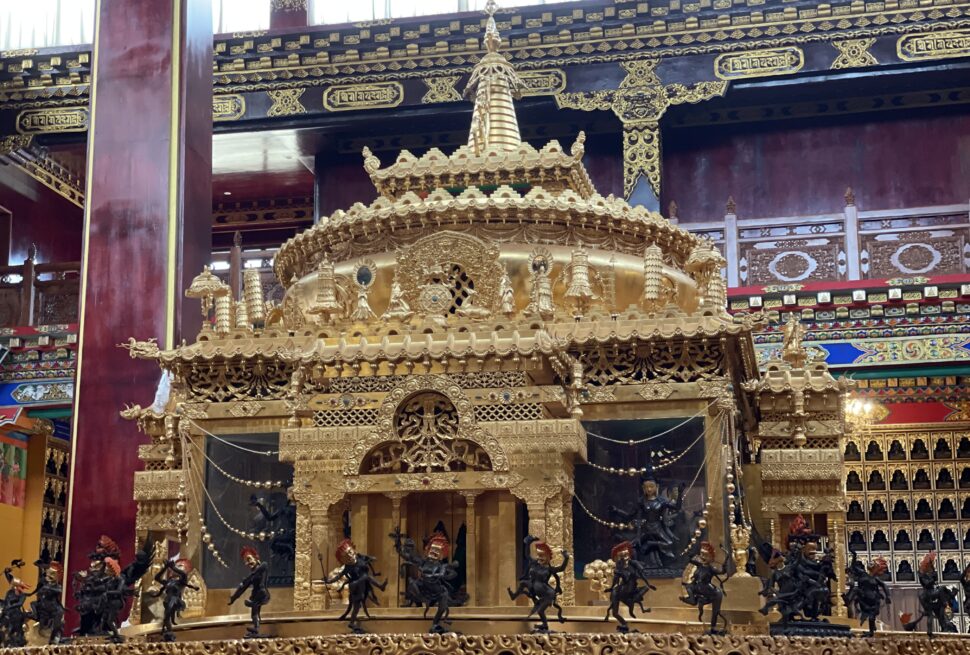
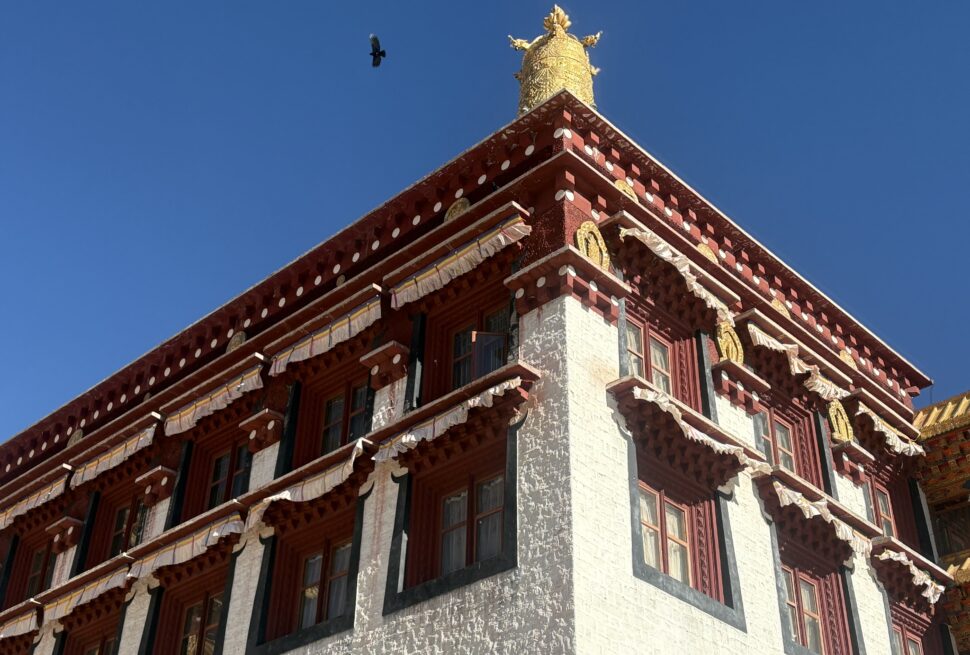
Mixed style: Han official wooden palace structure + Tibetan Buddhist religious layout & decorative details, a landmark of Sino-Tibetan architectural fusion in early Ming.
Core Cultural Treasures
Ming & Qing Corridor Murals: Total over 360㎡ colorful wall paintings lining surrounding cloisters, depicting Buddha’s life stories, Jataka tales, Tibetan folk customs; pigments remain vivid after 600 years, top-tier extant Chinese religious mural heritage.
Xiangbeiyungu Stone Sculpture: Iconic stone artwork of an elephant carrying cloud-shaped brackets holding an ancient drum, a rare Ming stone carving relic.
Ancient bronze bell (1427 Xuande year), bilingual Sino-Tibetan imperial stone steles, Ming imperial awarded Buddha statues & scriptures preserved in halls.
Travel Information
Opening: 8:30–17:30 (stop entry at 17:00) all year round
Admission: Free with ID registration
Transport:
Self-drive: 1.5h from downtown Xining;
Public transit: Take bus from Xining to Ledu District then local shuttle bus to the temple (20km south of Ledu downtown)
Best visiting time:
May–October with mild plateau weather.
Known as the Little Forbidden City of Qinghai, Qutan Temple is a rare Ming-dynasty imperial Tibetan Buddhist shrine near Xining. Commissioned by early Ming emperors, its palace-style architecture blends Han structural craft and Tibetan religious aesthetics. Lavish ancient murals winding along cloister walls stand as its most precious legacy, retaining bright mineral colours after six centuries of plateau weather.