Basic Overview
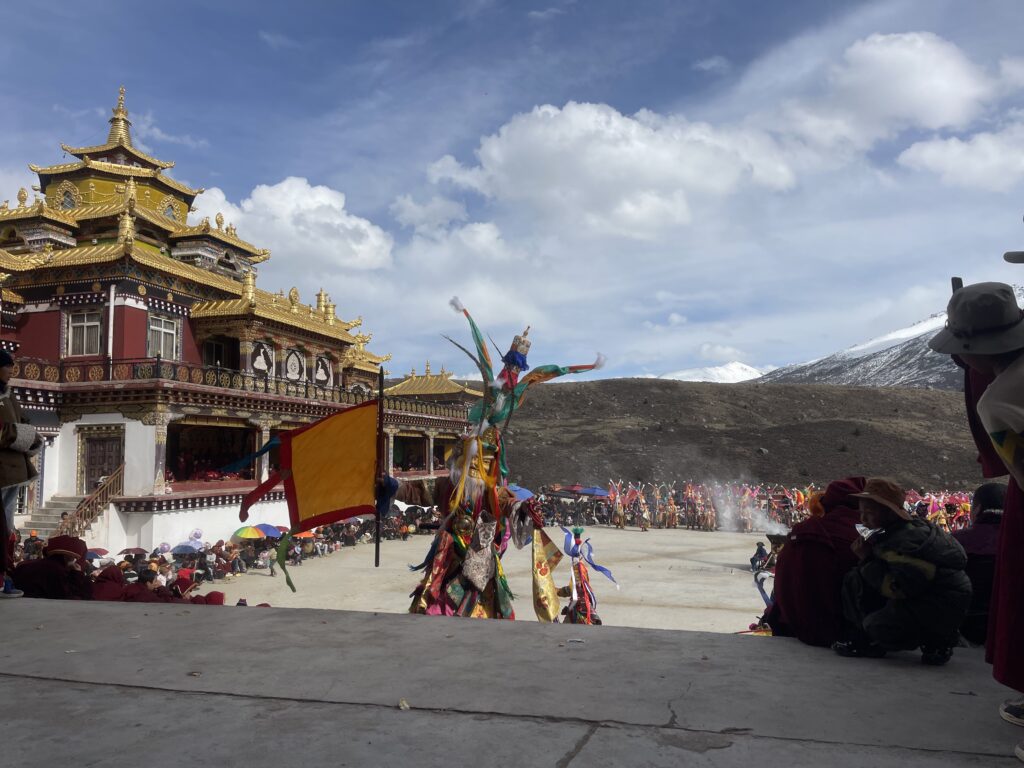
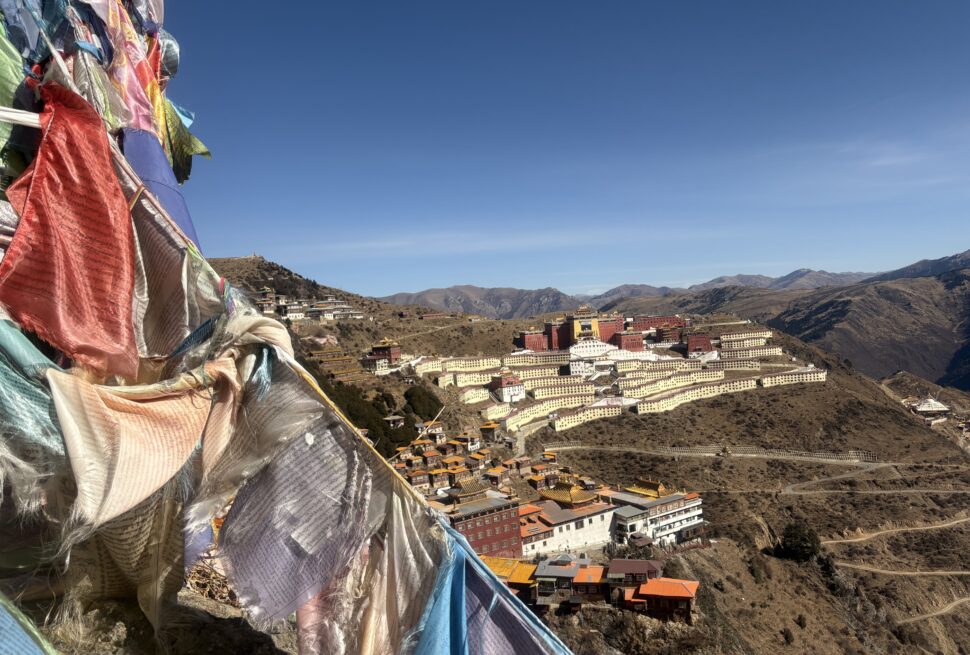
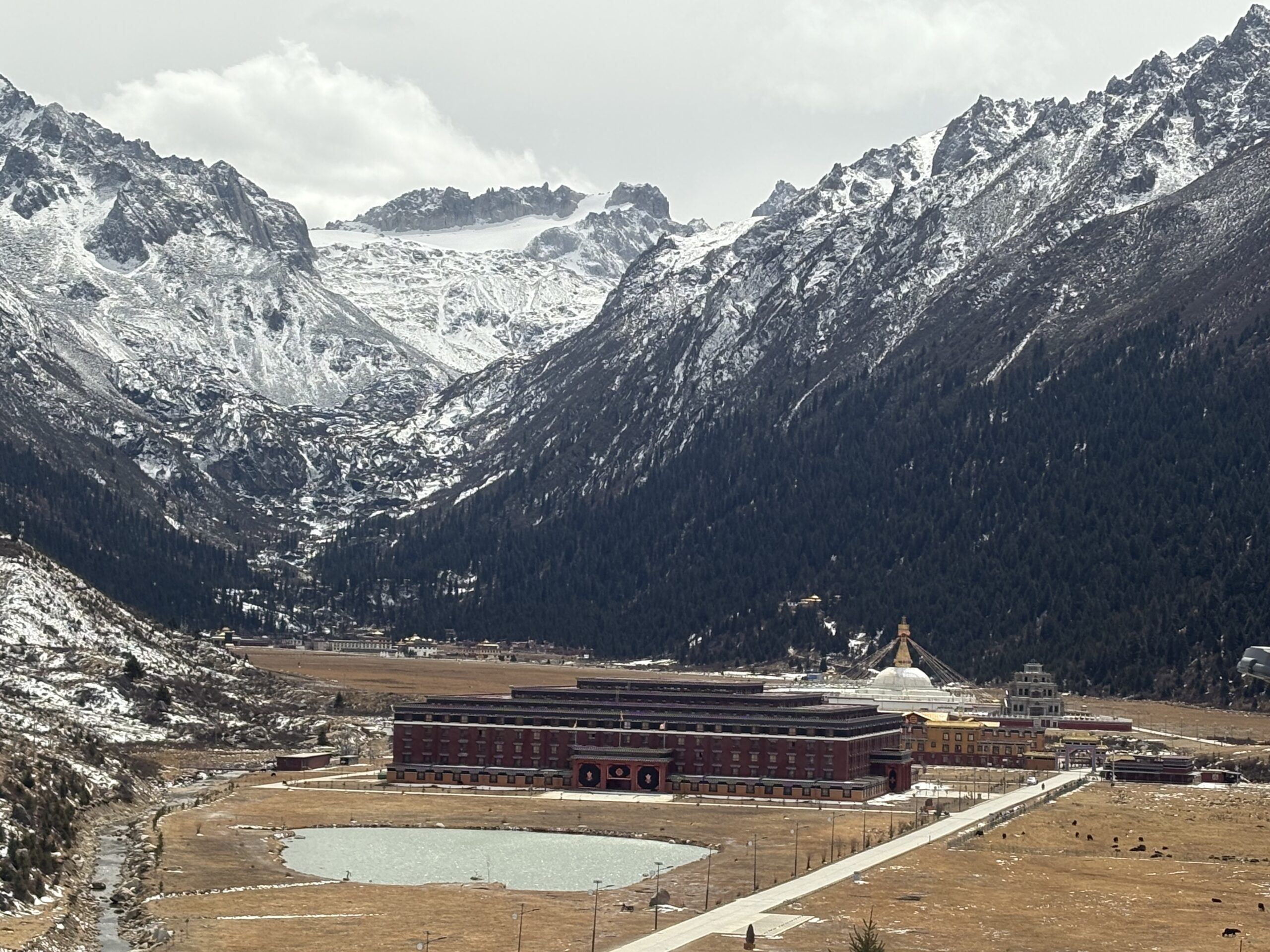
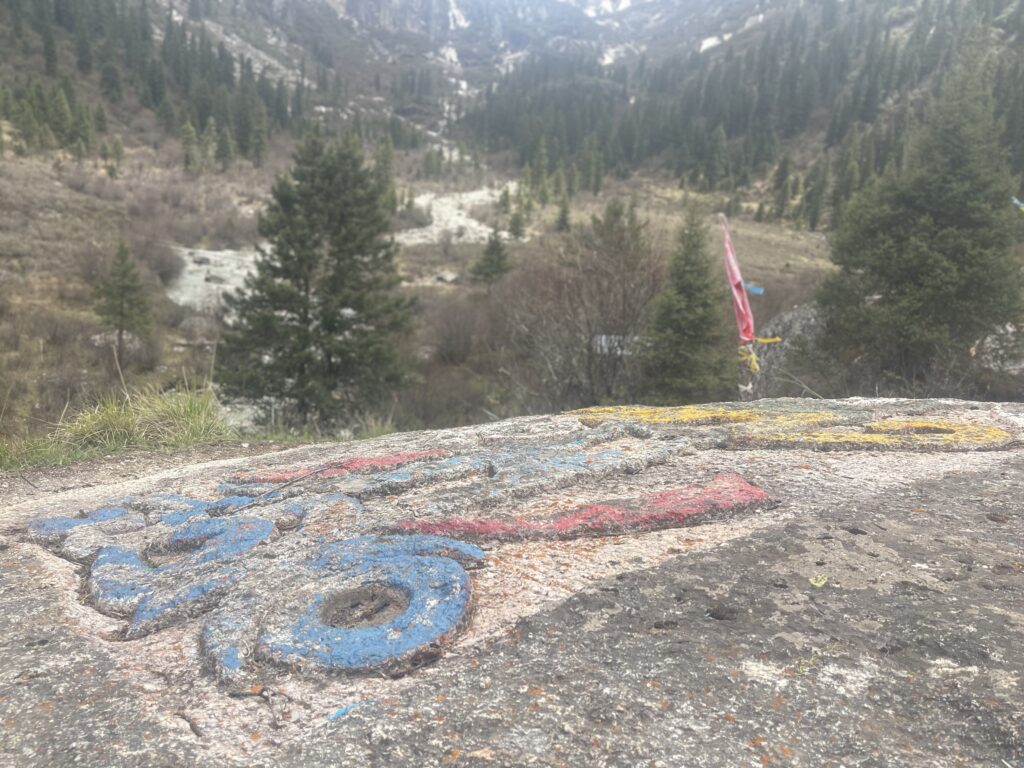
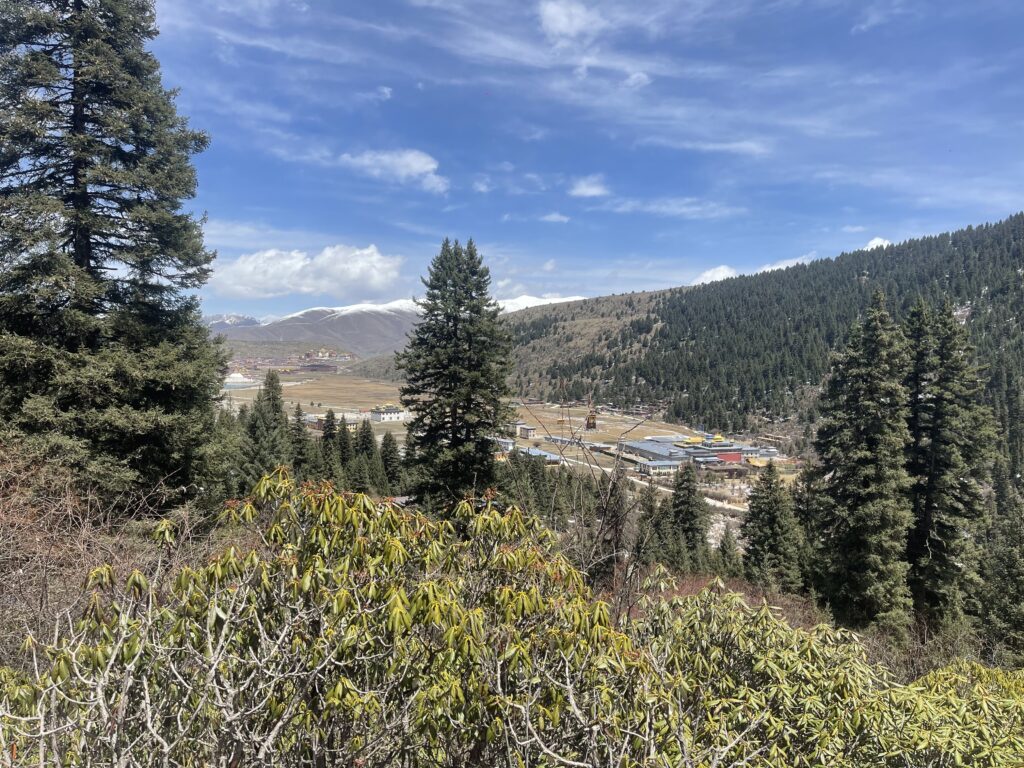
Dzogchen Monastery, locally known as Dzogchen Gompa, lies in the remote Rudam Valley of northern Dege County, Garzê Tibetan Prefecture, western Sichuan, sitting at an altitude of roughly 3800 meters. It ranks among the Six Great Mother Monasteries of the Nyingma School — the oldest school of Tibetan Buddhism — and is universally recognized as the global cradle of Dzogchen (Great Perfection) teachings. Surrounded by rolling alpine meadows, snow-dusted mountain ranges and clear highland streams, the vast monastery compound stretches across the entire valley floor, forming one of the largest and most spiritually significant Nyingma sacred sites in the entire Kham region.
Core History
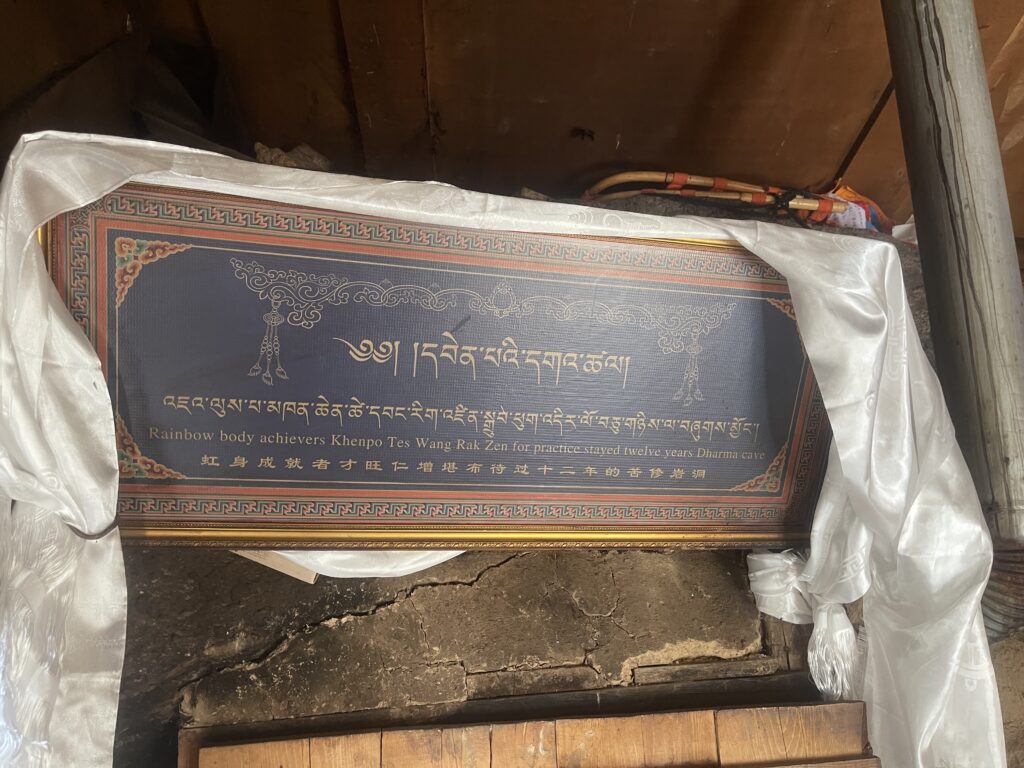
The monastery was officially founded in 1685 by the revered Nyingma master Pema Rigdzin, with the formal blessing of the Fifth Dalai Lama and financial support from the local Dege royal chieftaincy. According to local legend, the master chose this valley after a sacred crow miraculously carried his ritual offering cup to this exact location, signifying the land as an auspicious ground for spreading Buddha Dharma. Over the centuries, Dzogchen Monastery expanded rapidly, establishing authority over more than 300 branch monasteries across Kham and Amdo. It earned legendary fame for producing an unprecedented number of enlightened masters, with records documenting over sixty-four practitioners who achieved the supreme rainbow body enlightenment after lifelong secluded meditation.
Top 3 Must-see Spots
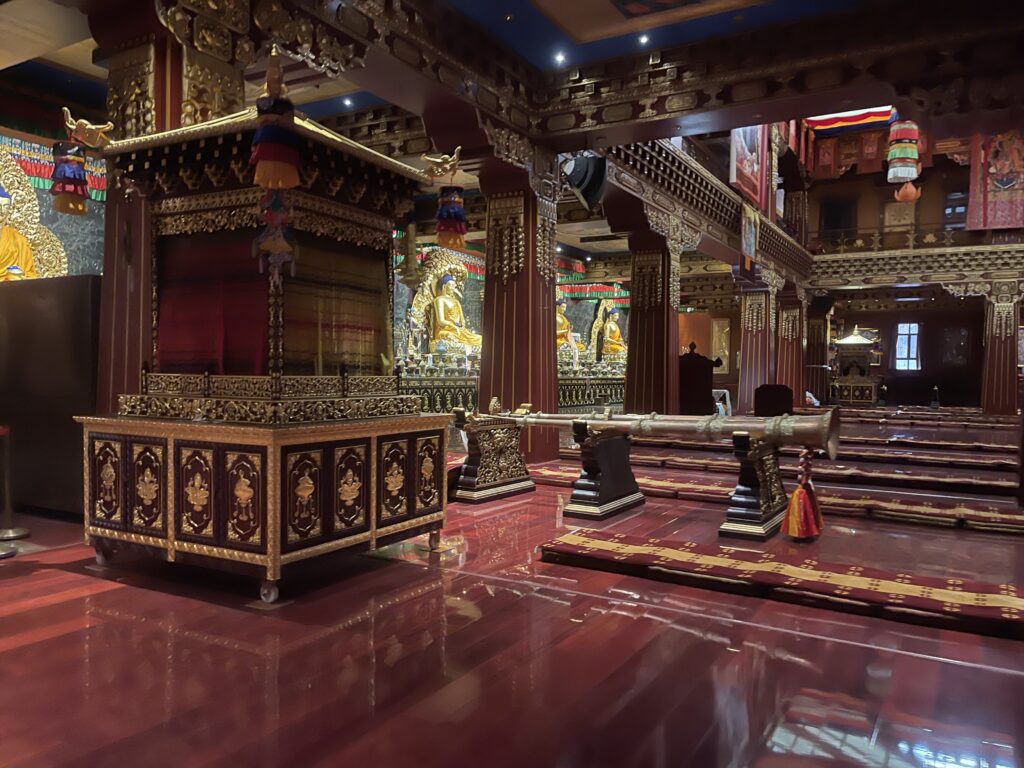
1. Main Assembly Hall
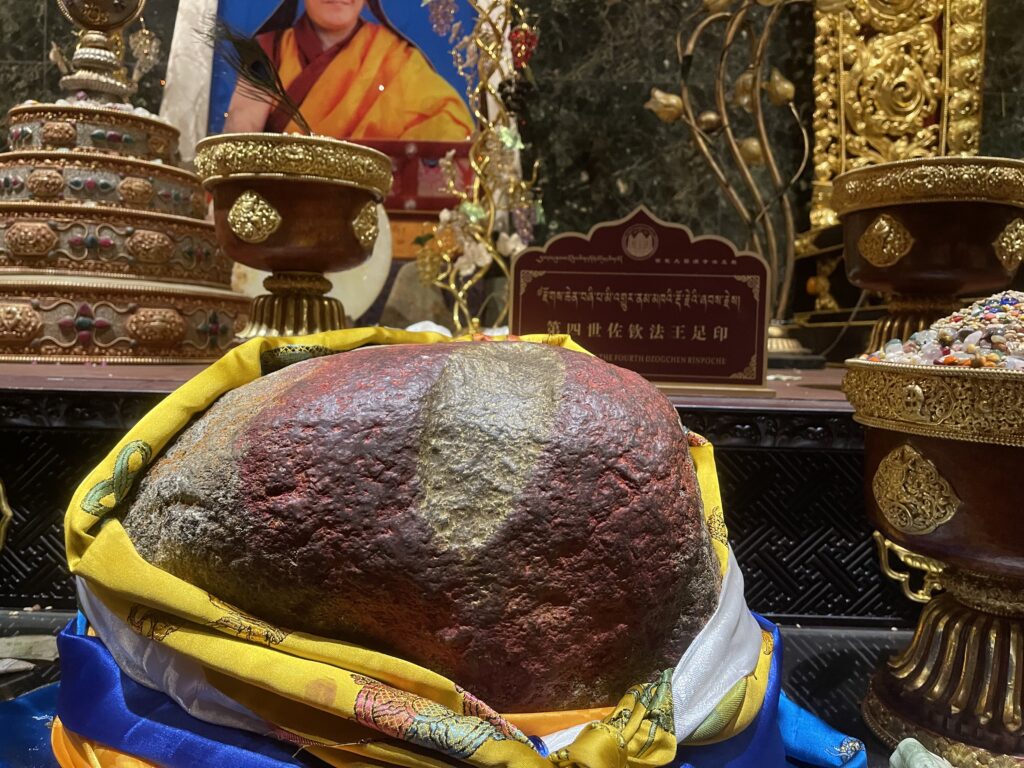
The spiritual core of the entire monastery, featuring grand traditional Tibetan architecture with crimson walls, golden rooftop spires and intricate mural paintings. Inside enshrine ancient Buddha statues, precious thangka artworks, and centuries-old ritual instruments, maintaining the original solemn spiritual atmosphere for major ceremonies and group scripture studies.
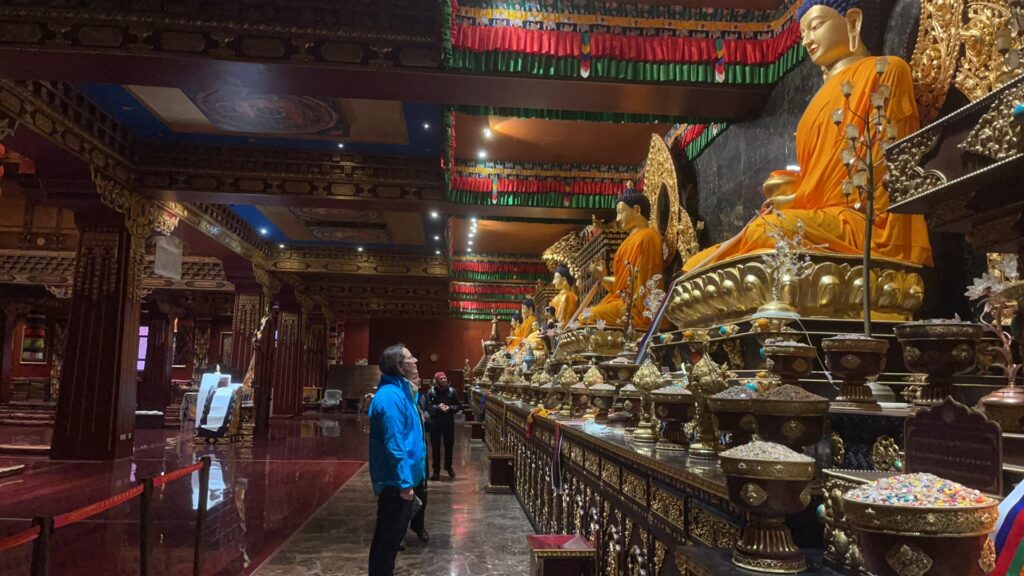
2. Shri Singha Five Sciences Buddhist College
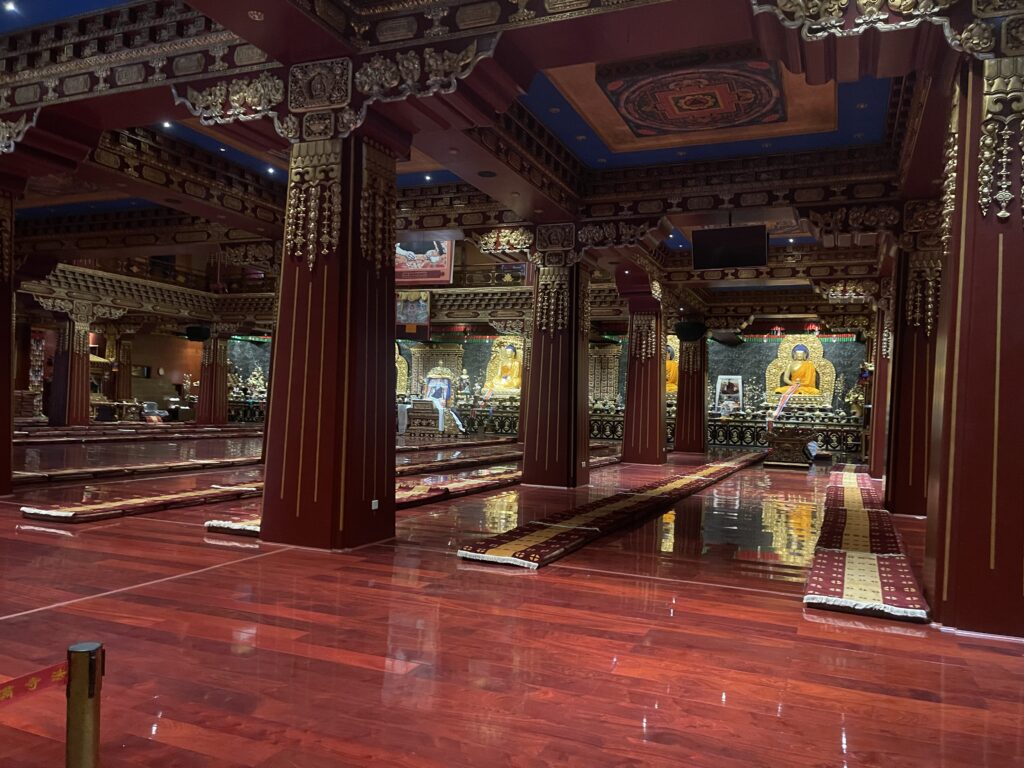
One of the most prestigious Nyingma academic institutions in eastern Tibet. It focuses on the systematic study of Dzogchen philosophy, Tibetan logic, medicine, art and cosmology. The quiet college compound hosts resident monks and scholars from all over the Tibetan plateau, preserving the intact academic lineage of Great Perfection doctrines.
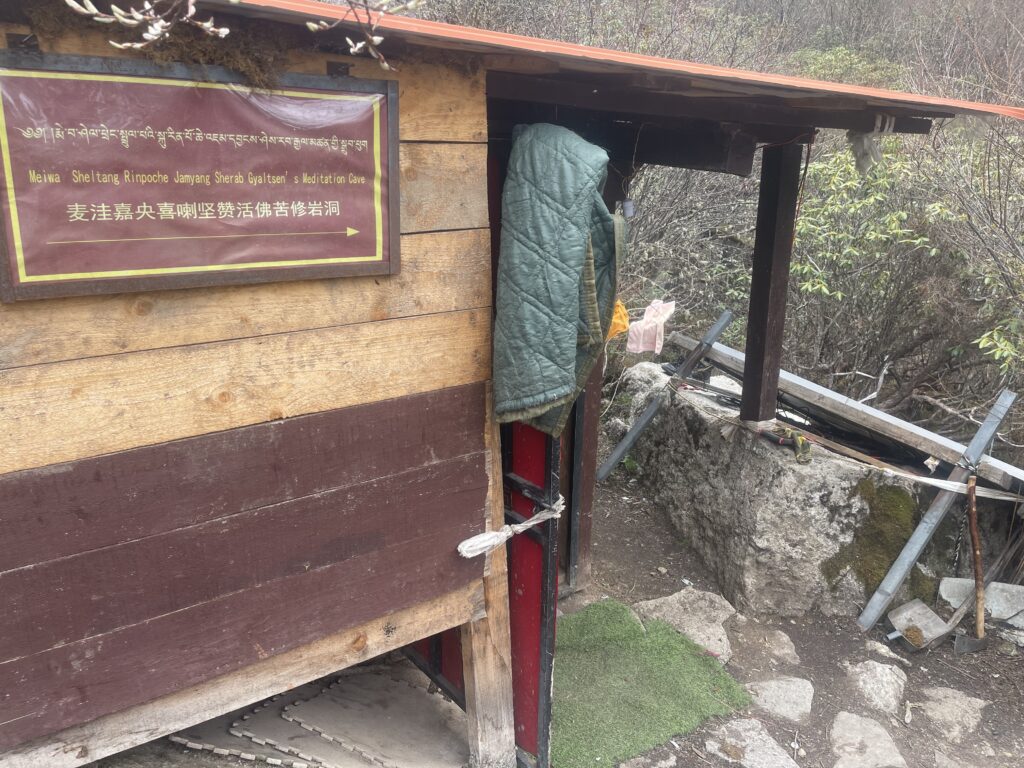
3. Cliffside Meditation Caves
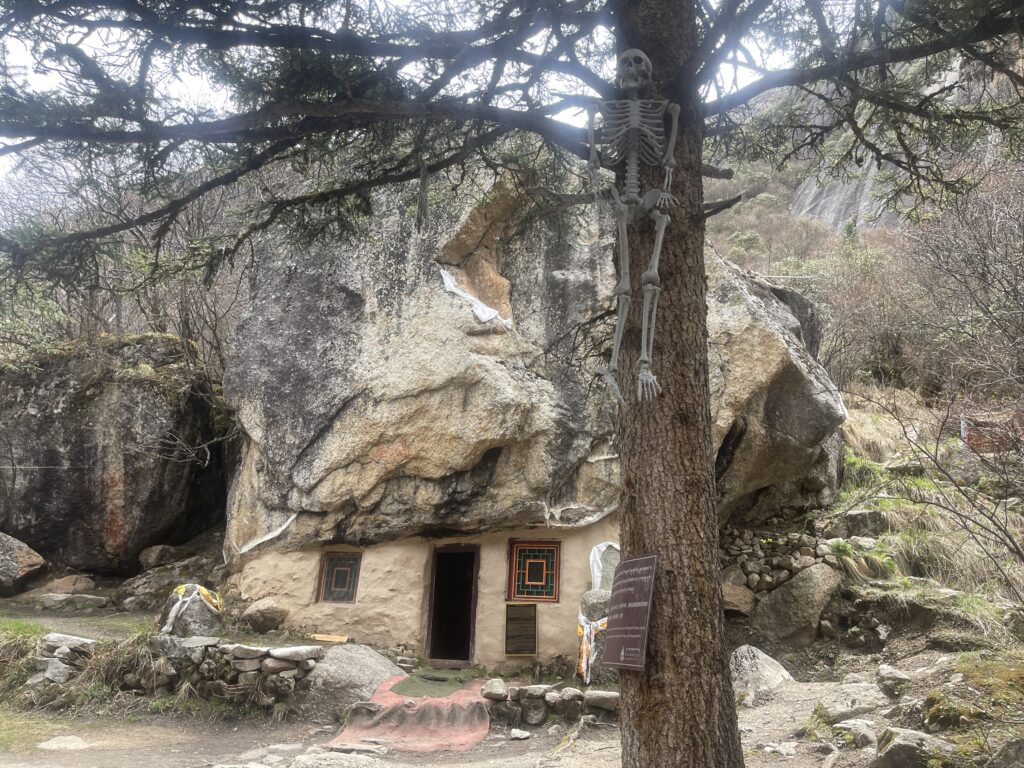
Scattered on the surrounding mountain slopes, these isolated natural caves served as the exclusive retreat grounds for ancient Dzogchen masters. Far from monastery noise, the primitive caves retain the pure ascetic practice environment, offering visitors a glimpse into the rigorous solitary cultivation tradition of Tibetan Vajrayana practitioners.
Local Folk & Religious Culture
Dzogchen Monastery preserves the most authentic Nyingma ritual traditions. Its most renowned annual event is the Gesar Lama Mask Dance, a sacred Buddhist performance combining religious blessing, ancient epic culture and traditional Tibetan opera. The monastery strictly inherits the complete oral and textual lineage of Dzogchen teachings, emphasizing inner enlightenment, natural mind cultivation and compassionate practice — the core philosophy of Great Perfection Tibetan Buddhism.
Travel Information
Transport: Located about 60 km from Dege county town; accessible by mountain highway, best visited by self-drive or chartered vehicle
Climate: High-altitude cold plateau climate; strong ultraviolet rays, large day-night temperature difference, warm windproof clothing is required all year round
Visit Note: This is an active religious site; visitors must maintain silence, avoid loud noises, and follow local religious etiquette when entering halls and walking around stupas