Basic Profile
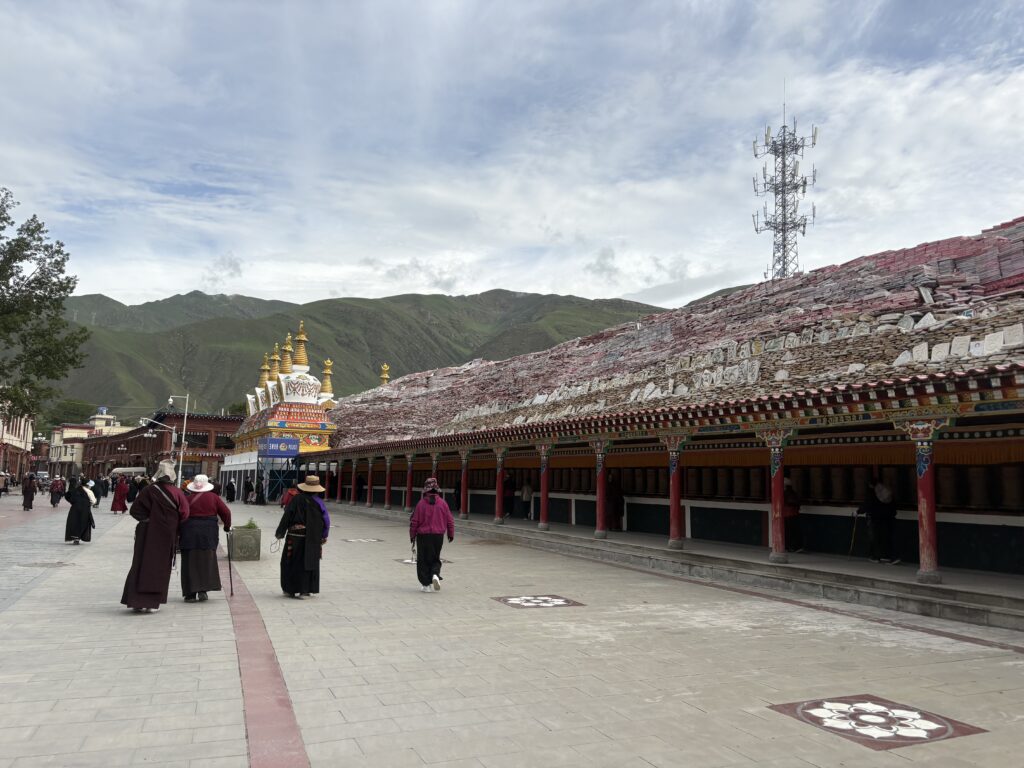
Gyanak Mani (嘉那玛尼) sits in Xinzhai Village, 3 km east of downtown Yushu City, Qinghai, elevation around 3,600 m.
It is certified by Guinness World Records as the world’s largest Mani stone mound, also a Major Historical and Cultural Site Protected at the National Level.
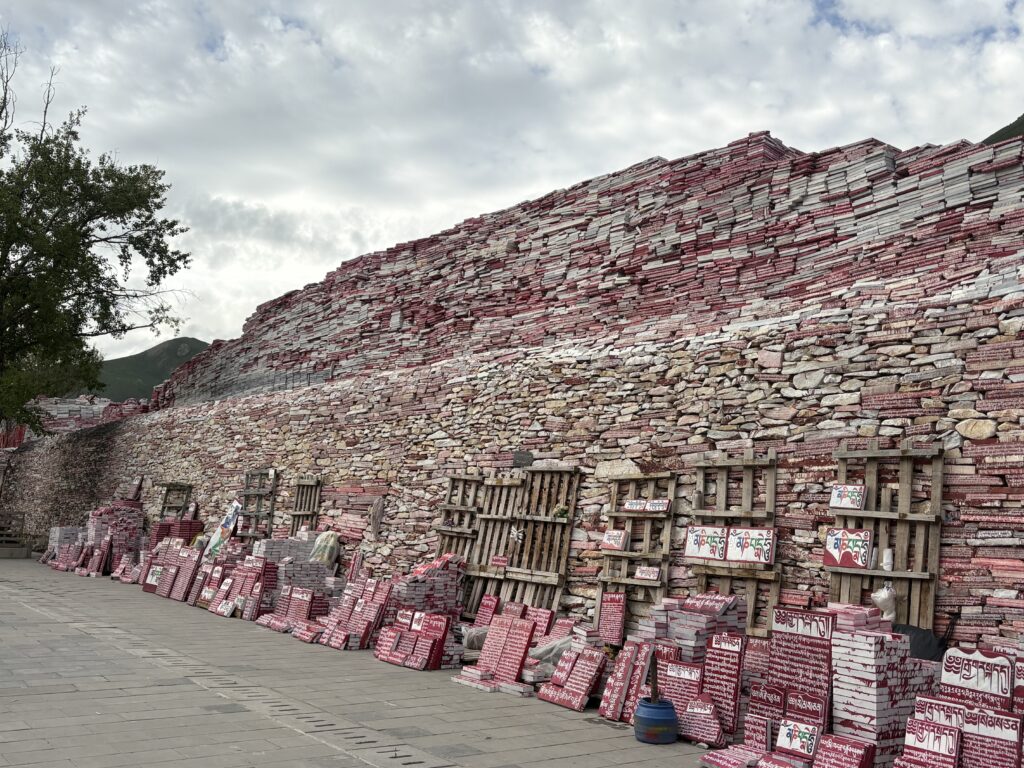
Founded in 1715 by the 1st Gyanak Lama, with over 300 years of history; the stone pile is still growing as pilgrims keep donating carved stones every day.
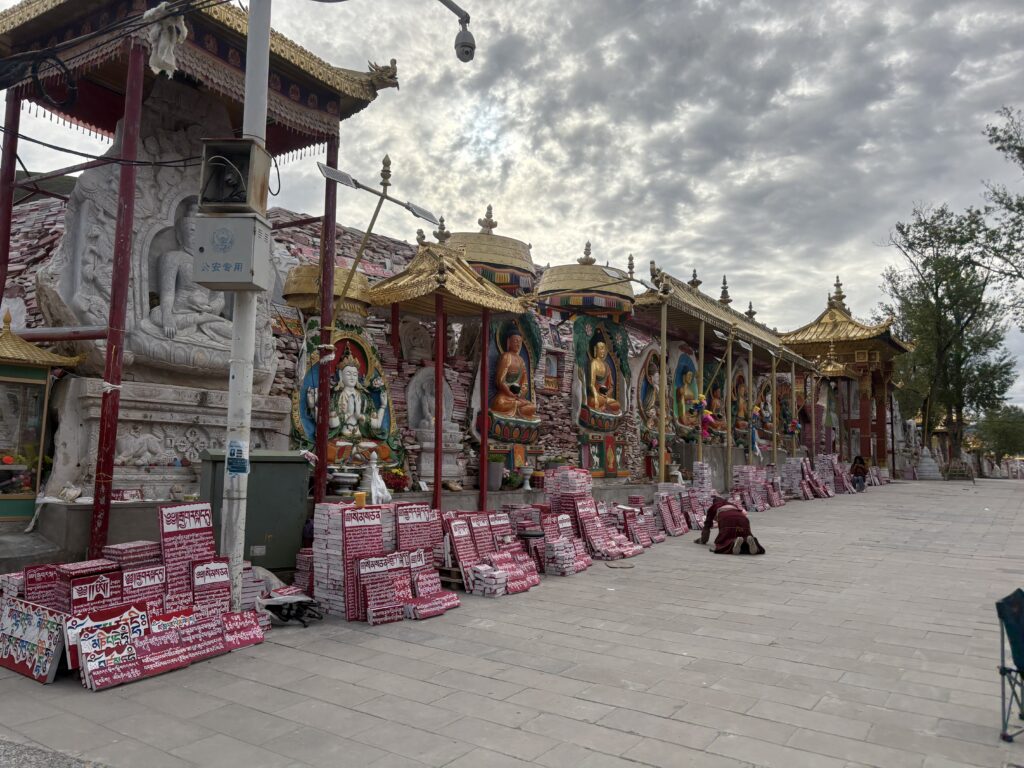
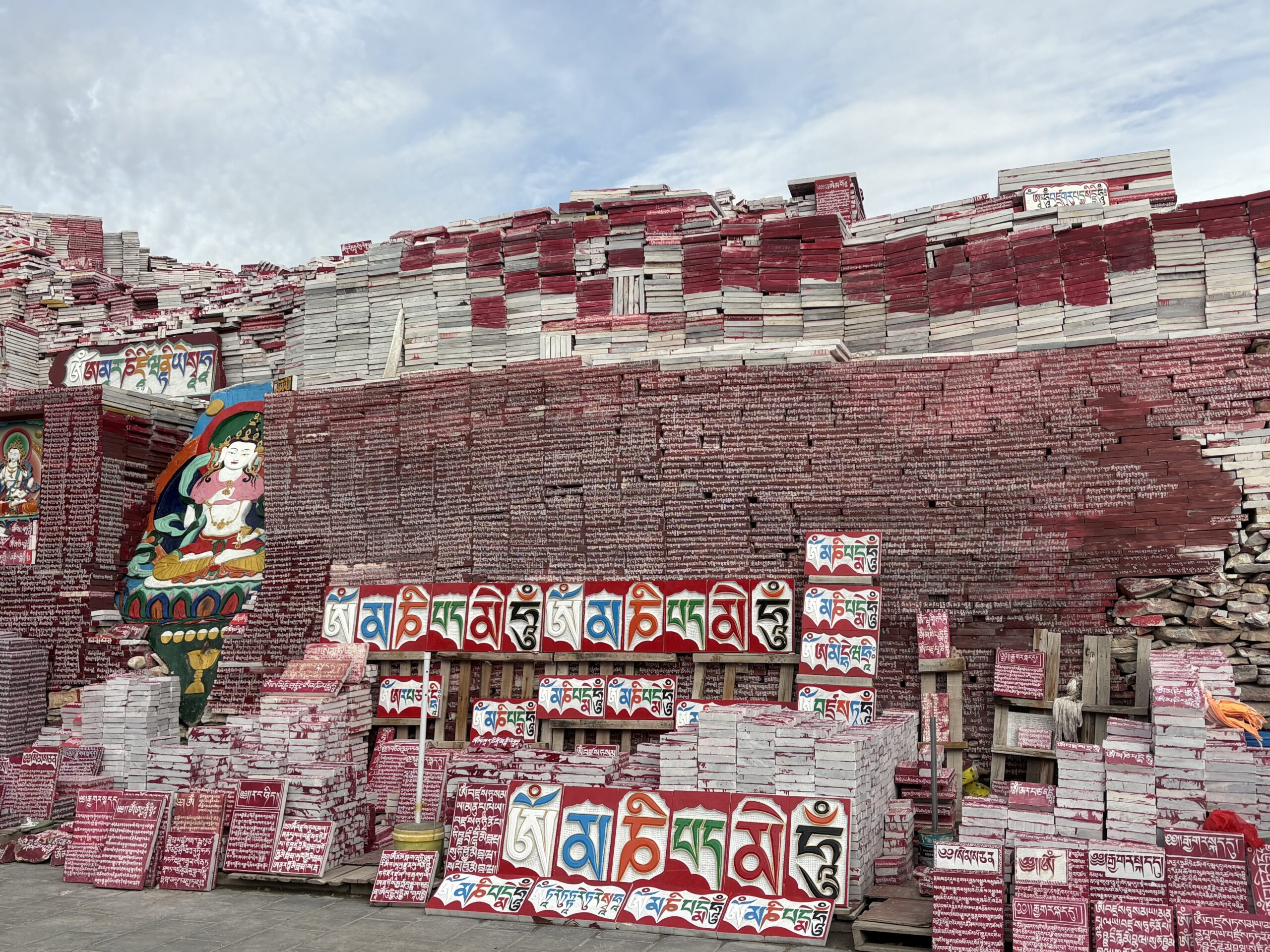
Scale: Covering roughly 24,000 ㎡, stacked with over 2.5 billion Mani stones. Stones range from egg-sized pebbles to desktop slabs, all carved with Tibetan mantras (Om Mani Padme Hum), Buddha statues, sutras, star charts and Tibetan folk scriptures.
Core Sights
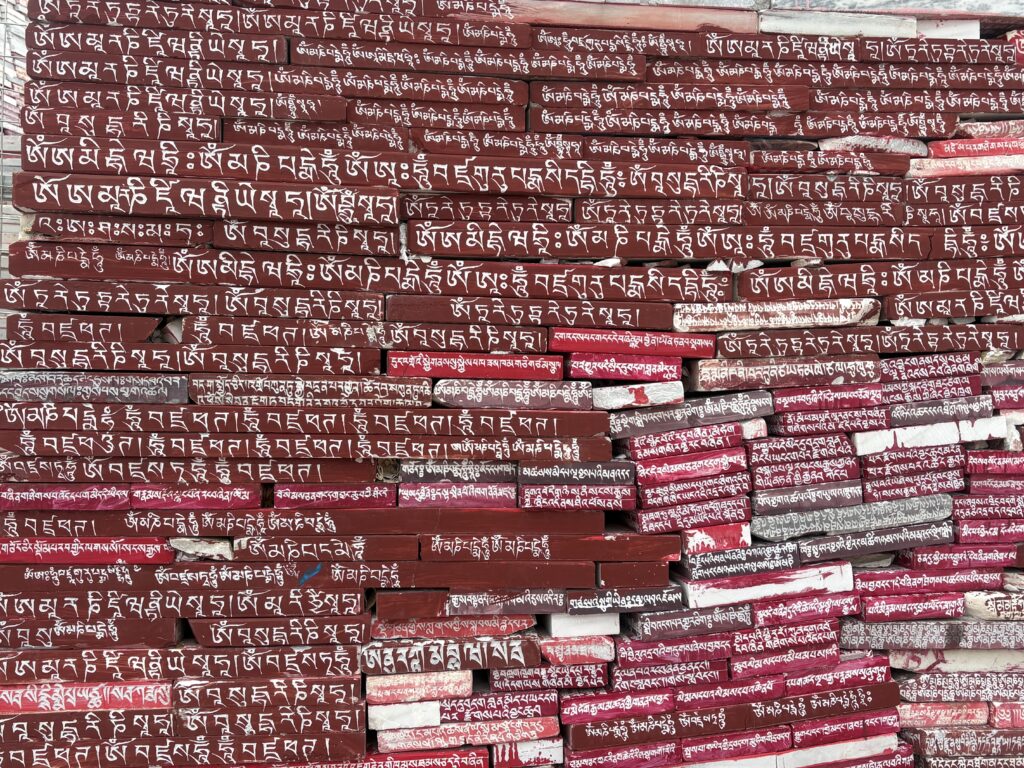
Giant Mani Stone Mound
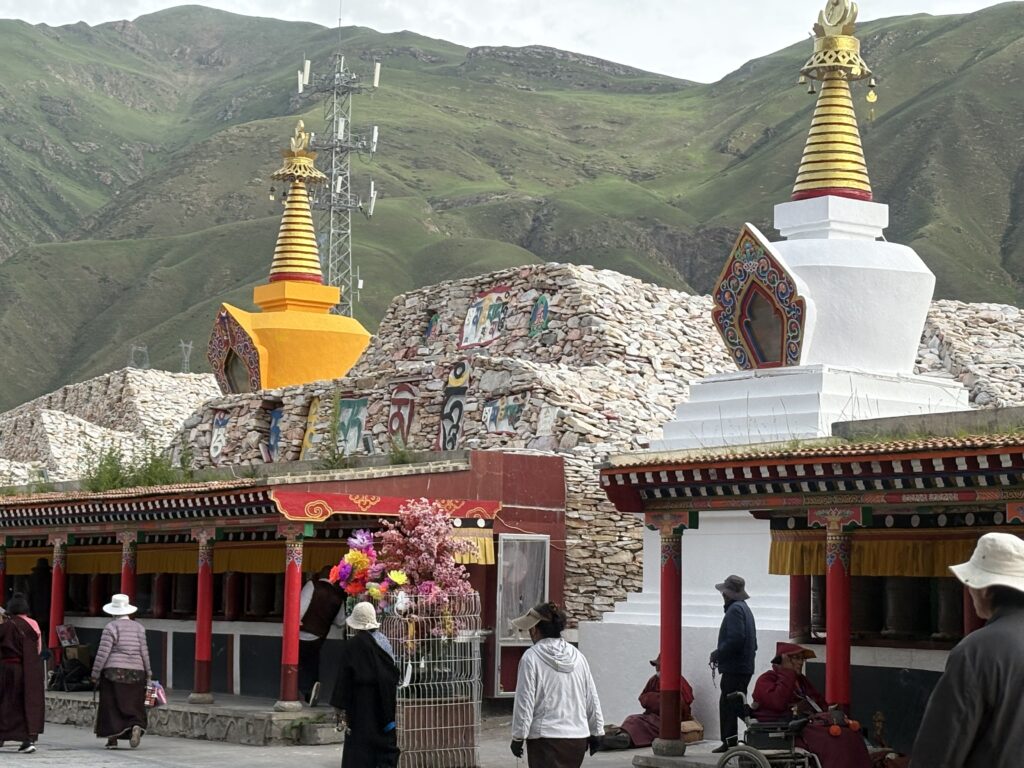
Layered colorful stone walls form a labyrinth-like stone scripture city. Red, white, green painted stones stand out against the plateau sky, with narrow alleys winding through the mound for walking circumambulation.
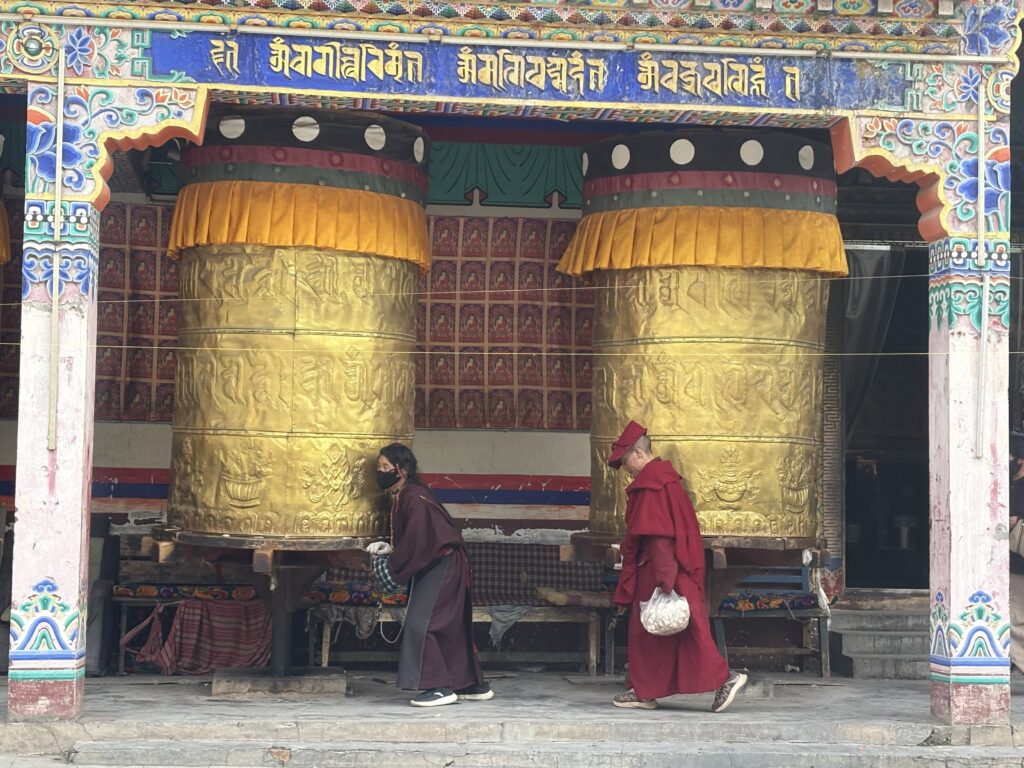
Prayer Wheel Corridor
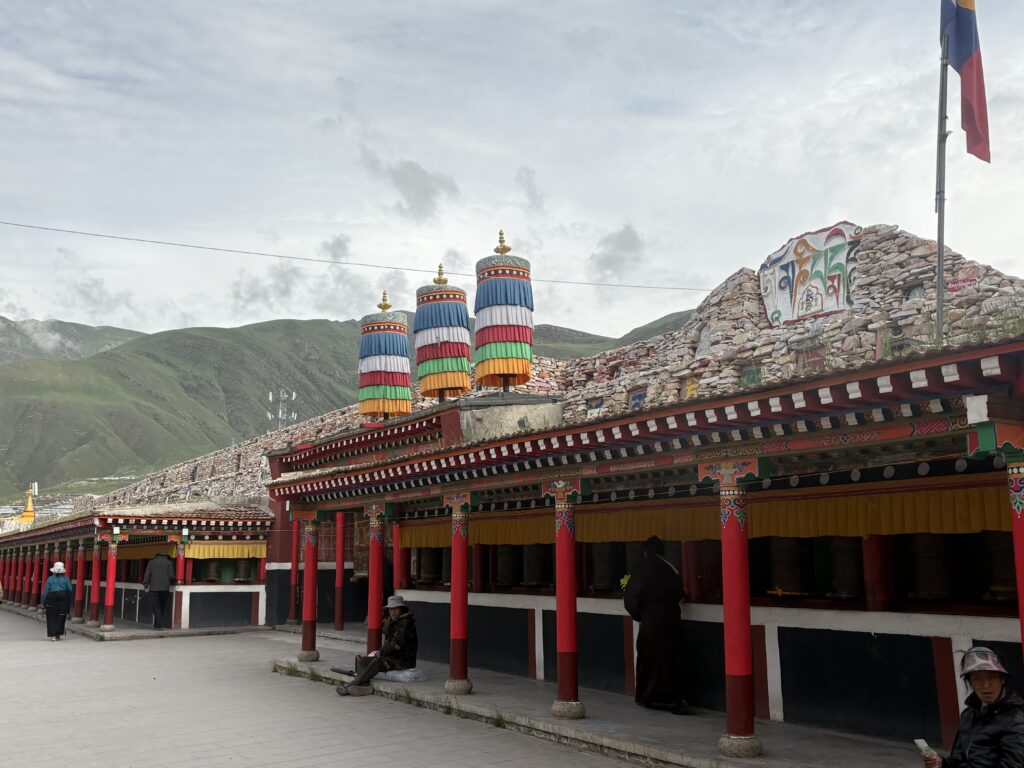
More than 390 small prayer wheels plus 12 huge bronze prayer wheels along the outer path; visitors spin clockwise for blessings together with local pilgrims.
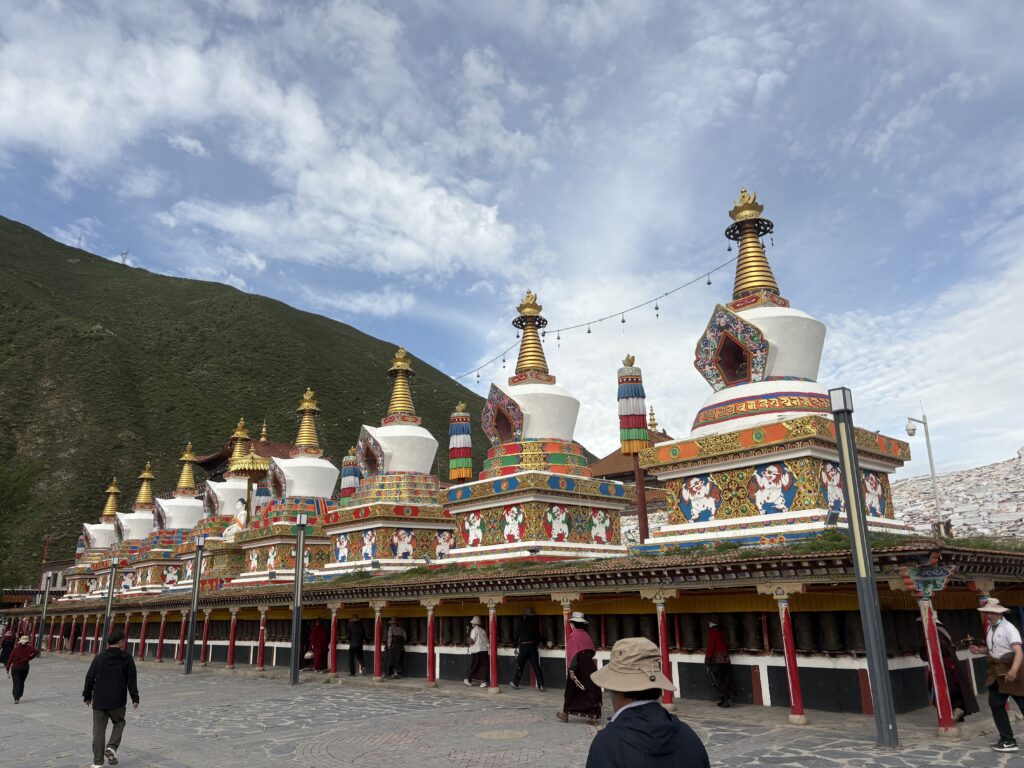
White Stupas & Prayer Flags
8 white Tibetan pagodas stand beside the stone city, draped with endless fluttering colorful prayer flags, creating a solemn Tibetan religious atmosphere.
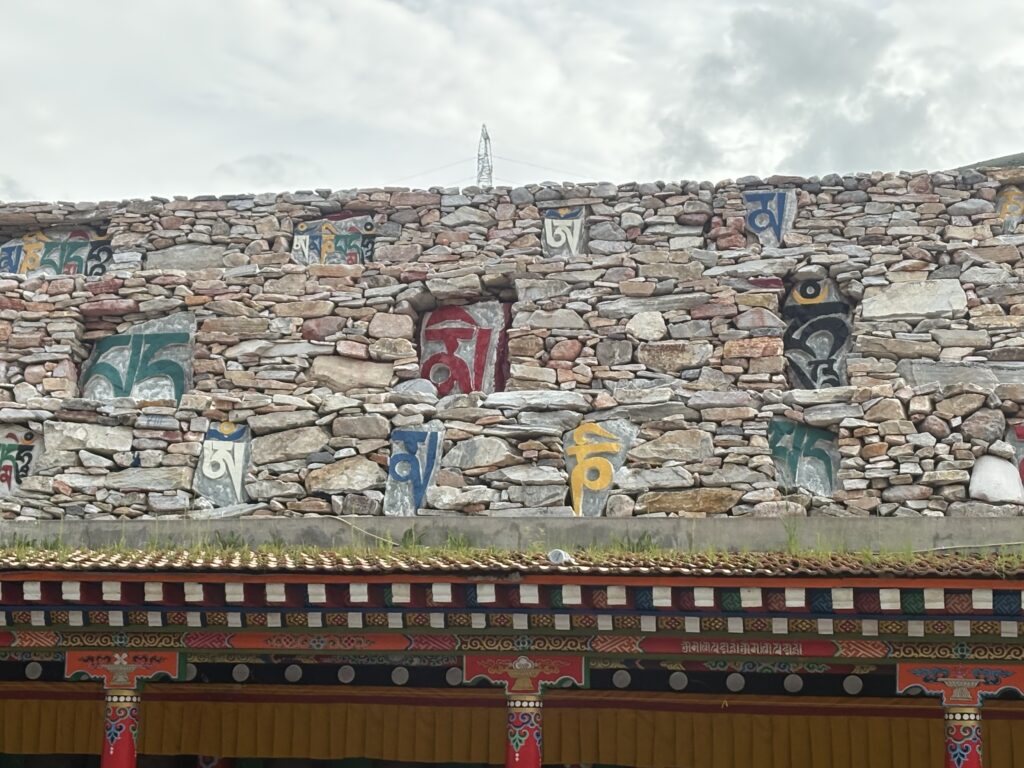
Live Stone Carving Workshop
Local artisans carve mantras and Buddhas on river stones on-site. Visitors can buy a blank stone (20–50 CNY) to carve and add it to the mound as a personal prayer offering.
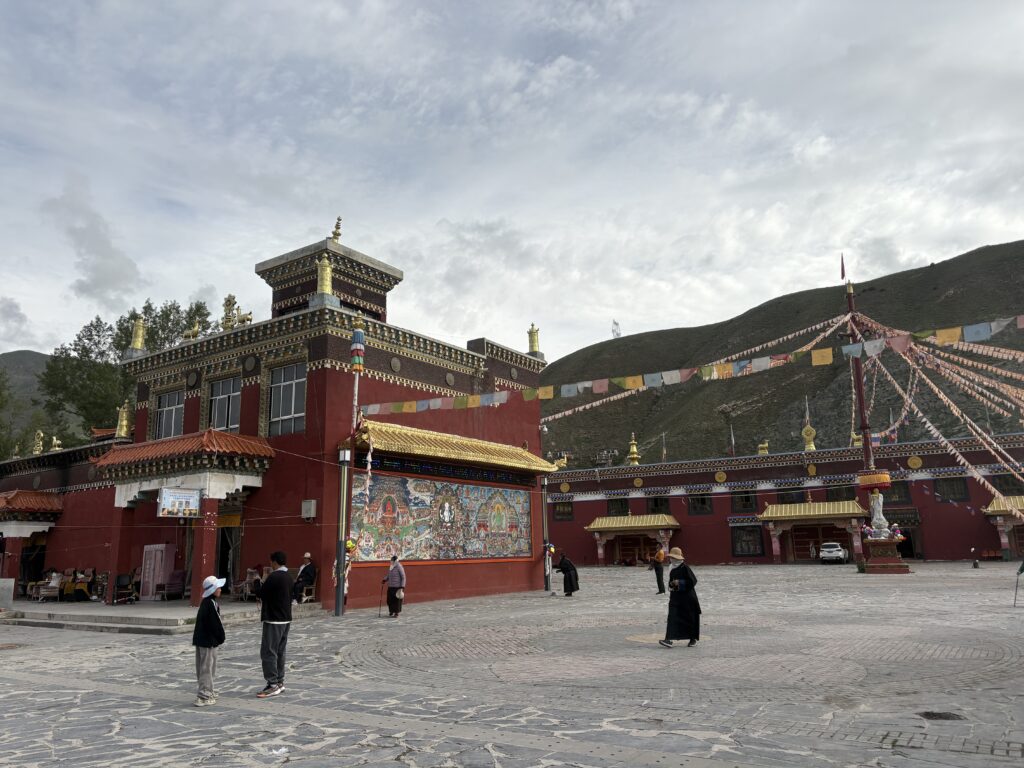
Scripture Hall
Houses the statue of the founding Gyanak Rinpoche and sacred original Mani stones with natural Buddha patterns.
Transport from Yushu Downtown
Public bus No.2 / No.3: 1 CNY per person, 20 mins direct to the gate (most budget choice for families).
Taxi: 10–15 CNY one way, 15 mins ride.
Self-drive: Free parking lot at the entrance.
Suggested Visiting Time
2–3 hours, best to arrive in early morning or sunset: soft golden light for photos, fewer crowds, and gentle wind.