Mesho (Meshod / Dzongsar Valley) | Dege, Northern Kham, Sichuan
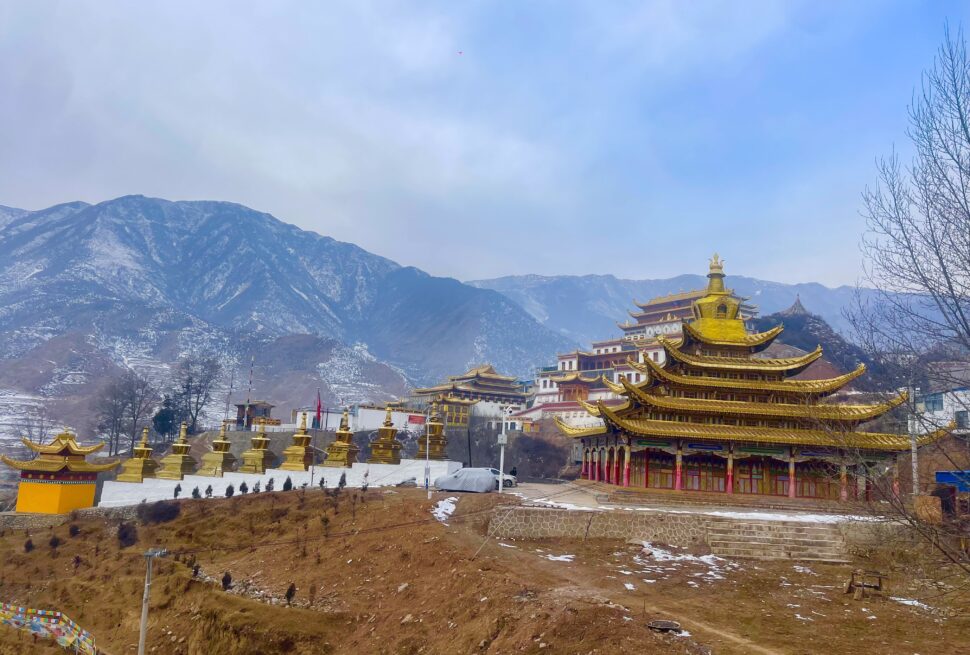
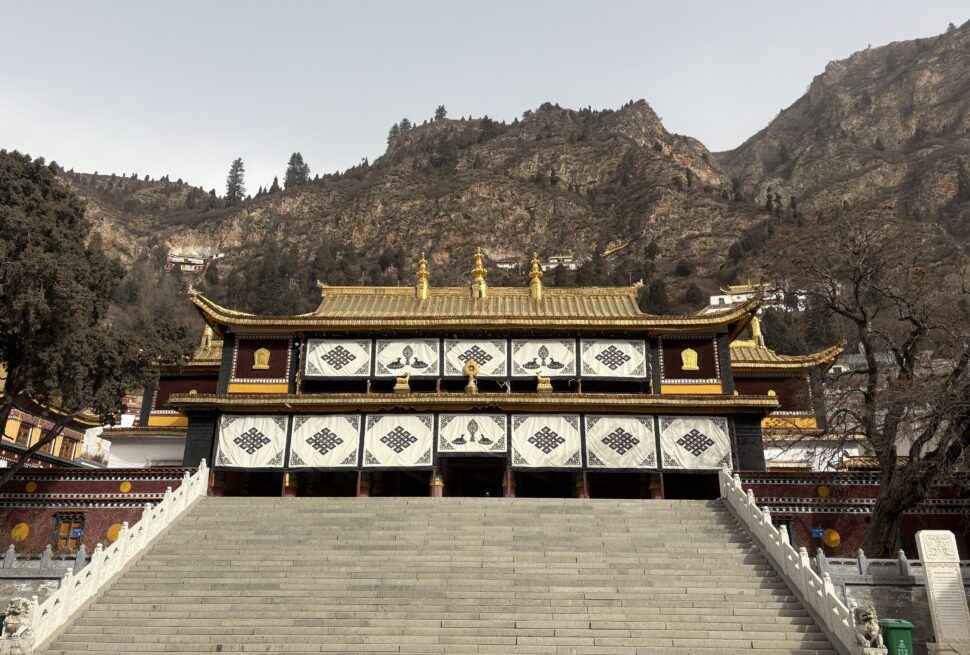
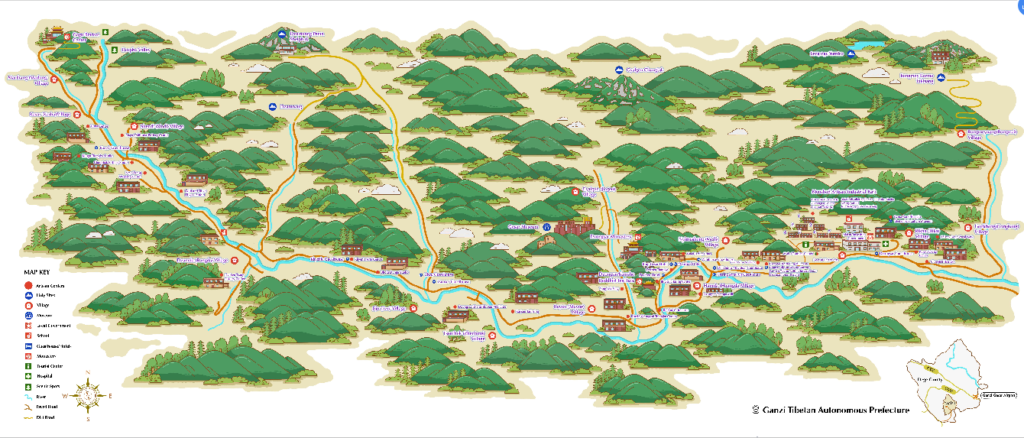
Nicknamed Valley of Tibetan Crafts, this remote alpine basin beside Dzongsar Monastery is Tibet’s most intact living hub for classic Kham folk art.
Basic Overview
Around 6,000 permanent villagers, nearly 2,000 registered master artisans (one-third of local population), gathered across over 30 family-run workshops preserving 16 core Tibetan handicraft genres uninterrupted for centuries. Rooted in Rimé spiritual culture nurtured by Dzongsar’s Khyentse lineage, valley crafts blend Sakya monastic aesthetics, ancient Dege Kingdom folk tradition and Indo-Nepalese art influences.
Five Signature Valley Crafts
1. Ritual Limar Bronze Casting (Rima Copper, iconic Mesho craft)
Mesho’s most prestigious heritage, pioneered under Jamyang Khyentse Wangpo in 19th century, centred at renowned Khyenle Art Workshop.
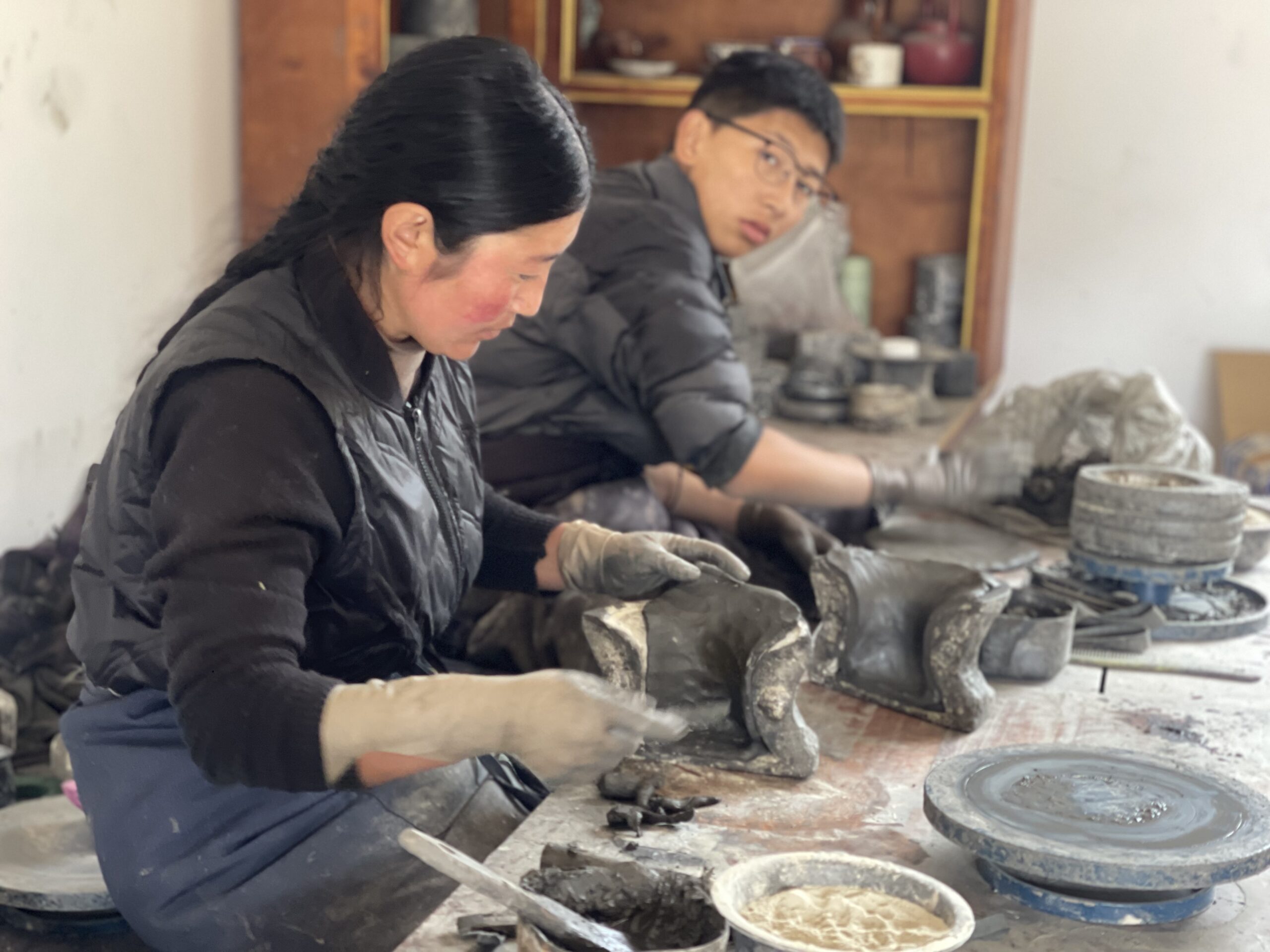
Limar is a sacred alloy blended with copper, silver, gold, iron plus rare mineral crystals; artisans apply ancient lost-wax & sand casting (“three-stage forming”: clay prototype → wax mould → final bronze pour) for Buddha statues, ritual vajras and monastery ornaments. Finished pieces feature natural mottled iridescent patina, treasured across Himalayan regions; modern artisans also craft handcrafted jewellery & small cultural souvenirs.
2. Mesho Thangka Painting (Garma-Gyazi + Gamen mixed school)
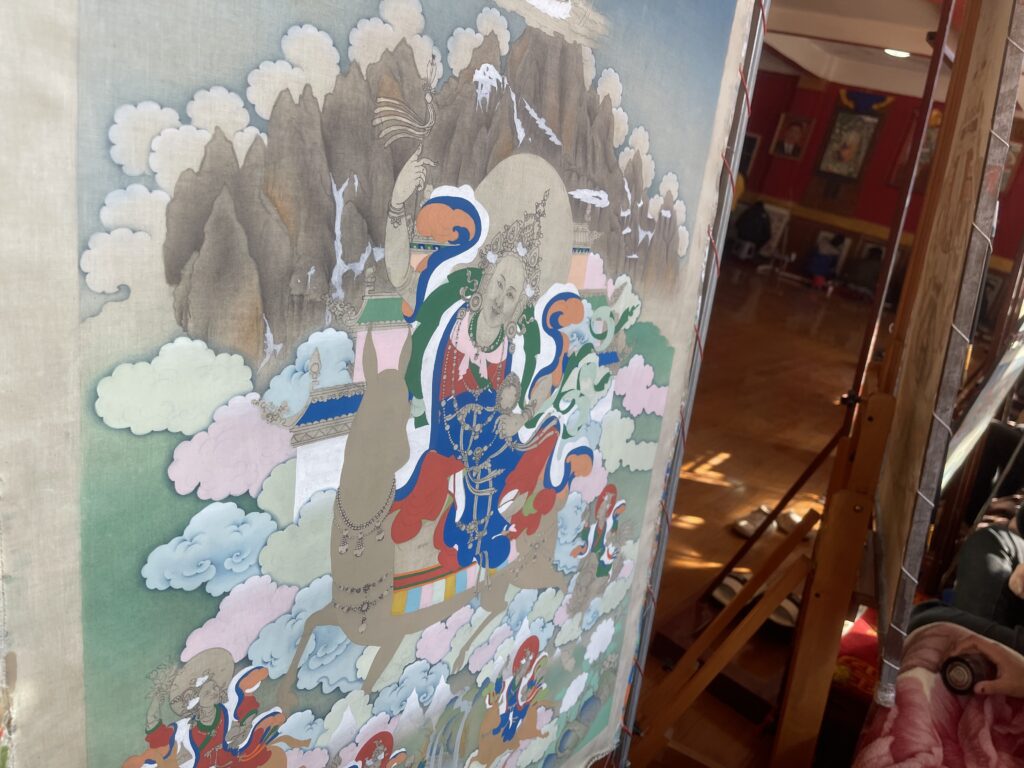
Unique local Ga-Mien style, a fusion of Kham Garma-Gyazi and Central Tibet Men-sa painting traditions born in this valley. All pigments sourced locally: ground malachite, lapis lazuli, coral, gold leaf plus wild herbal dyes; no industrial paint used, allowing artworks to retain vivid hues for hundreds of years. Multiple village ateliers train male and female apprentice painters, breaking old monastic gender restrictions.
3. Mesho Black Pottery
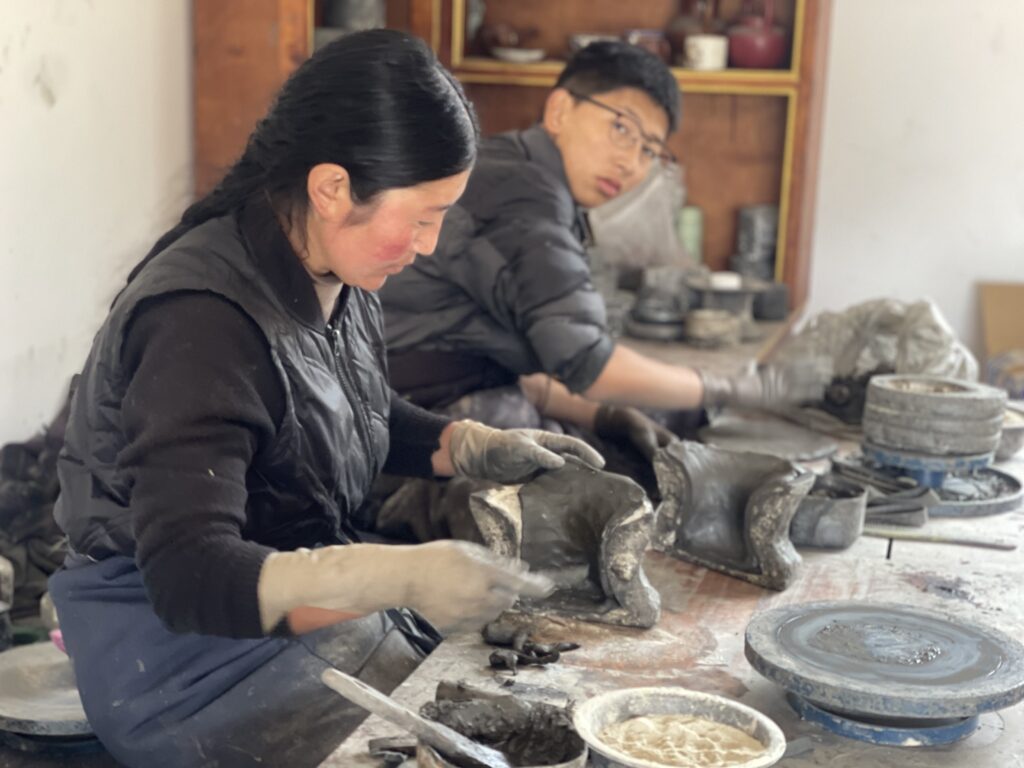
700-year-old craft dating to Yuan Dynasty, clay deemed sacred Terma treasure blessed by Khyentse Wangpo. Local dark mountain clay fired at high heat yields glossy jet-black wares: ritual offering bowls, drinking vessels and domestic crockery with subtle hand-carved Tibetan motifs.
4. Woodcarving & Architectural Woodwork
Artisans carve temple beams, monastery ritual masks, domestic furniture and wooden tantric implements, merging Kham Tibetan carving with subtle Han decorative details. Most timber sourced from surrounding alpine spruce and juniper forests along the valley river.
5. Pastoral Folk Crafts: Yak Wool Weave, Root Basketry & Hidework
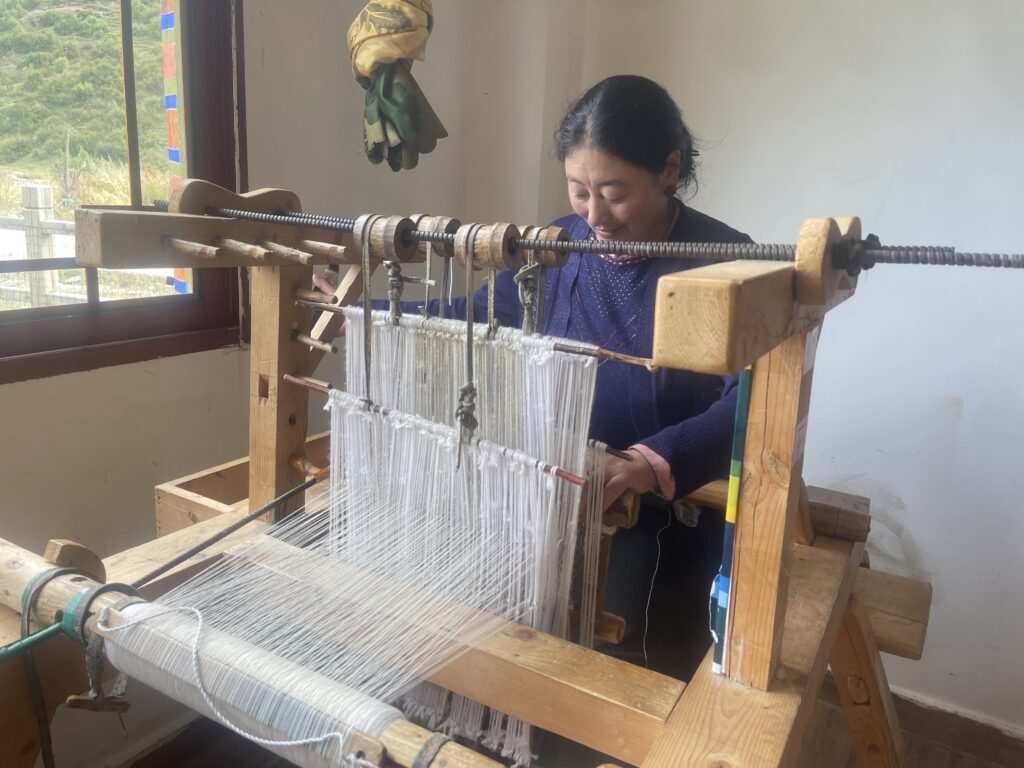
Yak hair hand-woven traditional striped textiles, bags and warm plateau blankets
Flexible birch-root & willow splint basketry for daily farm storage
Hand-tanned yak leather pouches and local Dege-style traditional costume accessories
Cultural & Travel Info
Khyenle Art Centre: Core visitor spot offering guided craft tours and hands-on short workshops (bronze casting, thangka sketching, pottery making) for travellers
Best visiting season: June–October, lush green valley weather; artisans work full schedule outside farming seasons
Local custom: Villagers farm barley in summer, devote autumn/winter entirely to handcraft creation
Nestled beneath Dzongsar Monastery’s hilltop spires, Mesho Valley stands as Kham’s revered cradle of living Tibetan handcraft. Home to two thousand hereditary artisans within six thousand residents, it safeguards sixteen ancient crafts from sacred Limar bronze casting and mineral-pigment thangka to black pottery and pastoral yak-weave. Shaped by centuries of Rimé monastic culture, these valley workshops turn mountain earth, minerals and timber into timeless Himalayan folk art.