Jiaohe Ancient City (交河故城)
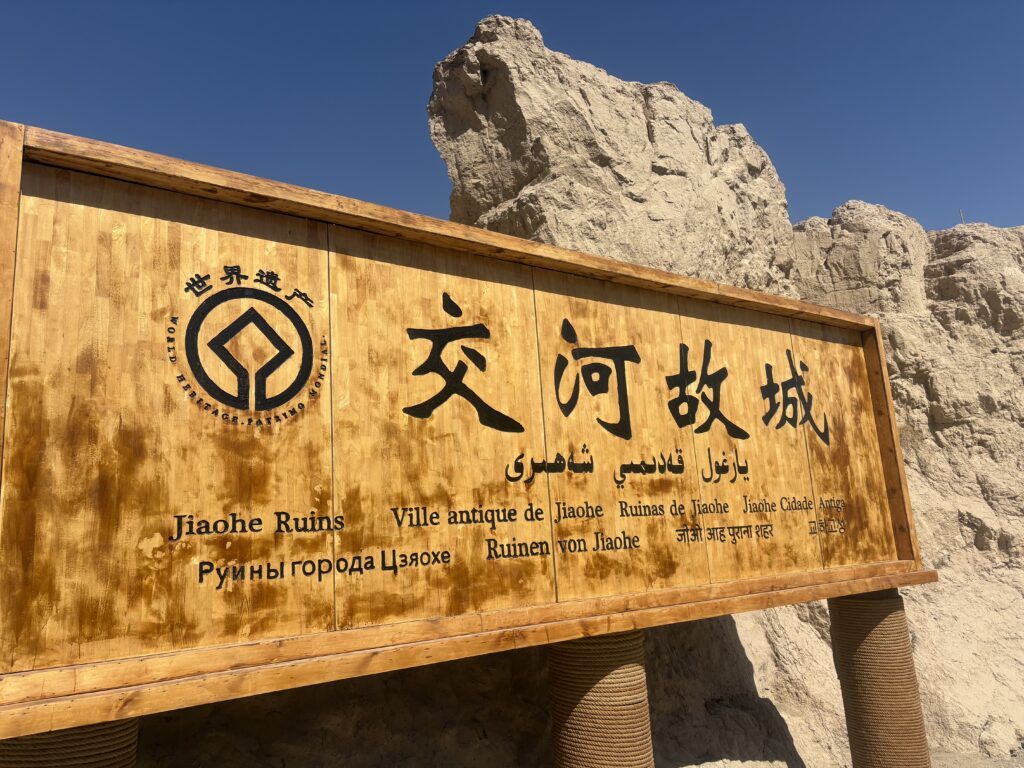
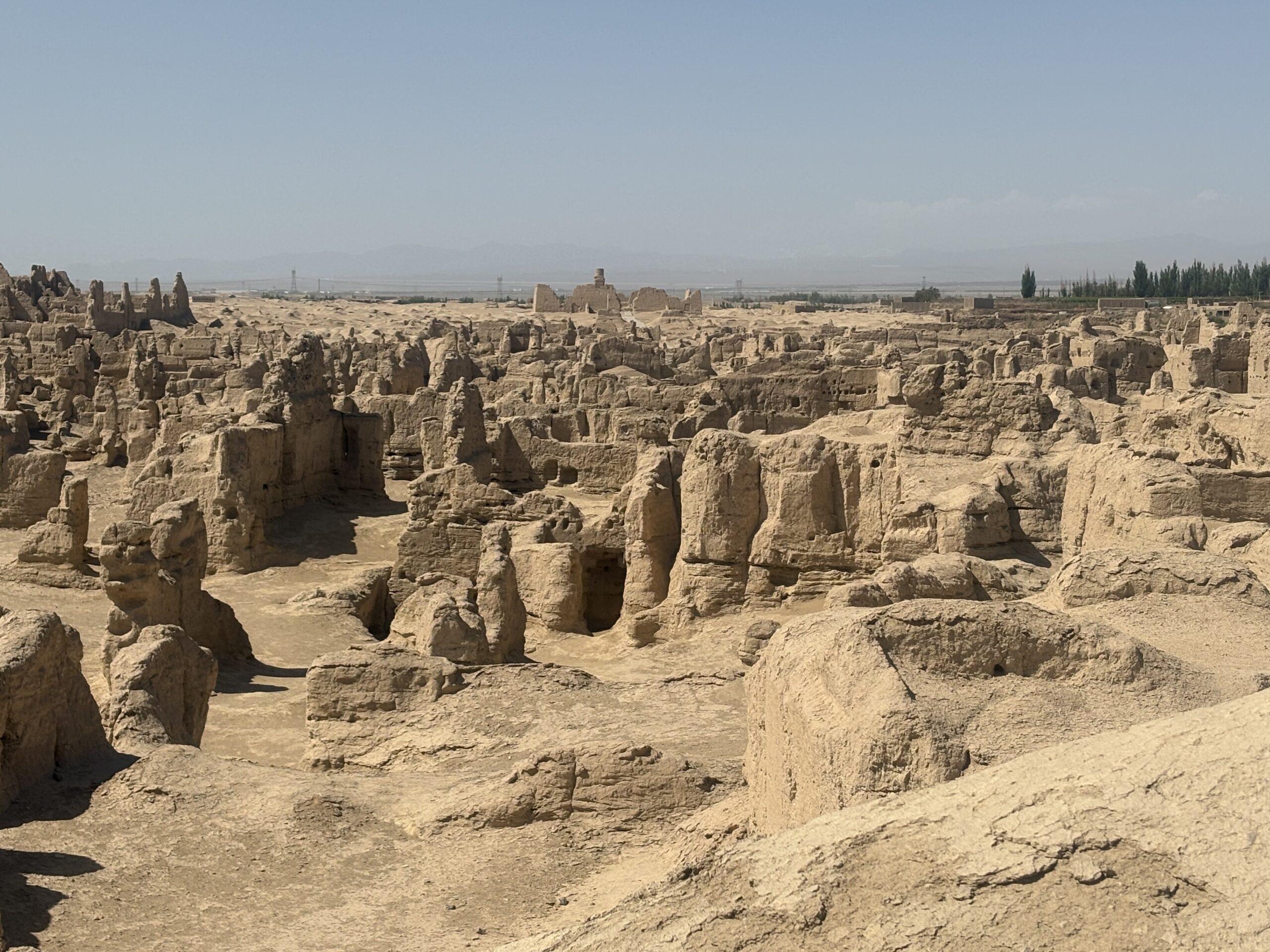
Jiaohe Ancient City (Uyghur: Yarkhoto) is a UNESCO World Heritage Site (2014) and the world’s largest, oldest, and best-preserved earthen-architecture city ruin. It sits 10 km west of Turpan, Xinjiang, on a 30m-high willow-leaf plateau surrounded by two rivers—hence the name “Jiaohe” (meeting of rivers).
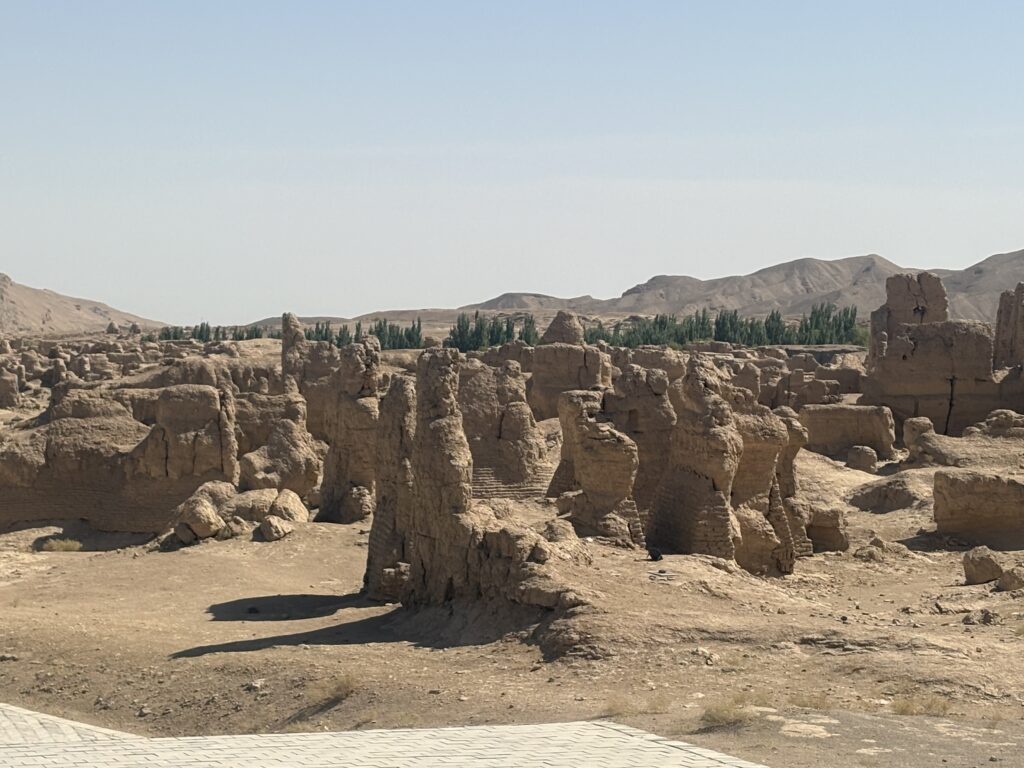
Basic Facts
Area: ~470,000 ㎡; surviving ruins: 360,000 ㎡.
Size: 1,650m long (N-S), 300m wide (max).
Layout: 3 zones—southern residential, central government, northern religious (temples/stupas).
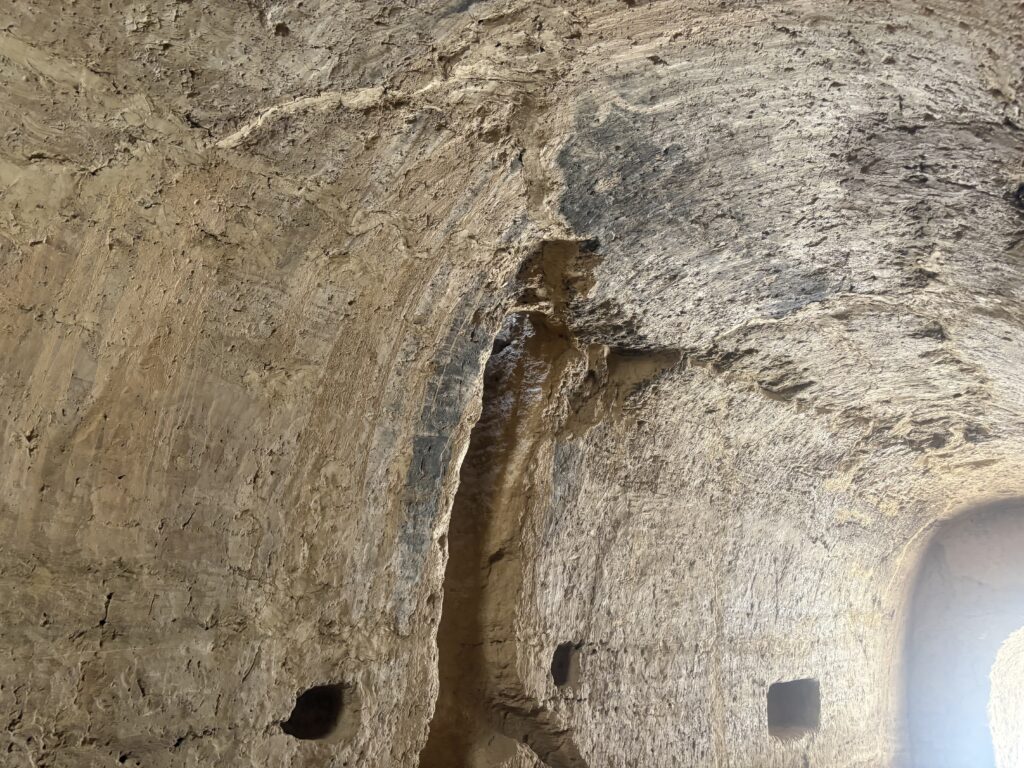
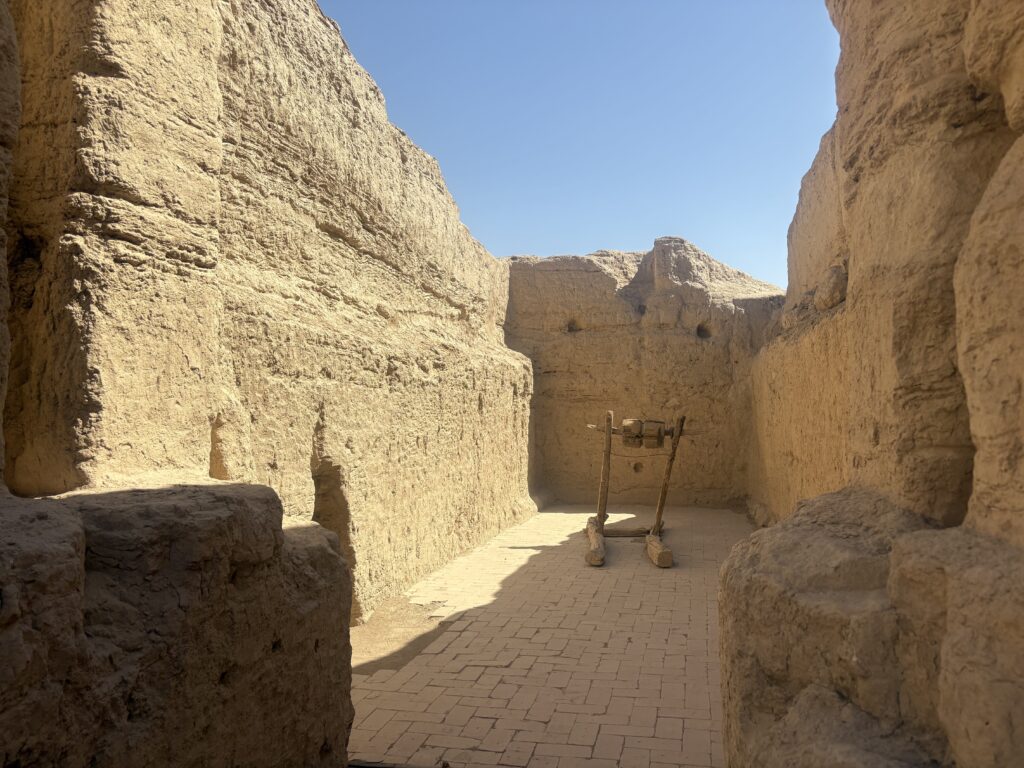
Unique feature: Built by carving into native earth (“cut-earth” method), no bricks or stones.
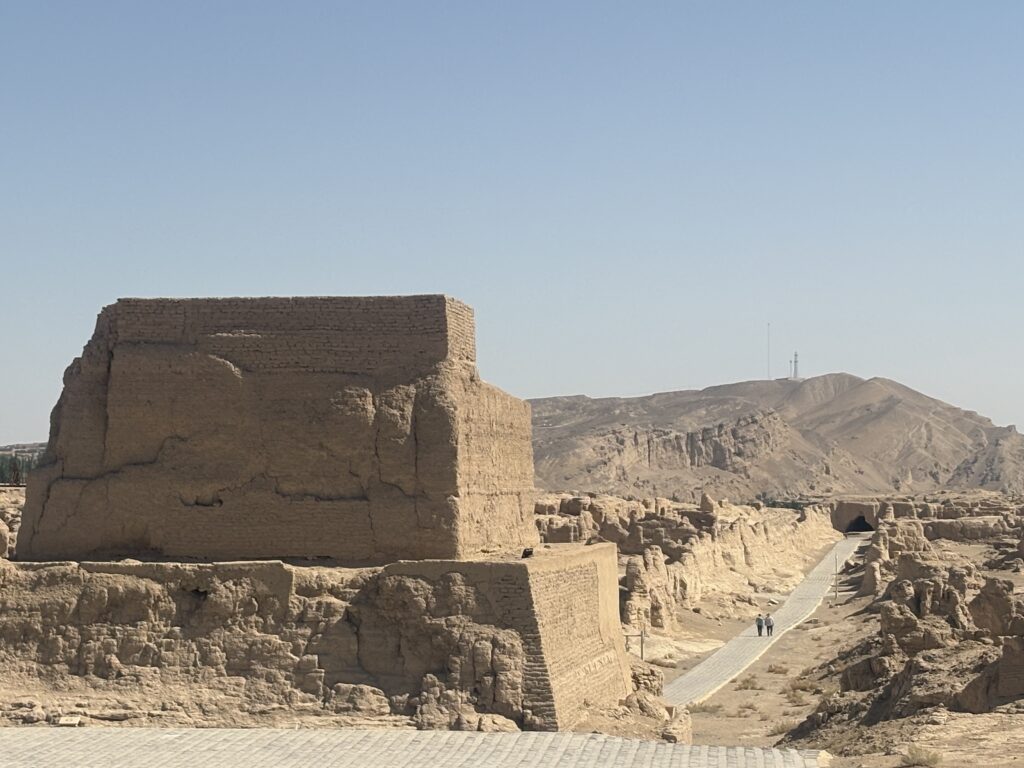
History
2nd century BC: Founded as capital of the Jushi (Cheshi) Kingdom.
640 AD: Tang Dynasty’s Anxi Protectorate (seat of Western Regions governance).
14th century: Destroyed by wars; abandoned as water sources shifted.
1961: National Key Cultural Relic Protection Unit.
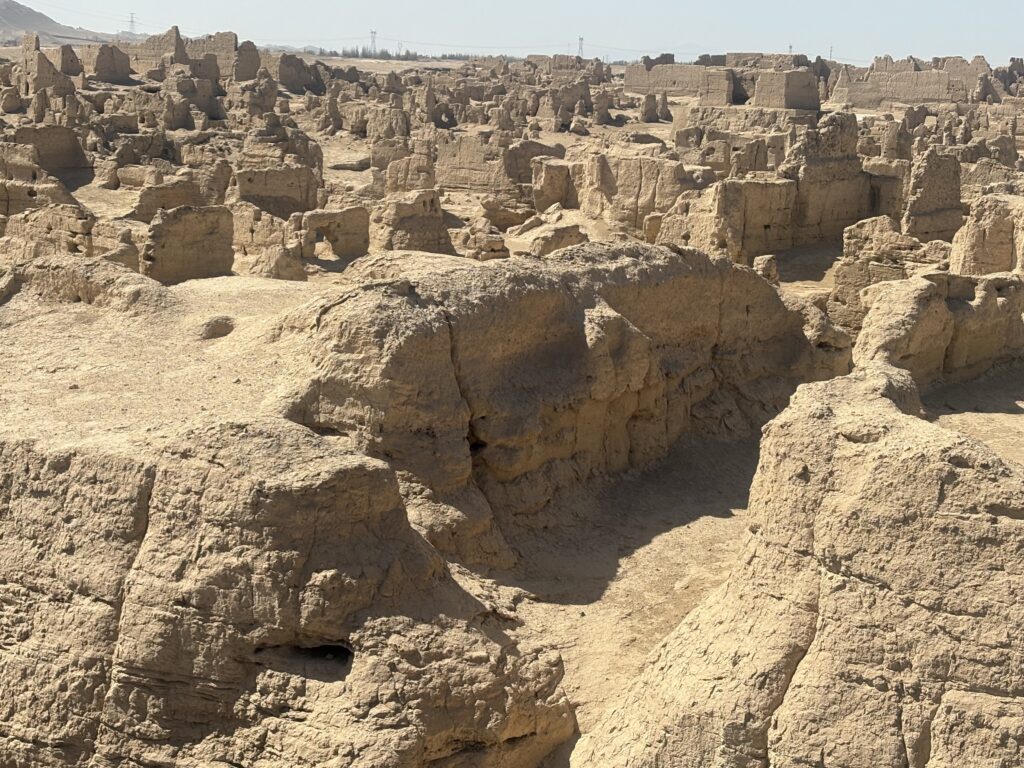
Highlights
Natural defense: 30m vertical cliffs replaced walls—impenetrable for centuries.
Central Avenue: 300m-long main street dividing the city.
Northern Stupa Area: 101 stupas (1 central + 100 small ones).
Tang-era relics: Official offices, underground granaries, and Buddhist cave temples.
Visiting Tips
Hours: 09:00–19:30 (summer); 10:00–18:00 (winter).
Admission: ~¥70 (2026).
Best time: May–October (cooler, less wind).