Bezeklik Thousand Buddha Caves (柏孜克里克千佛洞)
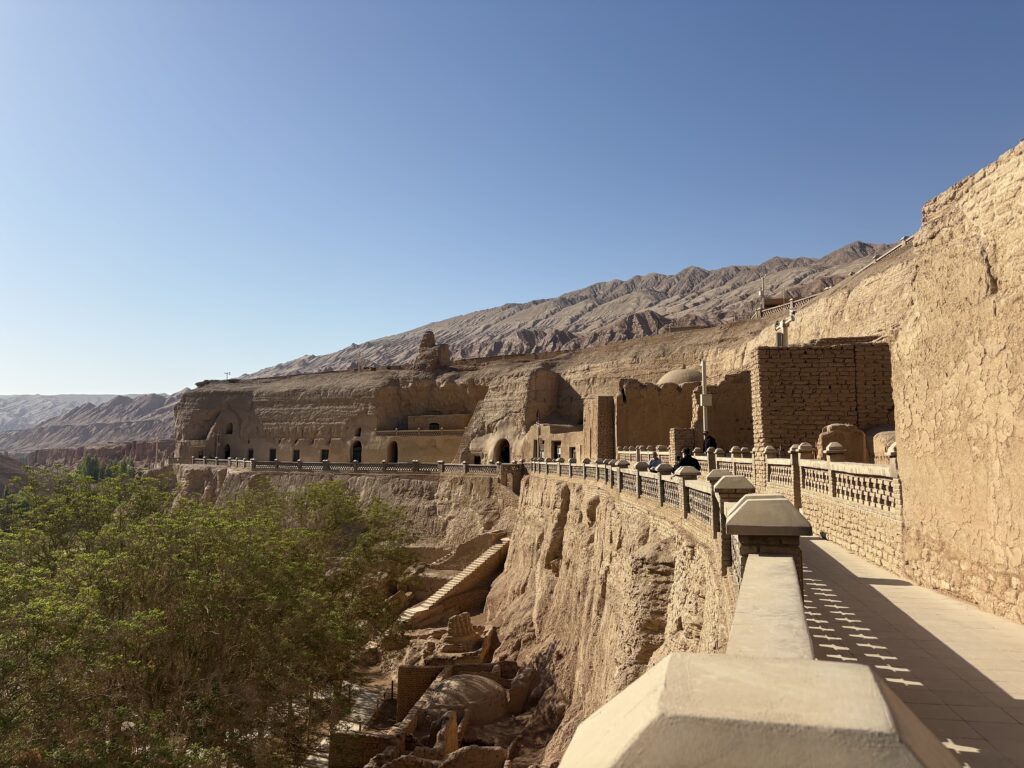
Bezeklik Thousand Buddha Caves are a major Buddhist cave site on the Silk Road, located ~40 km northeast of Turpan, Xinjiang, on the cliffs of the Flaming Mountains’ Mutougou Gorge.
Basic Facts
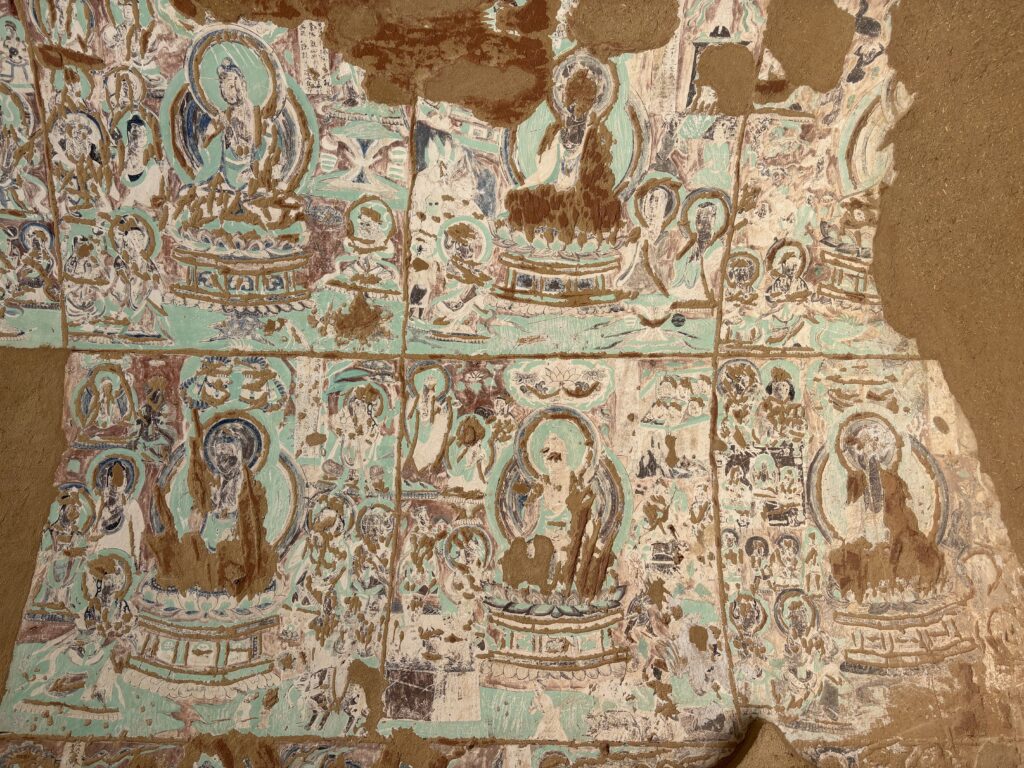
Original Caves: 83; Surviving: 57; With murals: 40+.
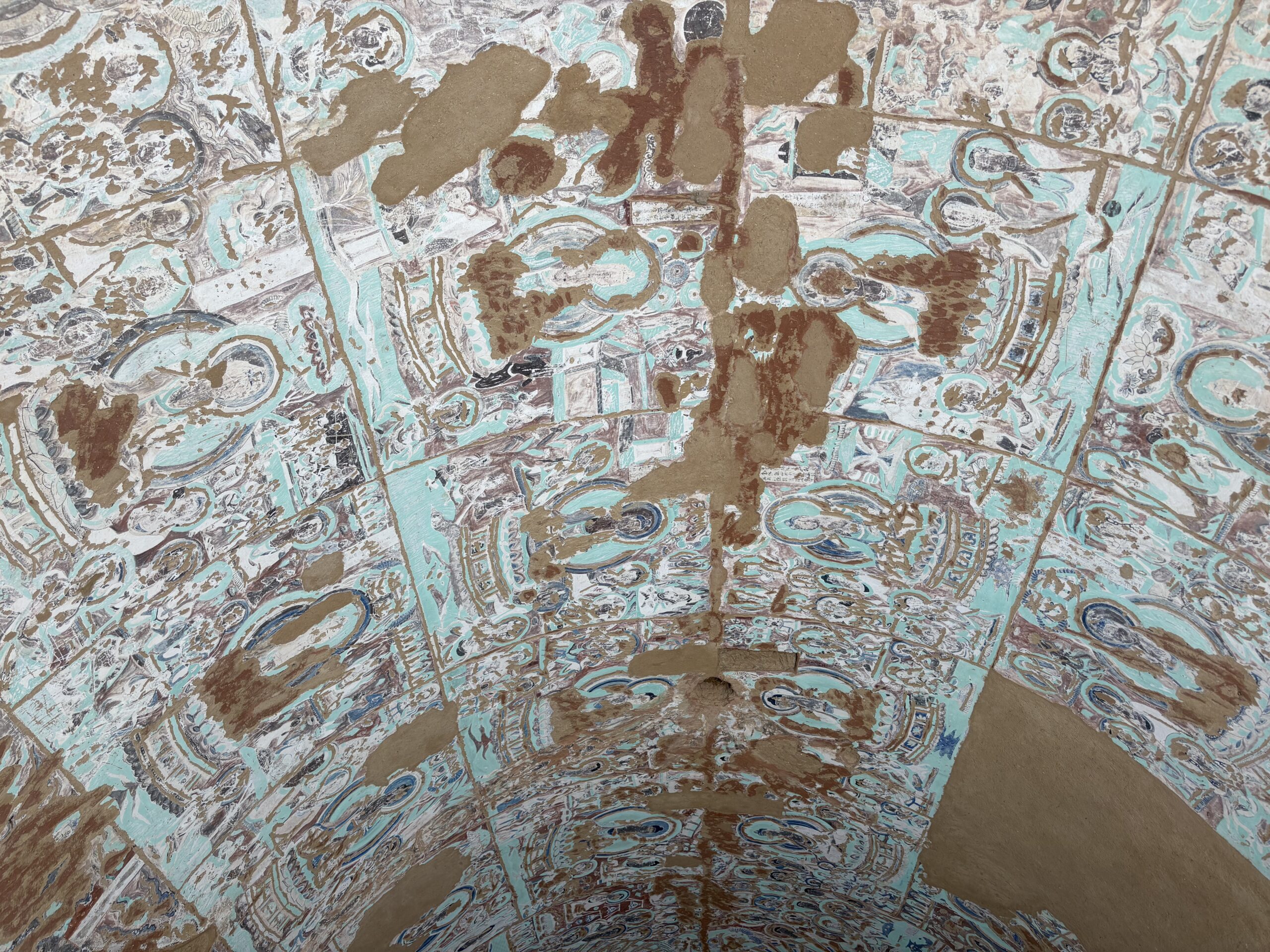
Mural Area: ~1,200 ㎡, Xinjiang’s richest mural collection.
Layout: 3 layers—top (stupa area), middle (worship), bottom (living quarters).
Status: National Key Cultural Relic Protection Unit (1982).
History
5th–6th c.: First carved (late Northern & Southern Dynasties).
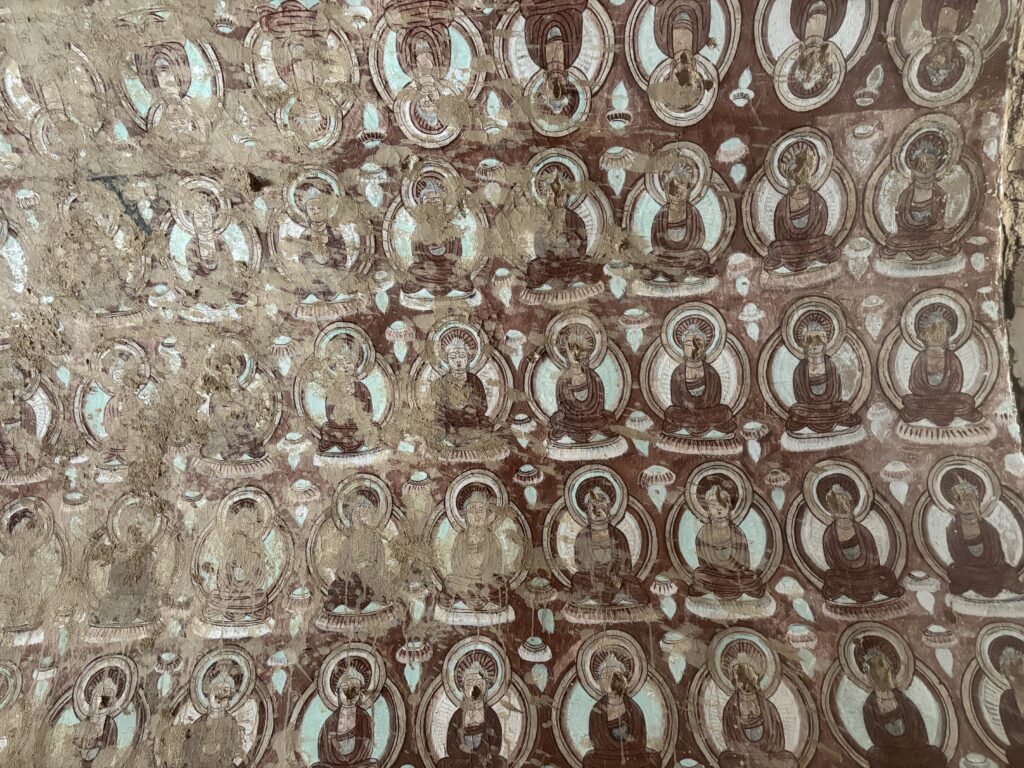
9th–13th c.: Royal monastery of the Gaochang Uyghur Kingdom (golden age).
13th c.: Declined as Islam spread; later looted by foreign expeditions.
Art Highlights
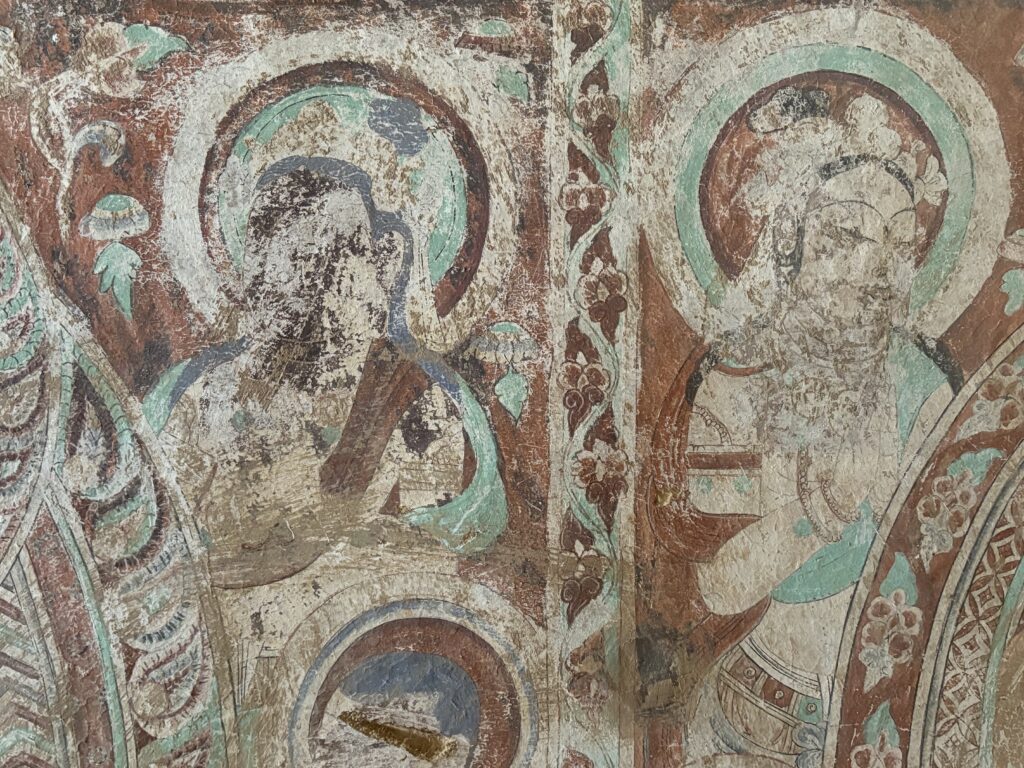
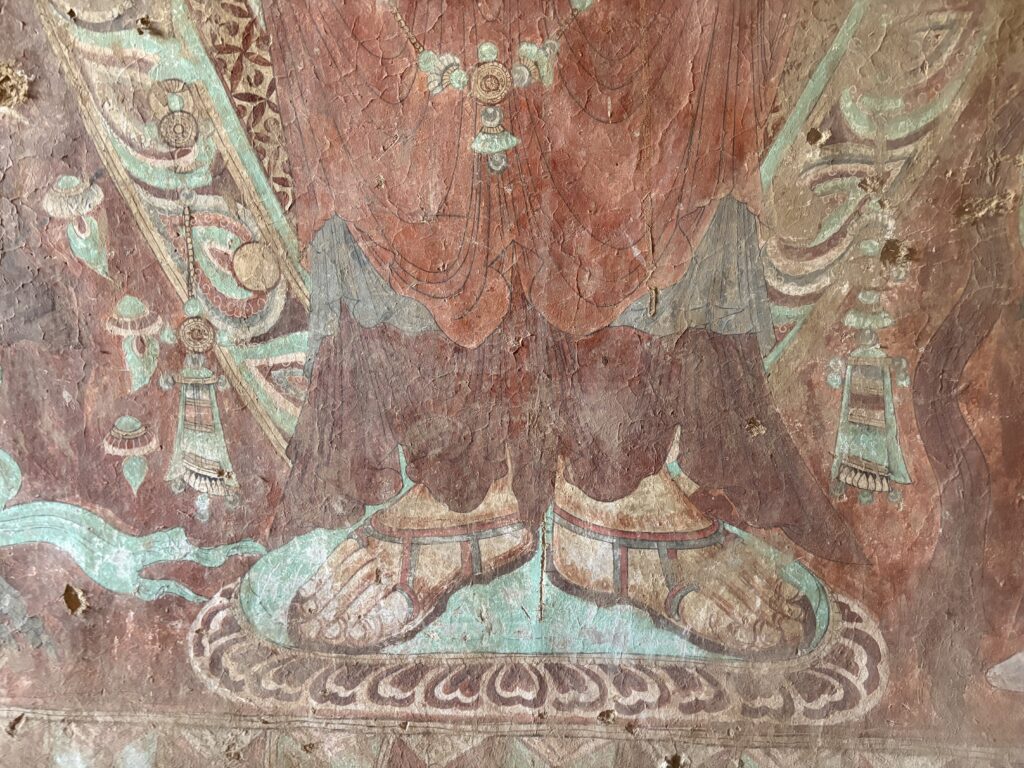
Style: Blends Chinese, Central Asian, Gandhara, and Persian elements.
Murals: Buddha stories, sutra illustrations, Uyghur royals, and Manichaean scenes.
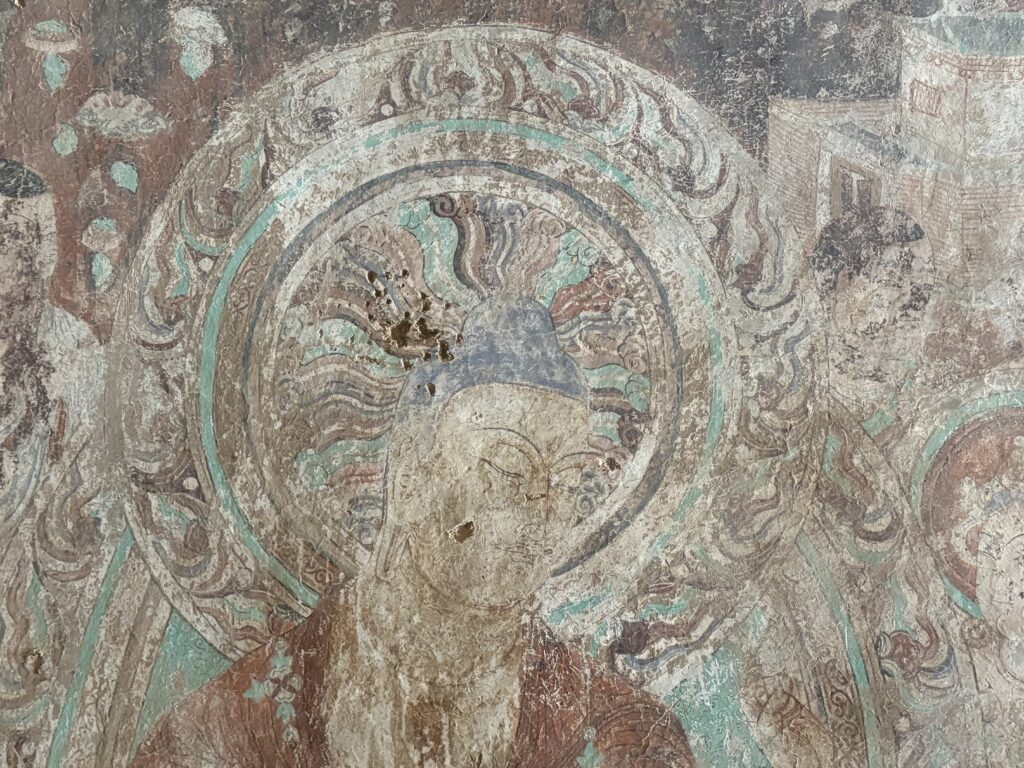
Famous Caves:
Cave 20: Gaochang king & queen portraits.
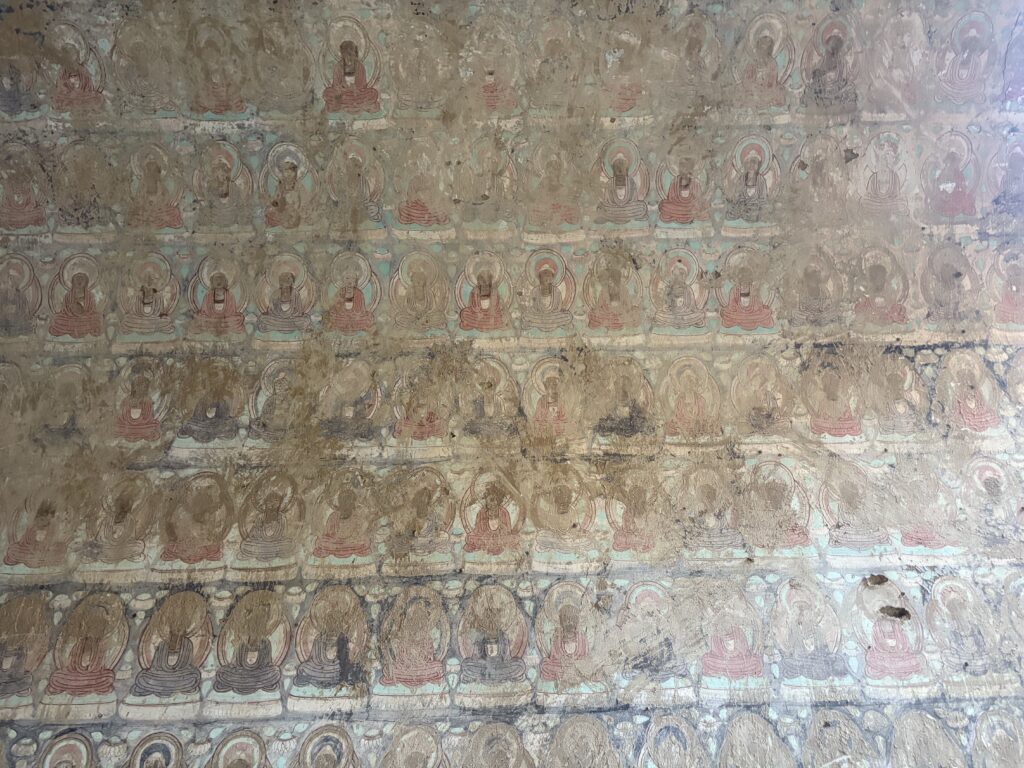
Cave 38: Rare Manichaean life scenes.
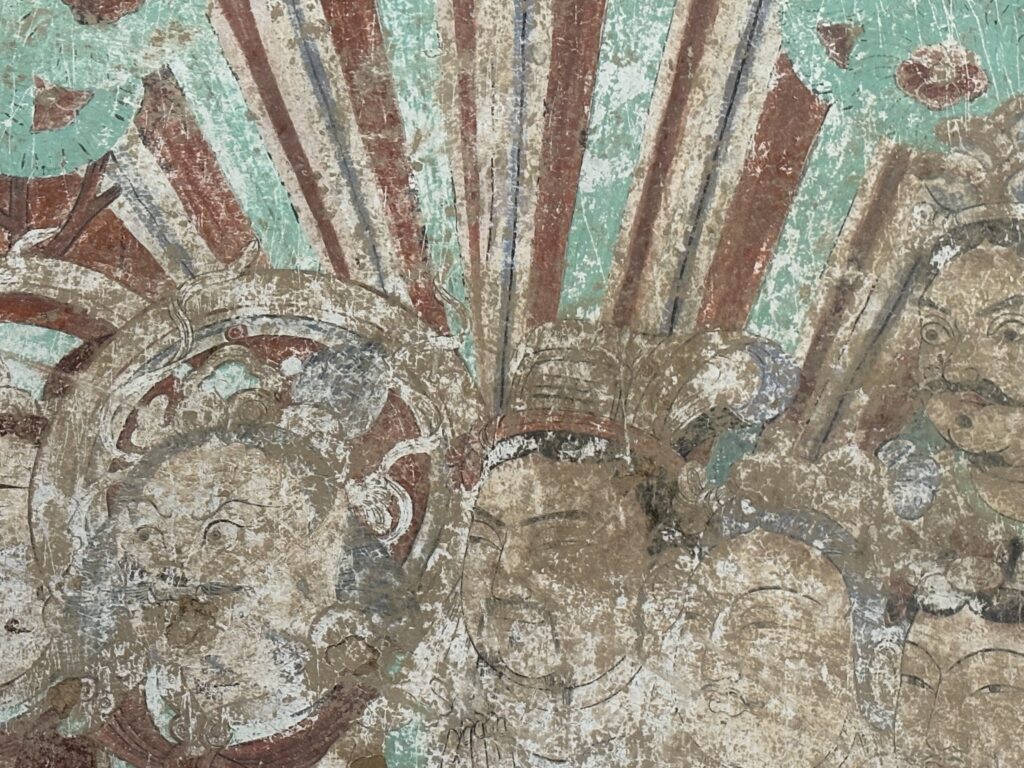
Cave 9 (new open 2026): 9th–10th c. central pillar cave.
Visiting Tips
Hours: 09:00–19:30.
Admission: ~¥40 (as of 2026).
New (May 2026): Stupa ruins, Cave 9, and “Yang Gong Stele” site open.