Basic Info
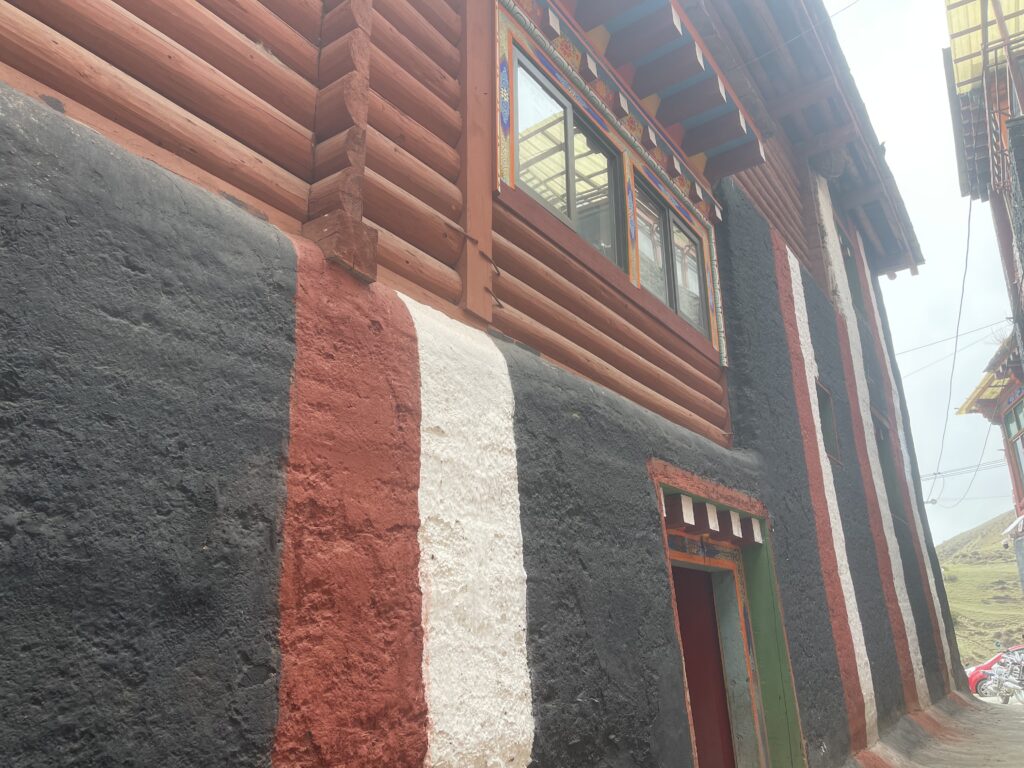
Tibetan Name: Rdzong gsar dgon pa (meaning New Fortress Monastery)
Location: Menshö Valley, Mesu Town, Dege County, Northern Kham; 2.5hrs drive southeast of Derge town, elevation ~3800m
Root Sect: Sakya; globally renowned birthplace of the Rimé (Non-Sectarian) Movement in Tibetan Buddhism
Founding Timeline: First erected AD746 as an early Bön shrine named Jowo-Lha-Chig-Kar-Chig (One-Buddha-One-Pillar Temple); later converted to Nyingma then Kadampa; formally established Sakya in 1275 by Drogön Chögyal Phagpa (Pakpa). Ruined 1958, full reconstruction began 1983.
Core History
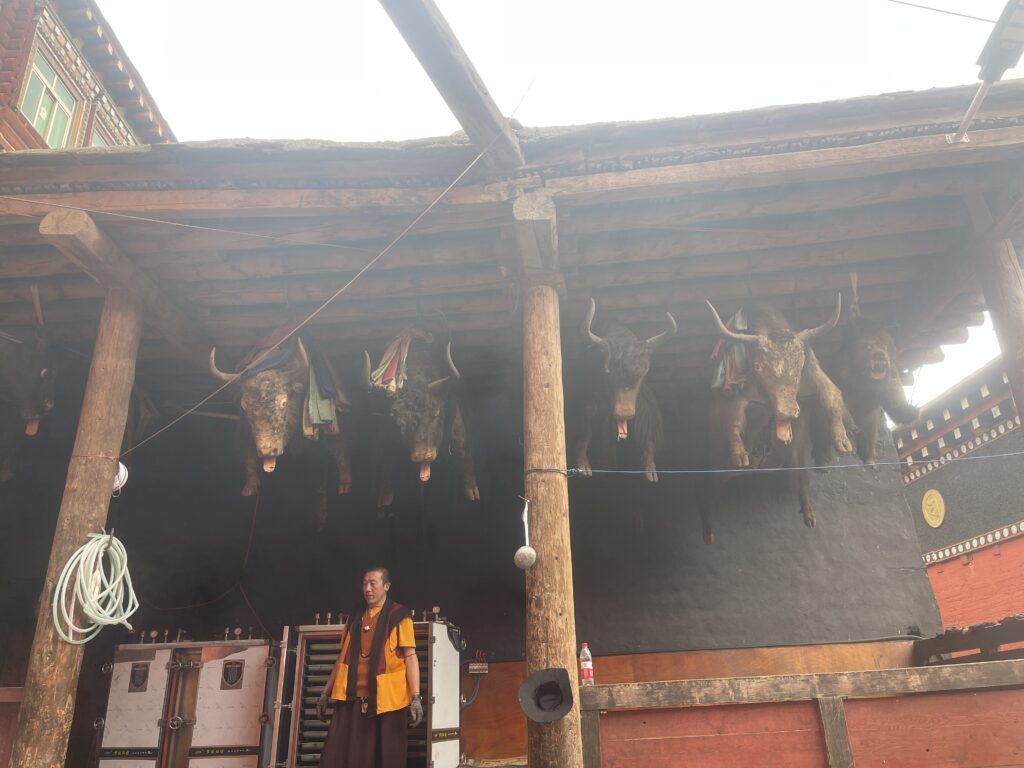
Dzongsar is the ancestral seat of the celebrated Khyentse lineage: home base for Jamyang Khyentse Wangpo (1796–1892) and Jamyang Khyentse Chökyi Lodrö (1893–1959), two towering founders of the 19th-century Rimé revival.
Together with Jamgon Kongtrul, they compiled the monumental Five Great Treasuries of Tibetan scriptures, gathering complete teachings across all 8 Tibetan Buddhist schools and breaking historic sect divides. The compound splits into three core palace shrines: Gonna Palace, Ari Palace and iconic Khyentse Palace, the spiritual heart of the Rimé legacy.
Historically housing 300–500 resident monks, today roughly 400 monks reside alongside its large valley-floor shedra (Buddhist college) with nearly 800 student practitioners.
Key Highlights
Ridge-Top Layered Architecture
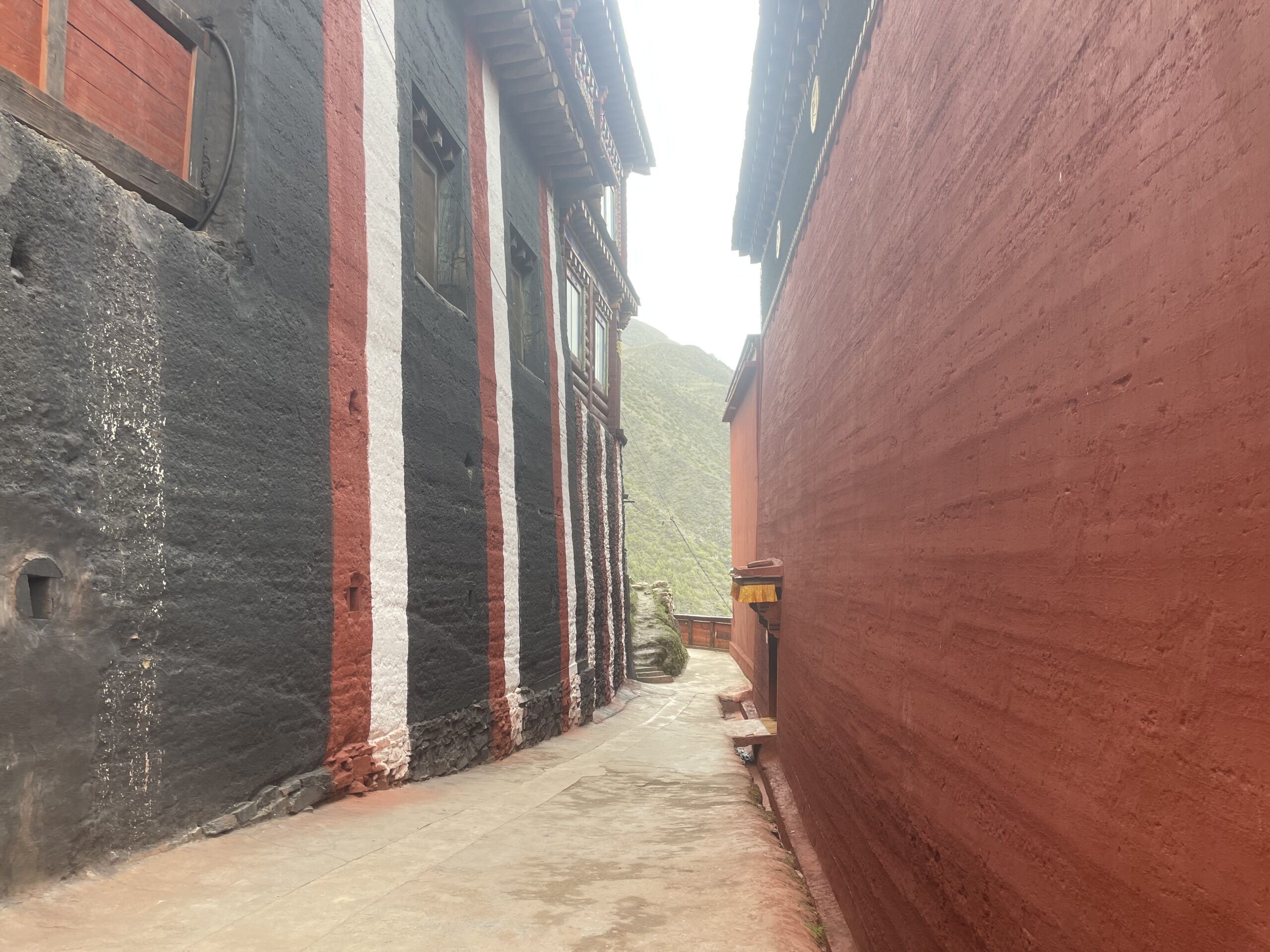
Crimson-walled temple halls stack tiered up a sharp mountain spur, clustered monk dwellings cascade down green alpine slopes toward the fertile Menshö valley floor; classic remote Kham hilltop gompa silhouette for landscape photography.
Dzongsar Shedra (Khamche Shedrup Dargye Ling)
Founded 1918 below the main monastery, one of Kham’s most respected non-sectarian Buddhist institutes open to all lineage students across Tibet, Nepal and Bhutan.
Rare Sacred Collections
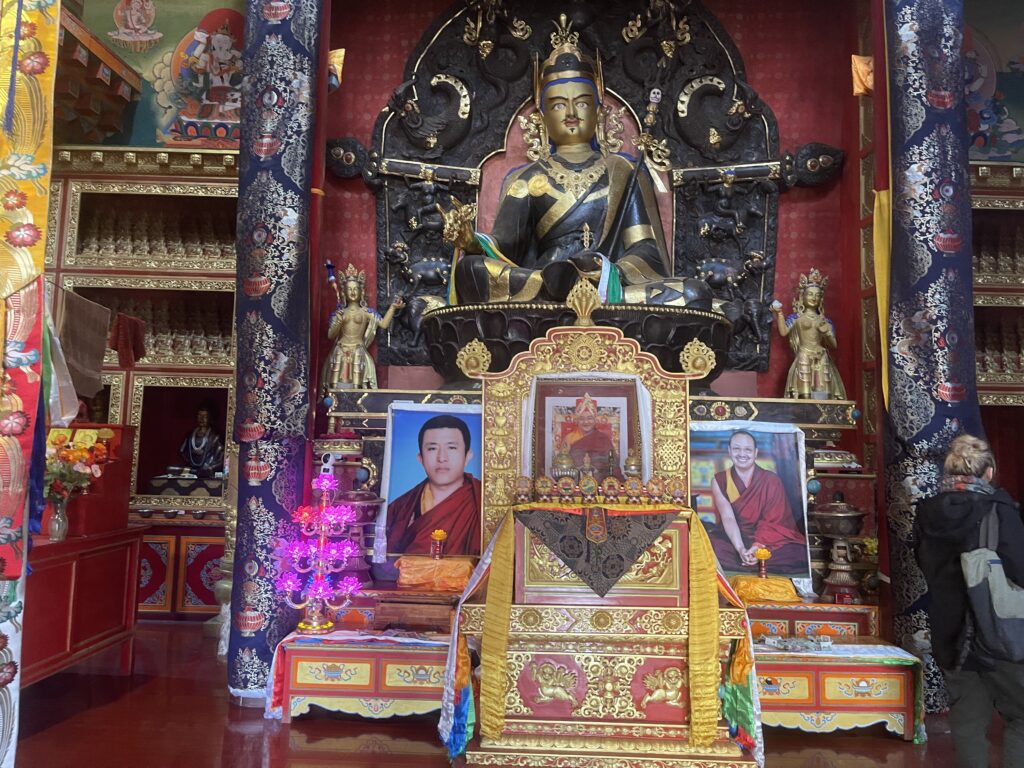
Preserved antique thangka, hand-copied Kangyur manuscripts, ritual implements and relics linked to the Khyentse masters and early Rimé pioneers; local Menshö valley is also a traditional centre for Kham thangka painting and metal handicrafts.
Travel Guide
Access: Detour off G317 North Sichuan-Tibet Route; 75km southeast of Dege County seat, private car only
Best visit: June–October (lush green valleys, mild plateau weather)
Etiquette: Clockwise-only kora around monastery hill; no entry to restricted private shrine chapels without monk permission
Perched atop a rugged green ridge in remote Menshö Valley of Dege, Dzongsar Monastery is Sakya Kham’s most spiritually influential gompa and the cradle of Tibet’s groundbreaking Rimé non-sectarian movement. Evolving from a 746 AD Bön single-pillar shrine into Pakpa’s 13th-century Sakya foundation, it rose to fame as home of the revered Khyentse Rinpoches, who unified fragmented Tibetan Buddhist lineages. Its tiered red-walled hilltop temples overlook a thriving valley shedra, making it a quiet beacon of cross-sect Tibetan faith.