Karez (坎儿井, Kān’ěr Jǐng) is an ancient underground gravity irrigation system in Turpan, Xinjiang, China.
Basic Facts
Other names: “underground canal”, “well canal” (ancient China); qanat (Middle East).
Location: Mainly Turpan & Hami, Xinjiang.
Nickname: One of China’s Three Great Ancient Projects (with the Great Wall & Grand Canal).
Age: Over 2,000 years (Han Dynasty).
Scale: Turpan has ~1,100 karez, total length ~5,000 km.
Honor: World Irrigation Heritage (2024).
Structure (4 parts)
Vertical shafts (竖井)
Wells for digging, ventilation & maintenance; 15–30 m apart.
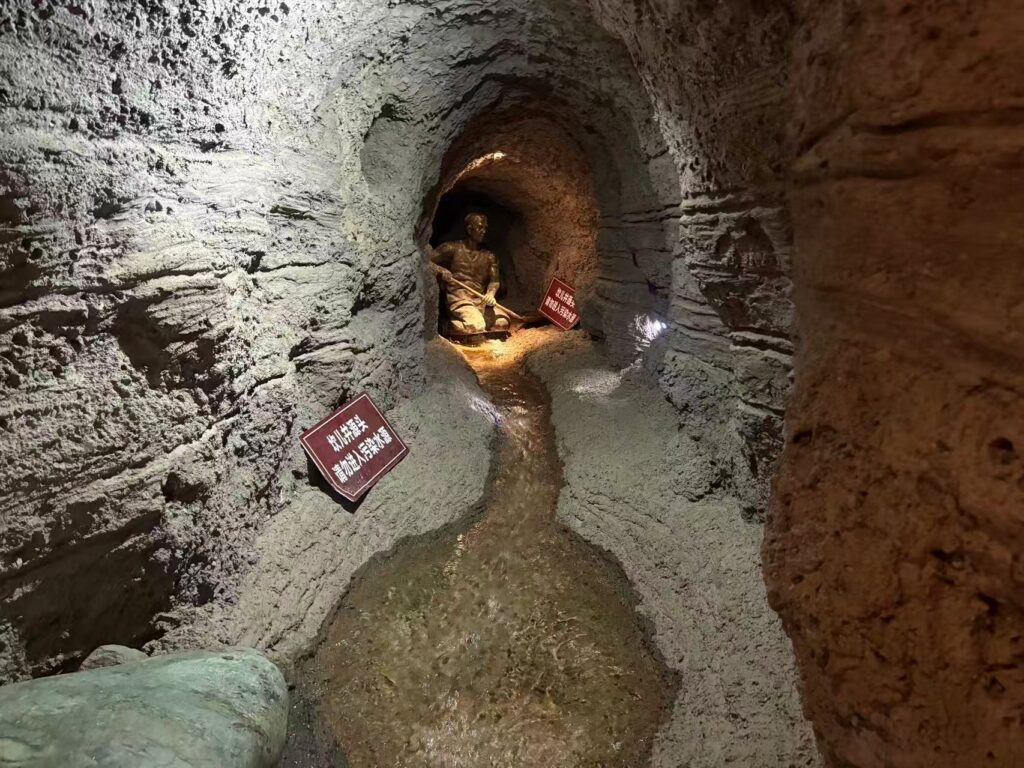
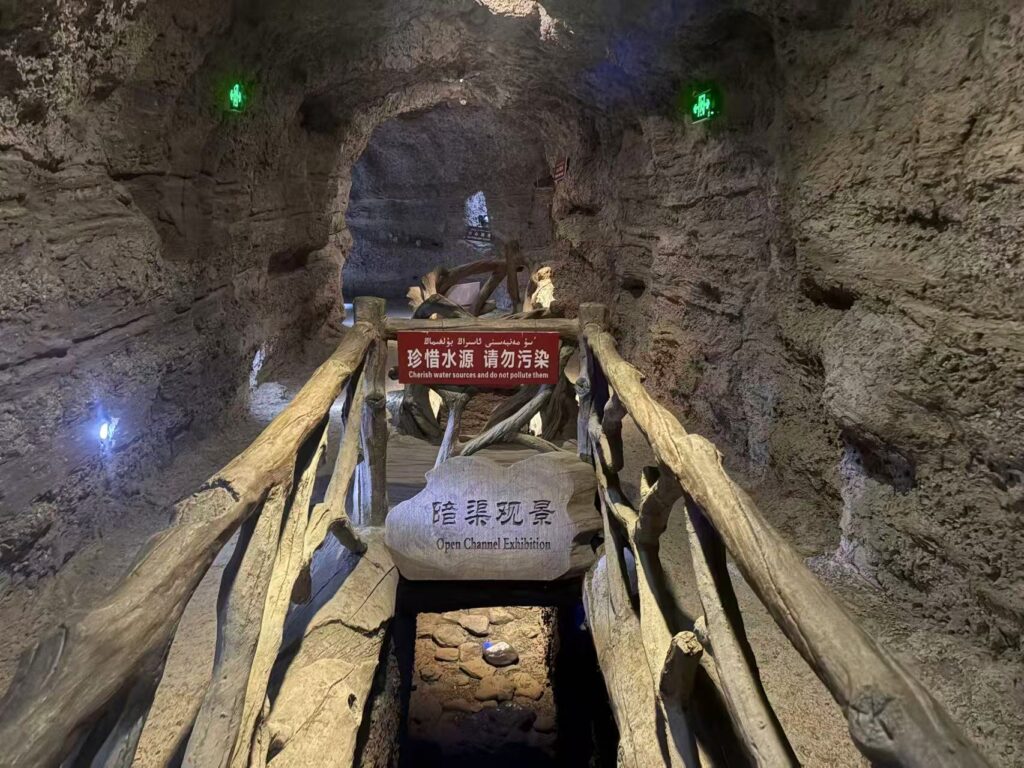
Underground tunnel (暗渠)
Core: 3–10 km long; carries groundwater without evaporation.
Surface channel (明渠)
Brings water from tunnel exit to fields.
Reservoir (涝坝)
Small pond for storage & flow regulation.
How it works
Captures Tianshan snowmelt groundwater.
Uses natural slope for 100% gravity flow (no pumps).
Reduces evaporation in Turpan’s extreme heat (~16 mm rain/year, ~3,000 mm evaporation).
Visiting tips
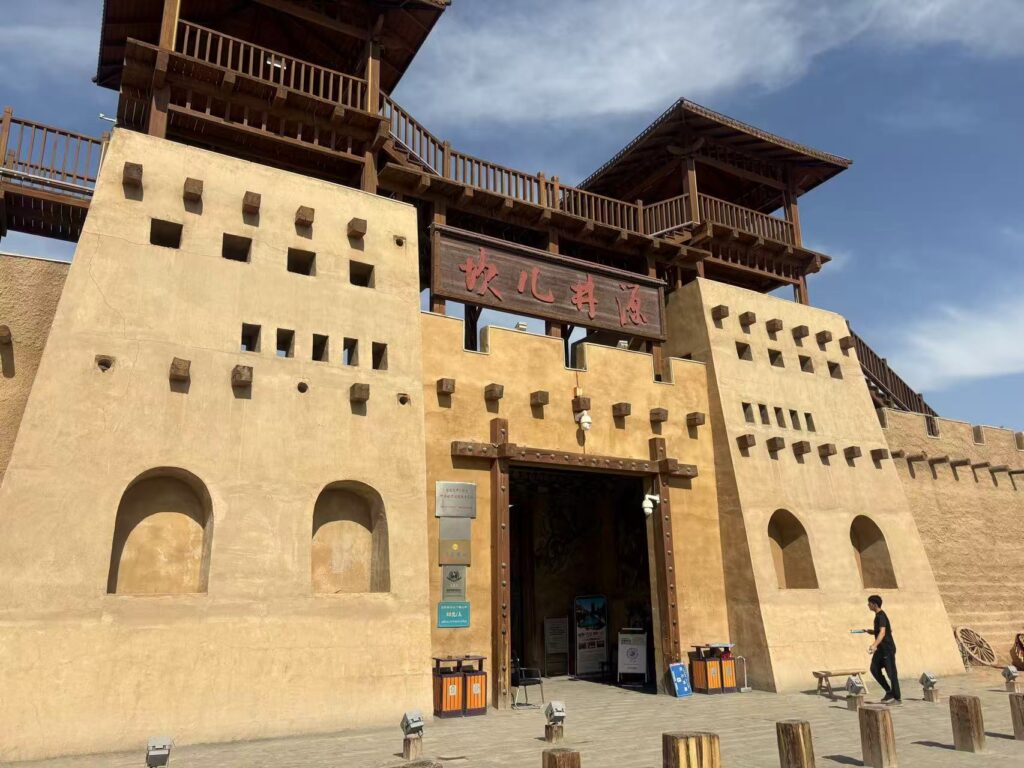
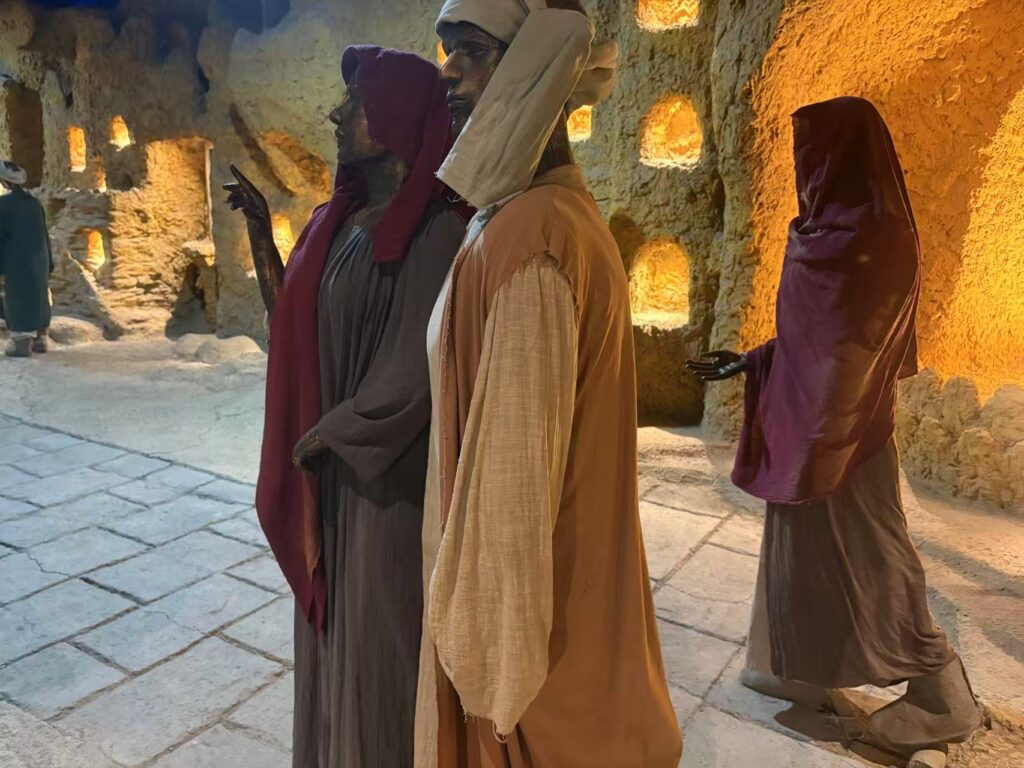
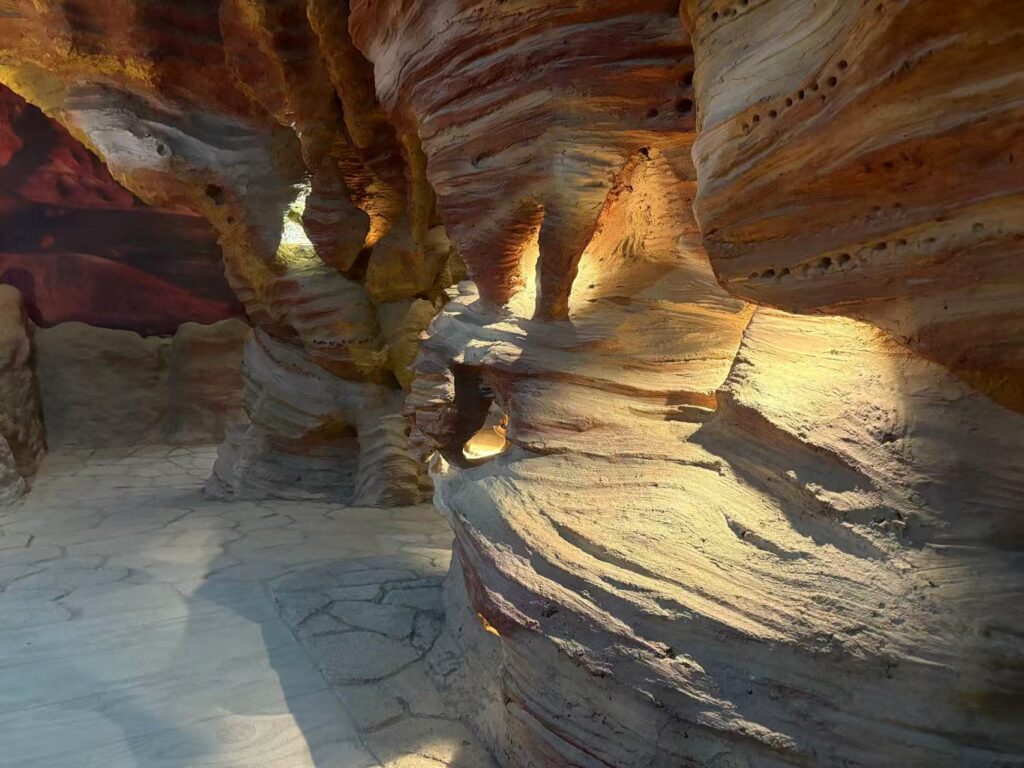
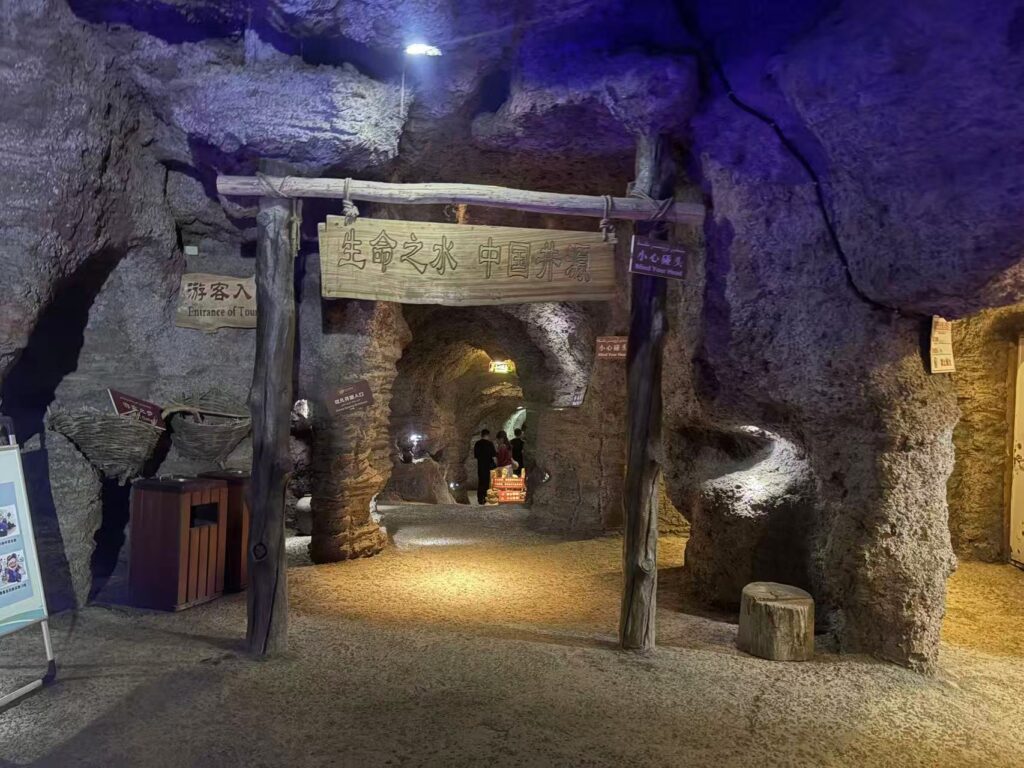
Museum/Exhibition: Turpan Karez Museum (with underground tunnels to walk through).
Best time: May–Oct (grape season).
Ticket: ~CNY 40–60.