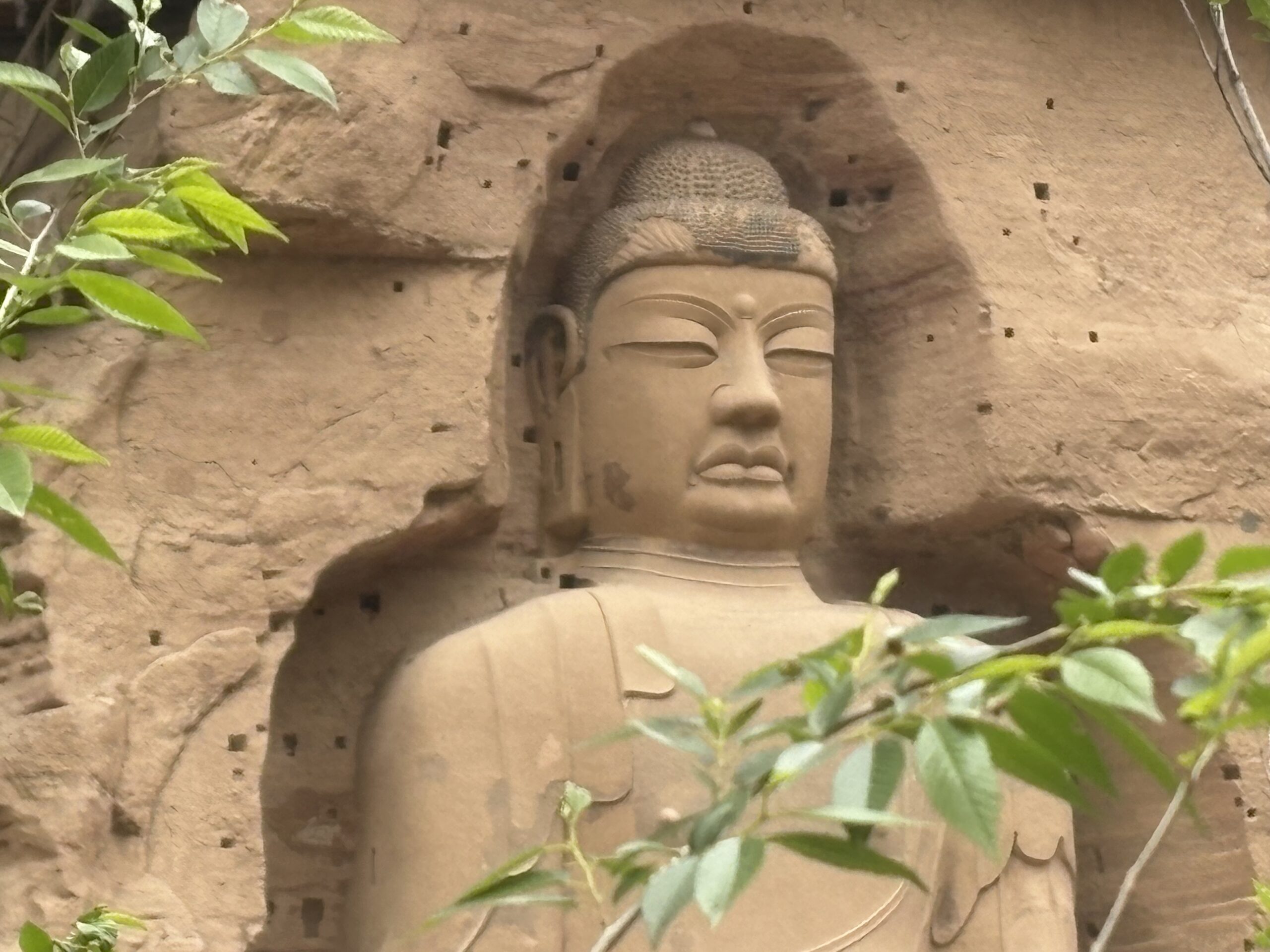
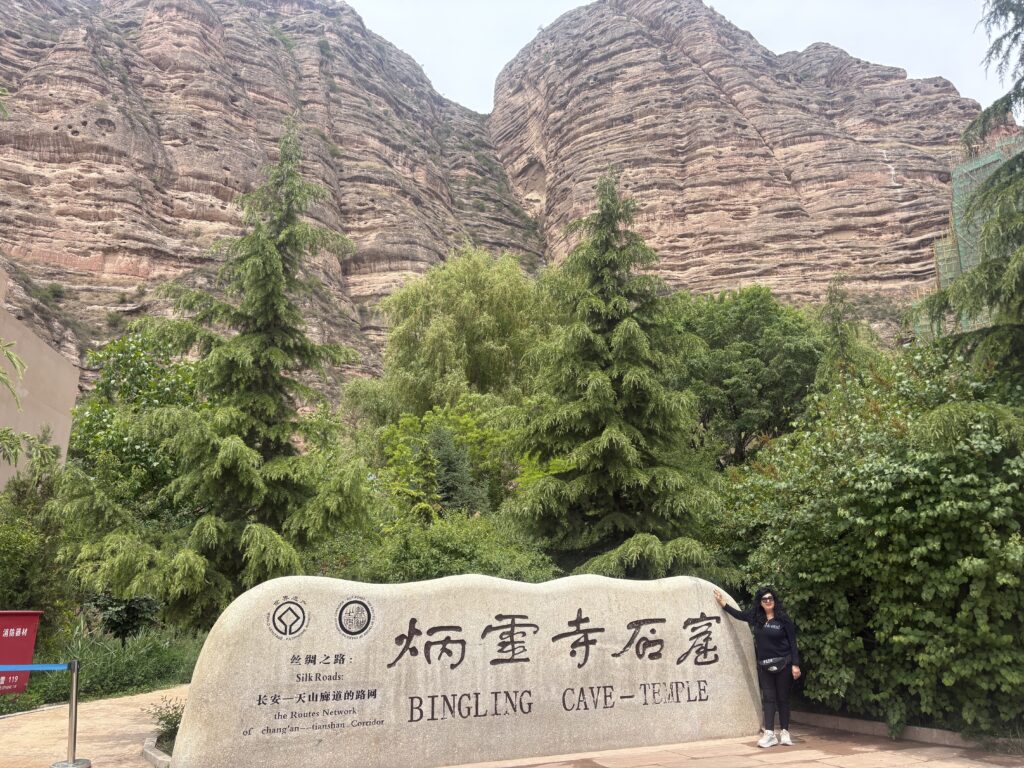
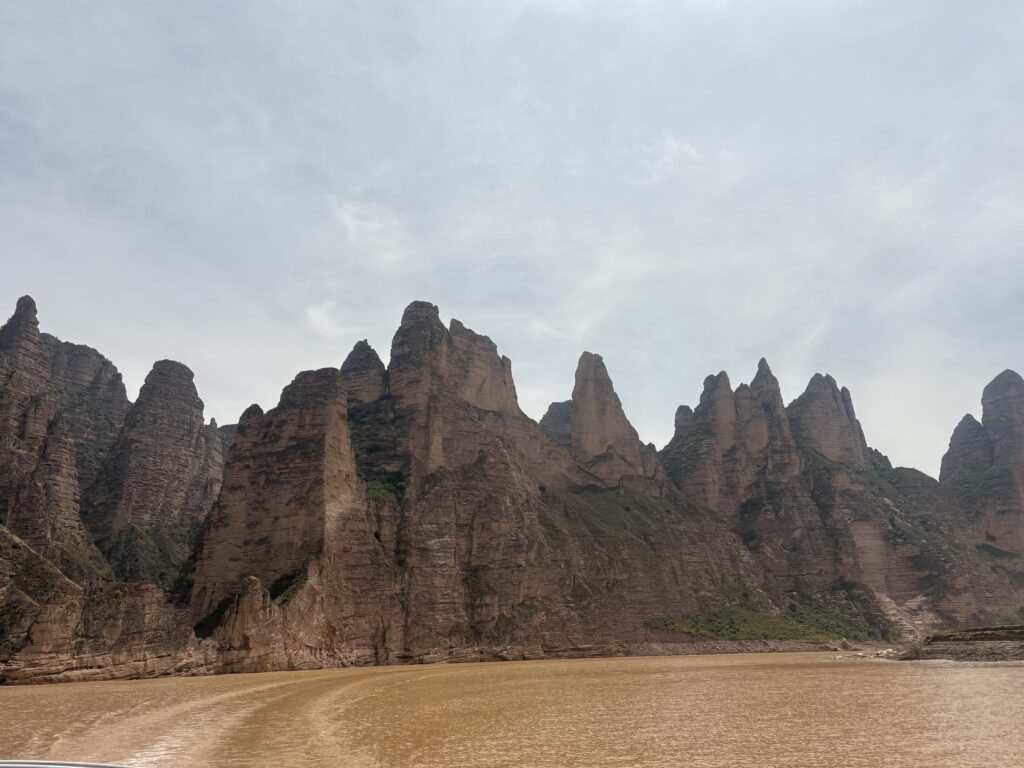
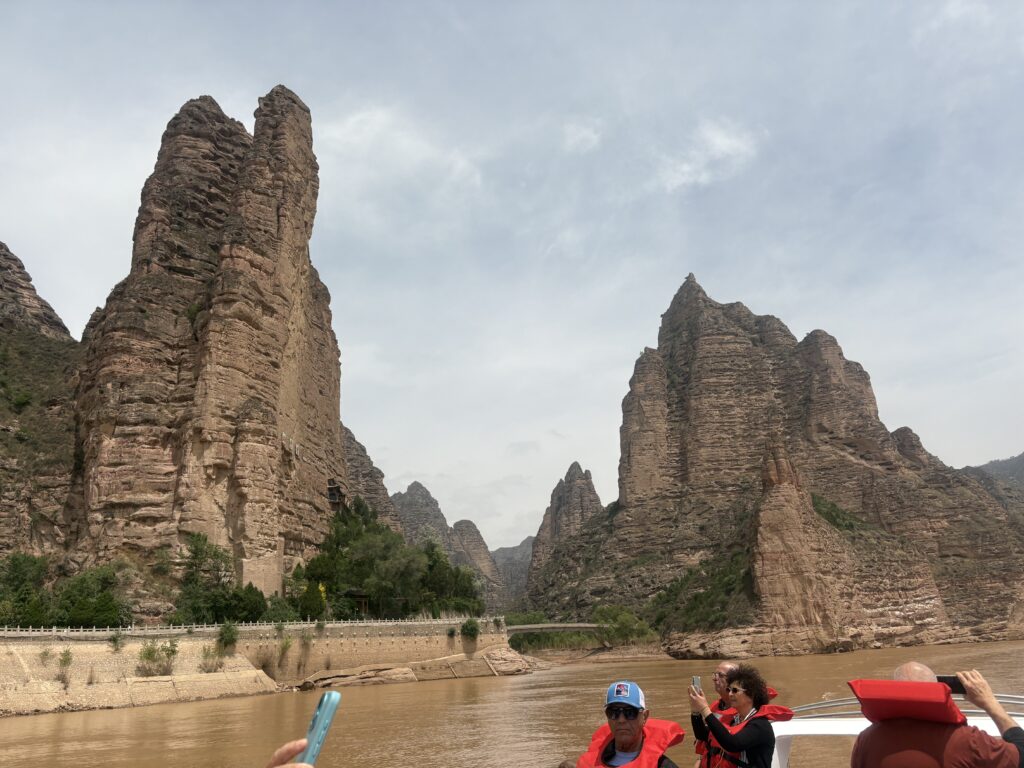
Bingling Temple (Chinese: 炳灵寺; pinyin: Bǐnglíng Sì) is an ancient Buddhist cave complex located in Yongjing County, Linxia Hui Autonomous Prefecture, Gansu Province, China. It sits on the north bank of the Yellow River, at the western end of the Liujiaxia Reservoir, about 52 km southwest of Yongjing Town.
Basic Facts
Founding Year: Western Qin Dynasty, 420 AD (the earliest dated inscription in Chinese grottoes).
Heritage Status:
National 5A Tourist Attraction.
Major Historical and Cultural Site Protected at the National Level.
Inscribed on the World Heritage List in 2014 as part of the Silk Roads: the Routes Network of Chang’an-Tianshan Corridor.
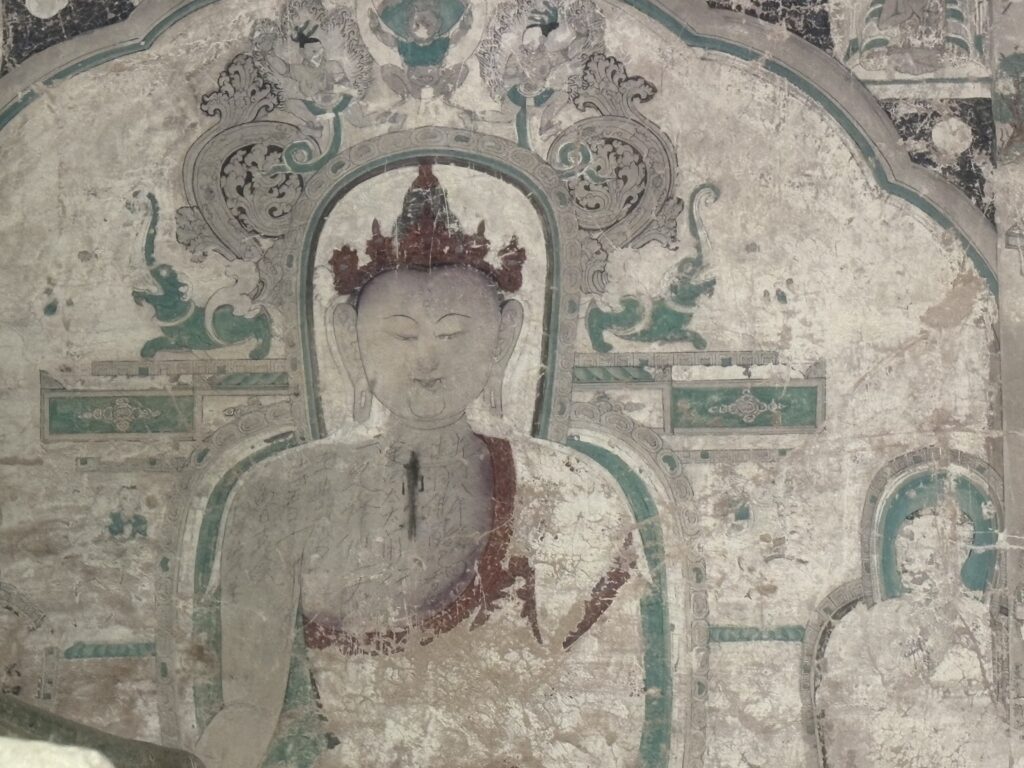
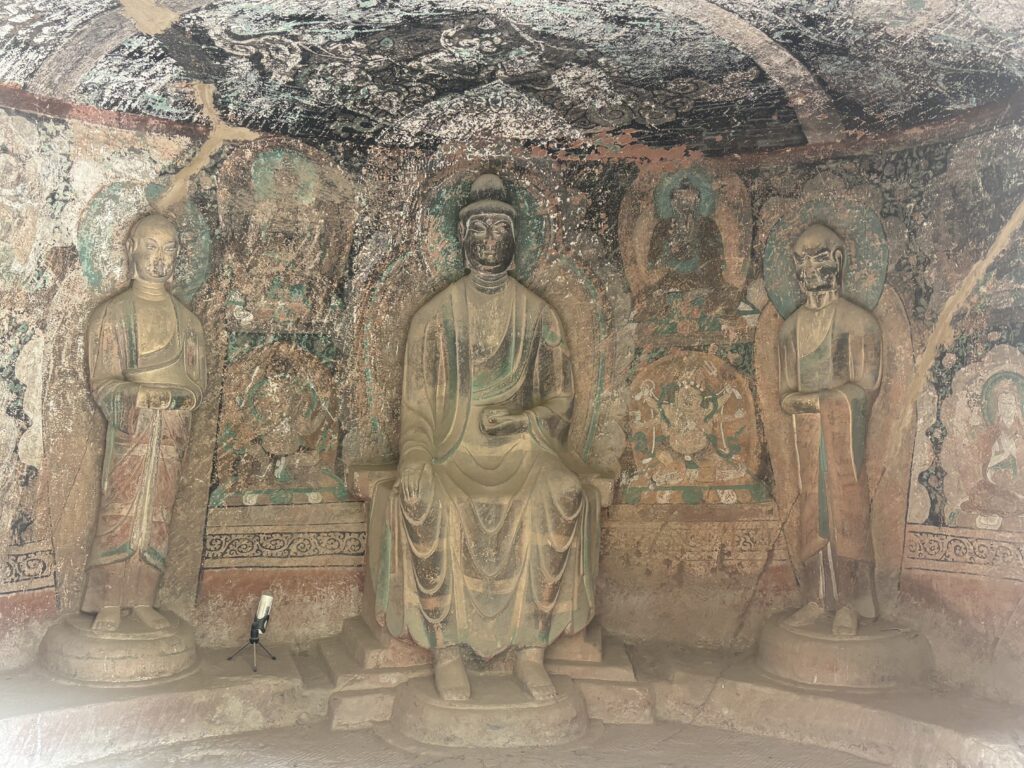
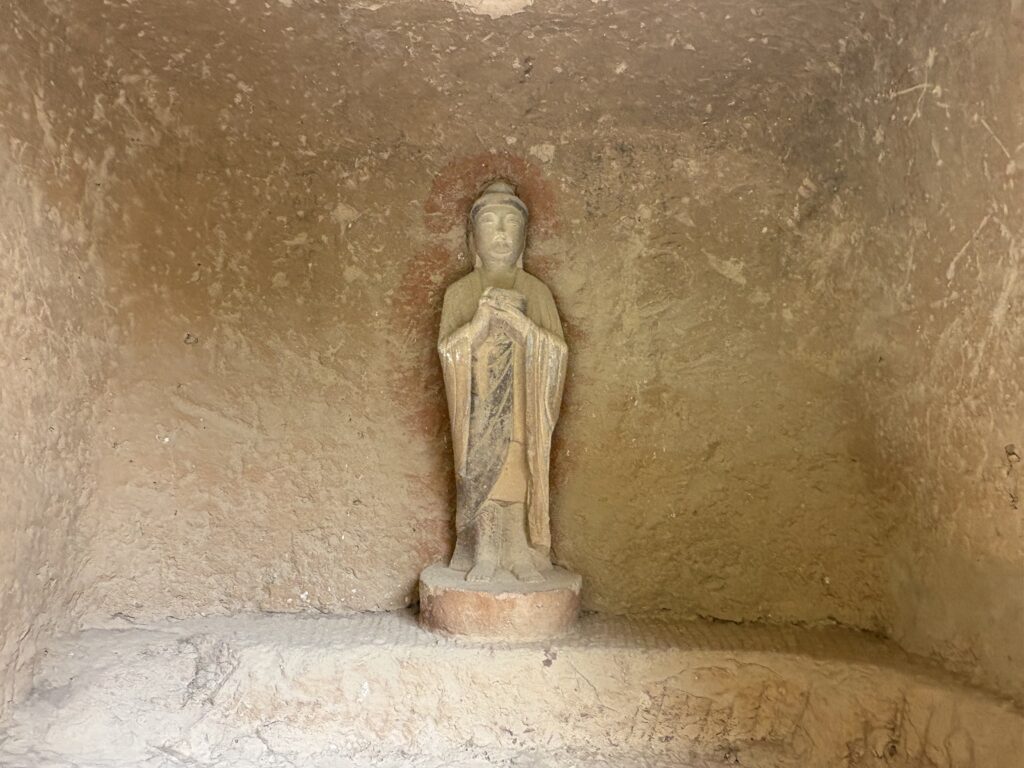
Scale: 216 cave niches, over 815 statues, and 1,000+ square meters of murals.
Name Origin: From Tibetan “Baimaling”, meaning “One Hundred Thousand Maitreya Buddhas”.
Artistic Highlights
The 27m Giant Buddha: A Tang Dynasty Maitreya statue (Cave 171), the largest in the complex.
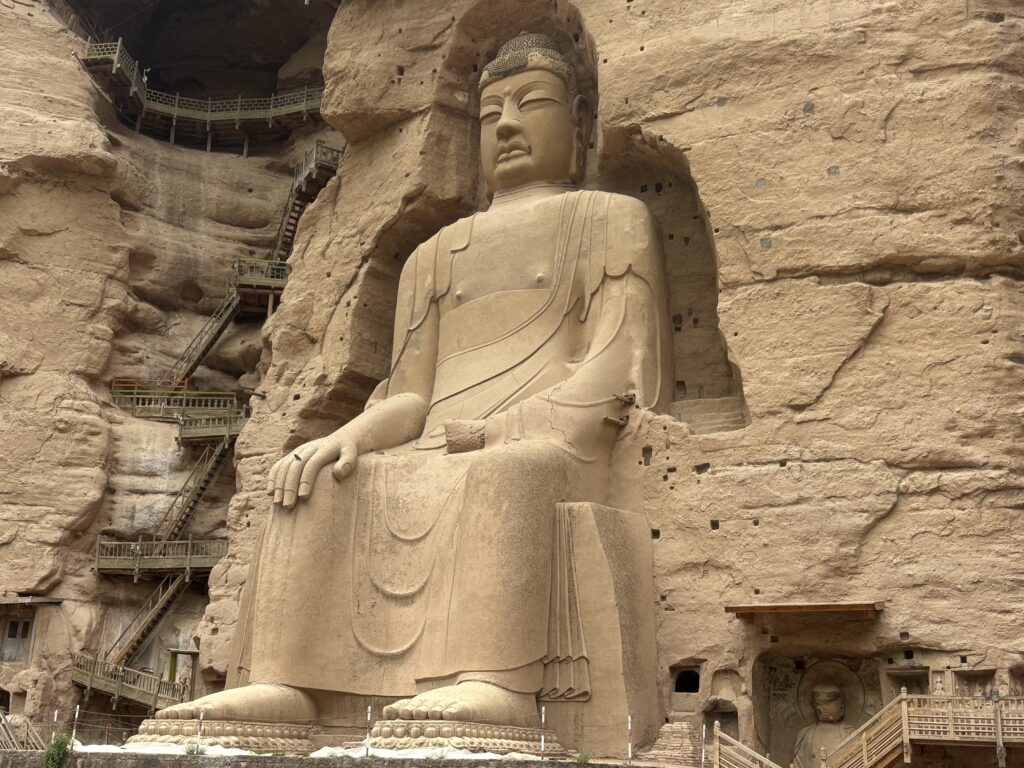
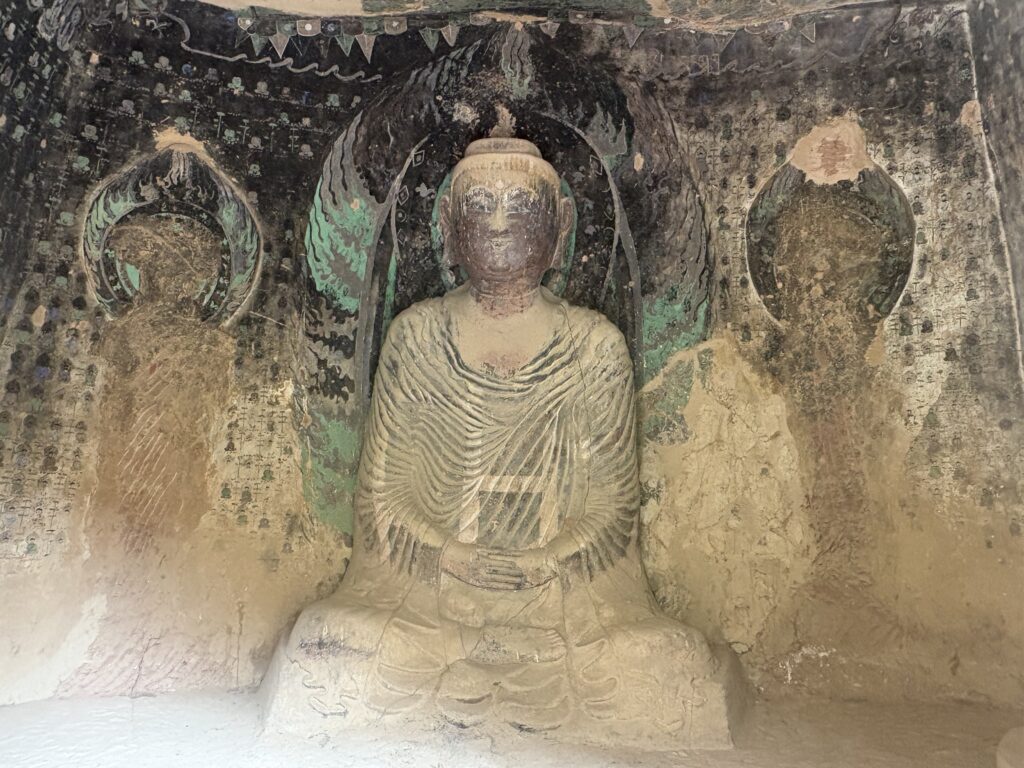
Cave 169: Houses the earliest dated inscription (420 AD) in China, a crucial benchmark for dating early grotto art.
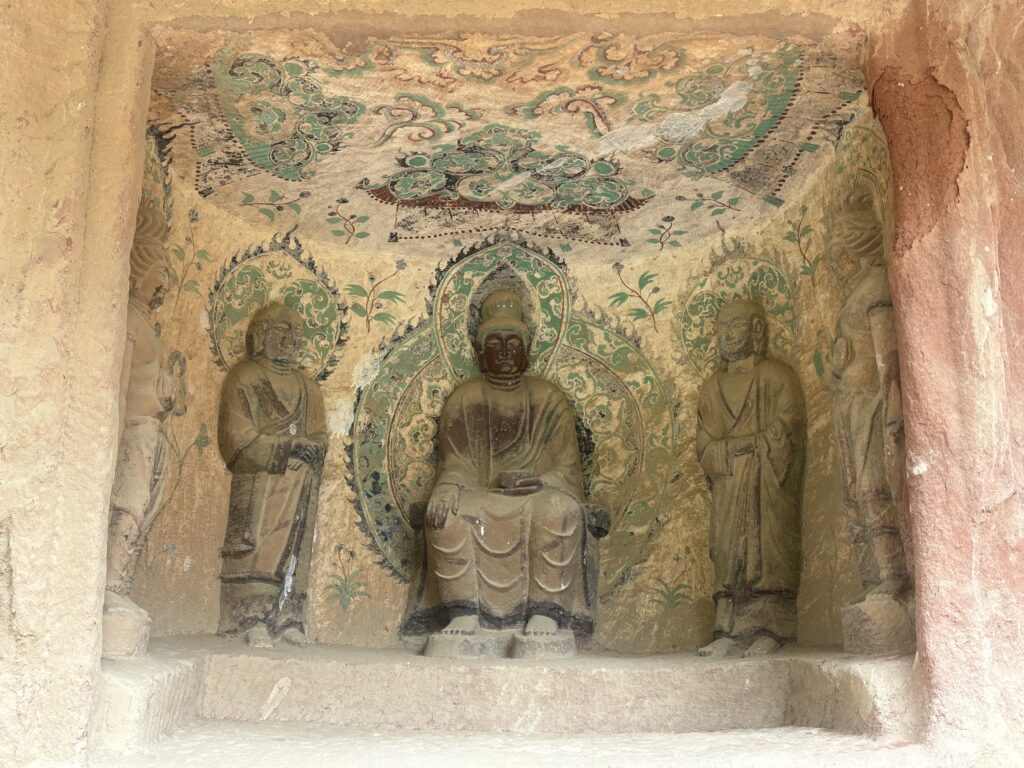
Diverse Styles: Combines Central Asian (Gandhara), Han Chinese, and Tibetan Buddhist artistic influences, earning it the title “Encyclopedia of Chinese Grotto Art”.
Travel Tips
Location: Yongjing County, Gansu (about 1.5 hours from Lanzhou).
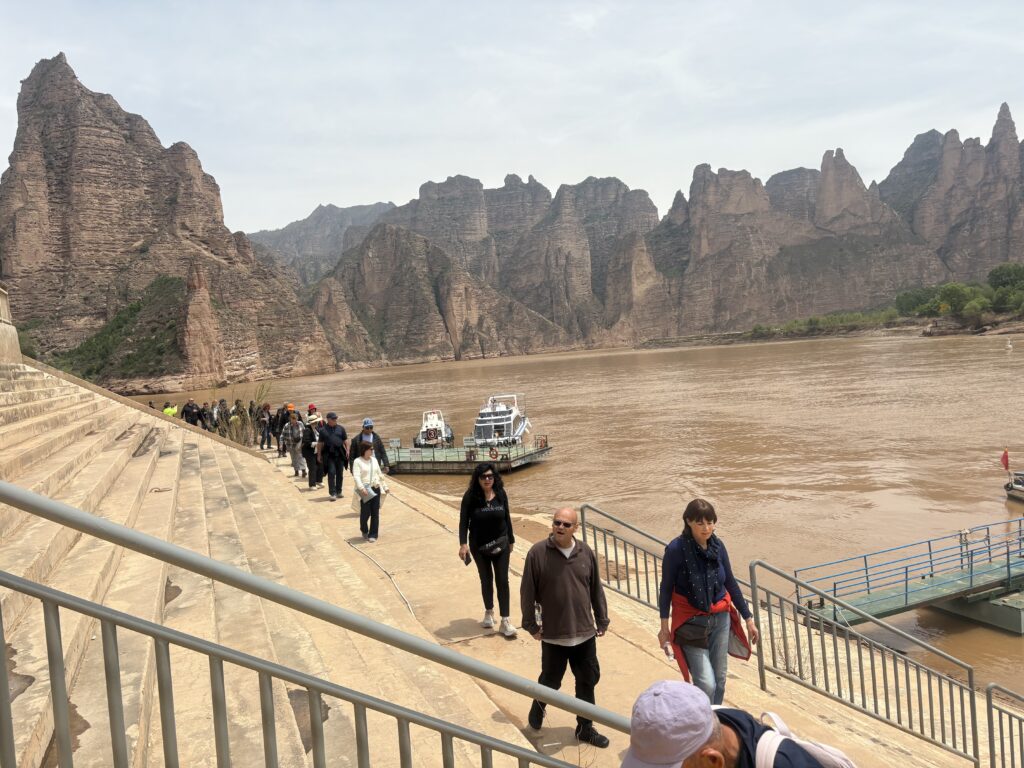
Access: Reach by boat from Liujiaxia Dam or by road.
Best Time: May–October (mild weather).