The Yushu Tibetan Autonomous Prefecture lies in southern Qinghai Province, deep in the heart of the Amdo region of Tibet. Known as one of the most culturally preserved Tibetan areas in China, Yushu is often called the “spiritual homeland of the Tibetan plateau.” The region is celebrated for its strong nomadic traditions, sacred mountains, and deep religious devotion.
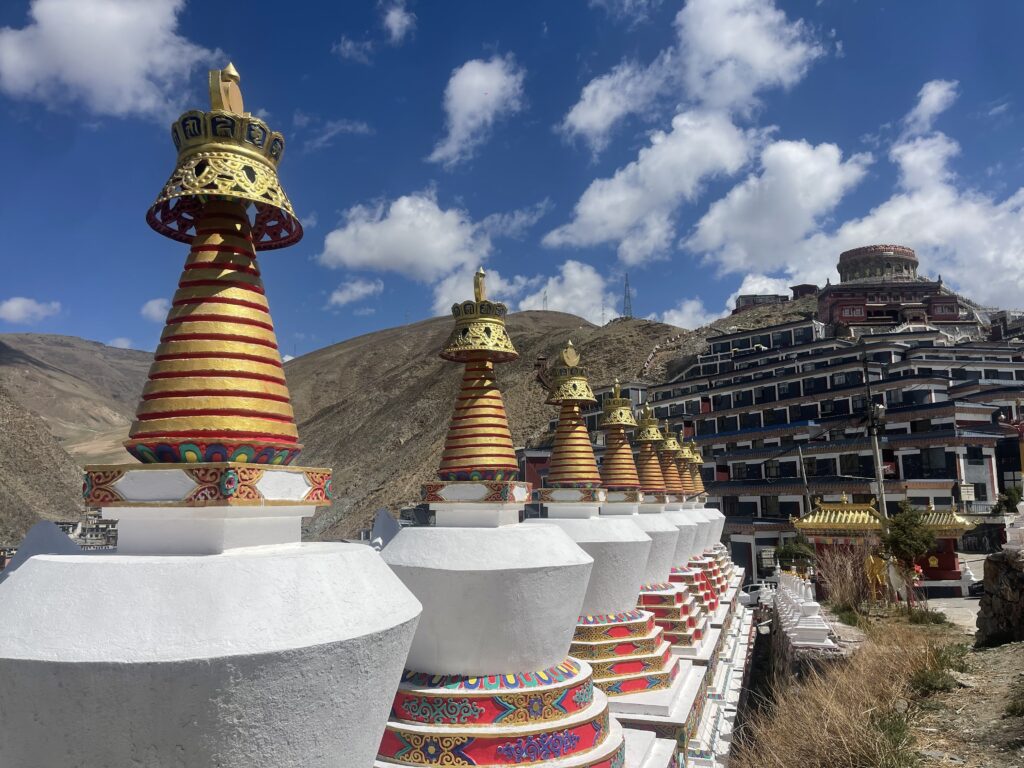
Cultural & Spiritual Significance
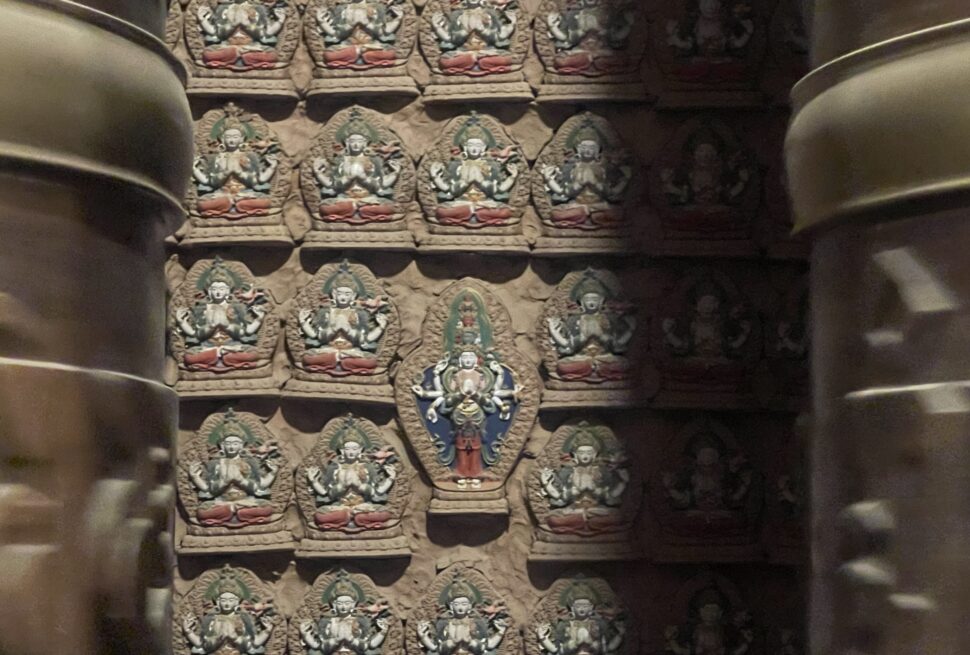
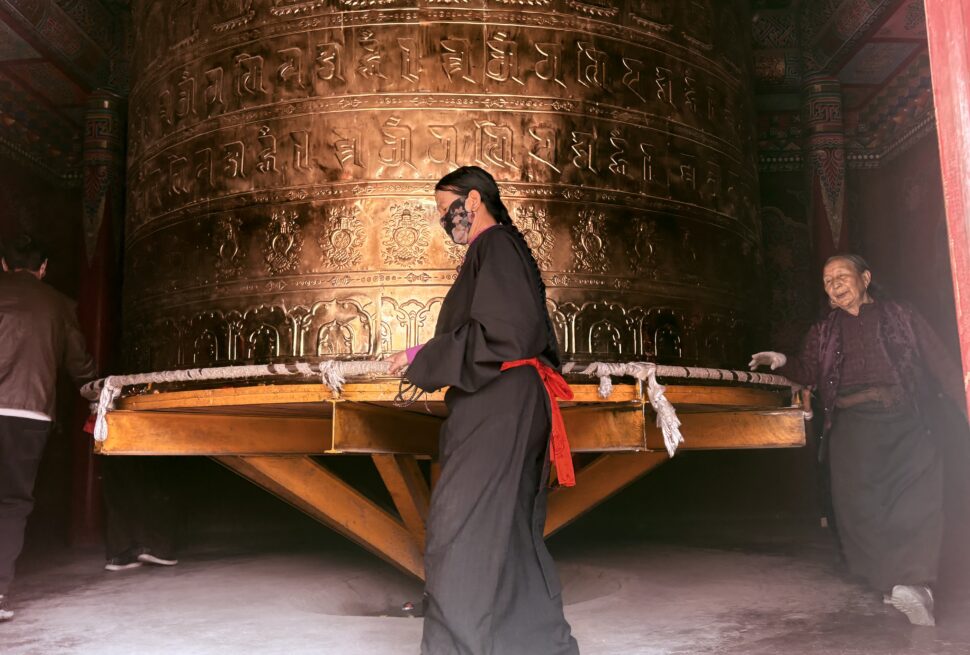
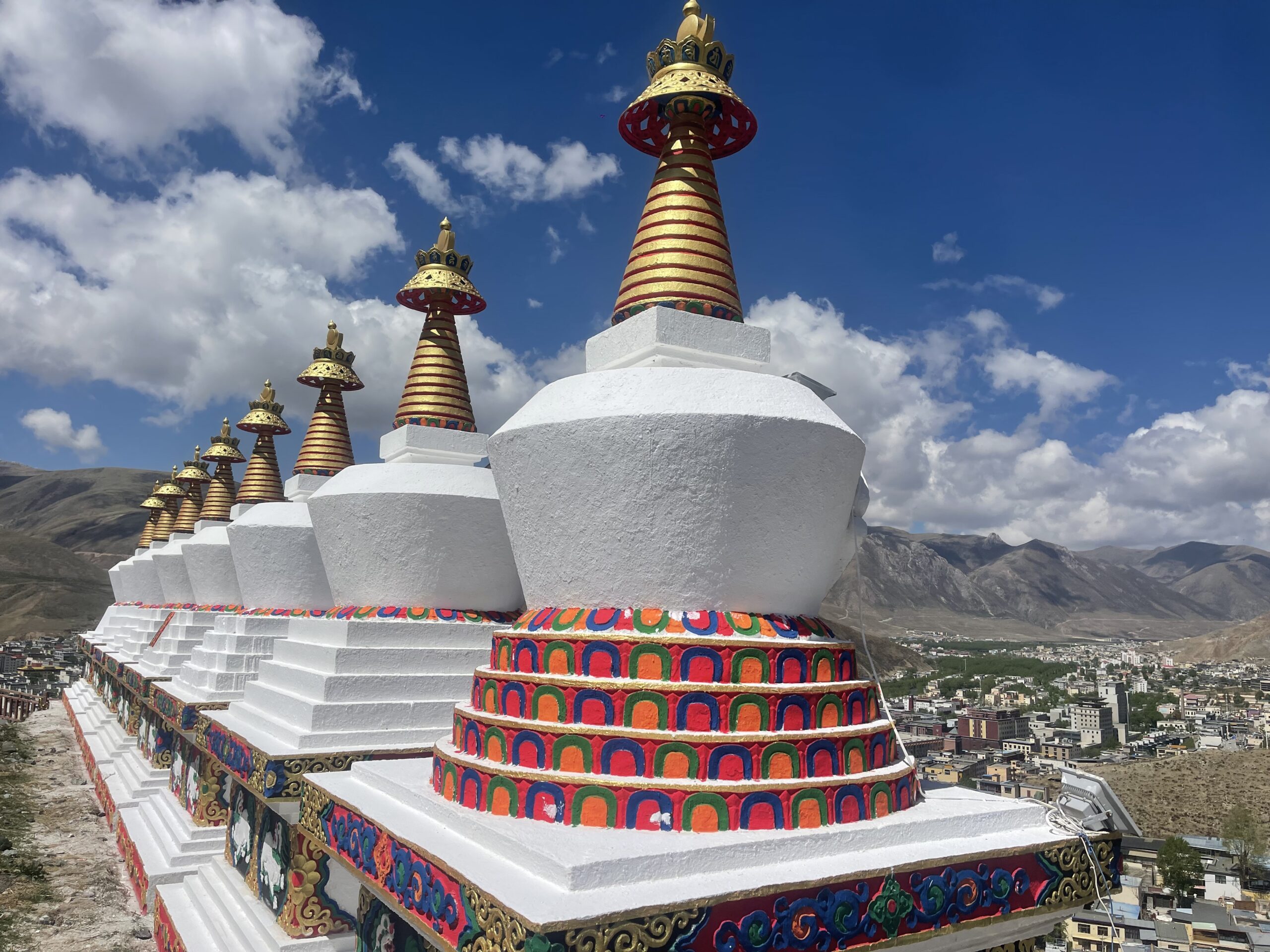
Yushu is predominantly inhabited by Amdo Tibetans, whose lives are closely tied to nomadic herding, Tibetan Buddhism, and ancient Bon beliefs. Monasteries play a central role in community life, with important institutions such as Gyegu (Jyekundo) Monastery and numerous smaller temples scattered across the grasslands.
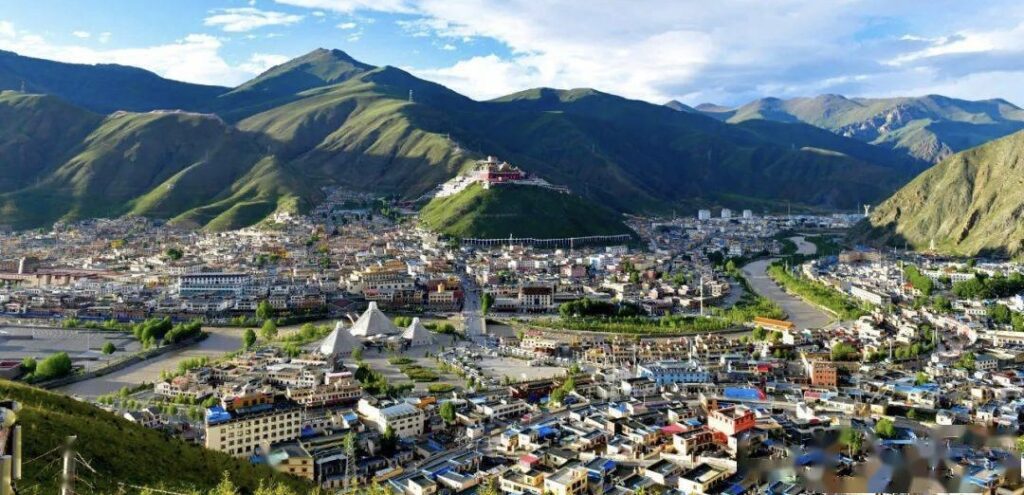
The prefecture is also a center for living folk culture, including traditional dress, oral epics, and ritual ceremonies that remain largely unchanged for generations.
Historical Importance
Historically, Yushu served as a crossroads between Amdo, Kham, and Central Tibet, linking trade and pilgrimage routes across the plateau. Despite its remoteness, Yushu developed strong regional identity and spiritual significance, which continues today.
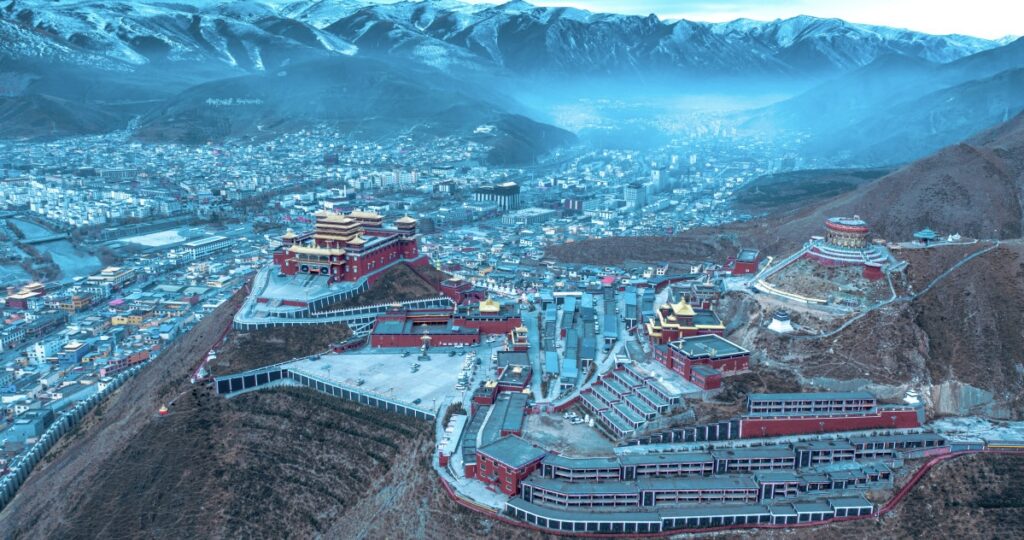
Natural Landscapes
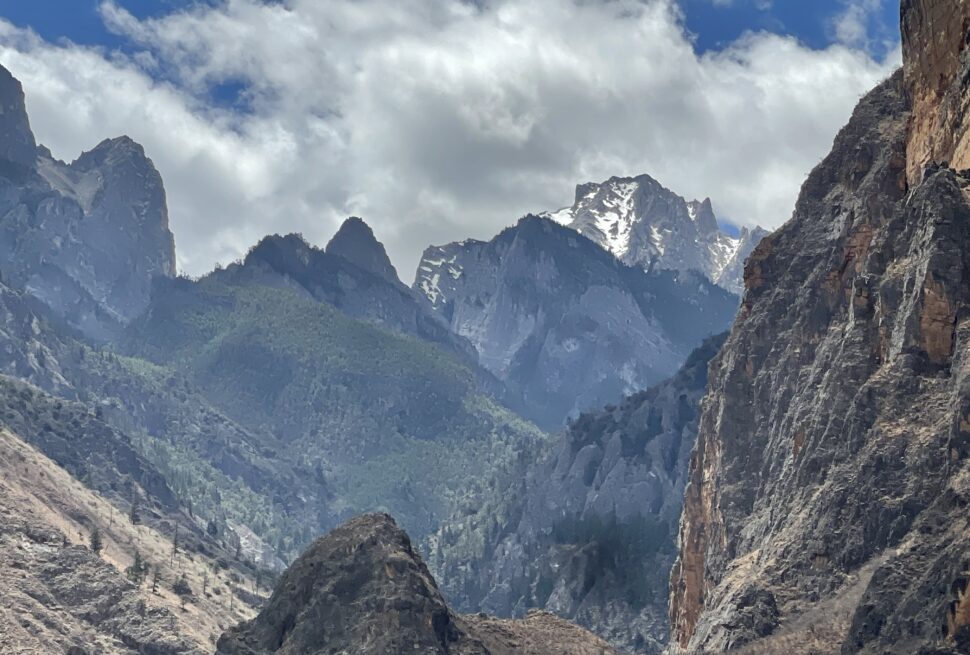
Yushu features vast high-altitude grasslands, snow-capped peaks, glacial rivers, and pristine wetlands. The region forms part of the Three Rivers Source Area, where the Yangtze, Yellow, and Mekong Rivers originate, making it one of Asia’s most important ecological zones.
Wildlife & Biodiversity
Yushu supports plateau wildlife such as Tibetan antelope, wild yak, blue sheep, marmots, and soaring birds of prey. The region’s remote terrain helps preserve its fragile ecosystems.
Local Life & Festivals
Life in Yushu revolves around seasonal migration, religious practice, and communal festivals. The most famous celebration is the Yushu Horse Racing Festival, one of Tibet’s largest and most colorful nomadic gatherings. Other events include prayer festivals, monastery ceremonies, and traditional games.
Travel Experience
Yushu is ideal for travelers seeking deep cultural immersion, sacred landscapes, and authentic nomadic life. While remote and high in altitude, journeys here are profoundly rewarding and best suited for adventurous and culturally curious travelers.
Key Places in Yushu
Jyekundo (Yushu Town) – Cultural and administrative center
Gyegu Monastery – Important Tibetan Buddhist site
Batang Grasslands – Nomadic pastures and festival grounds
Trala Region – Sacred mountain area nearby
Three Rivers Source Area – Ecological and spiritual heartland
Administrative Division Of Yushu Tibetan Autonomous Prefecture
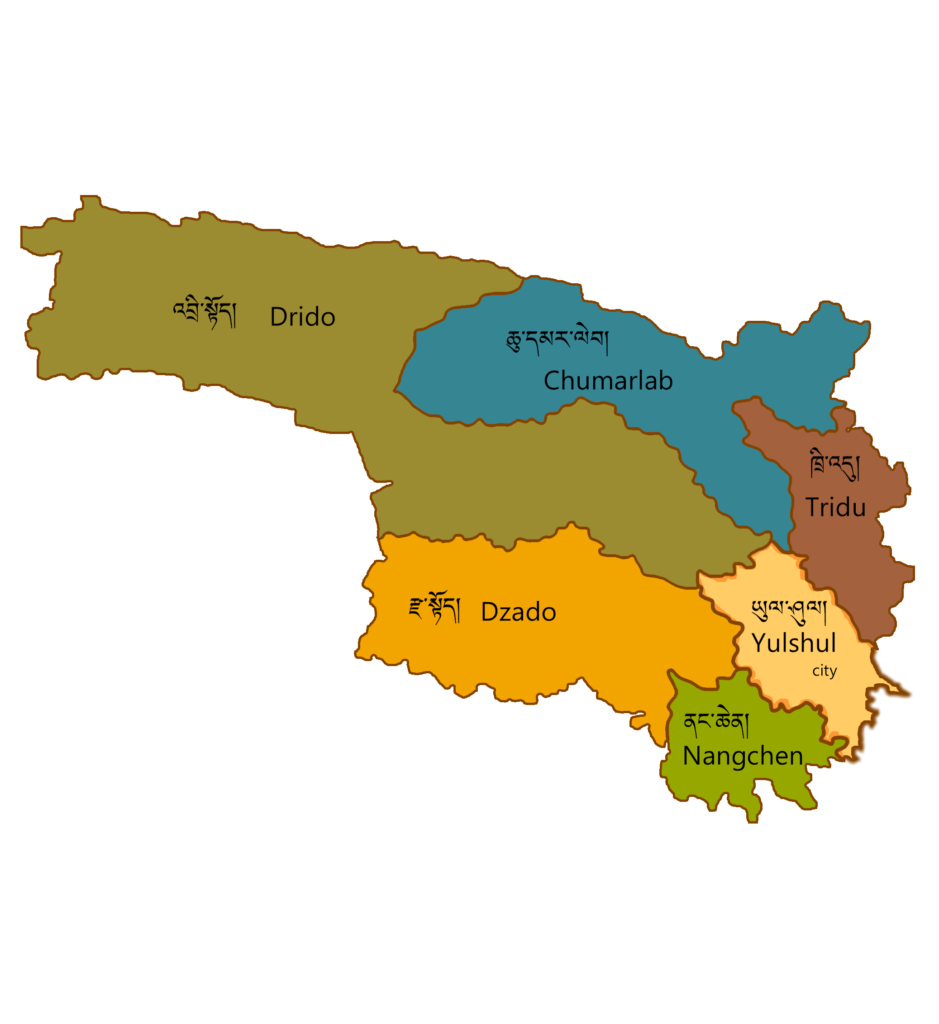
| Serial No | Name of Counties | Name in Tibetan | Area (km2) |
|---|---|---|---|
| 1 | Jiegu (Jyekundo) | ཡུལ་ཤུལ་གྲོང་ཁྱེར། | 13462 |
| 2 | Zaduo (Zadoi) | རྫ་སྟོད་རྫོང་། | 33333 |
| 3 | Chengduo (Tridu) | ཁྲི་འདུ་རྫོང་། | 13793 |
| 4 | Zhiduo (Dridoi) | འབྲི་སྟོད་རྫོང་།ང་ | 66667 |
| 5 | Nangqian (Nangchen) | ནང་ཆེན་རྫོང་། | 11539 |
| 6 | Qumalai (Chumarlab) | ཆུ་དམར་ལེབ་རྫོང་། | 50000 |