Embark on an unforgettable Xining to Chengdu overland trip, a 1500-kilometer adventure through the cultural and spiritual heart of Tibet’s Amdo and Kham regions. Discover ancient monasteries, holy lakes, and UNESCO-level cultural treasures along one of the most scenic overland routes in Asia.
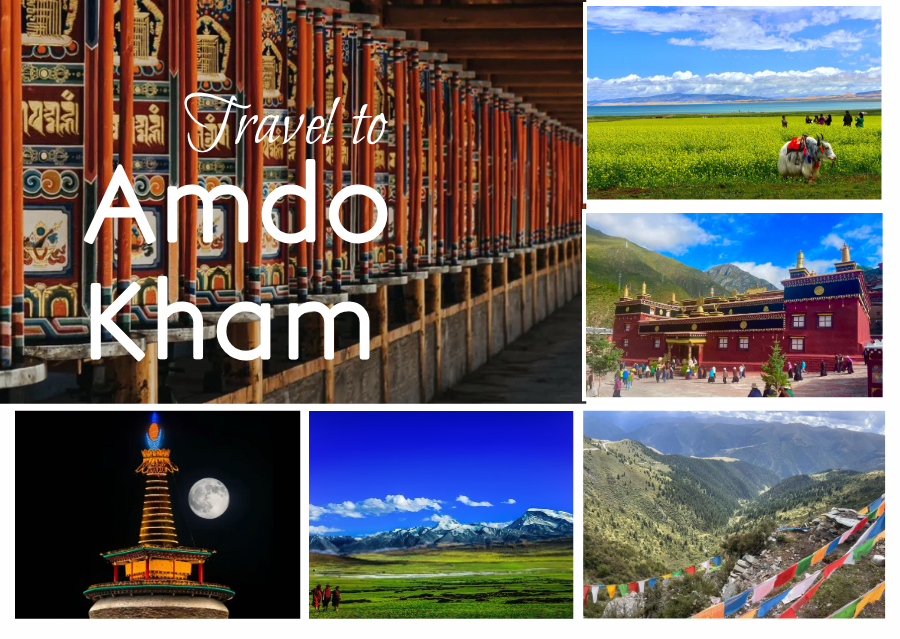
Route Overview
Distance: 1500 km

Duration: 12–14 days recommended

Regions Covered: Amdo Tibet, Kham Tibet, Gyarong Tibetan Region

Key Themes: Tibetan Buddhism, Himalayan landscapes, cultural heritage
Detailed Highlights
Xining – Gateway to the Tibetan Plateau
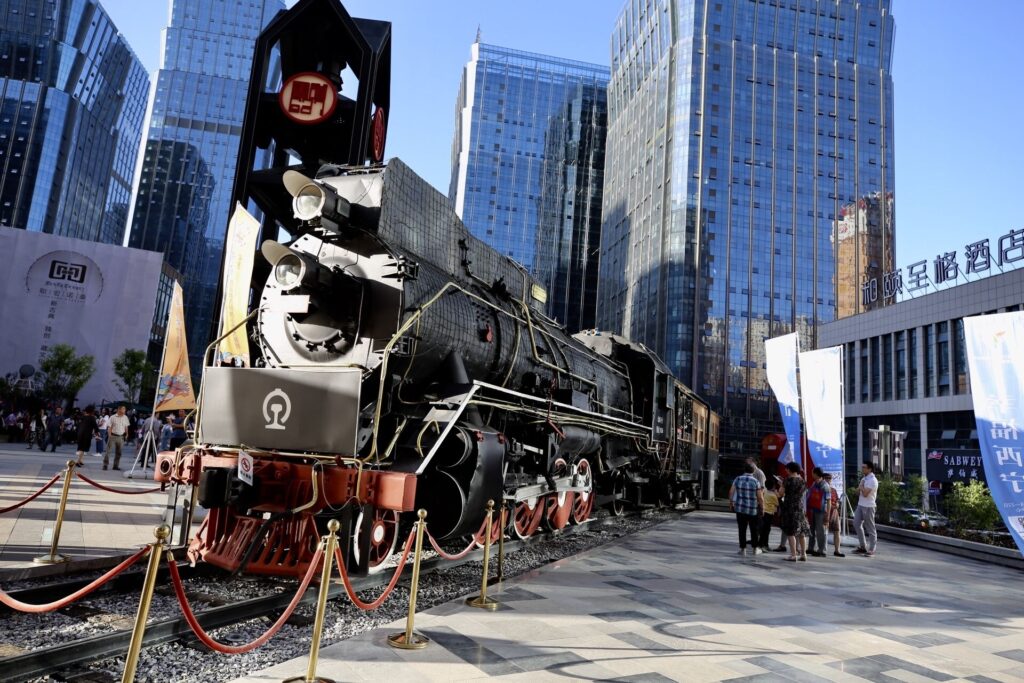
Known as Siling in Tibetan, Xining is the starting point of the Qinghai–Tibet Railway and your entry into Amdo Tibet.
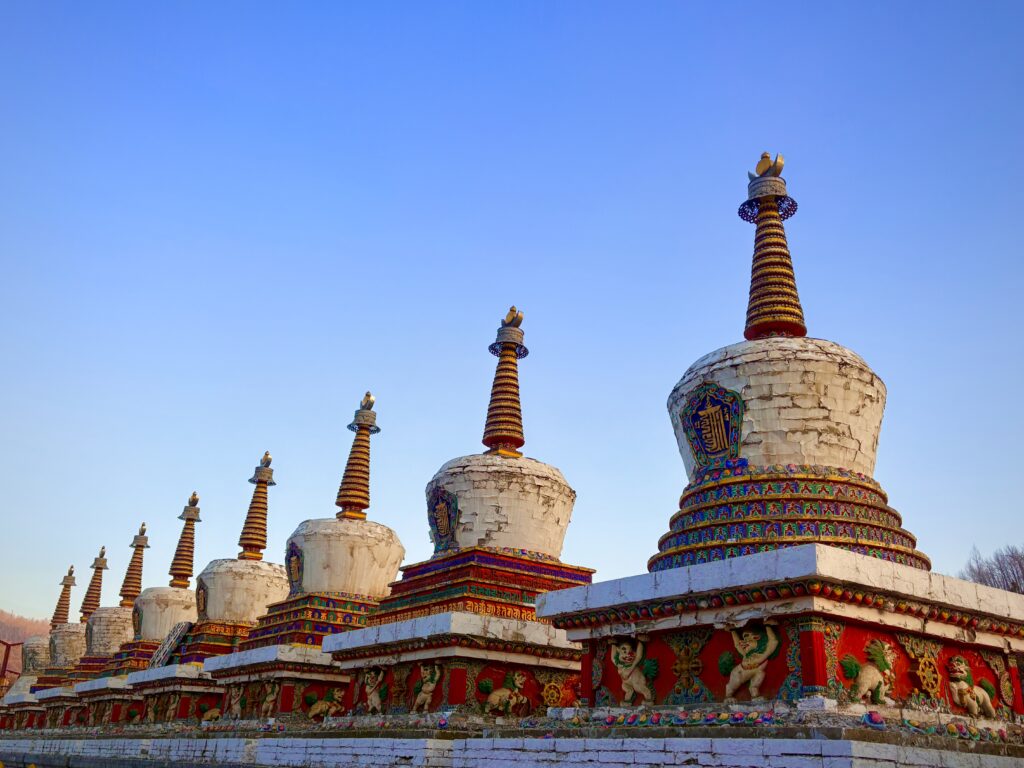
Must-Visits Near Xining
Kumbum Monastery (Ta’er Si) – Important Gelugpa monastery.

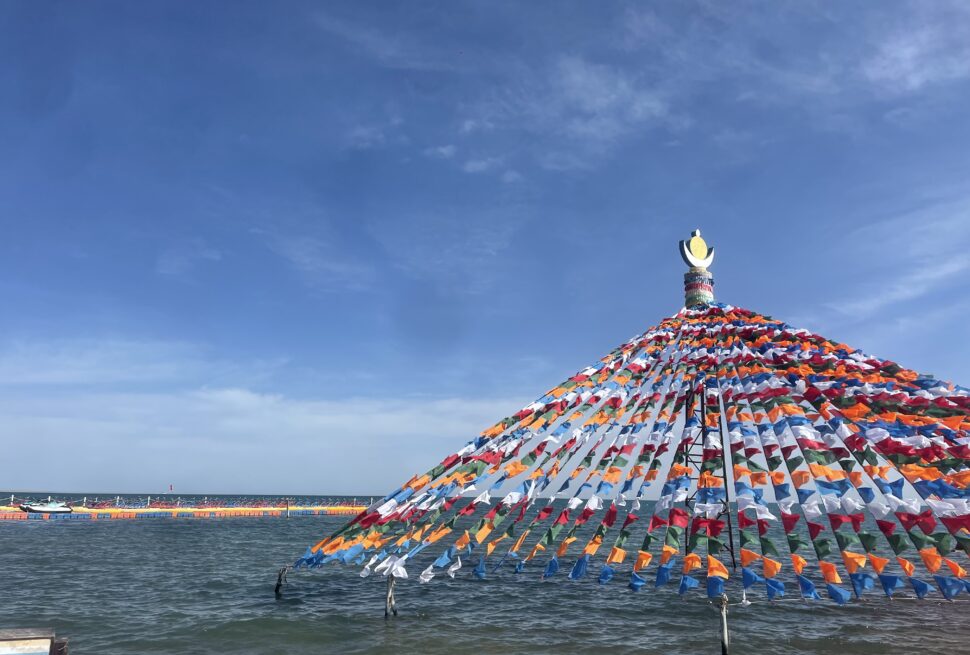
Qinghai Lake & Riyue Mountain – Scenic high-altitude landscapes.
Qinghai Lake (Kokonor / Tso Ngonpo)
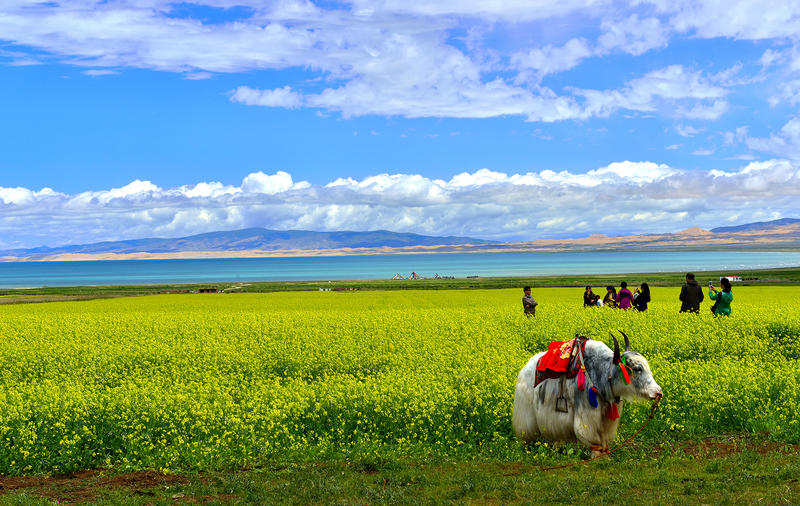
China’s largest inland lake, revered by Tibetans and Mongolians. A perfect stop for photography and quiet reflection.
Shachung Monastery
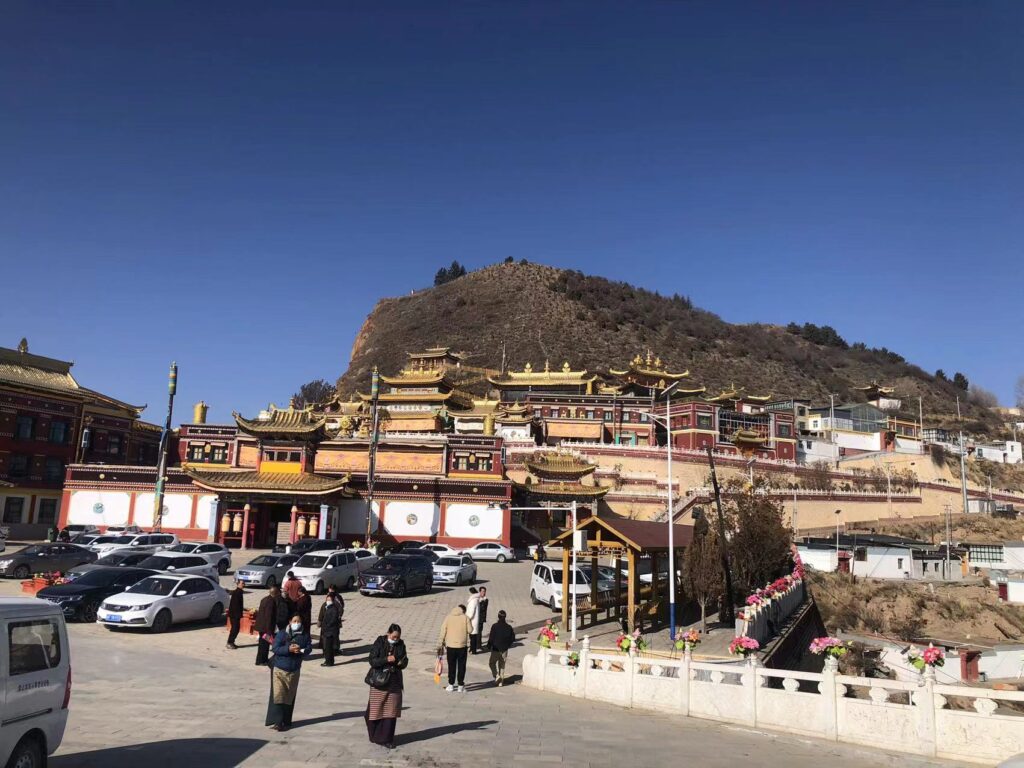
Perched on a mountain ridge, this monastery offers breathtaking panoramic views of the surrounding valleys.
Repkong (Rebkong) – The Artist’s Sanctuary
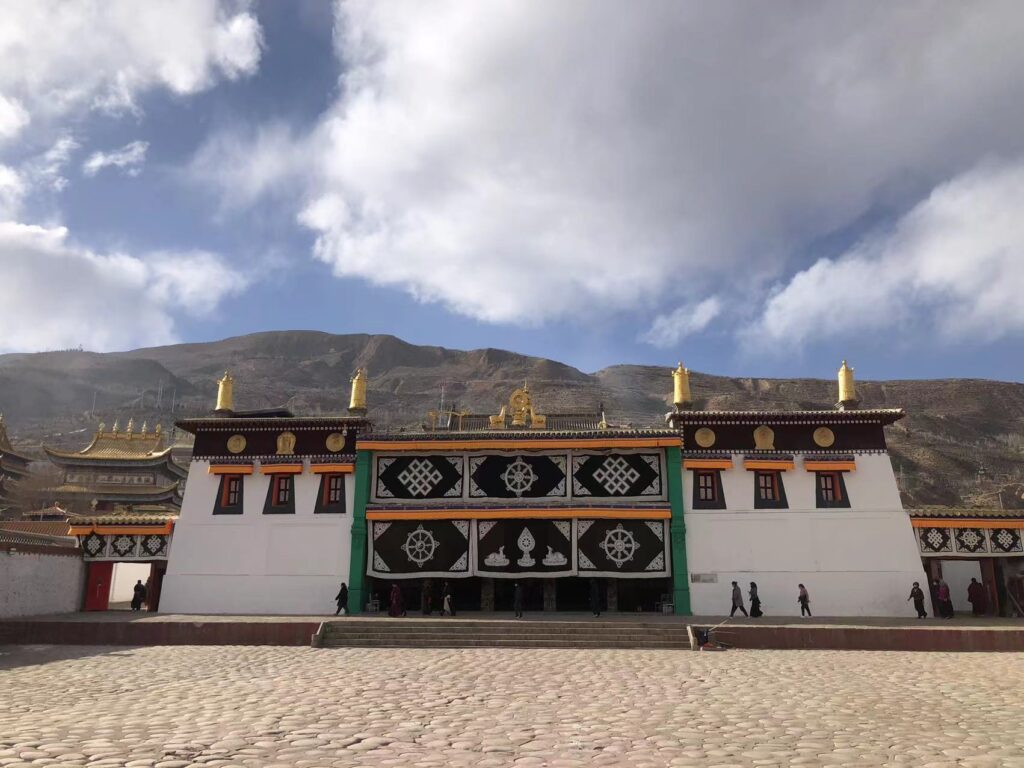
Famous for Repkong Thangka painting, this region is home to three major Tibetan Buddhist monasteries and is a cultural hub for traditional Tibetan arts.
Labrang & Taktsang Lhamo
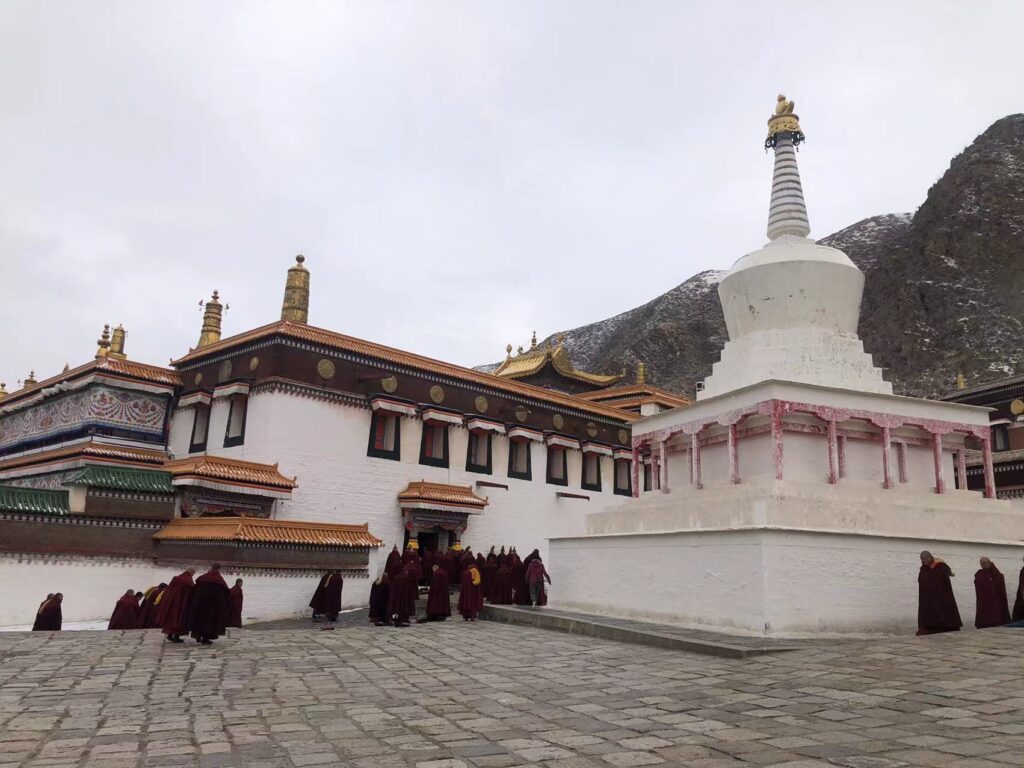
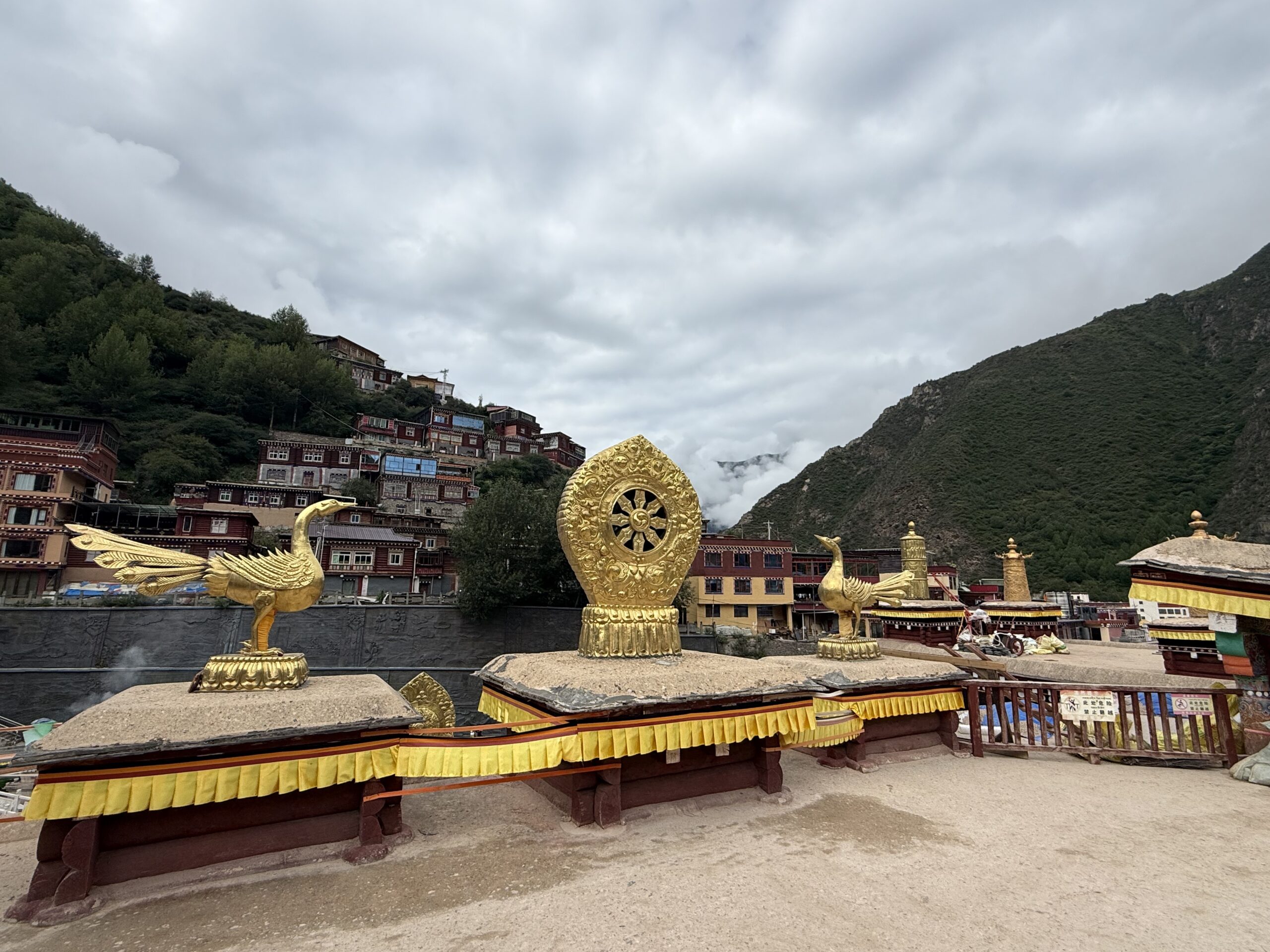
Visit Labrang Monastery, one of Tibetan Buddhism’s six great Gelug monasteries. Then continue to Taktsang Lhamo – a stunning monastic complex straddling Sichuan and Gansu provinces.
Ngawa (Aba)
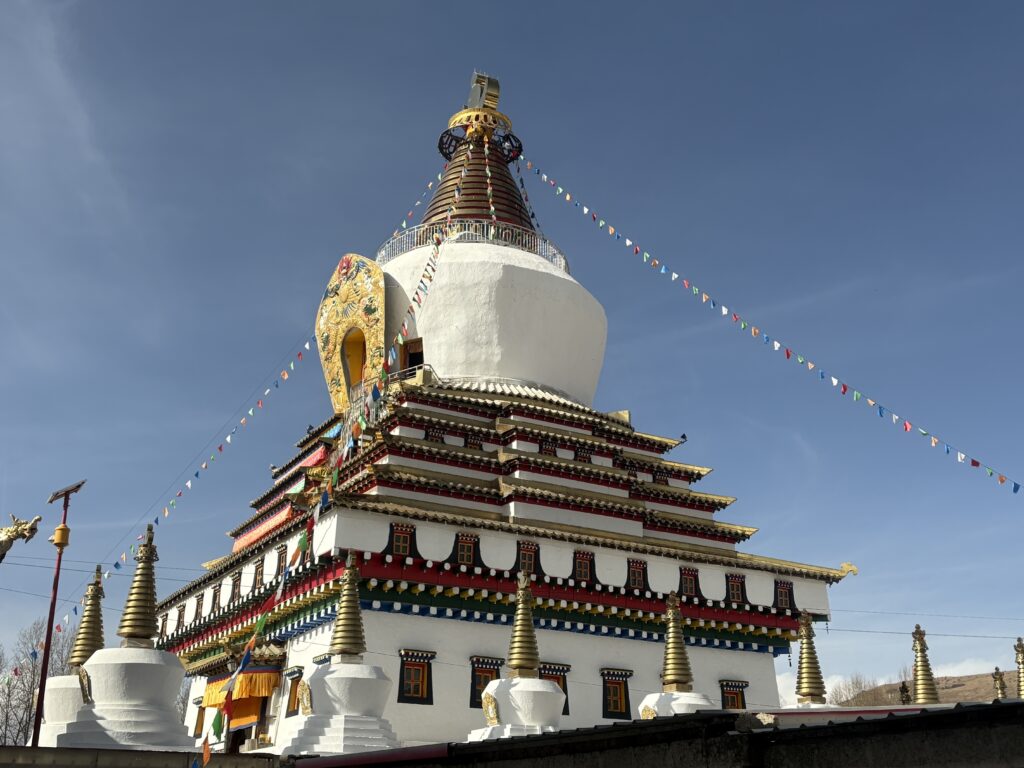
Explore:
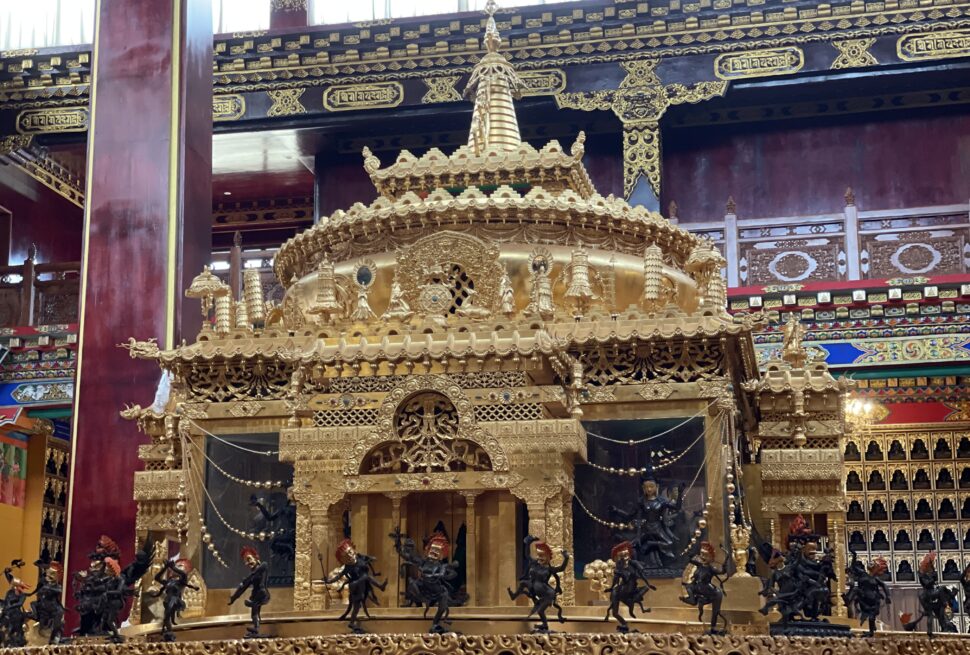
Kirti Monastery – The largest Gelug monastery in Ngawa.

Nangzhik Monastery – The largest Bon monastery in Tibet, founded in 1108.
Dzamthang
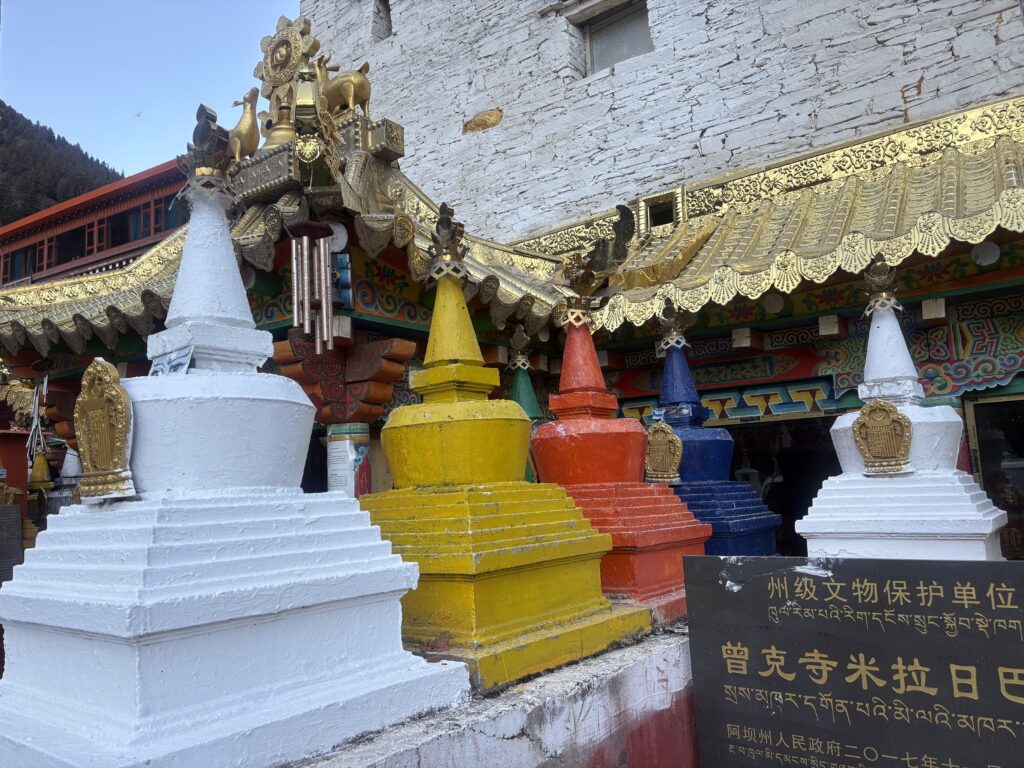
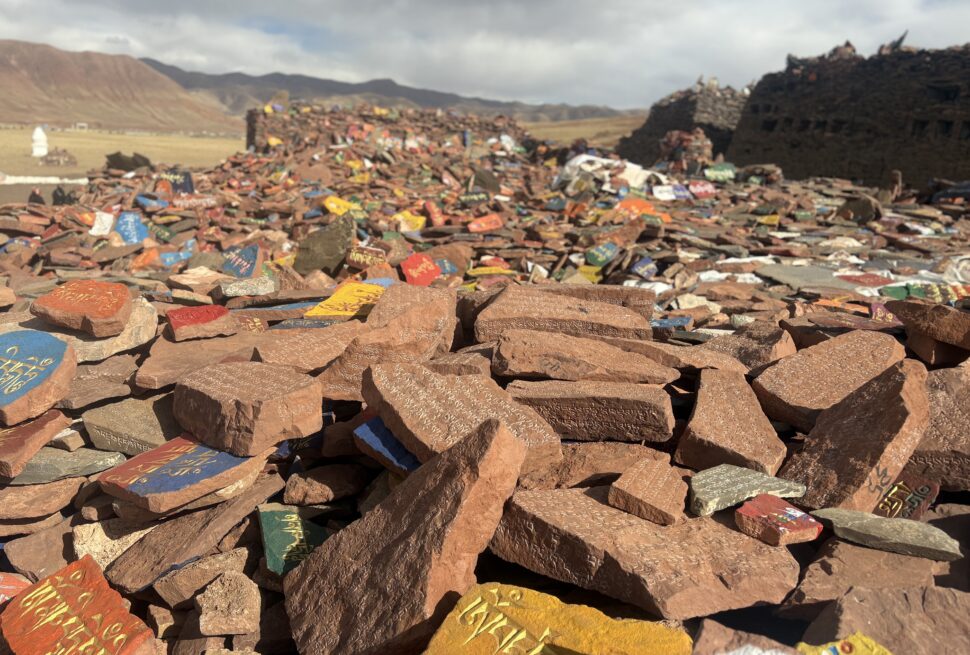
Bangtok Monastery – Renowned for its stone-carved sutras.

Jonang Tradition Centers – Visit Tsangwa, Choeje, and Tsechu monasteries, key seats of the Jonang Buddhist tradition.
Ganzi & Dzogchen Monastery
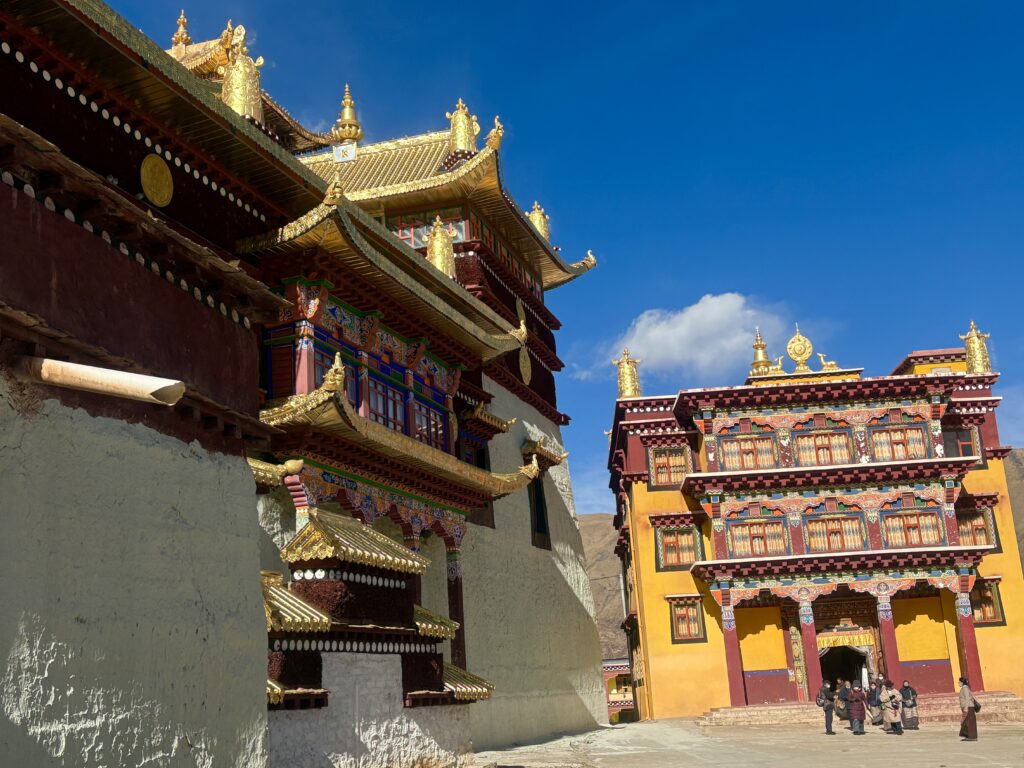
Dzogchen Monastery – One of Tibet’s six great Nyingma “Mother Monasteries,” founded in the 17th century by Dzogchen Pema Rigdzin.
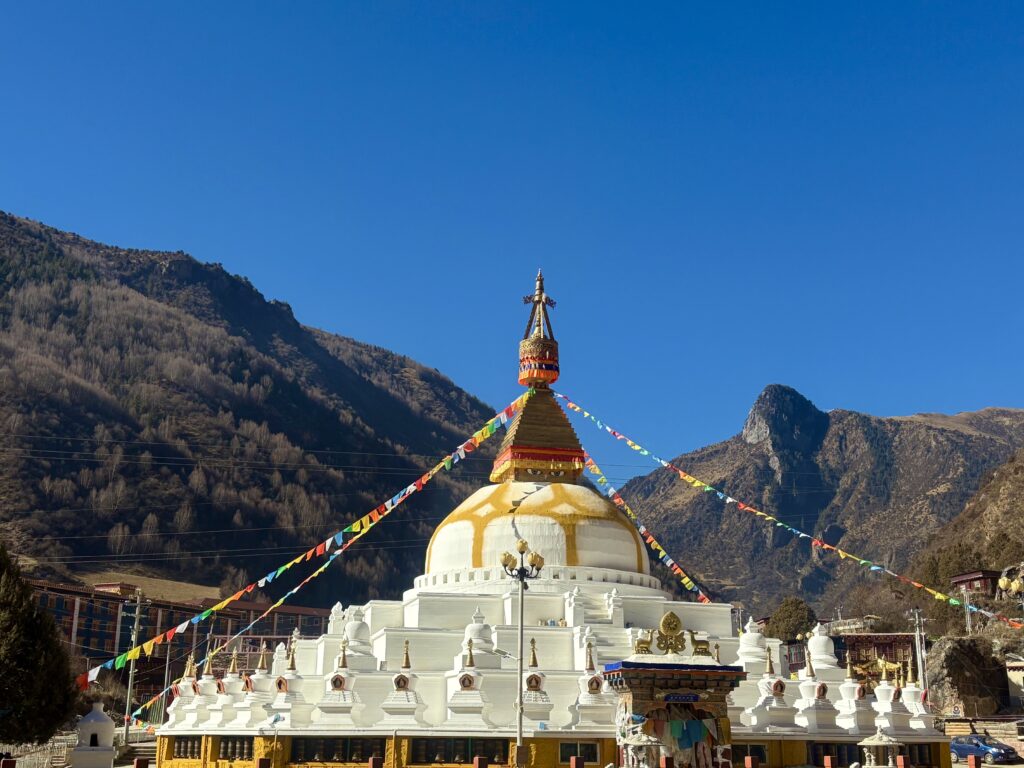
Derge Parkhang – The World’s Largest Tibetan Printing House
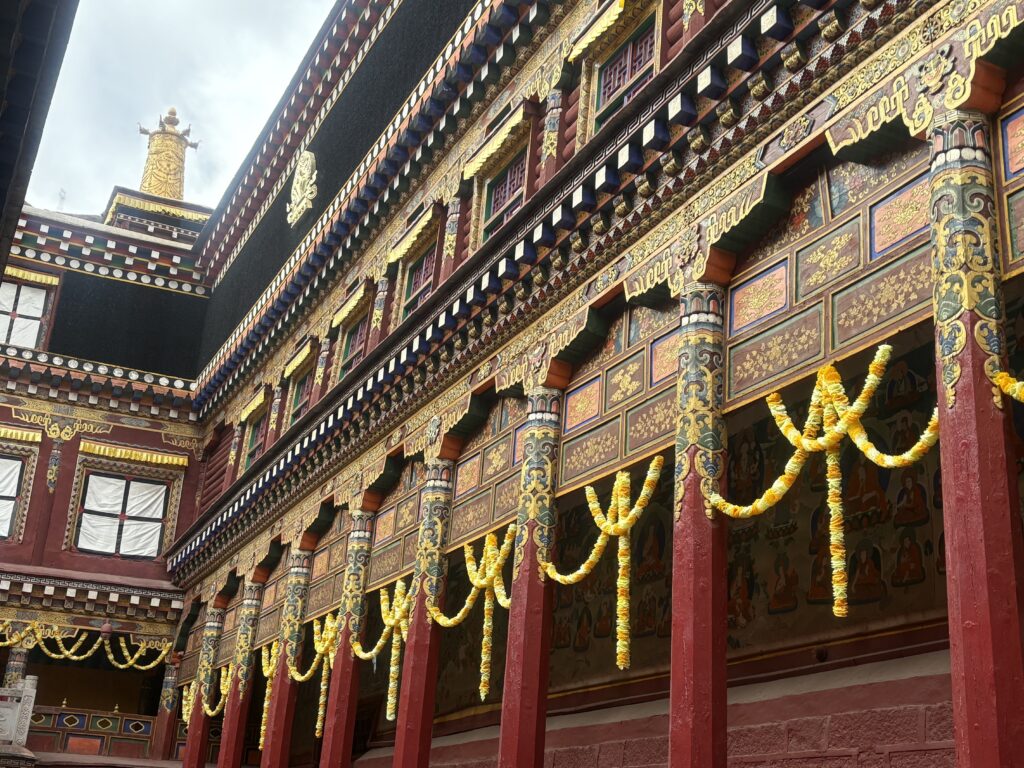
A UNESCO-level cultural treasure, Derge Parkhang holds over 140,000 ancient woodblock printing plates. Witness live sutra printing in this 18th-century architectural marvel.
Dzongsar Monastery
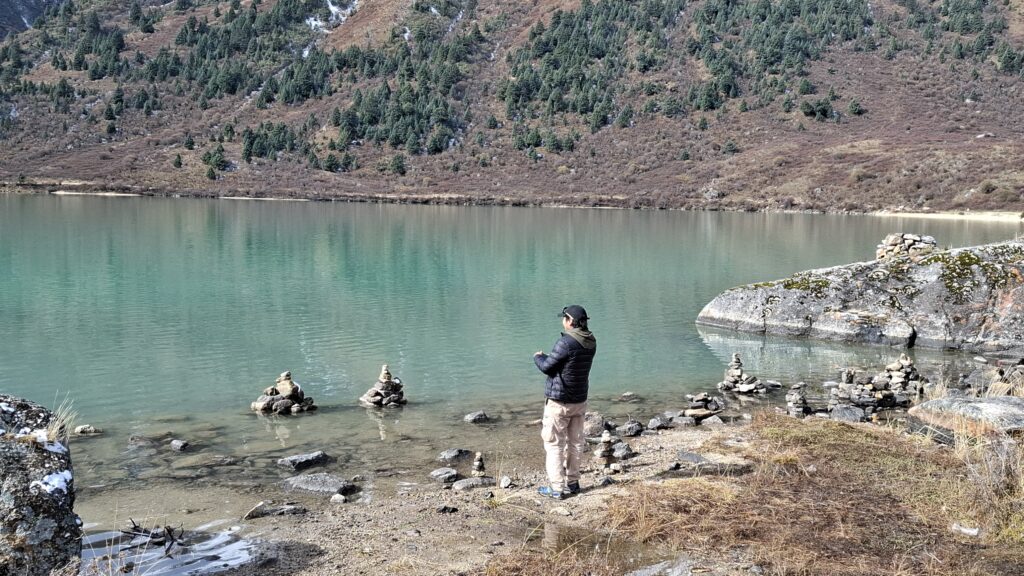
Founded in 746 AD, this historic monastery sits overlooking the Khamje Valley and is the birthplace of the famed Khyentse lineage.
Palyul & Katok Monasteries
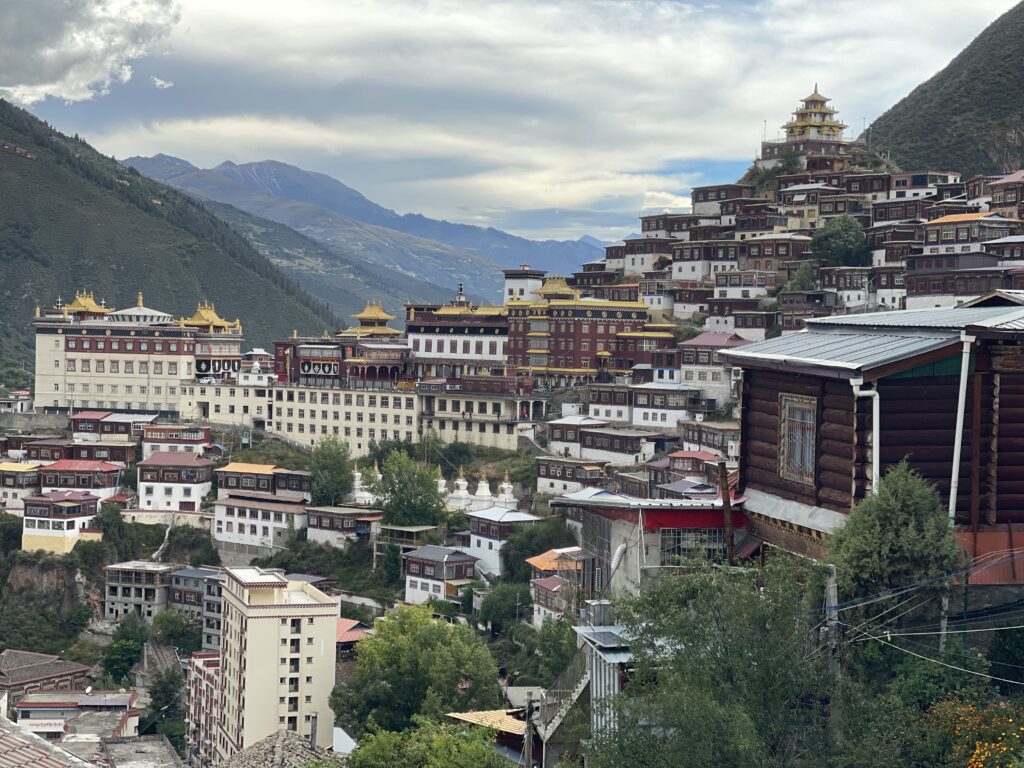
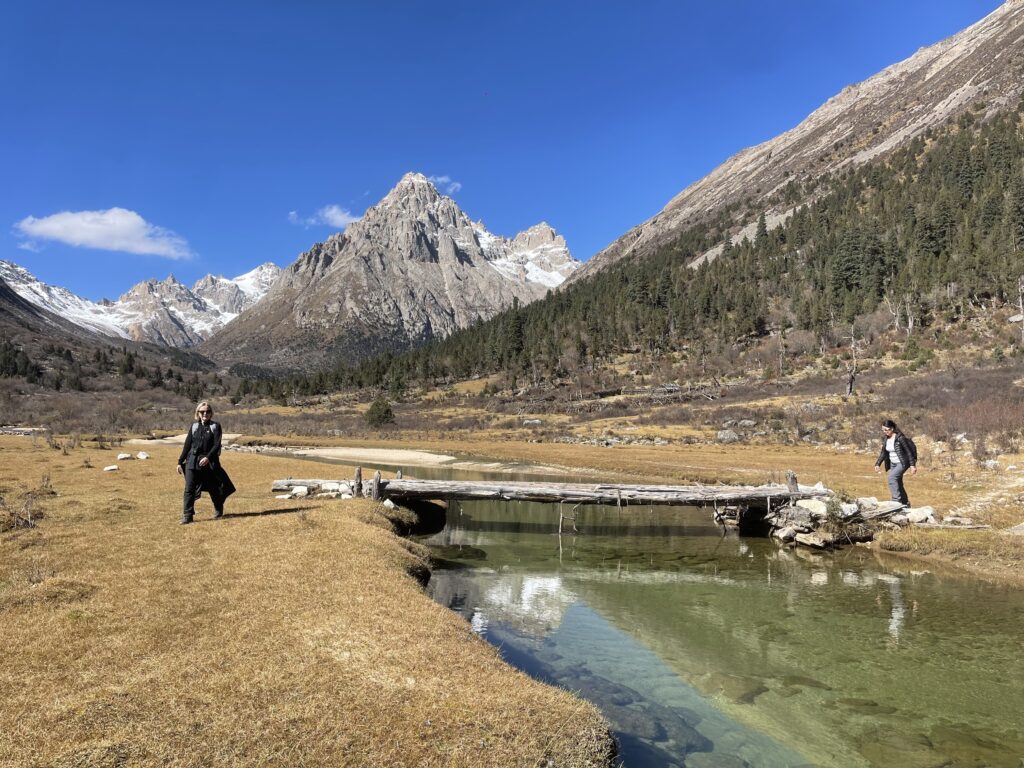
Visit Katok Monastery (founded 1159) and Palyul Monastery – key centers of the Nyingma tradition, rich in art and meditation heritage.
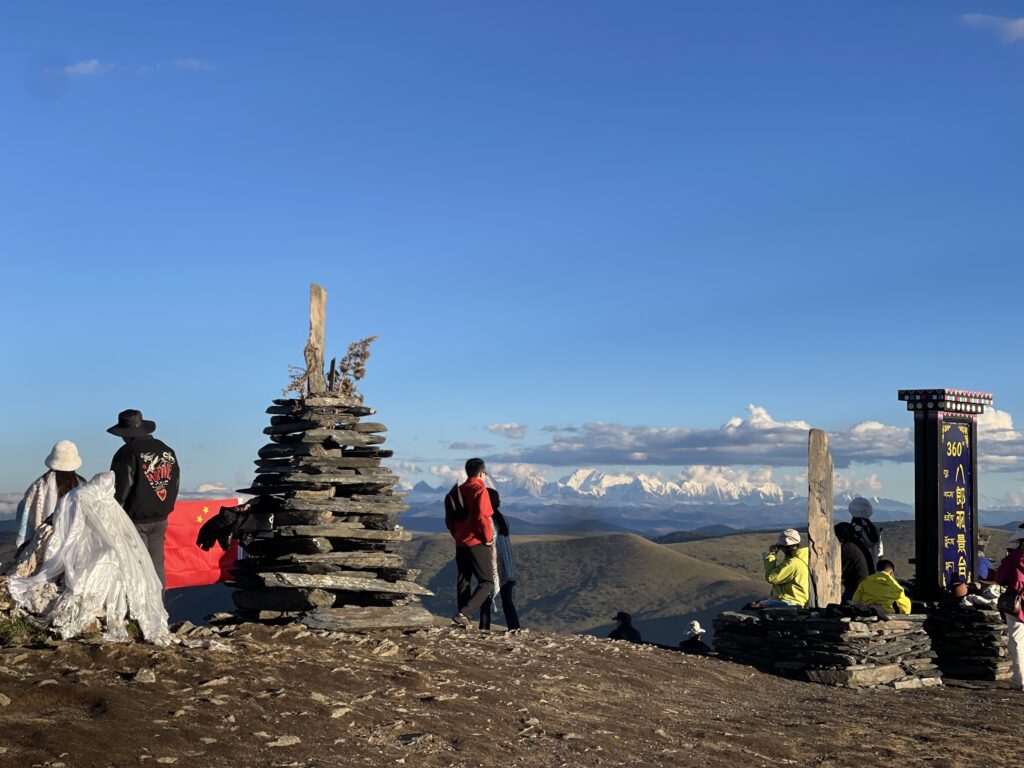
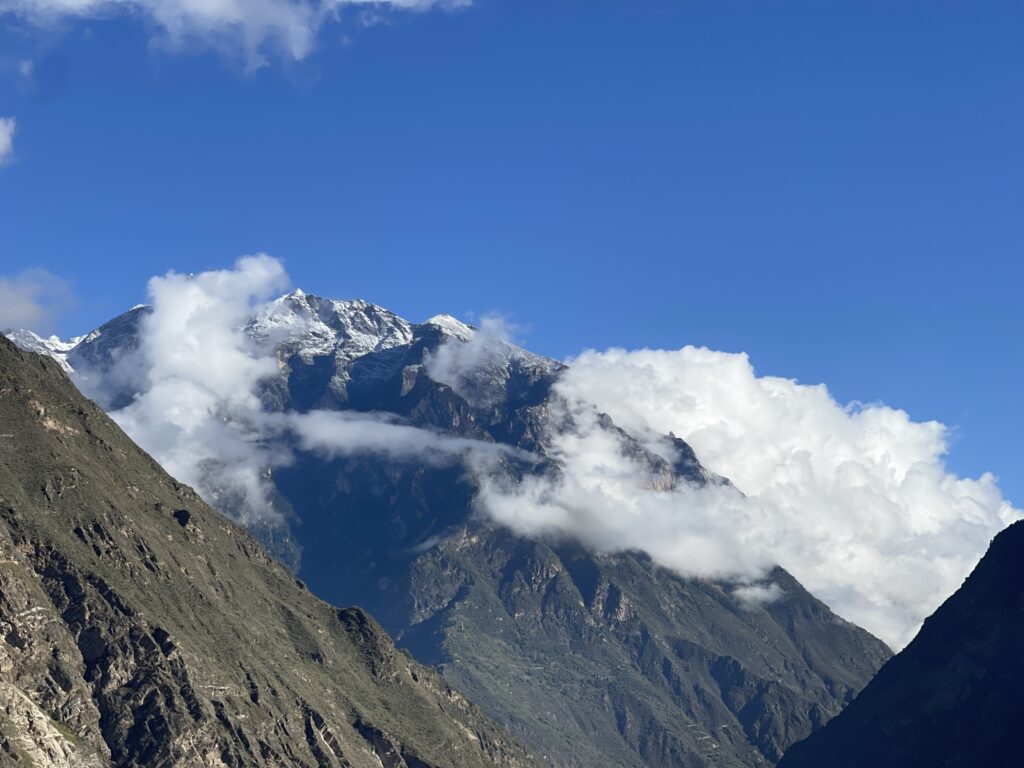
Lhagang Monastery – Home to a sacred Jowo statue comparable in importance to the one in Lhasa. Mt. Zhara Lhatse (5820m) – A holy peak associated with Guru Rinpoche (Padmasambhava).
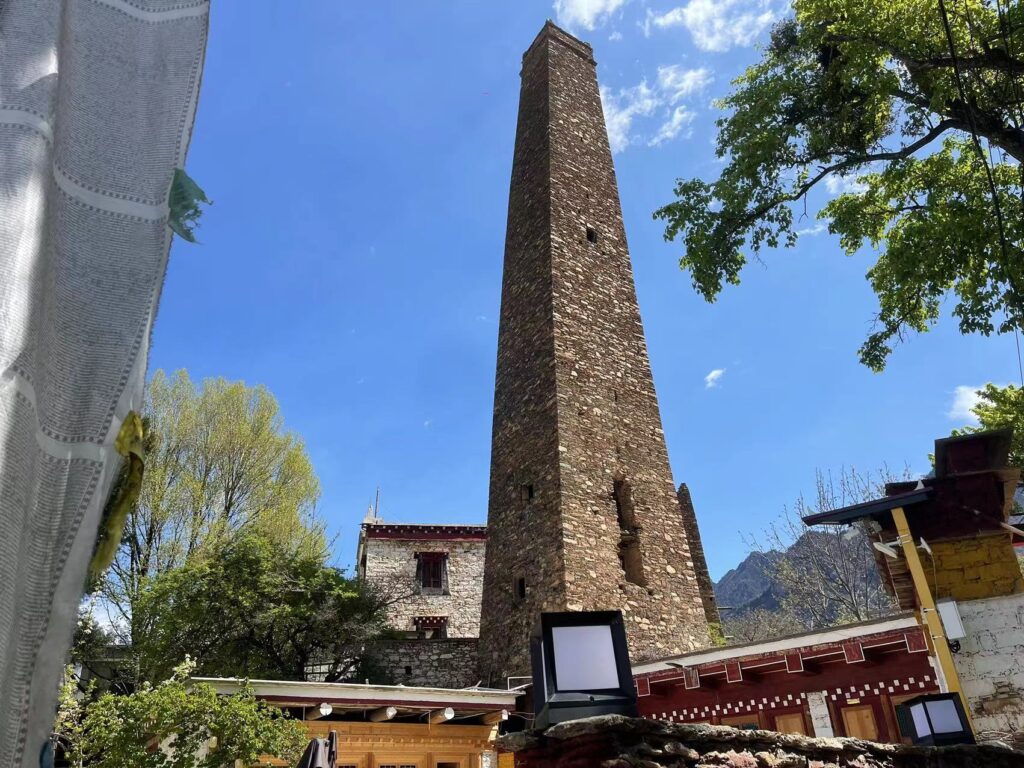
Danba & Gyarong Watchtowers
Discover the ancient Gyarong Tibetan watchtowers, unique stone structures scattered across Danba valley.
Final Stretch to Chengdu

Drive via Siguniang Shan (Four Sisters Mountain) and visit Panda center on the way before arriving in Chengdu – a perfect blend of mountain vistas and urban transition.
Travel Tips for the Xining–Chengdu Overland Route
Best Time: May–October (stable weather, accessible roads).

Altitude Warning: Acclimatize slowly; many stops exceed 3500m.

Permits: No permit required. Only Chinese visa is enough.

Transport: 4WD vehicle with local driver recommended.

Accommodation: Mix of guesthouses and basic hotels.
Why Choose This Route?
This journey offers more than scenery – it’s a living cultural pilgrimage through:
Spiritual heritage of Tibet’s major Buddhist and Bon traditions.

Artisanal legacy of Thangka painting and woodblock printing.

Architectural wonders from monasteries to watchtowers.

Unspoiled landscapes of the eastern Tibetan Plateau.
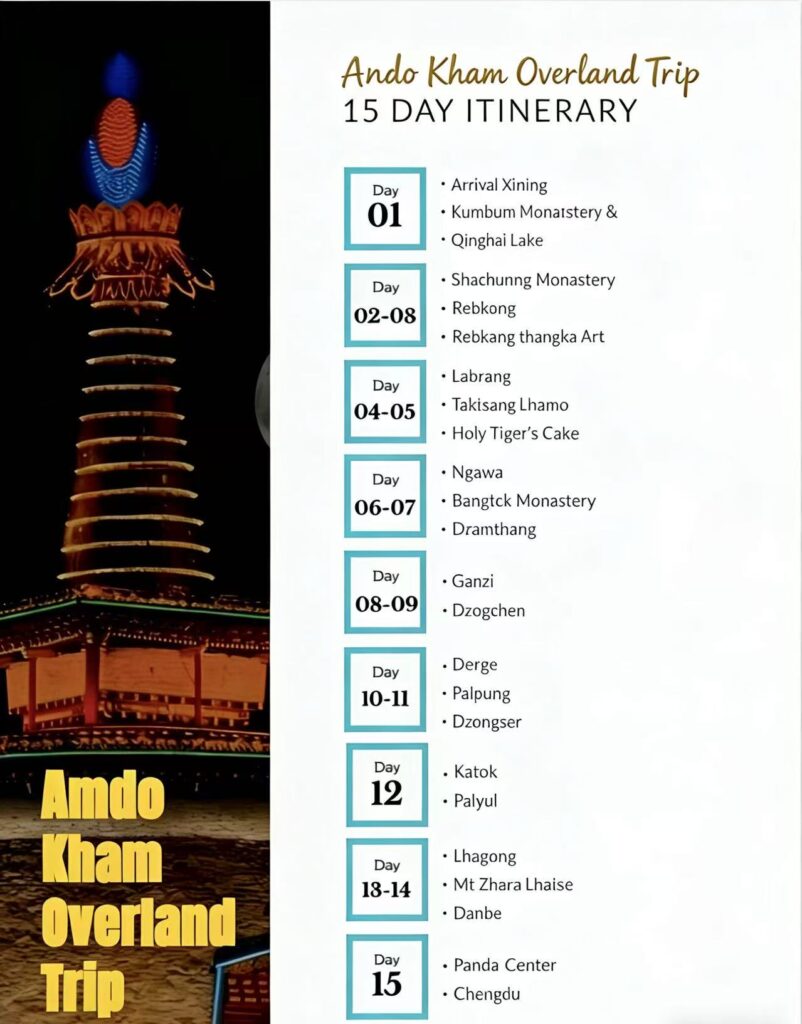
Elevation of Xining to Chengdu Overland Trip