Qinghai Lake (青海湖 · Kokonor · མཚོ་སྔོན་པོ་ · Tso Ngonpo) is a natural and cultural wonder. Here’s an exhaustive guide to understanding and visiting this magnificent site.
The Essential Facts Location:
Northeastern Qinghai Province, 150 km west of Xining Altitude: 3,260 meters (10,696 ft) Size: 4,500 km² — China’s largest inland lake, Asia’s second largest saline lake Depth: Average 21 m, maximum 32 m Salinity: 6‰ (brackish, about 1/6 the salinity of seawater) Name Meaning: “Blue/Green Lake” in Tibetan (མཚོ་སྔོན་པོ་), Mongolian (Köke Naɣur), and Chinese
Geological & Ecological Significance
Formation: A tectonic lake formed 2.5 million years ago
Once connected to the Yellow River, later became endorheic (closed basin)
Slowly shrinking due to climate change and human activity (lost ~12% area since 1950s)
Unique Ecosystem:
Bird Paradise: Niaodao (Bird Island) hosts 200,000+ migratory birds annually
Key species: Bar-headed geese, brown-headed gulls, great black-headed gulls, cormorants
Breeding ground for endangered black-necked cranes
Fish: Only naked carp (Gymnocypris przewalskii) survives in its saline waters
Grasslands: Surrounding area is traditional nomadic pastureland for Tibetan herders
Cultural & Spiritual Importance
Sacred to Multiple Cultures:
Tibetan Buddhism: Considered a holy lake, manifestation of Palden Lhamo (protectress)
Mongolian Tradition: Worshiped as a mother sea (Köke Naɣur)
Historical: Part of the Ancient Silk Road southern route
Modern: Featured in Chinese poetry, film, and national identity
Pilgrimage Practice:
Tibetans perform kora (circumambulation) around the lake (12-15 days on foot)
Believed to wash away sins and bring merit
Best pilgrimage month: 4th month of Tibetan lunar calendar (May-June)
Key Areas & What to See
A. Southern Shore (Most Popular) Erlangjian Scenic Area: Main tourist zone with viewing platforms, boat rides, Tibetan villages Yak & Sheep Pastures: Photo ops with dressed-up animals (fee charged) Boat Tours: To Haixin Shan (Lake Heart Mountain) island
B. Western Shore (Wild & Untouched)
Bird Island Reserve (Niaodao): Closed for conservation since 2018 to protect birds
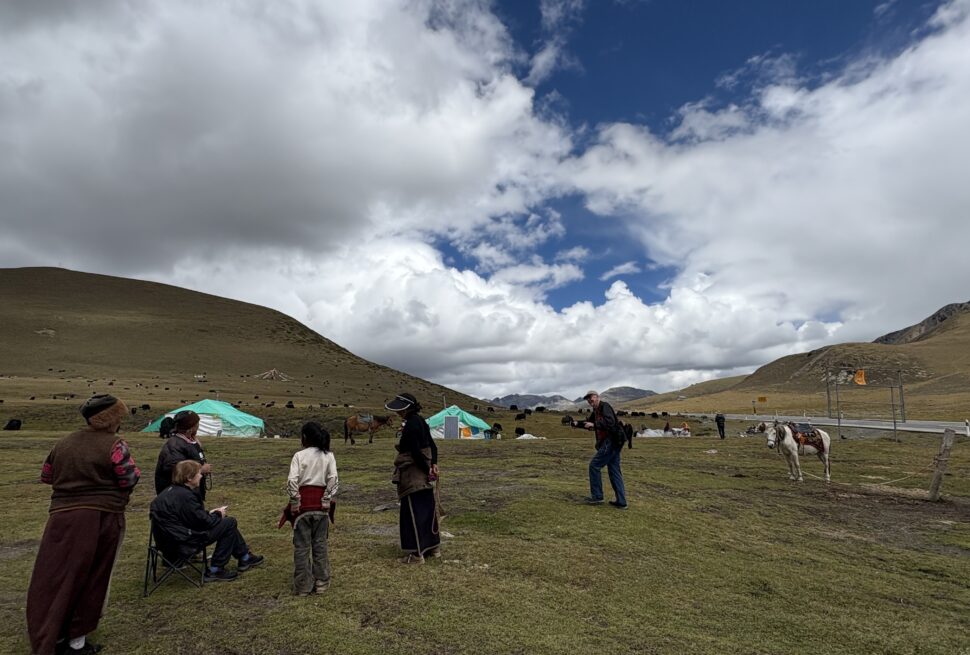
Remote Tibetan Communities: Authentic nomadic encampments
Stunning Sunsets: Over the lake with mountains backdrop
C. Northern Shore (Less Crowded)
Golden Sands Bay (Jinshawan): Desert meets lake landscape
Qinghai Lake Sand Island: Part desert, part wetlands ecosystem
Xianger Tibetan Village: Traditional lifestyle
D. Eastern Shore (Best Sunrise)
Riyue Mountain Pass: Historic divide between Tibetan/Chinese cultures
Sunrise Viewing: Spectacular dawn over the lake
Qinghai Lake Monument: Official marker at 109°E, 36°N
Best Time to Visit
Season Month Pros Cons
Summer July-Aug Warm (10-20°C), wildflowers, birds Crowded, rainy, highest prices
Shoulder May-Jun, Sep-Oct Mild, fewer tourists, clear skies Cold nights, fewer birds (autumn)
Winter Nov-Apr Frozen lake (Jan-Feb), ice festivals, solitude Extreme cold (-20°C), limited access, some areas closed
Peak Events:
July: Tour of Qinghai Lake cycling race (Asia’s biggest)
June: Horse racing festivals in surrounding counties
How to Get There & Around
From Xining: Bus: Xining Bus Station → Heimahe Town (2.5 hours, ¥35) Private Car/Taxi: Full-day trip (¥600-800), most flexible Tour Group: Day tours from Xining (¥200-300 including tickets) Bicycle: Dedicated cycling route around lake (4-7 days recommended)
Around the Lake:
Complete Circuit: 360 km road, takes 2 days by car
Public Transport: Limited, only between main towns
Best Option: Hire driver with car (¥800-1000/day)
Practical Information
Entrance Fees:
Erlangjian Main Area: ¥90 (Apr-Oct), ¥50 (Nov-Mar)
Boat Rides: ¥140-180 (depending on route)
Combined Tickets: Available for multiple sites
Altitude Sickness Prevention:
Lake is at 3,260 m — same altitude as Lhasa
Acclimatize 1-2 days in Xining (2,300 m) first
Drink plenty of water, avoid alcohol, move slowly
What to Pack:
All seasons: Sunscreen, sunglasses, lip balm (intense UV)
Summer: Rain jacket, layers (weather changes rapidly)
Winter: Heavy down jacket, thermal layers, warm gloves/hat
Year-round: Sturdy walking shoes, camera, power bank
Accommodation Options:
Heimahe Town: Main tourist hub, hotels (¥150-400/night)
Tibetan Homestays: Authentic experience (¥80-150/night)
Yurts (Summer only): Tourist camps with basic facilities
Xining Base: Day trips only, better amenities
Responsible Tourism Guidelines
Do:
✅ Respect kora pilgrims — don’t photograph without permission
✅ Stay on marked paths to protect fragile grasslands
✅ Hire local Tibetan drivers/guides when possible
✅ Support eco-friendly businesses
✅ Carry out all trash (no littering!)
Don’t:
❌ Chase or disturb wildlife/birds
❌ Pick wildflowers or damage vegetation
❌ Enter restricted conservation zones
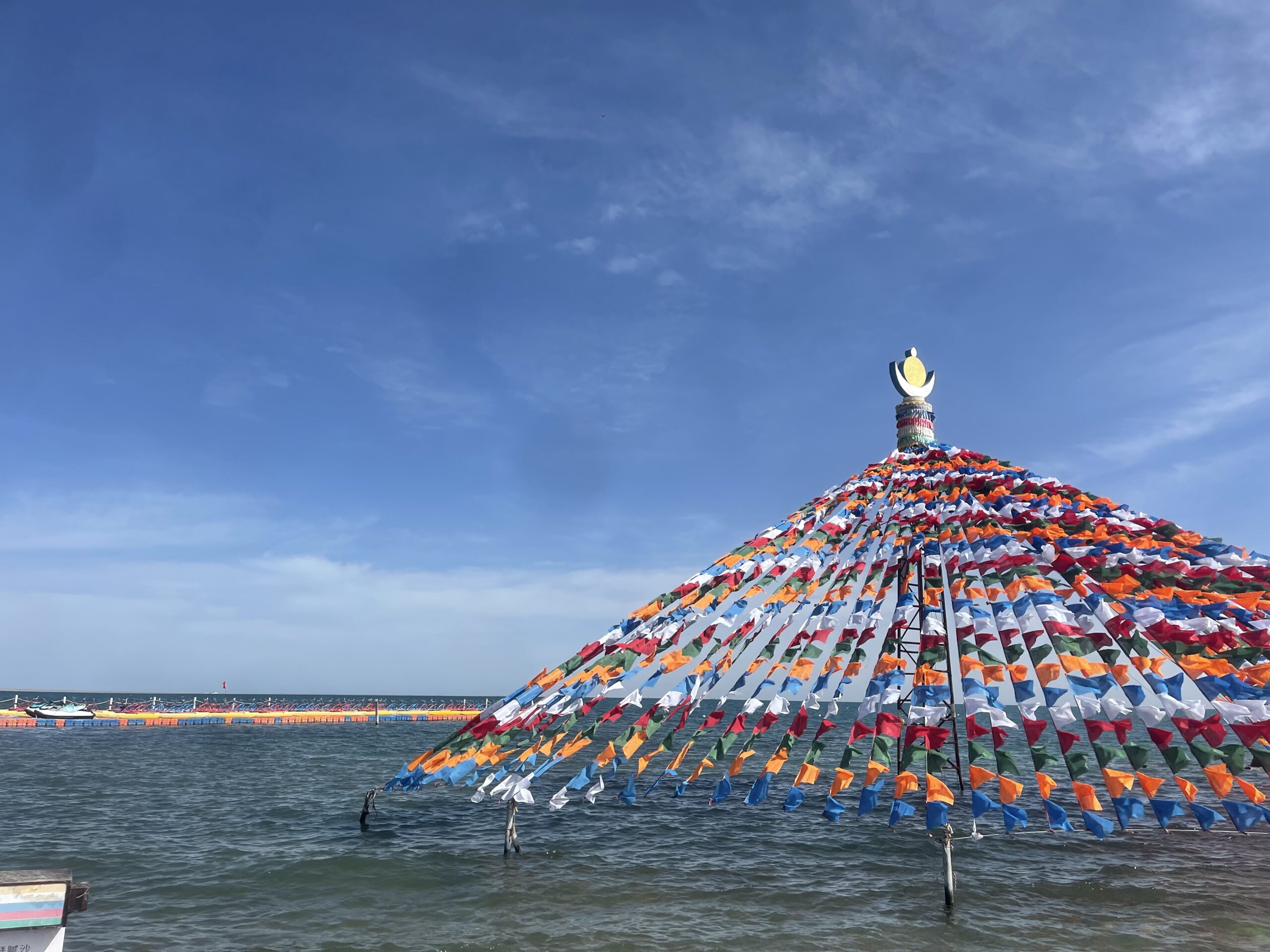
❌ Disrespect religious sites (stupas, prayer flags)
❌ Waste water — it’s precious in this ecosystem
Environmental Concerns & Conservation
Major Threats:
Climate Change: Reduced glacier melt = less inflow
Overgrazing: Degradation of surrounding grasslands
Tourism Impact: Waste, habitat disturbance
Invasive Species: Algae blooms affecting ecosystem
What’s Being Done:
Fishing ban on naked carp since 2001 (population recovering)
Tourist restrictions on Bird Island since 2018
Solar/wind energy projects around lake
UNESCO Biosphere Reserve designation pending
Local Insights:
Best Photography Spot: Chaka Salt Lake (200 km west) often combined with Qinghai Lake trip
Hidden Gem: Qilian Mountains view from northern shore
Local Food: Try tsampa (roasted barley flour), yak butter tea, and hand-pulled noodles
Cultural Etiquette: Don’t step on or over prayer flags/mats
Qinghai Lake is not just a scenic spot — it’s a living ecosystem and cultural landscape. The deeper you engage with its natural rhythms and local communities, the more profound your experience will be. Visit with respect, curiosity, and plenty of time to simply absorb its vast, blue serenity.