The Ngawa (Aba) Tibetan and Qiang Autonomous Prefecture, located in northwestern Sichuan, is a culturally rich region on the eastern edge of the Tibetan Plateau. It is home to Tibetan and Qiang communities, dramatic alpine landscapes, sacred monasteries, and UNESCO-listed natural sites.
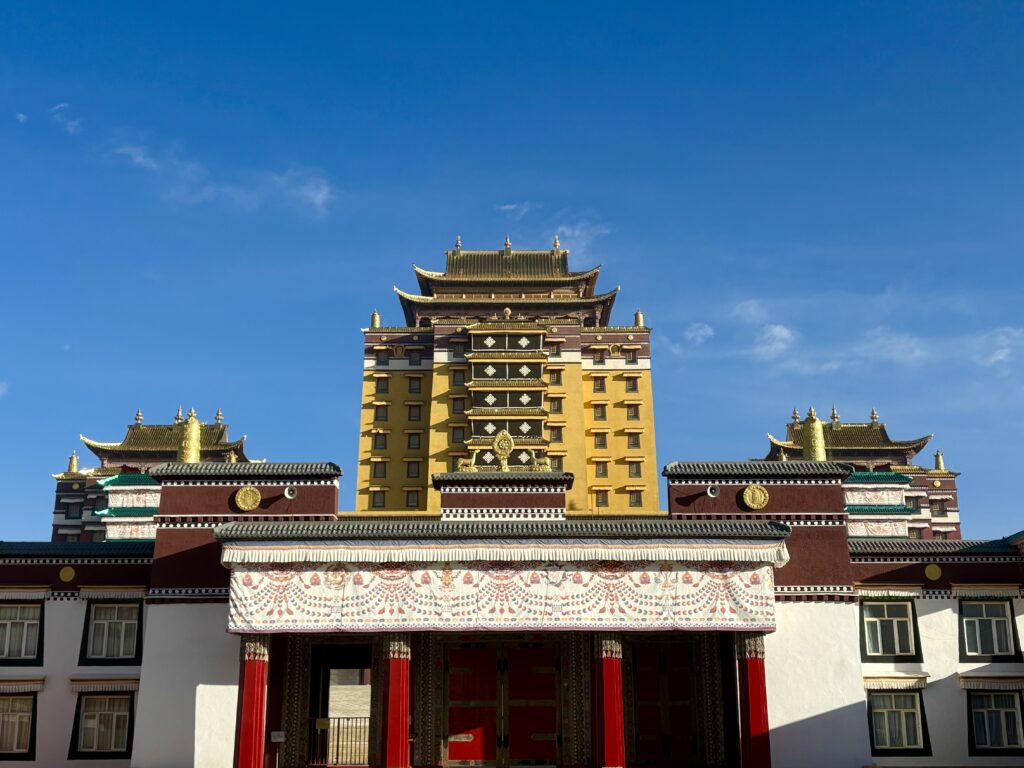
Ngawa serves as a gateway between Amdo, Kham, and Gyarong, offering a unique blend of highland culture, ancient villages, and breathtaking scenery.
Cultural Significance
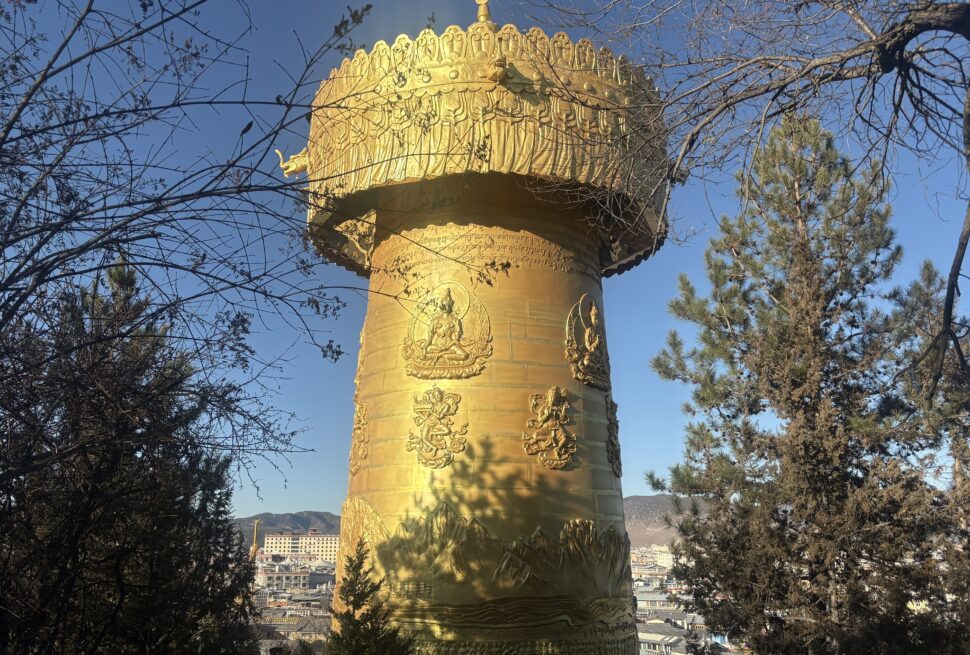
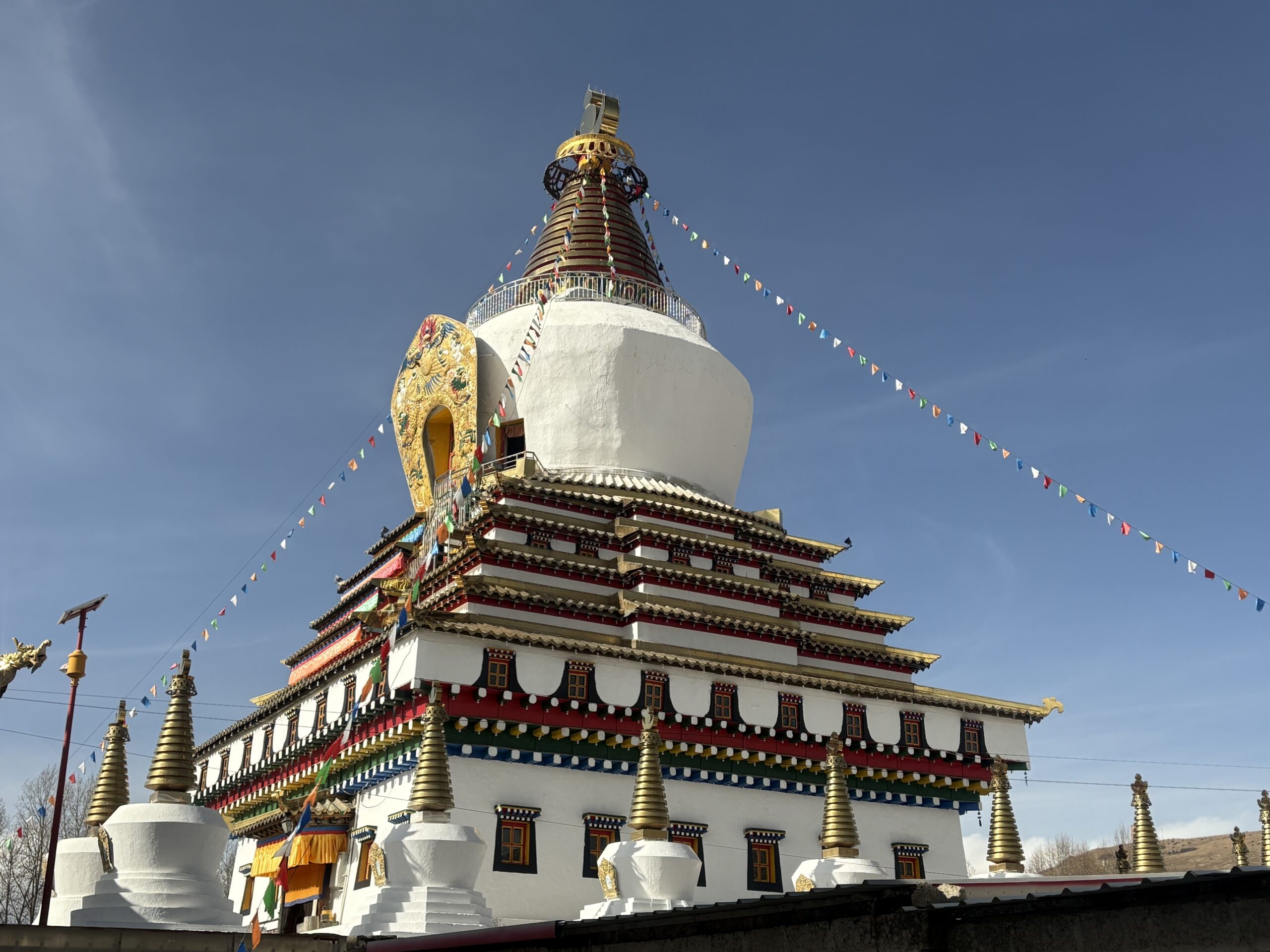
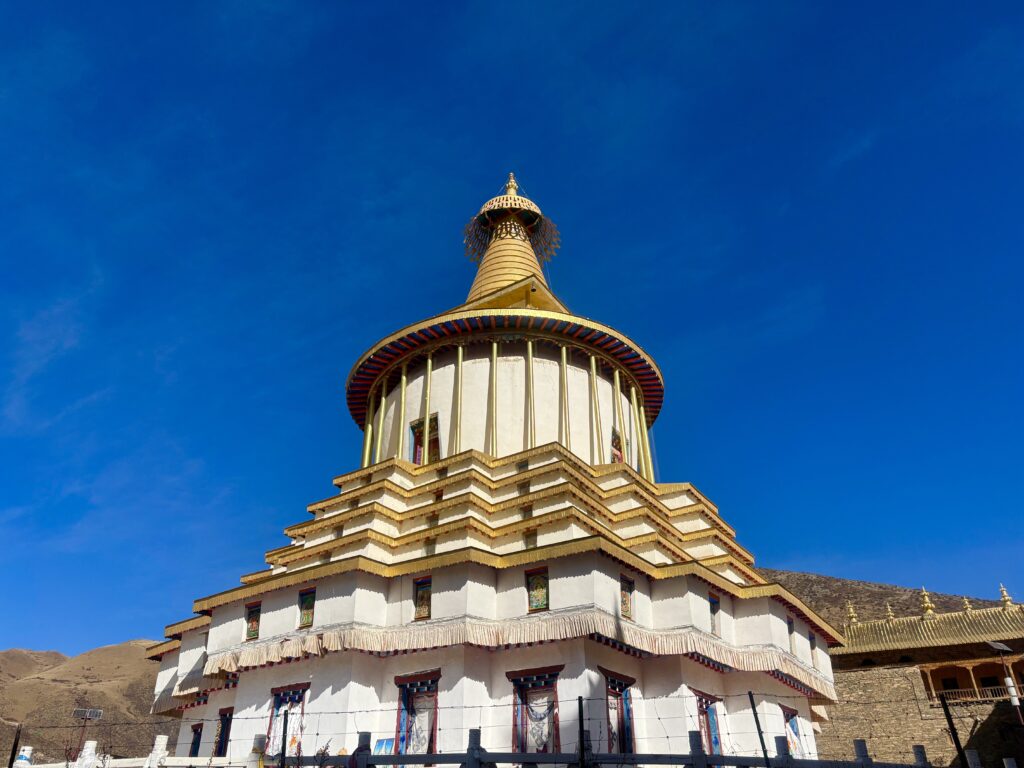
Ngawa is home to Tibetan (mainly Amdo and Gyarong) and Qiang peoples, each with distinct languages, clothing, architecture, and spiritual traditions. Tibetan Buddhism—particularly the Gelug school—plays a central role in daily life, with important monasteries such as Kirti Monastery serving as spiritual and cultural centers. Alongside Buddhism, ancient Bon beliefs and Qiang ancestral worship continue to influence local customs.
Historical Importance
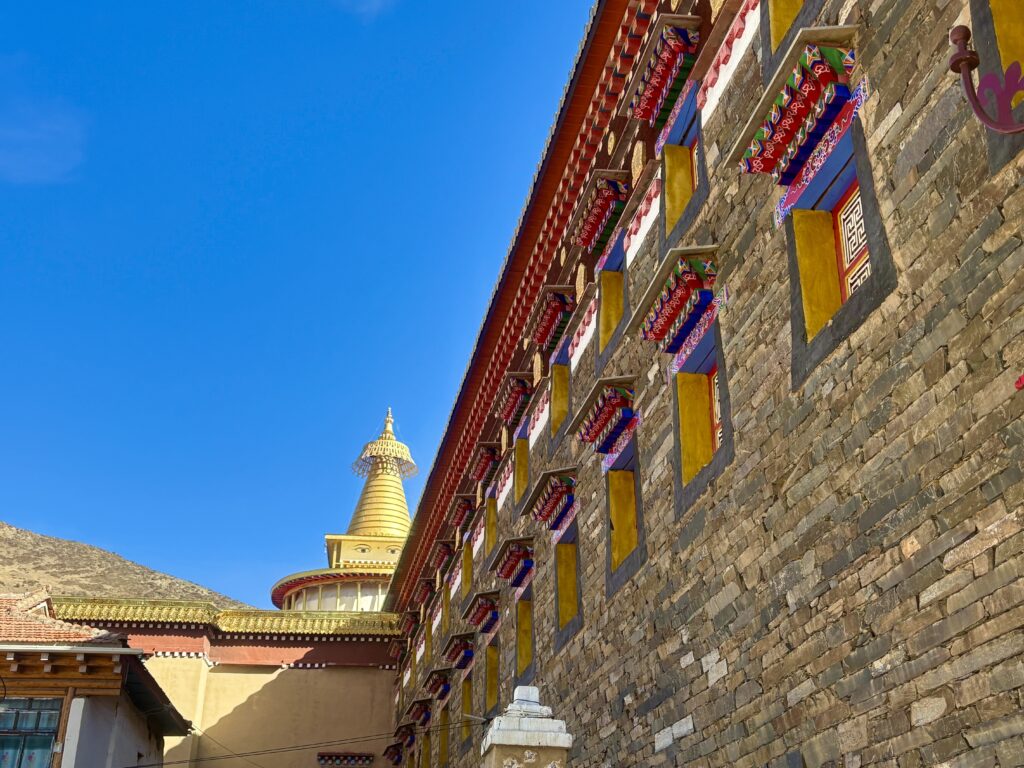
Historically, Ngawa sat along key routes linking Amdo, Kham, and the Tea Horse Road, facilitating trade, pilgrimage, and cultural exchange. The region’s stone watchtowers, fortresses, and old villages reflect centuries of adaptation to rugged terrain and inter-tribal relations.
Natural Landscapes
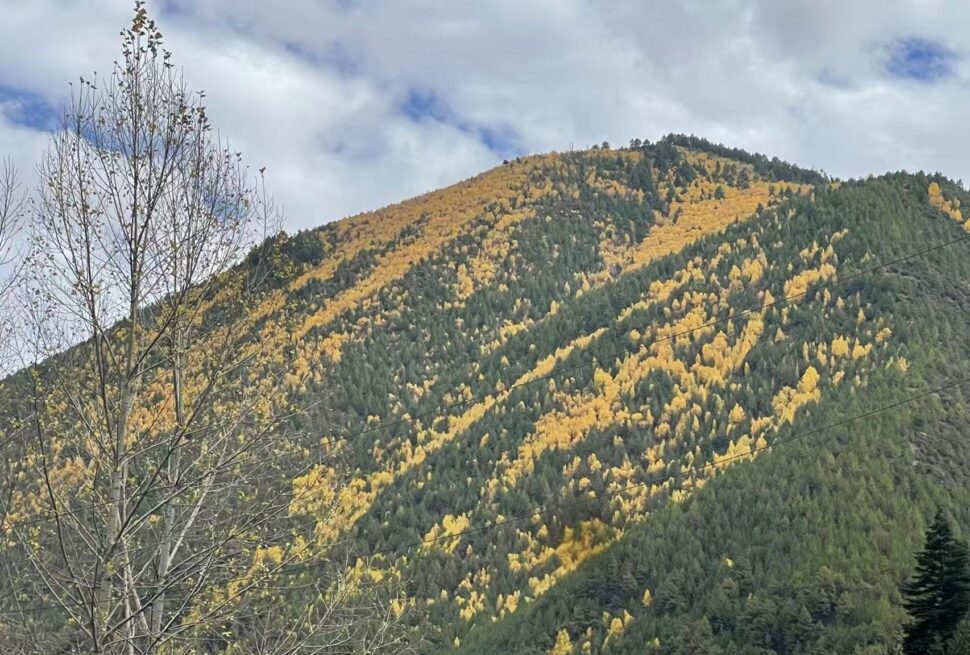
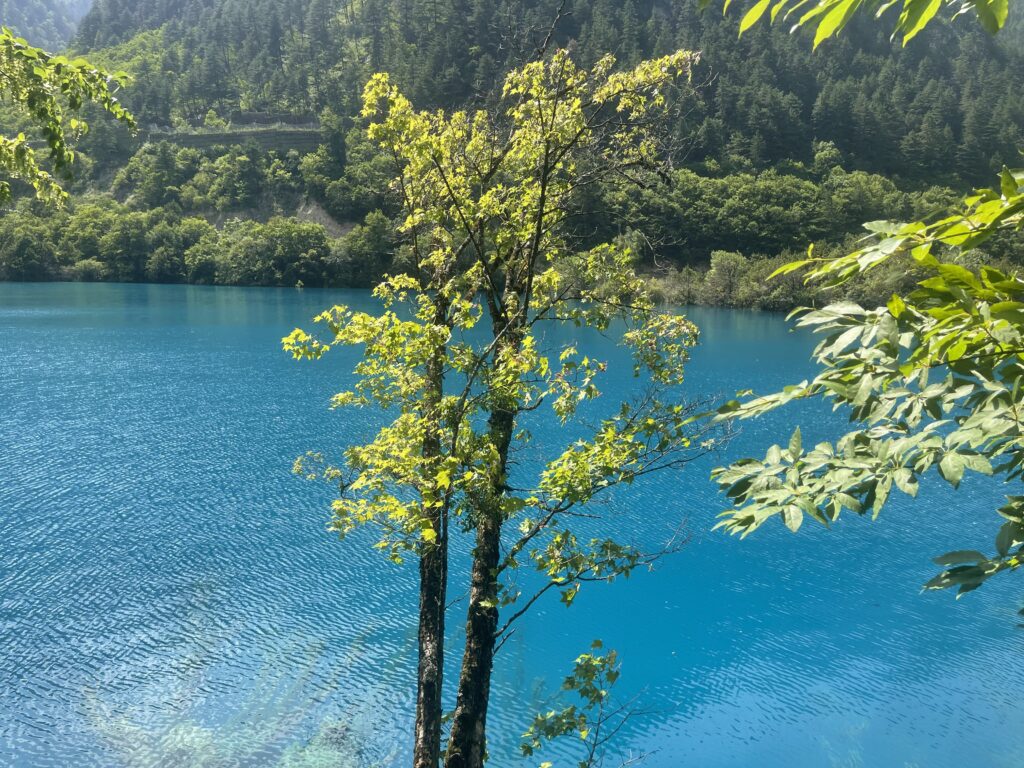
Ngawa’s geography ranges from high-altitude grasslands and snow-covered peaks to deep valleys and dense forests, creating dramatic scenery and exceptional biodiversity. The prefecture includes two world-renowned UNESCO sites—Jiuzhaigou Valley and Huanglong National Park—famous for turquoise lakes, travertine terraces, waterfalls, and alpine ecosystems.
Wildlife & Biodiversity
Ngawa lies within one of China’s most important ecological zones, supporting giant pandas, golden snub-nosed monkeys, takins, and rare alpine flora. The varied elevations create multiple micro-climates, making the region a hotspot for biodiversity and conservation.
Local Life & Festivals
Life in Ngawa remains closely tied to the land. Tibetan nomads herd yaks and sheep on high pastures, while Qiang farmers cultivate mountain terraces. Traditional festivals—such as horse racing festivals, religious ceremonies, and seasonal celebrations—offer insight into living highland cultures.
Travel Experience
Ngawa is ideal for travelers seeking a blend of culture, spirituality, and nature without entering the Tibet Autonomous Region. Overland journeys through the region offer gradual altitude gain, scenic routes, and meaningful encounters with local communities.
Key Places in Ngawa
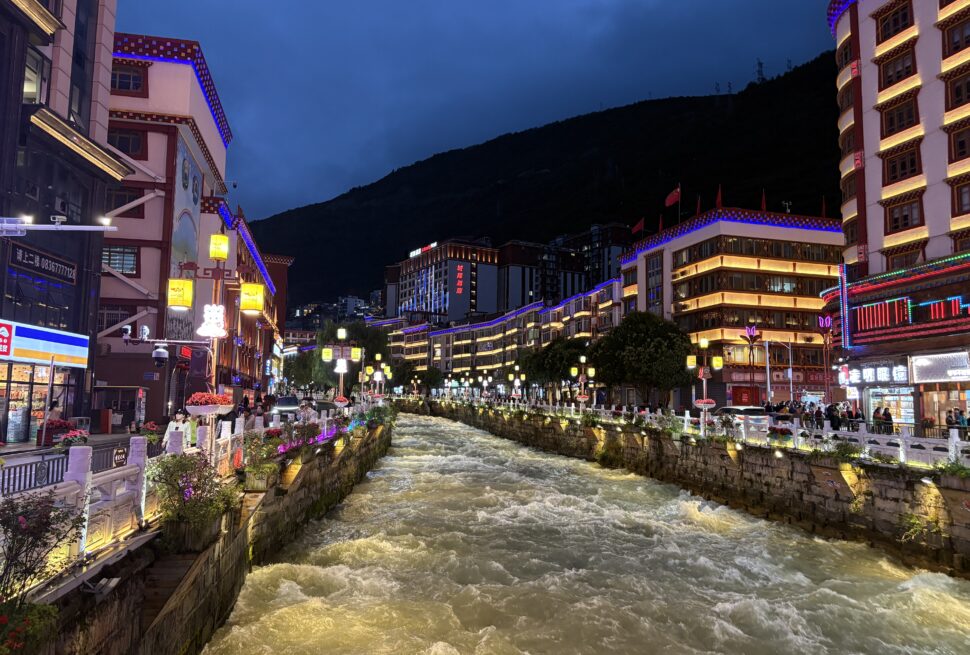
Ngawa (Aba) Town – Cultural and religious center
Jiuzhaigou Valley – Alpine lakes and waterfalls
Huanglong National Park – Sacred limestone terraces
Kirti Monastery – Major Tibetan Buddhist monastery
Qiang Villages – Ancient stone architecture and watchtowers
Administrative Division Of Ngawa Tibetan Autonomous Prefecture
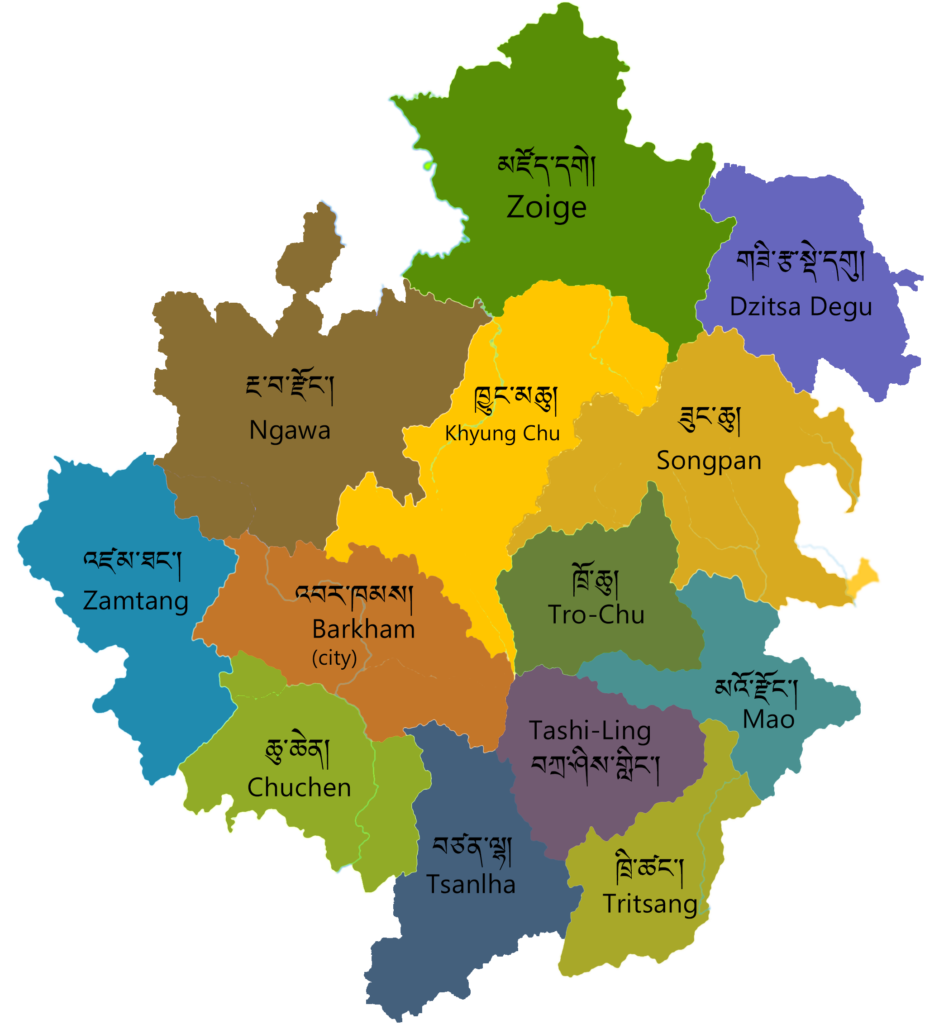
| Serial No | Name of Counties | Name in Tibetan | Area (km2) |
| 1 | Maerkang (Barkham) | འབར་ཁམས་གྲོང་ཁྱེར། | 6639 |
| 2 | Wenchuan (Longgu) | ལུང་དགུ་རྫོང་། / ཁྲི་ཚང་རྫོང་། | 4083 |
| 3 | Li xian (Tashi Ling) | བཀྲ་ཤིས་གླིང་། | 4318 |
| 4 | Mao xian (Maodzong) | མའོ་ཝུན། | 4075 |
| 5 | Songpan (Songchu) | ཟུང་ཆུ་རྫོང་། | 8486 |
| 6 | Jiuzhaigou (Dzitsa Degu) | གཟི་རྩ་སྡེ་དགུ་རྫོང་། | 5286 |
| 7 | Jinchuan (Chuchen) | ཆུ་ཆེན་རྫོང་། | 5524 |
| 8 | Xiaojin (Tsanlha) | བཙན་ལྷ་རྫོང་། | 5571 |
| 9 | Heishui (Trochu) | ཁྲོ་ཆུ་རྫོང་། | 4154 |
| 10 | Rangtang (Dzamtang) | འཛམ་ཐང་རྫོང་། | 6836 |
| 11 | Aba (Ngawa) | རྔ་བ་རྫོང་། | 10435 |
| 12 | Ruoergai (Zoige) | མཛོད་དགེ་རྫོང་། | 10437 |
| 13 | Hongyuan (Khyungchu) | རྐ་ཁོག་རྫོང་། / ཁྱུང་མཆུ་རྫོང་། | 8398 |