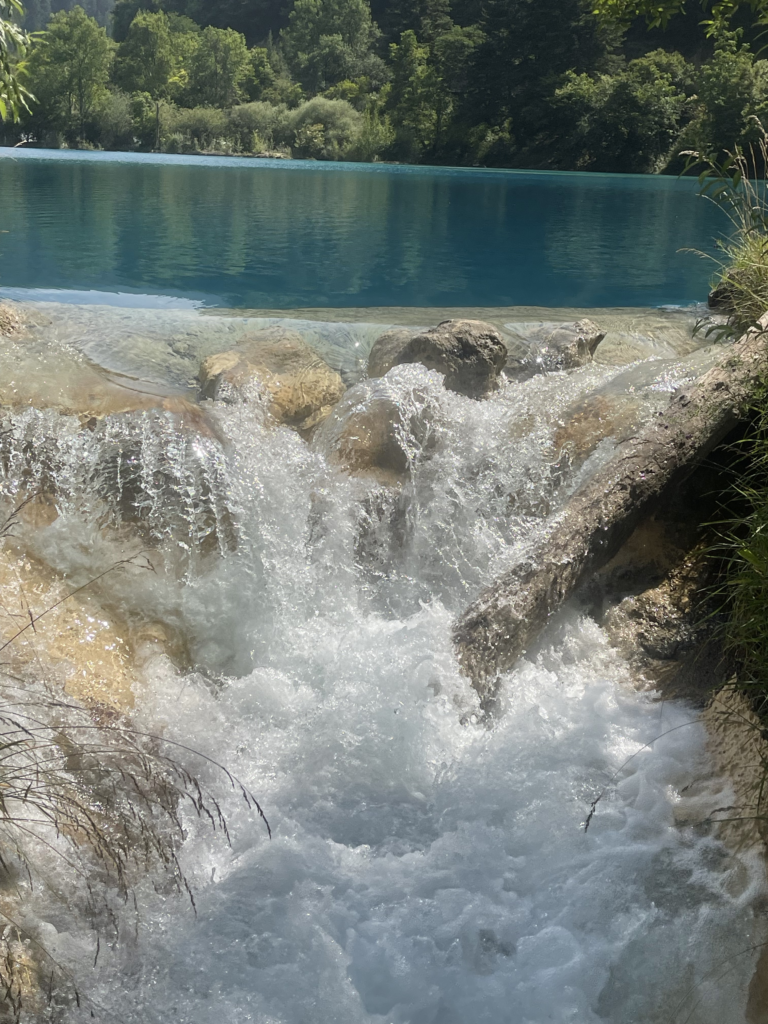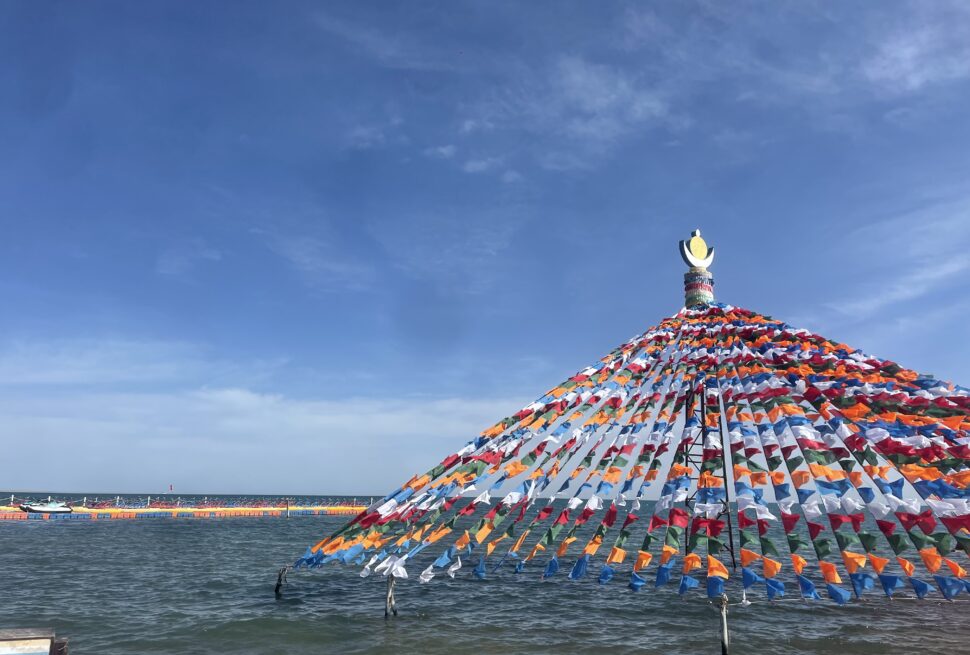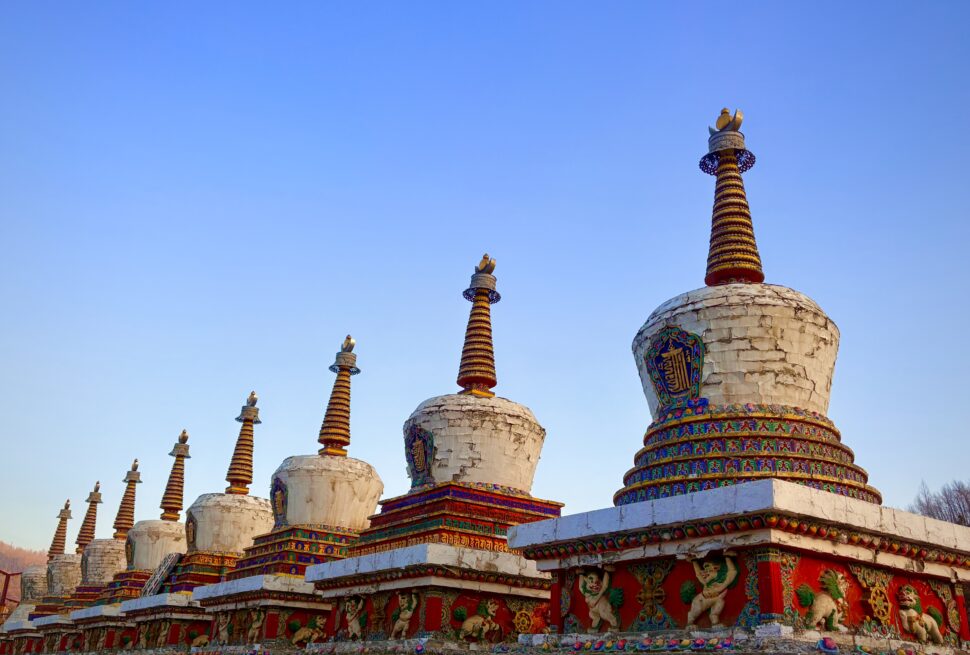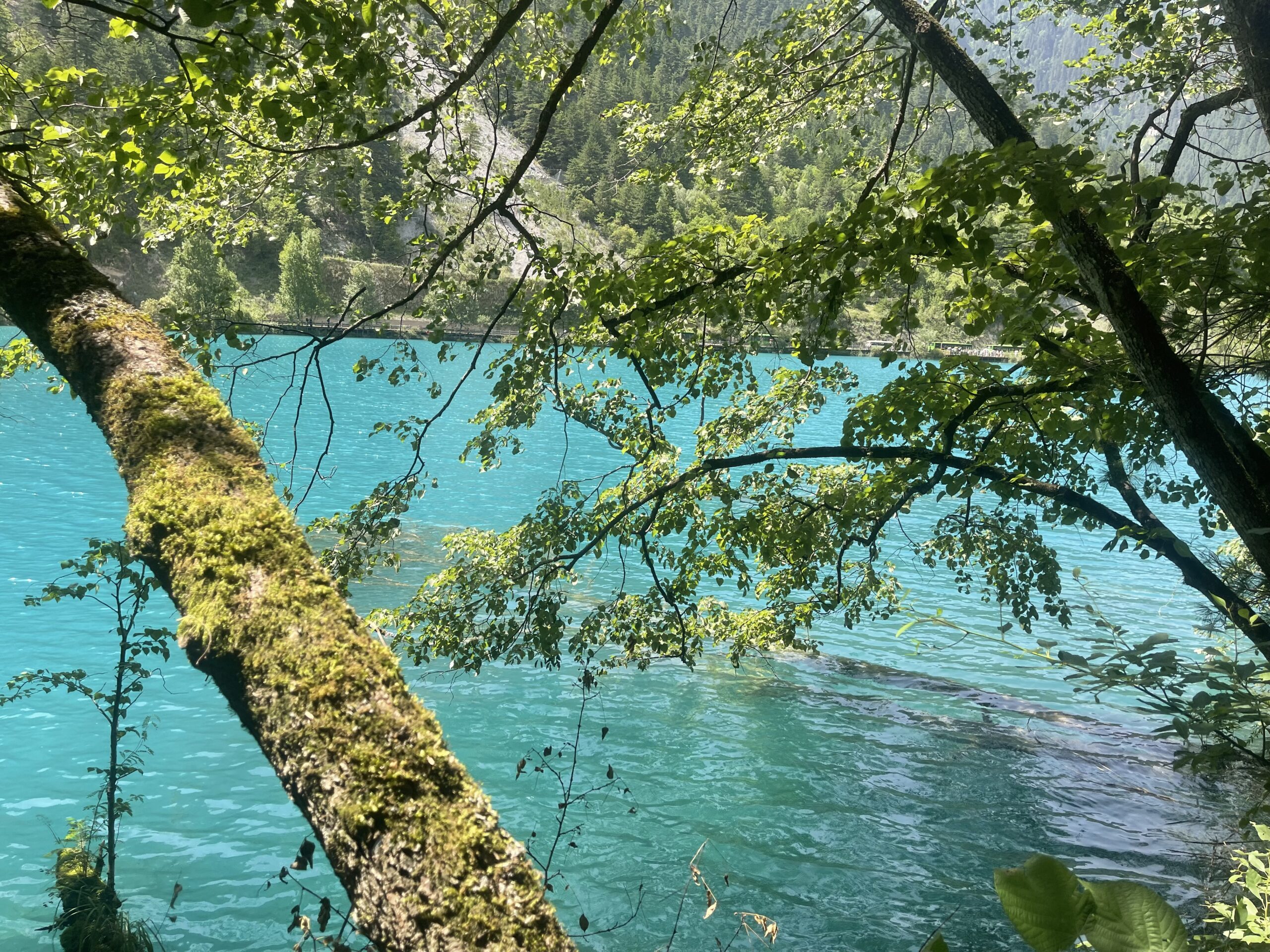
Jiuzhaigou Valley (九寨沟, “Nine Village Valley”) is a UNESCO World Heritage Site in northern Sichuan Province, China. It is famed for its staggeringly colorful lakes, multi-level waterfalls, snow-capped peaks, and Tibetan & Qiang villages.
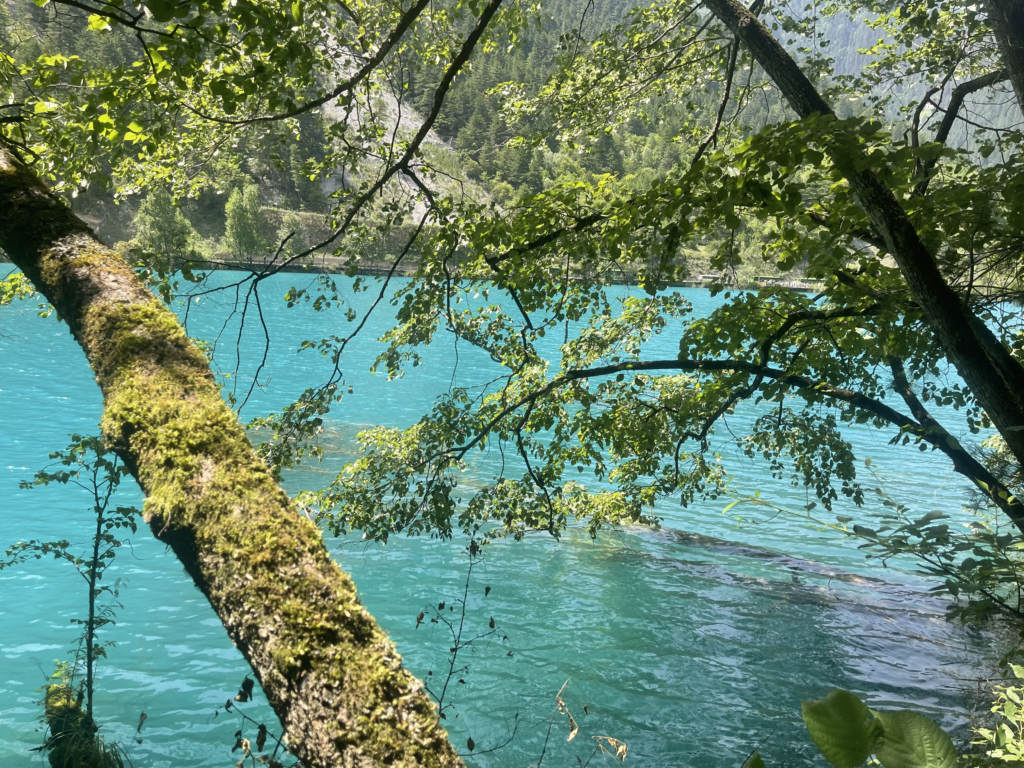
Location: Administratively in Sichuan, but geographically and culturally in the eastern fringes of the Tibetan Plateau, historically part of Gyarong.
Key Fact: It is not subject to the Tibet Travel Permit (TTP) restrictions. Foreign tourists can visit independently or with any Chinese tour agency. This is a major selling point for easier access.
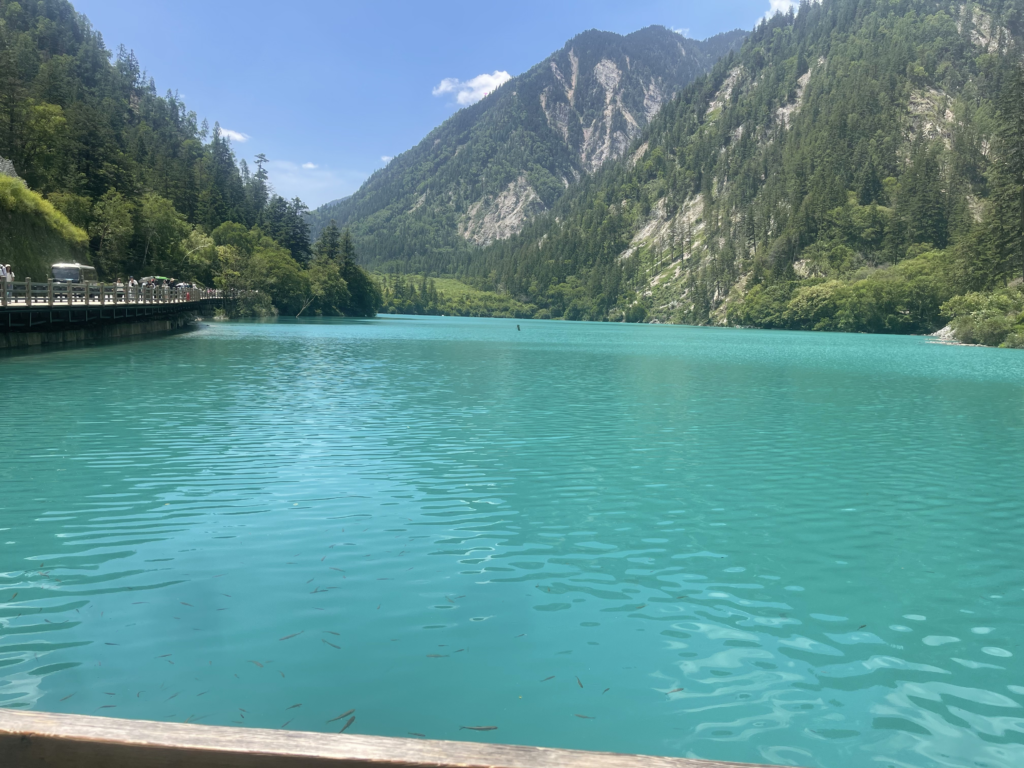
The Experience:
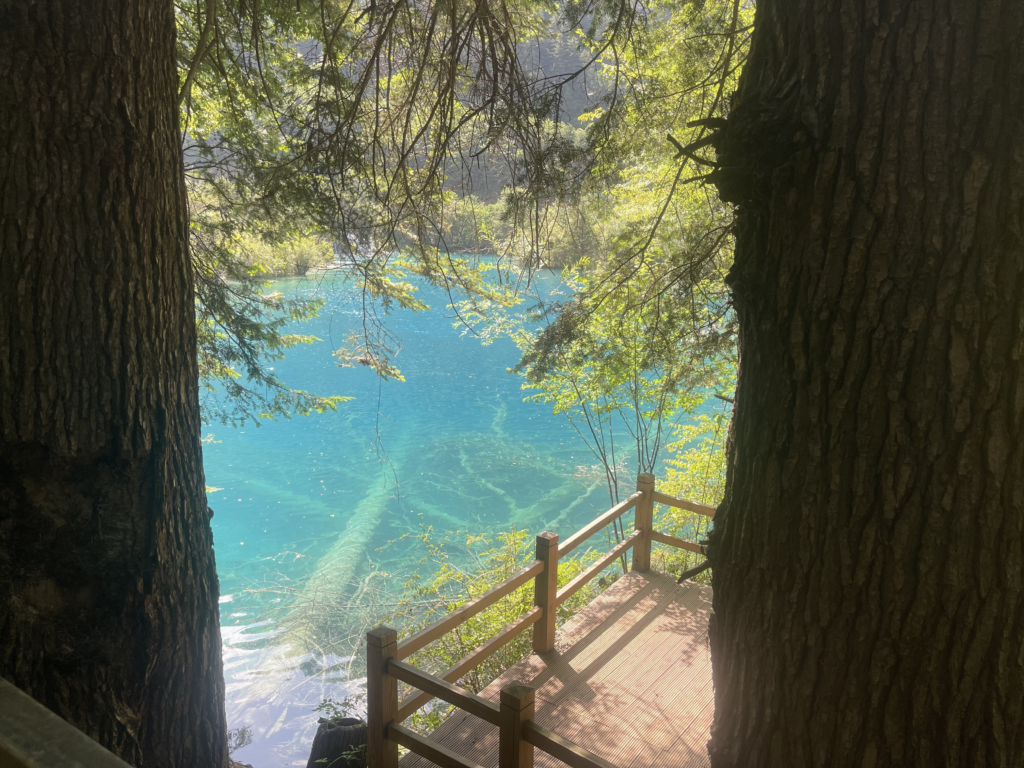
Imagine a place where the water is so clear and mineral-rich it glows in impossible shades of turquoise, emerald, and sapphire. It’s a geological and visual wonder.
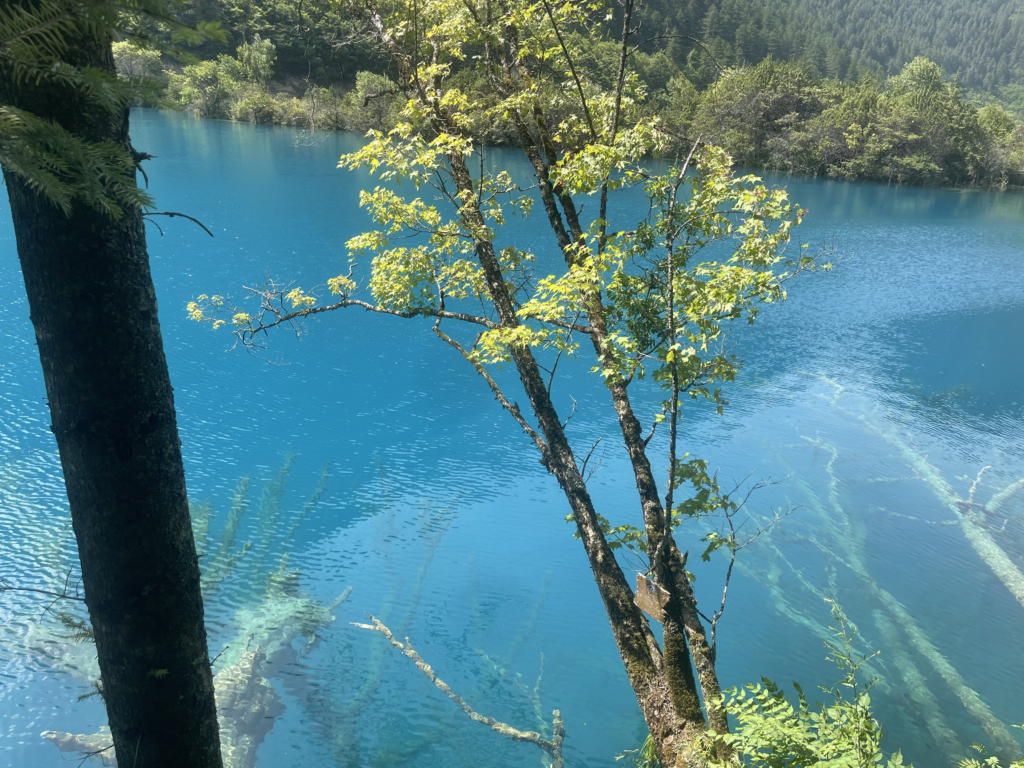
Iconic Spots:
Five Flower Lake (Wuhua Hai): The iconic, crystal-clear multi-colored lake.
Nuorilang Falls: The widest travertine waterfall in China.
Long Lake (Chang Hai): The highest, deepest, and largest lake.
Shuzheng Village: A traditional Tibetan village within the park.
Essential Practical Info
Best Time to Visit: Late September – October for autumn colors. April – November for accessible weather.
Altitude: 2,000-3,100m (6,500-10,000ft). Much lower than Lhasa. Minimal altitude risk.
Access: Fly from Chengdu to Jiuzhai Huanglong Airport (JZH), then 1.5-hour drive.
Permits: No Tibet Permit required. Only standard Chinese tourist visa.