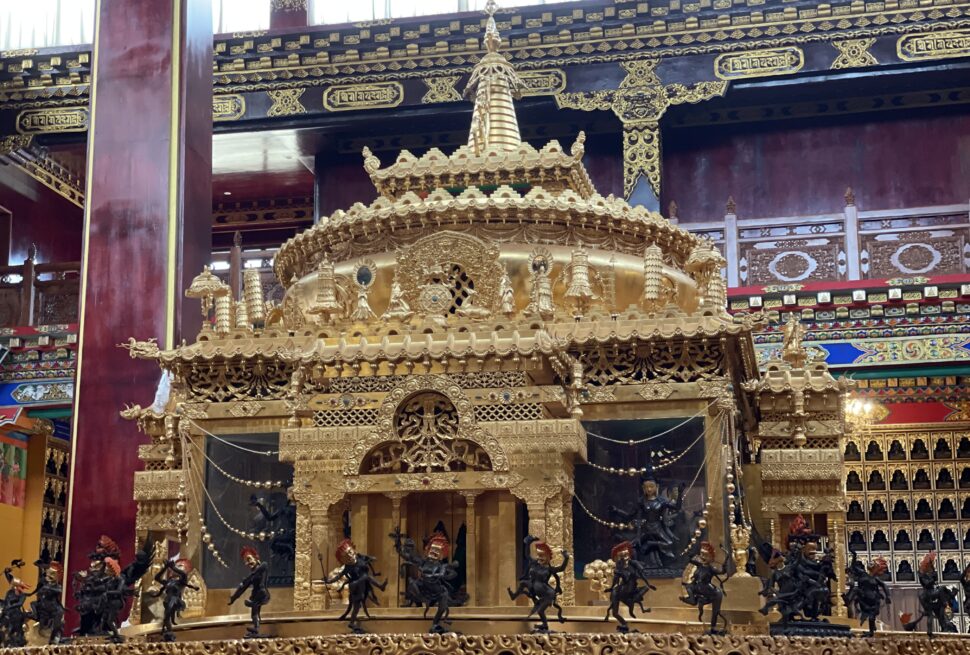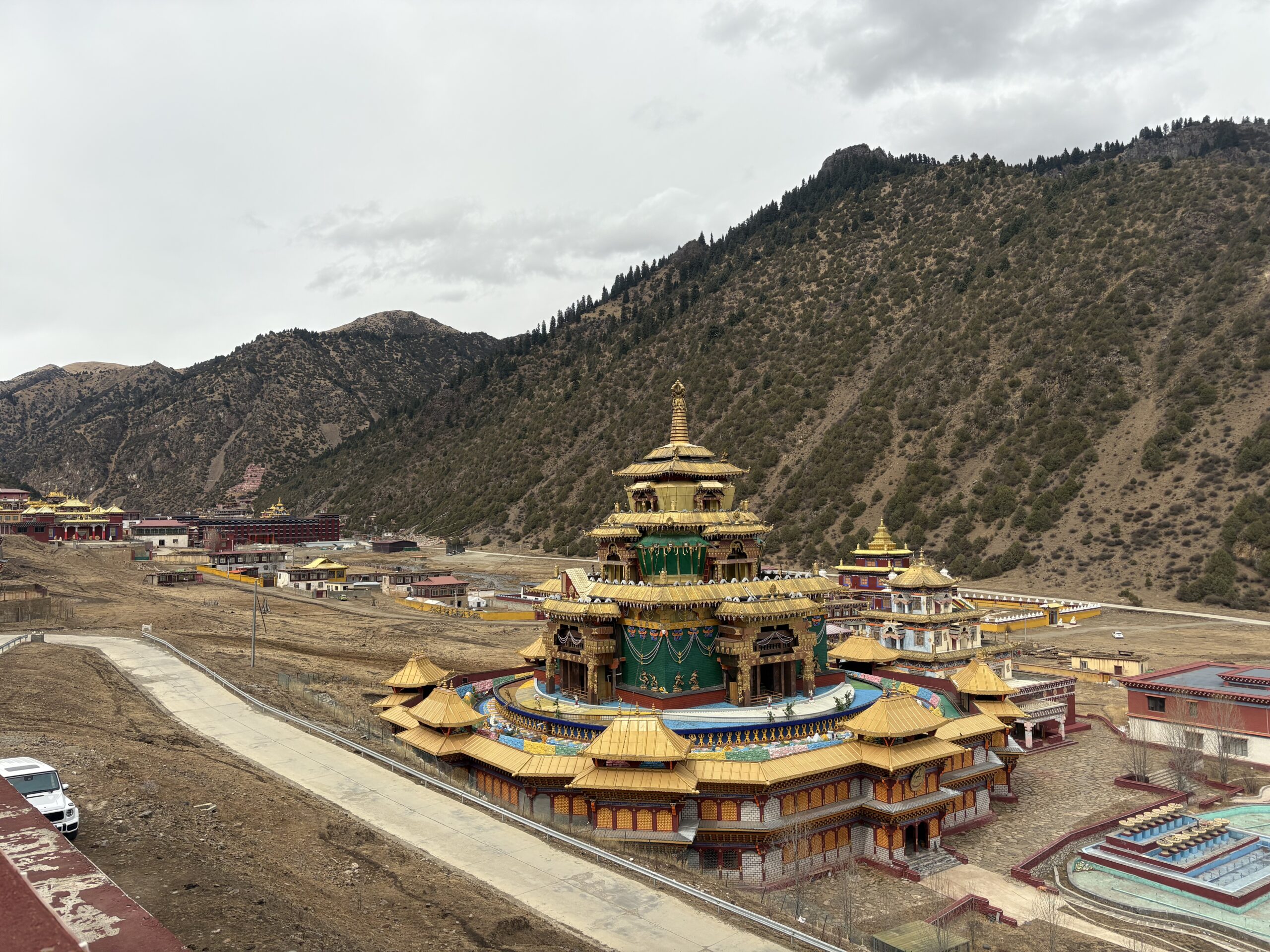
Shechen Monastery is one of the most important monasteries of the Nyingma school of Tibetan Buddhism, famous for its tradition of philosophical scholarship and sacred arts.
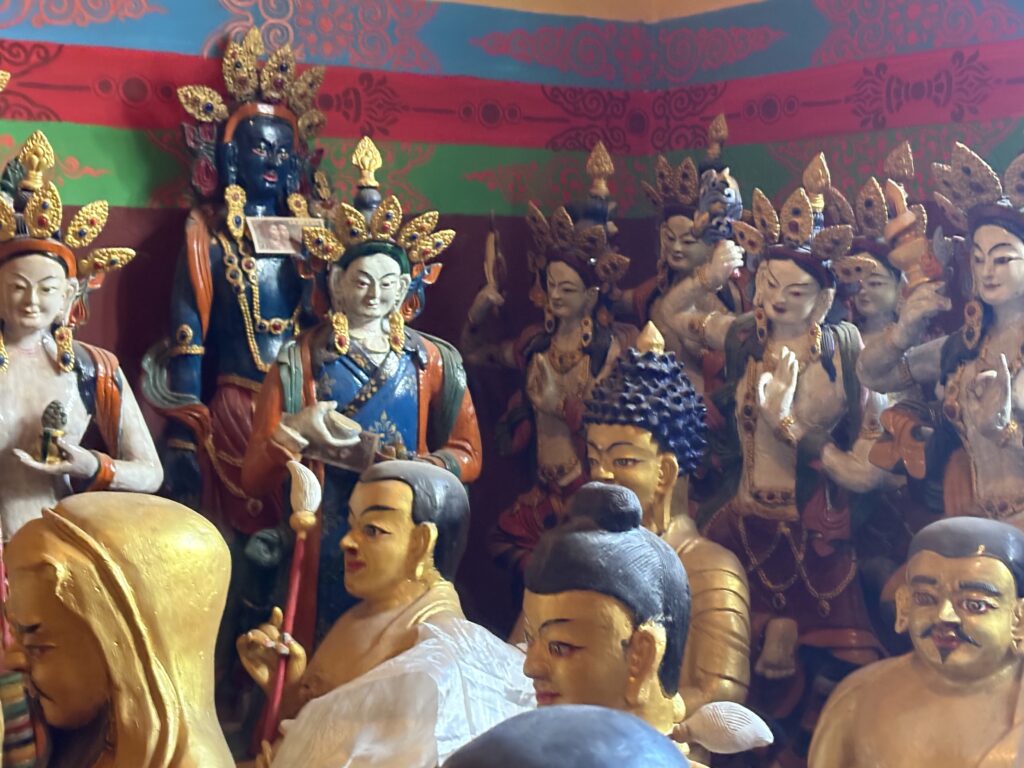
Origins & History
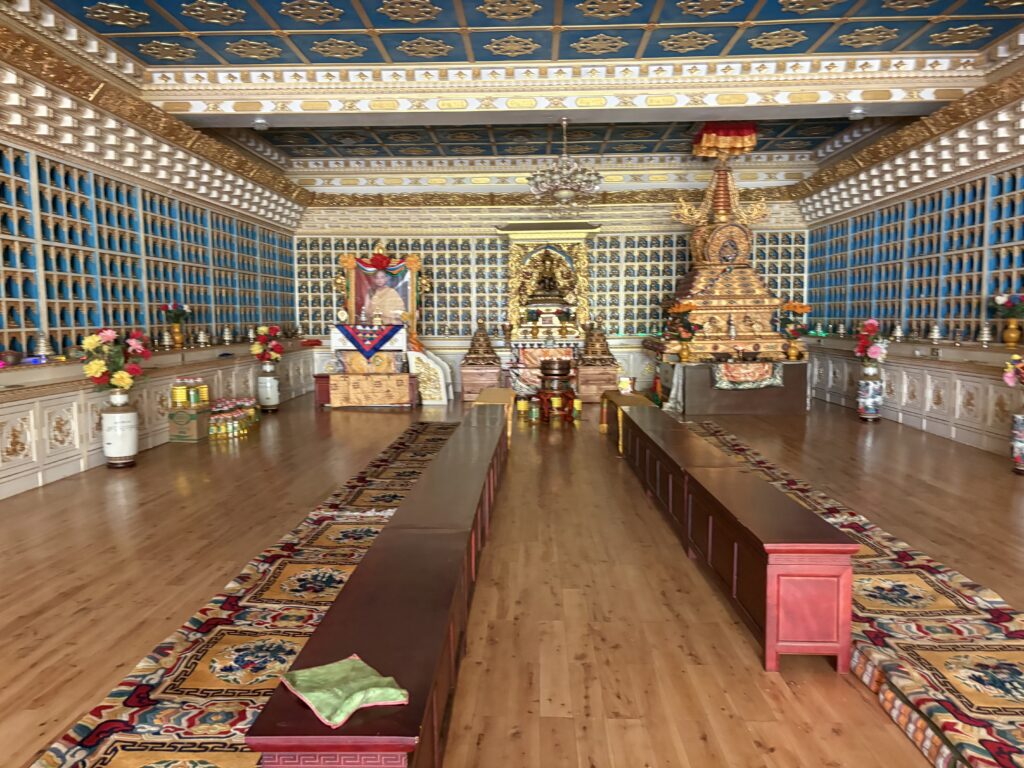
Founded: 1695 in Kham (Eastern Tibet) by Shechen Rabjam Tenpé Gyaltsen, under the direction of the Fifth Dalai Lama.
Status: It became one of the Six Mother Monasteries of the Nyingma tradition.
Destruction: The original complex was mostly destroyed in the mid-20th century.
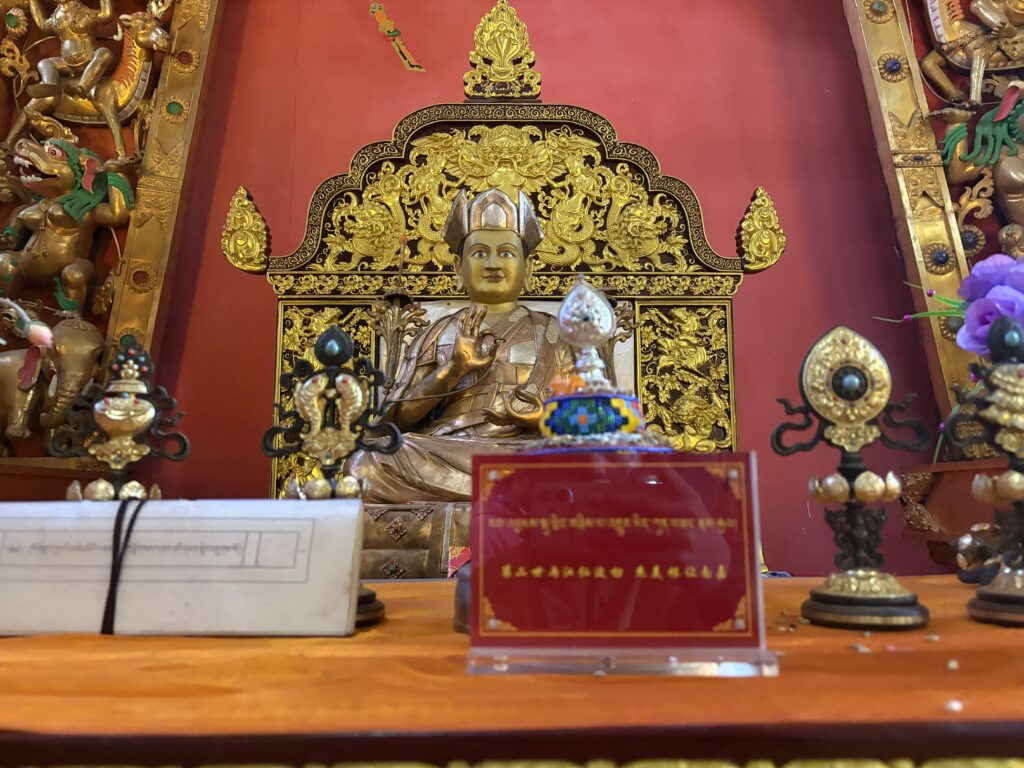
The Modern Monastery (Nepal)
Location: Kathmandu Valley, Nepal (near Boudhanath Stupa).
Rebuilt: Founded in the 1980s by Kyabje Dilgo Khyentse Rinpoche (1910–1991), one of the 20th century’s greatest Tibetan masters.
Head: Today, it is led by his grandson, Shechen Rabjam Rinpoche.
What Makes It Unique
Academic Excellence (Shedra):
Runs a prestigious 9-year philosophical college (shedra) training monks in Buddhist philosophy, logic, and astrology.
Graduates earn titles like Lopon (MA) and Khenpo (PhD equivalent).
Art & Culture:
Home to the Tsering Art School, preserving traditional Tibetan painting, sculpture, dance, and music.
Contains a vast library of sacred texts and magnificent murals.
Community:
Houses over 300–500 monks and provides education for young novices.
Engages in humanitarian and environmental projects (e.g., the Shechen Eco Group).
Significance
It is a global center for the preservation of the Nyingma lineage, particularly the Dzogchen teachings. It serves as a bridge between Tibetan tradition and the modern world, hosting students and masters from across the globe.