-
Bus, Airlines
-
3 Stars Hotels
-
5,616 metres
-
Lhasa
-
May - Nov
-
Eco-Tour, Hiking
-
Breakfasts
-
English, Tibetan, Chinese
-
Easy to Moderate
-
2-15
-
12
-
65
Overview
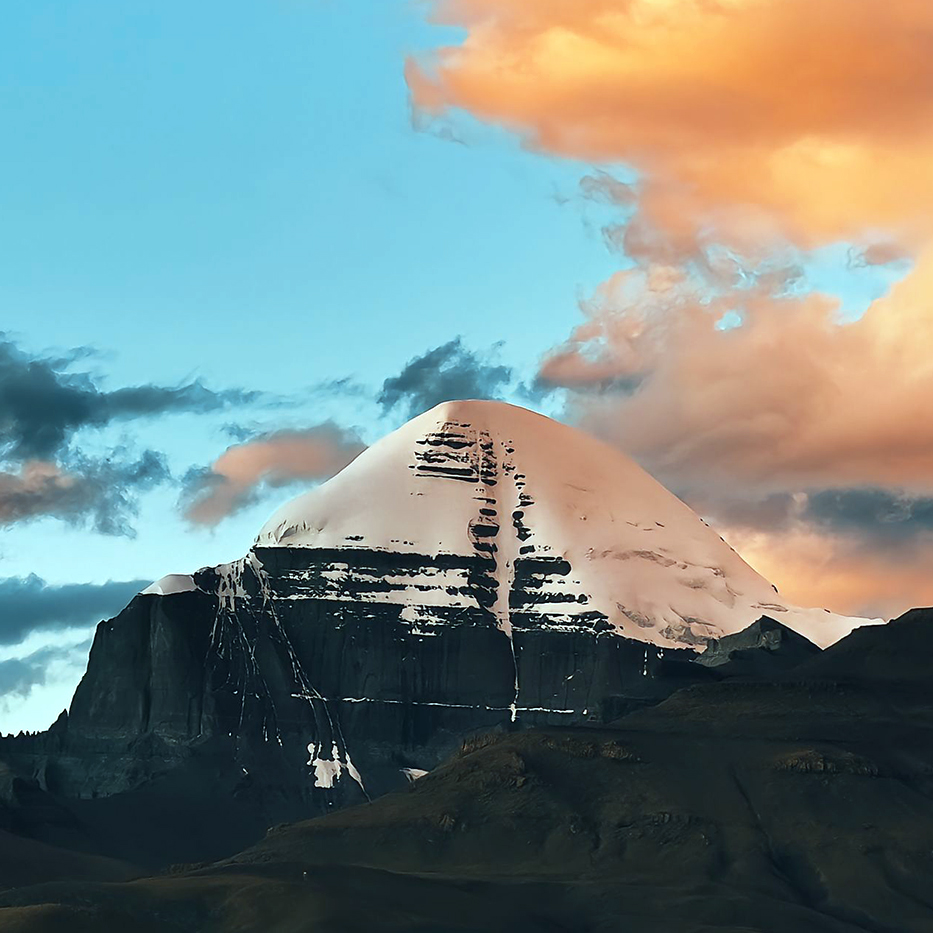
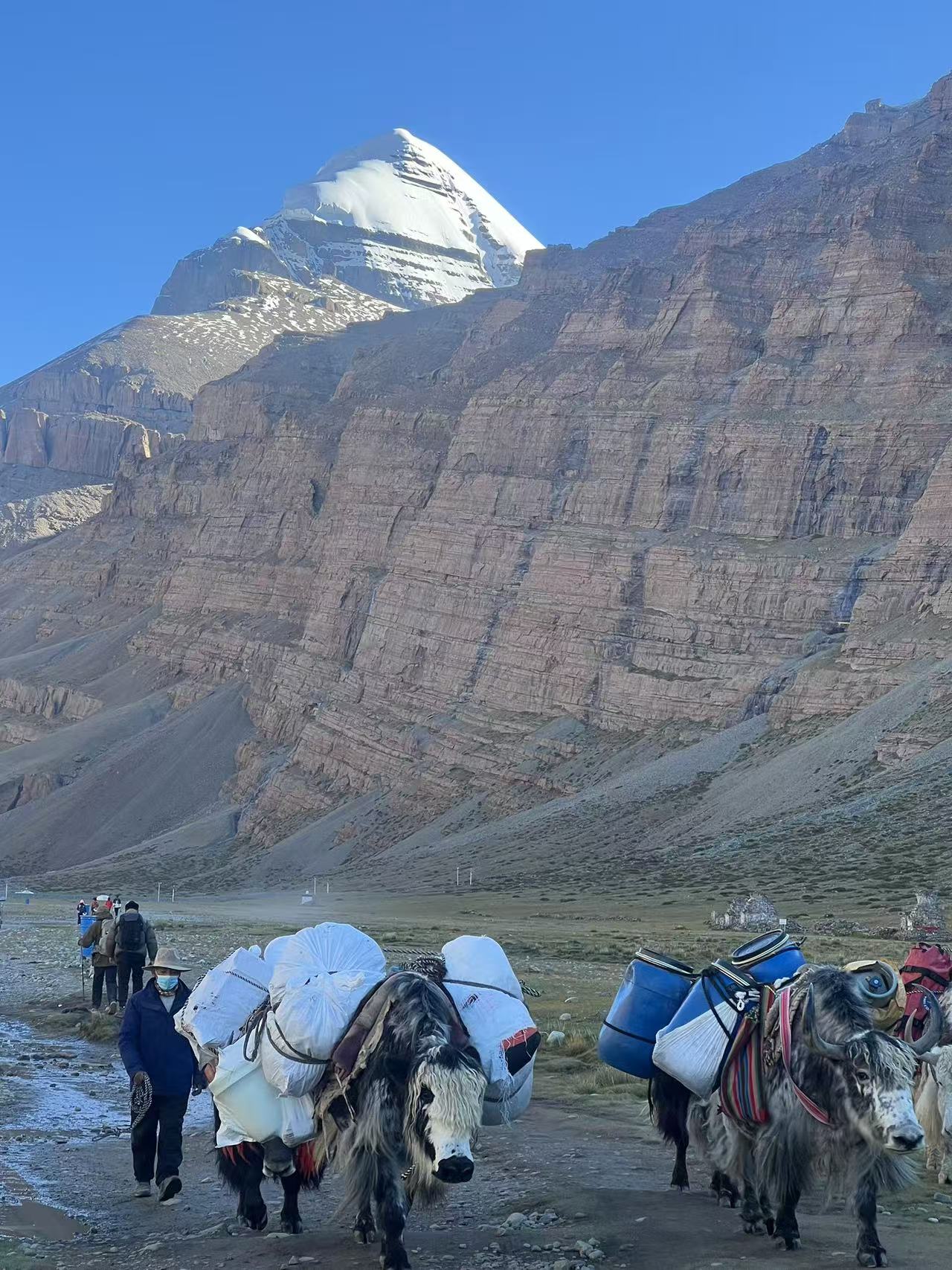
The Mount Kailash Trekking Tour is one of the world’s most sacred and spiritually significant journeys. Located in the remote Ngari region of western Tibet, Mount Kailash is revered by Buddhists, Hindus, Jains, and Bon followers. The journey centers on the 52-km Kailash Kora (circumambulation), a pilgrimage trek that takes you through dramatic high-altitude landscapes, ancient monasteries, and deeply spiritual sites.
This once-in-a-lifetime trek combines cultural discovery, spiritual immersion, and raw Himalayan scenery, offering travelers a profound and transformative experience.
Highlights
- Mount Kailash Kora – Complete the sacred 3-day pilgrimage circuit around Mount Kailash
- Drolma-La Pass (5,630 m) – The highest point of the trek and its most challenging, symbolic crossing
- Lake Manasarovar – One of the holiest lakes in the world, ideal for reflection and spiritual rituals
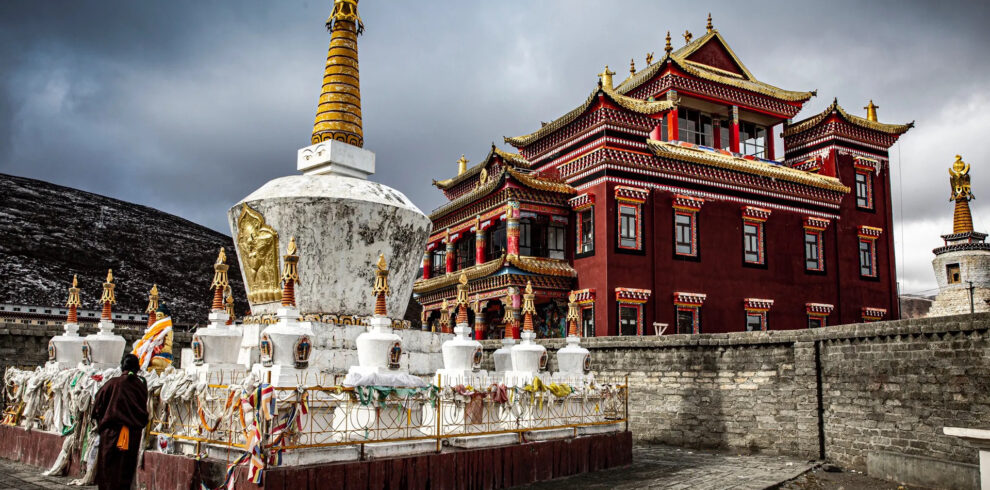
- Ancient Monasteries – Visit Chiu, Dirapuk, and Zutulpuk Monasteries along the route
- Spiritual Encounters – Walk alongside pilgrims from Tibet, India, Nepal, and beyond
Itinerary
This once-in-a-lifetime trek combines cultural discovery, spiritual immersion, and raw Himalayan scenery, offering travelers a profound and transformative experience.
Arrive at Lhasa train station or airport, your guide and driver will pick you up there in person with a warm Tibetan style welcome ceremony by presenting you Khata and afterwards transfer you to the hotel, suggest you stay at hotel to have good rest for better acclimatization.
In the morning, visit Lhasa’s landmarkPotala Palace, in which myriad chapels, audience halls, Buddhist frescoes, Thangkas, combinations of Mandela, figures of the Buddha stored. In the afternoon, visit the Johkang Temple, the center of Tibetan Buddhism, built during Songtsen Gonpo’s reign by princess Wencheng of the Tang dynasty, 647 A.D. After the Johkang Temple, we will start a circular pilgrim route along Barkhor Street where you can purchase traditional Tibetan and Nepalese artifacts, religious implements, antiques, books, music instrument, Thangkas, and etc.
In the morning, drive to Drepung monastery which used to serve as the government center in Tibet until the fifth Dalai Lama moved to the famous Potala Palace. It is the biggest Buddhism College in Tibet and once homed to more than 10000 monks. In the afternoon, drive to visit Sera monastery which is famous for its scripture debate session among monks that starting every afternoon except Sunday.
Today we finally begin our overland journey culminating in Kathmandu, Nepal. one of the first sites we will see while traveling along the majestic friendship highway is the Khamba La Pass. the breathtaking view at Khamba La allows one to see all the way to the summit of Nazin Kang Sa, turquoise coloured Yamdrok Lake. Truly an amazing view! While continuing westward we will travel over the Karo La, a high pass surrounded by stupendous glaciers. The rest of the day will be spent enjoying the many magnificent valleys and exquisite tibetan villages we pass through. The day will end in the town of Gyantse. We will spend the night in a hotel in this historical city.
.
Today we finally begin our overland journey culminating in Kathmandu, Nepal. one of the first sites we will see while traveling along the majestic friendship highway is the Khamba La Pass. the breathtaking view at Khamba La allows one to see all the way to the summit of Nazin Kang Sa, turquoise coloured Yamdrok Lake. Truly an amazing view! While continuing westward we will travel over the Karo La, a high pass surrounded by stupendous glaciers. The rest of the day will be spent enjoying the many magnificent valleys and exquisite tibetan villages we pass through. The day will end in the town of Gyantse. We will spend the night in a hotel in this historical city.
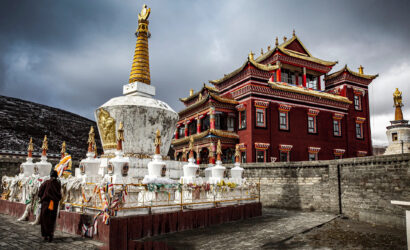
In the morning we will visit Gyantse Dzong. This fort dates back to the fourteenth century and offers some of the most amazing views of Gyantse and the surrounding valley. Before leaving we will also visit the famed Gyantse Kumbum. This magnificent tiered structure is the largest stupa in all of Tibet. If the exquisite gold dome is not enough, this stupa is packed with Tibetan sculptures and paintings. Afterwards drive to Shigatse. Shigatse is a laid back city that provides excellent opportunity for both relaxation and exploration. We will explore the local market and the Tahilhumpo Monastery. Tahilhumpo Monastery is one of the largest functioning monasteries in Tibet and was able to last through the cultural revolution nearly unscathed. It is a great pleasure to spend some time exploring the busy cobbled lanes twisting around these ancient buildings.
The views of this desert plateau provide for wondrous entertainment as we travel along the Friendship Highway. This stretch is some of the most spectacular landscape in Tibet. After passing through the small town of Lhatse we will cross Gyatmso La, the highest pass on our journey. The land quickly descends to plains after Gyatmso La. While traveling through the plains we will see many nomadic herders, quiet countryside, and secluded monasteries.
After leaving Shegar we will travel only a short while before turning off the friendship highway. Our four wheel drive vehicles will takes us south towards the main Himalayan range while passing over Pang La. The view from the top of Pang La is truly stunning. One is able to see all the way from makalu to Shishapangma. In the afternoon we will descend into the Rongbuk Valley and Everest will jump quickly into view. This is your first chance to catch a glimpse of this awe-inspiring mountain. the highlight of the trip heading to Everest Base Camp, we will take a local bus to cover this 8 km distance to reach Everest Base Camp. The views of Everest from so close make the mountain seem even more impressive than before. It is a truly breath taking experience to stare up at the sheer north face of this highest mountain in the world. Mount Everest towers above you in a looming yet magical way.
Drive Saga via Peikutso Lake. the beautiful turquoise Peikutso(4590m) is one of Tibet’s magical spots with stunning views of the snowcapped Shishapangma(8012m) and the Langtang range bordering Nepal to the south.
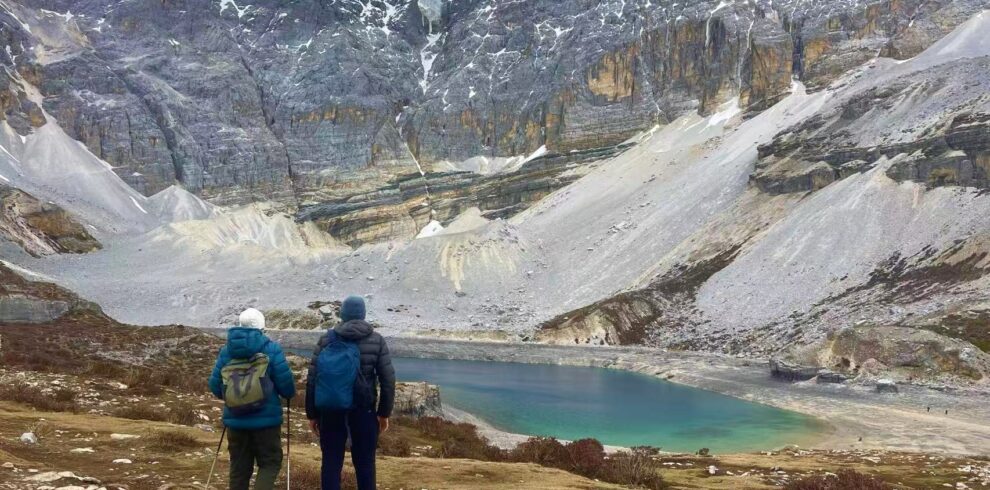
Moving towards the Drongpa County, the region around the sources of Brahmaputra River, which is about 167km from the Saga town. At about 50km from today’s destination Darchen, we will make a small detour to Lake Manasarovar, the holy lake of Tibetan and Hinduism. You can relax around the lake shore and experience the natural beauty of the lake. In the summer time, flocks of swans will gather on the lake, bringing grace and life to the area. You can also see so many Tibetans and Hindus praying and circling around the lake shore, snow capped mountains on the background and hundreds of swans gathering on the lake, attracting hundreds and thousands of tourists from all over the world. In late afternoon, we will reach Tarchen, a small town at the foot of Mt. Kailash. Tour guide will assist tourists to arrange trekking yaks and porters and doing some preparation for your following 3 days trekking around Mt.Kailash.
Overnight at local guesthouse in Darchen town.
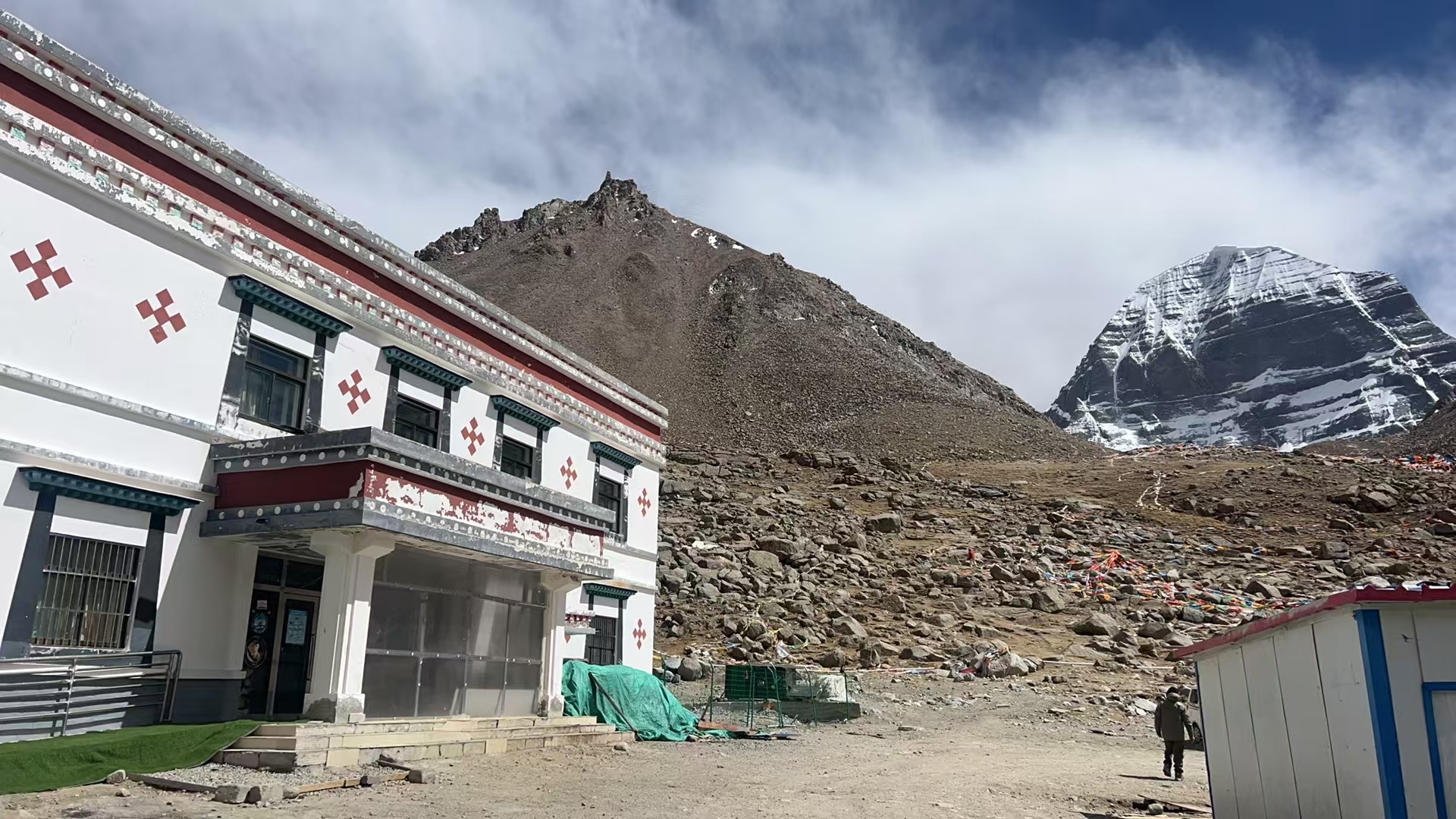
The Traditionally pilgrims undertake 52 km trekking circuit around Mount Kailash, commencing at Darchen (4574m) and crossing the Dolma-la pass on the second day of the three day walk. 8 kilometers after leaving Darchen with environmentfriendly bus (40minutes), we get to a village called Sarshung, where porters are waiting for their clients. After two hours, we come upon a grassy plain populated by nomads. For this turn in the valley it is another two hours at least before reaching Drirapuk(4920m). You need to camp or can rest in monastery’s guest house made from cement with a few good facilities than others in Drirapuk. At the opposite side of Drirapuk, there you can see small monastery with its guest house little cleaner than others.
Stay overnight at the tent guesthouse of monastery.
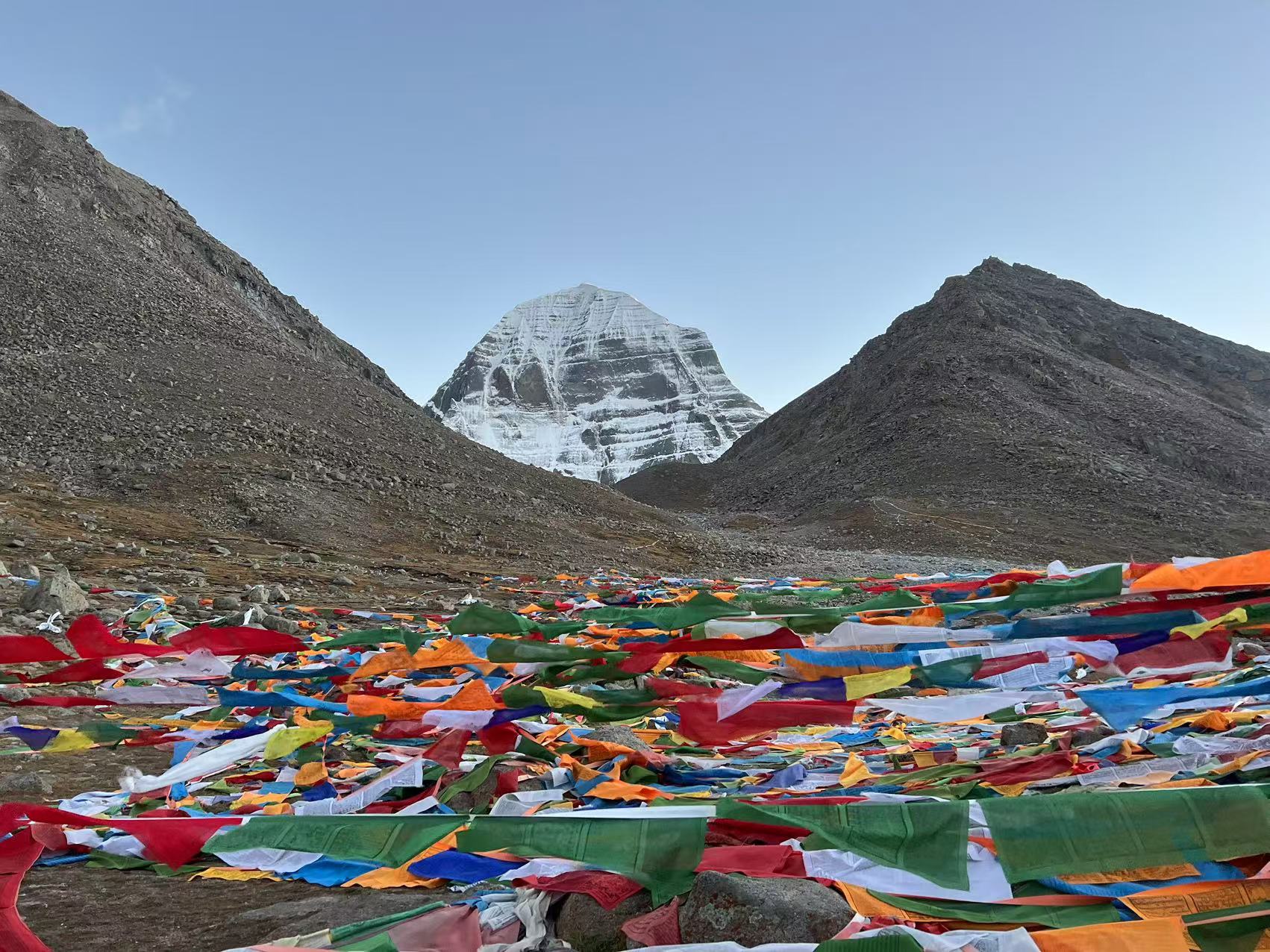
The second day is the hardest and most tough circuit with the Dolma-la pass lying 6.4km ahead but 762m above Drirapuk. The peak of Dolma-la pass is about 5630m above sea level, so it is better to set off early in the morning as the sun rays break over the ridges above. After taking a rest at the peak of Dolma-la pass, you will descend staircase bringing you to Lhachu valley floor, taking about one hour from the pass. From here it is still four hours trekking to the today’s final destination with no shelters on the way. It is better to walk on the right side of the river and finally get to Dzultripuk (with miracle cave of milarepa). It is advisable to get there before other groups because limited numbers of rooms are available there in Dzultripuk. Take a good rest in the guest room and prepare for next morning’s departure.
Stay overnight at the tent guesthouse of monastery.
Today, we will go through Milarepa’s cave, where the temple and shrines have been built around. Then we walk back to Darchen is easy and the exit from the valley can be reached within three hours. At the ending point of the valley, the driver will come to pick you and take you back to Darchen.
Stay overnight at the local guesthouse at Darchen.
Your guide and driver will transfer you to the airport or train station, tour ends.
Cost
The Cost Includes
- Pick-up or Drop-off service from and to Airport(in our own vehicle)
- Transportation to and from!!
- Food all along the trip(Breakfast) and accommodations during the trip in hotels with family environment
- Transportation, accommodation and insurance of Guide during the trip
- First Aid Medical Kit(Your guide will carry the Medical Kit but we also advise to bring yourself for your own use, as far as possible)
- All the required permits and paperwork
The Cost Excludes
- International Airfare
- Visa Charges
- Your travel and medical insurance
- Personal Expenses such as shopping, bar bills, hot shower, telephone, laundry, titbits etc
- Services not mentioned or not promised by the agent/agency
- Emergency expenses such as expenses on chartered helicopter.
Frequently Asked Questions (FAQs)
Annapurna Base Camp is a Grade B or a moderately difficult trekking route. So any fit person can do this trek, even if you do not have any previous experience. You should be aware of what to expect and mentally prepare for it. Then, as long as you will too, you can.
On average, you walk about 4 to 6 hours per day. One or two days can be as less as 3hrs and one or two days can be as long as 7hrs.
The highest altitude reached is 4190m. This is the elevation of Annapurna Base Camp. ABC is the highest we will climb in this trek.
Yes, you can charge batteries en route. Charger should be brought. There are hot shower facilities as well. You may have to pay a certain amount for both ($1-$2). Negotiate. Also, a hot water facility could be free at a lower elevation.
No. There are no ATMs on this trek route. You will have to draw enough cash in Pokhara or Kathmandu. There are a number of ATMs in these cities. Everything is paid in Nepali rupees. So money should be exchanged before the start of the trek.
Yes. The Internet can be accessed in most places. Sometimes, there might be some technical problems. The Internet in Nepal is not as fast as you are used to and at times you can just lose connection.
Not really. It depends on you. If you want, ABC trekking can be done independently. You could hire a guide and a porter by yourself instead of going through an agency or not hire a guide at all. Although, not having a guide can be a little problematic during the offseason.
It really depends on you. Is it your first time in Nepal? How confident are you of being able to find your way around? How pressed on time are you? If you go through an agency, it will be costlier but everything will be planned. You will only have to come, trek and return.
For the Annapurna region, pay for guides range from $20 to $30 per day and porters take $15 to $25 per day.