-
Bus, Airlines
-
3 Stars Hotels
-
5,416 metres
-
Xining
-
All year around
-
Eco-Tour, Hiking
-
Breakfasts
-
English, Chinese, Tibetan
-
Easy to Moderate
-
2-15
-
12
-
65
Overview
The Xining to Chengdu overland journey travels through the heart of Amdo and Kham Tibetan regions, offering an immersive experience into authentic Tibetan culture and breathtaking high-altitude landscapes. Starting from Xining, the gateway to Amdo Tibet, the route crosses grasslands, nomadic areas, sacred monasteries, and traditional Tibetan towns before descending into the green valleys of Chengdu.
This scenic journey combines cultural discovery, spiritual encounters, and dramatic overland travel, making it one of the best ways to experience eastern Tibet without entering the Tibet Autonomous Region.
Highlights
- Xining – Gateway to Amdo Tibet
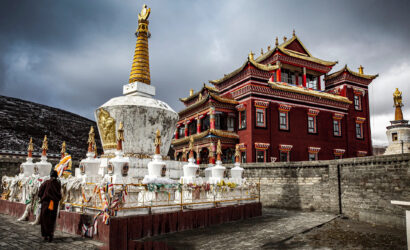
- Kumbum Monastery – One of the most important Tibetan monasteries in Amdo
- Rebkong (Tongren) – Center of Tibetan thangka painting and living arts
- Labrang Monastery (Xiahe) – Major Tibetan Buddhist university and pilgrimage site
- Amdo Grasslands – Nomadic life, yak herders, and wide open landscapes
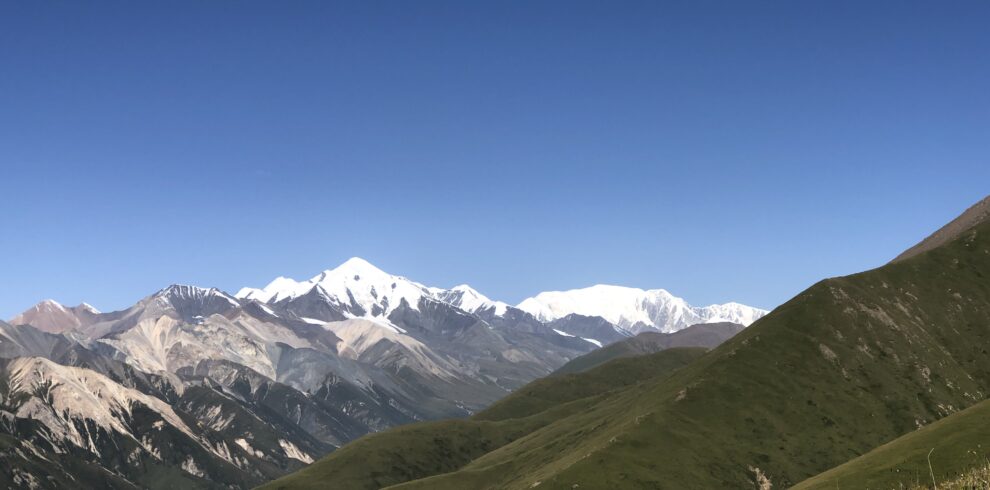
- Kham Tibetan Highlands – Dramatic mountain scenery and Tibetan villages
- Arrival in Chengdu – Transition from Tibetan plateau to Sichuan lowlands
Itinerary
Arrive Xining by air plane or train. The largest city on Tibetan plateau. where you’ll find your guide ready and waiting to transfer you from the airport or train station to Hotel. If time allows, visit Tibetan culture and medicine Museum. Where you will have chances to see the world’s longest Thangka painting.
In the morning you will drive to Kokonor, the biggest salt lake in Tibet and the name of the lake originated from Mongolian because Mongol tribes were here many years in ancient time. in the afternoon you will drive to Trika through sand dunes and along the Yellow River. In Trika. You will visit Jokhang Temple. A small temple of Buddha.
In the morning you will drive along the Yellow River to Shachong Monastery, one of the four famous monasteries along the northern Yellow River. Shachuang is located on a ridge of a mountain and the views from it are breathtaking. Then we'll continue along the Yellow River to Repkong (Tongren).
In the morning drive to Labrang via the famous Gangya grassland to reach Labrang town. Before get Gangya grassland. You can also have a stop at the Gartse monastery. Labrang is located in Xiahe (CH)County of Amdo province. The monastery was founded in 1709 by the first Jamyang Shepa, Ngawang Tsondru. It is Tibetan Buddhism's most important monastery town outside the Tibetan Autonomous Region.
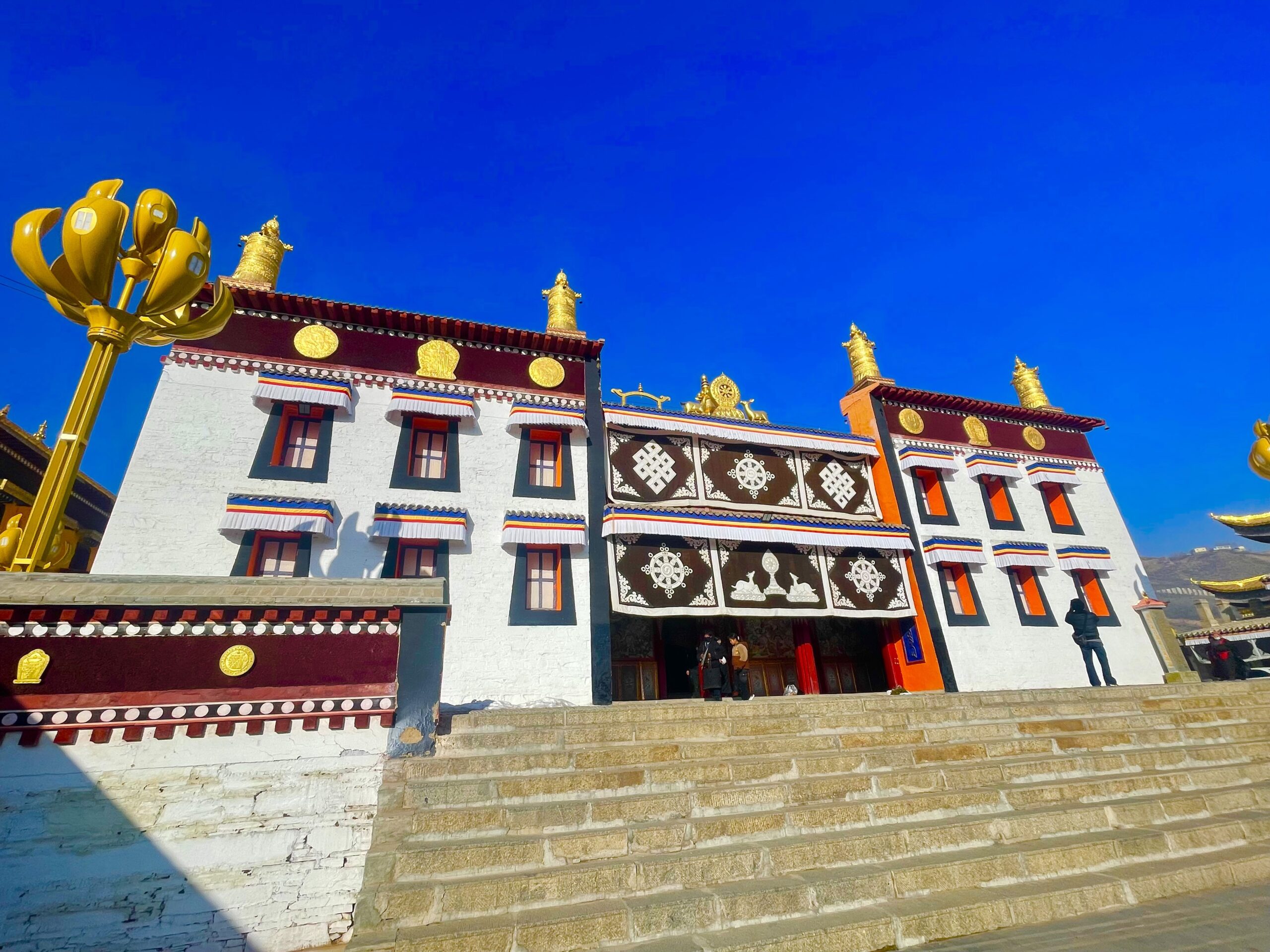
In the morning we drive south 184km to Taktsang Lhamo Monastery, which lies at the border of Sichuan and Gansu Province.You stay at the small Tibetan trading town, next to the monastery. Above the monastery are green hills and the monastery. It is a spectacular scene. At this place, two Yellow Sect monasteries lie side by side but Kirti Monastery belongs to Sichuan Province and Sertri Monastery to Gansu. Kirti was founded in 1413 and many of the monastic buildings have been beautifully reconstructed in the typical Amdo style.
In the morning drive to Jigdril in Qinghai Province. Much of the area is high windswept marshlands and extensive grasslands that rise to 3292m. Here nomads graze their large herds of yaks and sheep living in hand-woven black yak hair tents. You will probably picnic en-route and stop to visit a nomadic family so that we can note the tent structure and see the hand-woven rugs and bags made by the nomads. visit Kirti monastery and Nangzhik monastery, Kirti monastery is the largest Geluk monastery in Ngawa county built by Rongpa Chennakpa in 1472. It is a branch of Kirti monastery in Taktsang Lhamo. Nangzhik monastery is the largest Bon monastery in Tibet built in 1108. it is just located northeast of Ngawa county.
In the morning drive from Ngawa to Dzamthang. On the way. Visit Bangtok monastery. Bangtok monastery belongs to Nyingma tradition. And the monastery is famous of its stone carving Tantra and Sutra. Afterwards drive to the center of Jonang tradition of Tibetan Buddhism. where you will see the largest Jonang monasteries in Tibet. Tsangwa, Choeje and Tsechu monastery.
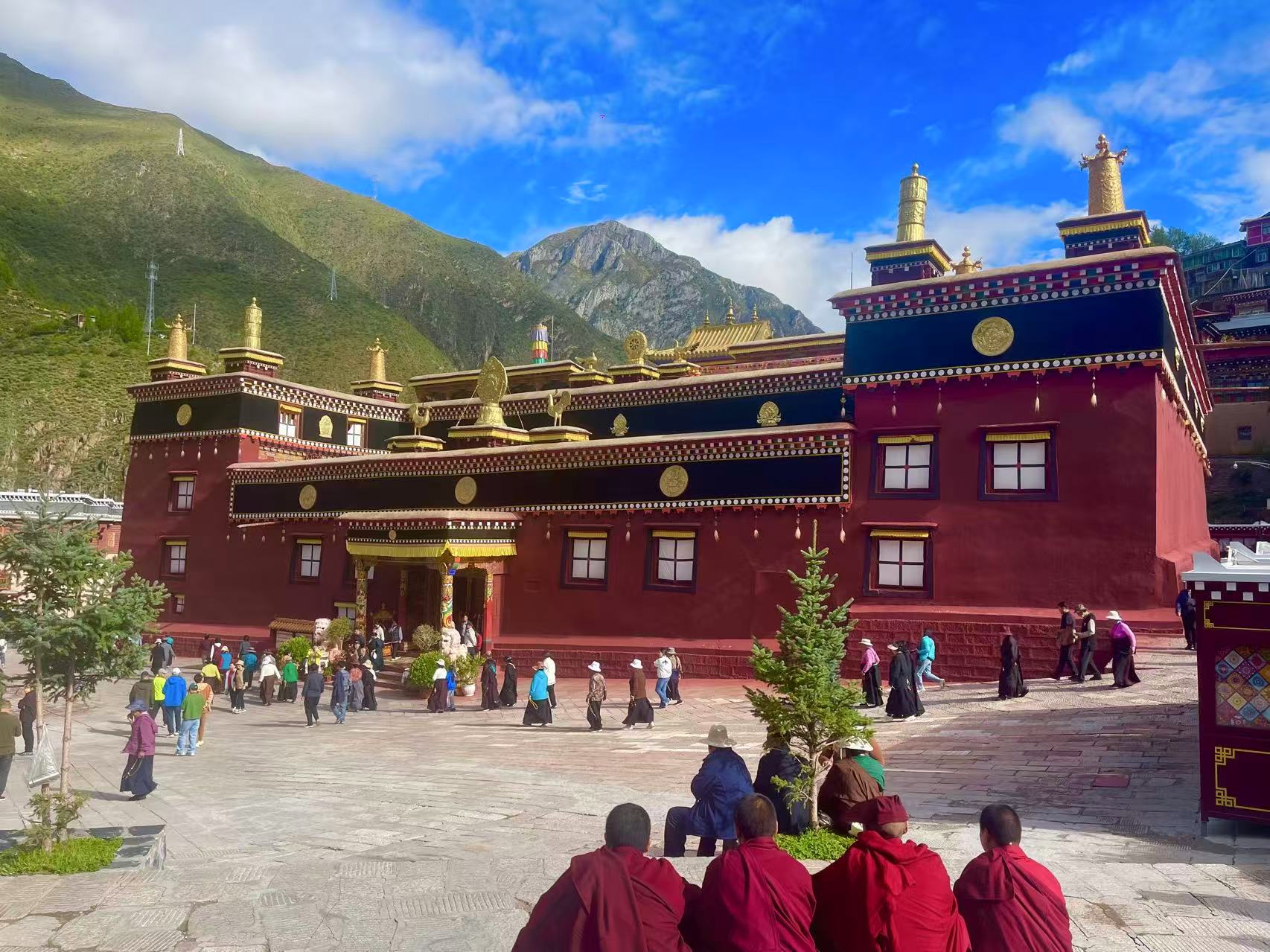
In the morning drive to Ganzi via the vast grassland into the deep valleys with thick forest. From the last pass before arrive Ganzi. You will be seeing the breathtaking view from the Ganzi northern mountain range Nelhu pass with elevation of almost 4600m. Afternoon visit De Gompa. Which is located at the center of the town, and you will see lots pilgrims are taking kora around the temple and offering pujas.
In the morning drive to Dzogchen. And visit Dzogchen monastery. Dzogchen Monastery or Rudam Orgyen Samten Chöling, one of the Six "Mother" Nyingma Monasteries of Tibet, was founded by Dzogchen Pema Rigdzin (1625-1697) in 1675 according to the Great Tibetan Dictionary or 1684 according to Jamyang Khyentse Wangpo.
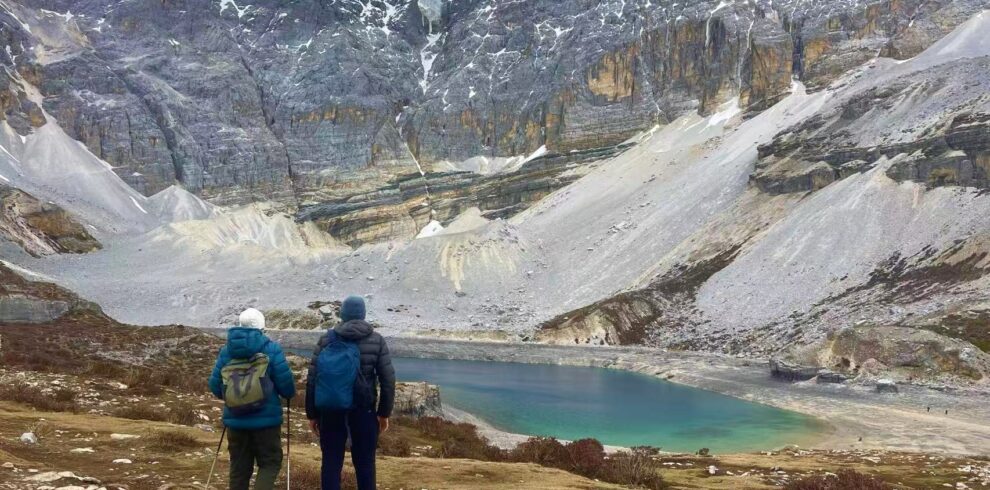
In the morning drive to Dege via Yulong Lhatse and Mt Chola pass. Yulong Lhatso located beside the Manigange town about 11km, Derge county, made by effects of glaciation, altitude over 4500M, with Chola ranges surrounding, the deepest is 15M, covers an area of 2.72 sq km. Chola mountains, Chola in Tibetan, meaning 'a mountain neighboring a lake', there 5 peaks over 5000 meters and a lot of lakes, grass meadows. The main peak Chola is 6168M, and the road of Sichuan-Tibet pass here about 5050M. afternoon visit Dege Parkhang or Dege Sutra Printing House is independent from the monastery and is the first substantial building you'll encounter walking south from the town's center along the stream. The Printing House is in a beautiful traditional temple which was restored in 1991. It is constantly circambulated by townspeople and pilgrims. though you can take pictures of the printing process. The institution was founded in 1729 by Chogyal (dharma king) Denba Tsering. There are more than 140,000 printing blocks, a large collection of national cultural relics and a library comprising 830 books consisting of 10000 volumes. The last surviving copy of an old history of Indian Buddhism is amongst them.
In the morning drive along with the Yangtze river to the Dzongsar via Palpung. Palpung was founded by King Denba Tsering, a Buddhist religious leader of the Dege Kingdom which, under his rule, expanded to 25 tribes on the eastern plateau of former Tibet. The main assembly hall is the largest Dege-style Tibetan building in the world, with thick rammed earthen walls embellished and strengthened with inset logs, decorated window frames, and carved wood motifs. Afterwards drive to Dzongsar, visit Dzongsar, Dzongsar Monastery was founded in 746 by a Bönpo lama. Located on a promontory overlooking the great Khamje Valley in Derge, the monastery is the birthplace of the Khyentse lineage. Today it is a vibrant Tibetan community that includes a large monastery, a shedra (monastic college), a clinic, retreat centers, and a school. Dzongsar is home to both lay and monastic practitioners, who are dedicated to the study and practice of Dharma.
In the morning drive along with the Yangtze river to the Pelyul via Katok monastery. Katok or Katok Dorjeeden is one of the six principal monasteries of Nyingmapa sect of Tibetan Buddhism. Katok Monastery was founded in 1159 by a younger brother of Phagmo Drupa Dorje Gyalpo, Katok Dampa Deshek, at Derge, the historic seat of the Kingdom of Derge in Kham. In Pelyul visit the Palyul Monastery. It was built by Lhachen Jampa Phuntsog, the first Dharma King of Dege. It was constructed on a site which possesses all the essential auspicious signs and had been blessed by the presence of many great Mahasiddhas.
In the morning drive to Garzi via Azam Gar. The seat of Adzom drugpa with its ancient and original monastery. The monastery is one of the few that was not destroyed and reconstructed because during the cultural revolution the army used it as a store house for the food and ammunition. Afterwards drive to Garzi and visit Ganzi monastery or Ganzi monastery. The monastery was built in 1642. It once housed 1,500 monks. The pilgrimage circuit around the monastery was almost eight kilometres long.
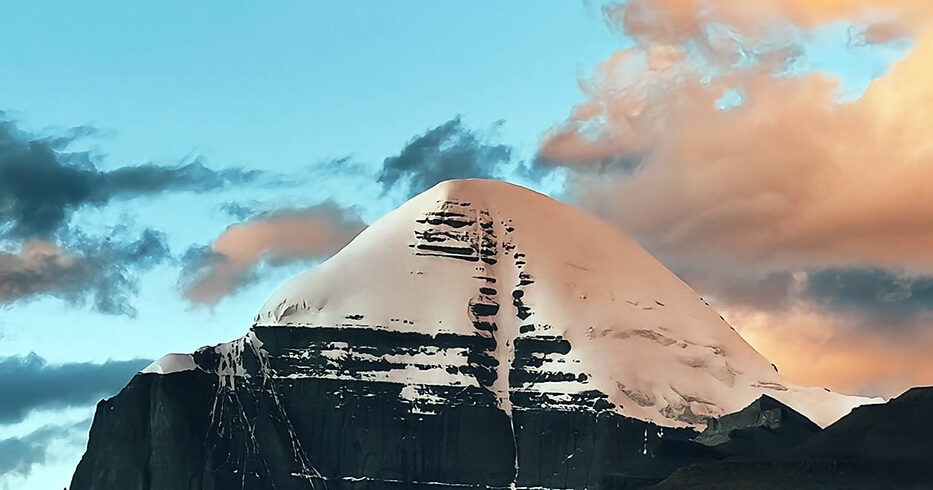
In the morning drive from Garzi to Rongdrak via Lhagang. Visit Lhagang Gonpa or Minyak Pel Lhagang Monastery is a Sakya monastery located in Lhagang village, Dartsedo, in the Minyak region in Kham (East Tibet). Lhagang Monastery is regarded as one of the most famous monasteries in the region, mainly due to the Jowo statue kept there, which many believe is of equal importance to the Jowo statue in Lhasa. You can also see the Zhara Lhatse is the highest mountain in Minyak region of Kham. And It has an elevation of 5820m. And the unique sharp pointed shape made the Mt Zhara Lhatse itself more beautiful and holy. This mountain is also strongly connected with the stories of Guru Rinpoche (Padmasambhava). Once arrive in Danba.
Visit Rongdrak Tibetan Villages are known as the most beautiful villages all over China. famed for unique architectures. In Rongdrak, You can see the watchtowers established for more than a thousand of years during the kings of Tibet. The valley called Gyalmo Zawarong in Tibetan.
In the morning drive to Chengdu via Gulha in Tibtetan or Siguniang Shan in Chinese.
Cost
The Cost Includes
- Pick-up or Drop-off service from and to Airport(in our own vehicle)
- Transportation to and from!!
- Food all along the trip(Breakfast) and accommodations during the trip in hotels with family environment
- Transportation, food, accommodation and insurance of Guide during the trip
- All the required permits and paperwork
The Cost Excludes
- International Airfare
- Visa Charges
- Your travel and medical insurance
- Personal Expenses such as shopping, bar bills, hot shower, telephone, laundry, titbits etc
- Services not mentioned or not promised by the agent/agency
- Emergency expenses such as expenses on chartered helicopter.
Frequently Asked Questions (FAQs)
No. This journey travels through Amdo and Kham regions outside the Tibet Autonomous Region (TAR). A Chinese tourist visa is sufficient.
The highest areas reach approximately 4,000–4,500 meters, mainly in Amdo and eastern Kham regions.
The highest altitude reached is 4190m. This is the elevation of Annapurna Base Camp. ABC is the highest we will climb in this trek.
The best season is May to October, when roads are open and weather conditions are favorable.
Mild symptoms are possible. The itinerary is designed for proper acclimatization, and guides closely monitor guests throughout the trip.
Yes. The tour is led by experienced local Tibetan guides who provide cultural insight and on-the-ground support.
Warm layers, walking shoes, sun protection, personal medication, and a reusable water bottle. A full packing list is provided before departure.
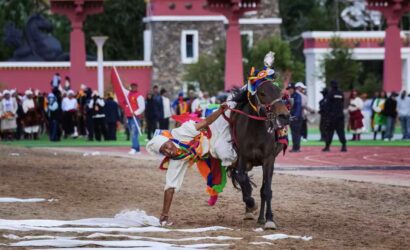
Yes. The itinerary can be adjusted to include festivals, monasteries, photography stops, or cultural experiences.